Ingredient Encyclopedia
Check the characteristics of the ingredients and how to use them in cooking.
Lime
2
6
Lime is a small citrus ingredient used for the aroma of its flesh, juice, and zest. Its acidity clarifies the saltiness of dishes, and added at the end can lighten heavy oiliness or sweetness. When a recipe calls for lime, it usually means the acidity of the juice or the aroma of the zest, so it’s good to first check which part you should use. Commonly added to tacos, grilled fish, salads, stir-fried noodles, curries, salsa, and drinks. If added early in cooking, the flavor blends through but the aroma softens; if added just before serving, the aromatic impression is more pronounced. However, adding large amounts early to dairy or delicate fish can cause rapid protein coagulation or a firm surface, so for such dishes it’s best to add gradually in portions.
Taste and Texture
Lime juice presents a sharp, fresh sourness with a slight bitterness from the zest’s outer green layer. It can feel more vivid than lemon in aroma, though actual acidity and aroma strength vary by variety and condition. The flesh is soft and juicy, and the white pith inside the rind can contribute bitterness if grated too deeply, so zest should be used thinly.
Main uses
- Finish grilled meat or fish with lime juice to reduce the heaviness of surface fat and make salt and spice flavors more pronounced. If a sauce already has a lot of vinegar or tomato, don’t add too much at the start; adjust at the end by tasting a small piece at a time.
- In salsas, guacamole, and herb salads, use the juice to connect flavors and slow the browning of ingredients that change color visibly. For soft ingredients like avocado, add with salt to minimize the sense of acidity standing out.
- For dishes with spices and oil like curries, fried rice, or stir-fries, it’s good to add lime juice after turning off the heat. If added in the middle of cooking, the acidity remains but the fresh aroma may fade.
- For marinades, lime juice can be used in small amounts to add aroma and acidity. However, long marinating can cause the surface of thin fish or seafood to become opaque and firm, so for a soft texture, process briefly or add just before cooking.
Preparation tips
- Wash the rind under running water and dry well before using to reduce surface impurities when grating zest. If zest is needed, before squeezing, grate only the green outer layer finely on a fine grater.
- Hard limes roll gently with the palm at room temperature and cut; this makes juice extraction slightly easier. Don’t press too hard or bitterness from the white pith or bitter notes near seeds may mix in; cut in half and squeeze with moderate pressure.
- Seeds can add bitterness or a coarse texture, so strain with a sieve or by hand. In dressings, drinks, or smooth sauces, straining once gives a cleaner texture.
- Zest and juice serve different roles: zest to emphasize aroma, juice to adjust acidity. When using together, add zest first in small amounts, taste and then supplement with juice at the end to avoid excessive bitterness.
Cooking characteristics
- The acidity of lime juice sharpens the perception of saltiness and sweetness, so adding a small amount to bland dishes can make flavors feel livelier. If added all at once and becomes too tart, it’s easier to balance with fat, stock, or vegetable purée rather than adding more sugar.
- When heated, the acidity remains but the fresh lime aroma weakens. For dishes where aroma is important, such as certain stir-fries or soups, it’s good to add some heated acidity, but keep a portion of lime juice or zest aside and add just before serving.
- Adding lime juice to dairy can thicken or clump sauces slightly. If you need a smooth sauce, lower heat or add the juice off the heat, and if necessary add juice in several portions while stirring.
- If lime juice stays in contact with the surface of seafood for long, the surface may become translucent as if cooked, but that does not mean everything is safely heated through. For texture change purposes, choose thinly sliced ingredients and short contact time; for fully cooked dishes, apply separate heating as needed.
Good combinations
- Fresh herbs like cilantro, mint, and basil pair well with lime for salsas, salads, and Southeast Asian-style stir-fries. If cilantro flavor is strong, focus on mint or scallion and start with a small amount of lime.
- When used with chili, ginger, garlic, and coconut milk, a fresh contrast between heat and richness is created. If the coconut milk-based sauce is already thin, it’s better to complement aroma with zest rather than overusing lime juice.
- Pairs well with avocado, shrimp, white fish, and chicken—foods that are mild or fatty. With very delicate sashimi or thin seafood, use only a few drops to avoid overpowering aroma.
- When combined with sugar, honey, or fruit, lime’s sourness becomes rounder, making it suitable for beverages and fruit desserts. If increasing sweetness, adding a little salt first can soften the acidity’s sharpness.
Points to consider when substituting
- If lime juice is needed, you can use lemon juice instead, but lemon has a different texture of aroma and may feel less vibrant. For dishes where lime aroma is central like tacos or salsa, start with less and adjust gradually to taste.
- In dressings or sauces where only acidity is needed, you can use a splash of rice vinegar, apple cider vinegar, or white wine vinegar. Vinegars have a more direct note of aroma and acidity, so start with less and dilute with water or fruit juice as needed.
- Lemon zest is the closest substitute for lime zest, but the aroma won’t be identical. In recipes where zest is a key component of spice blend, adding a small amount of lime juice at the end may help balance better than a direct substitute.
- The aroma and decorative effect of lime pieces in drinks or on plates are hard to replace with acidity ingredients alone. In such cases, use lemon slices and account for the aroma difference.
Ingredients commonly used together in actual dishes
Aggregated based on the co-occurrence count of representative ingredients in public dishes registered in CookPagoda.
Dishes that use this ingredient
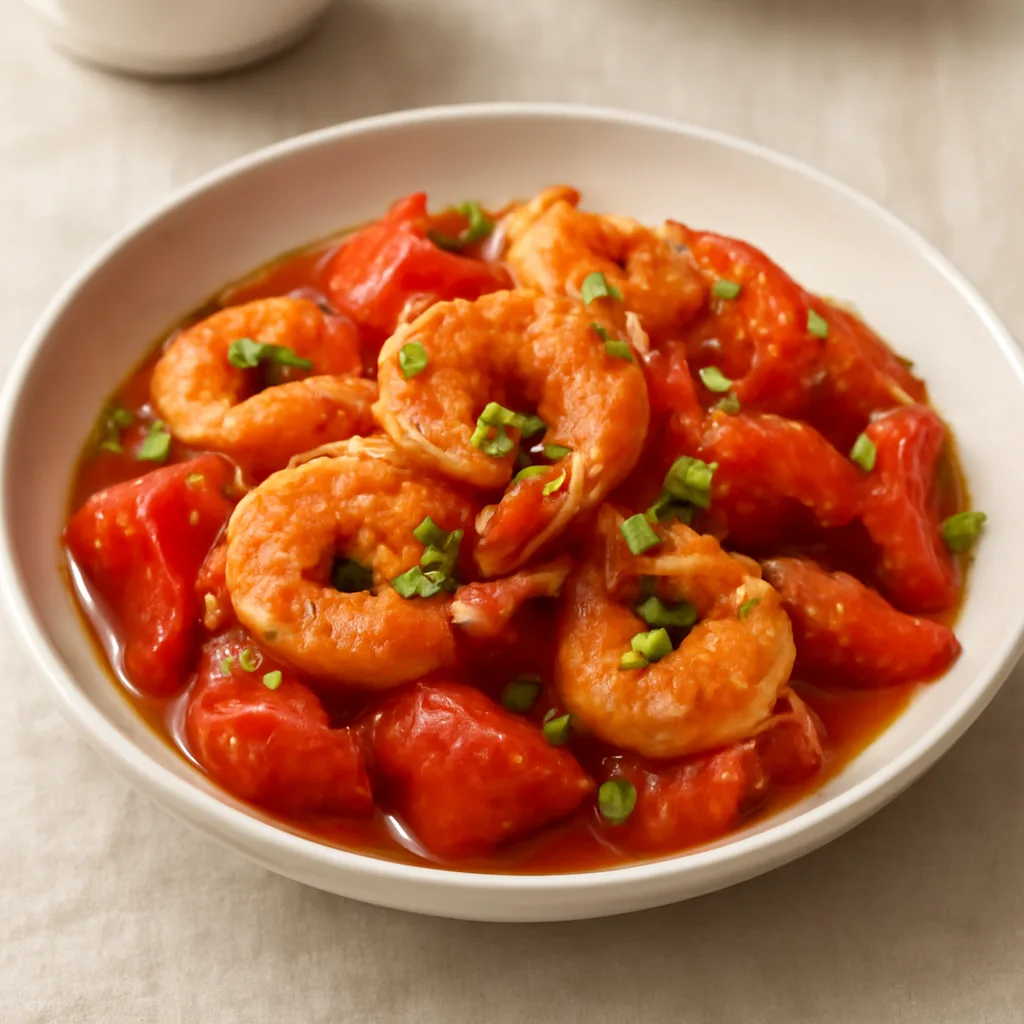
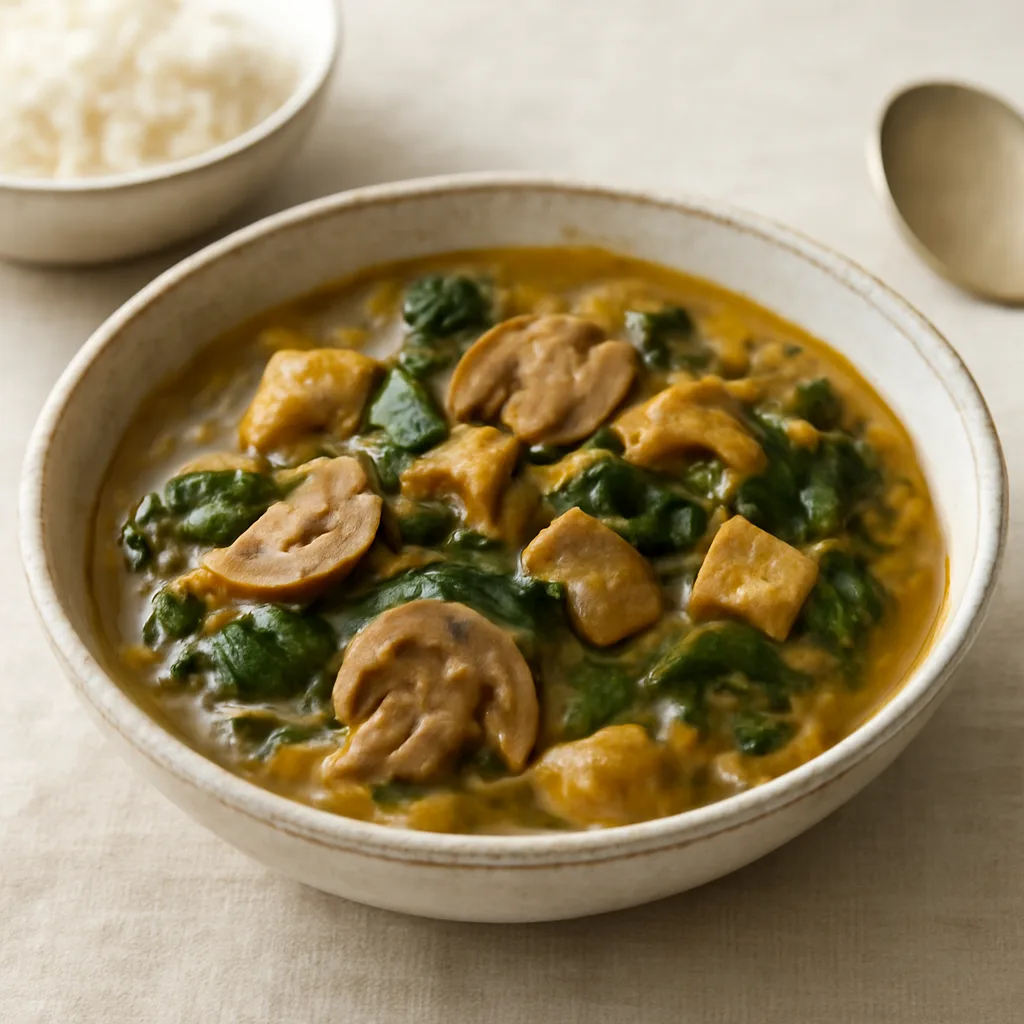
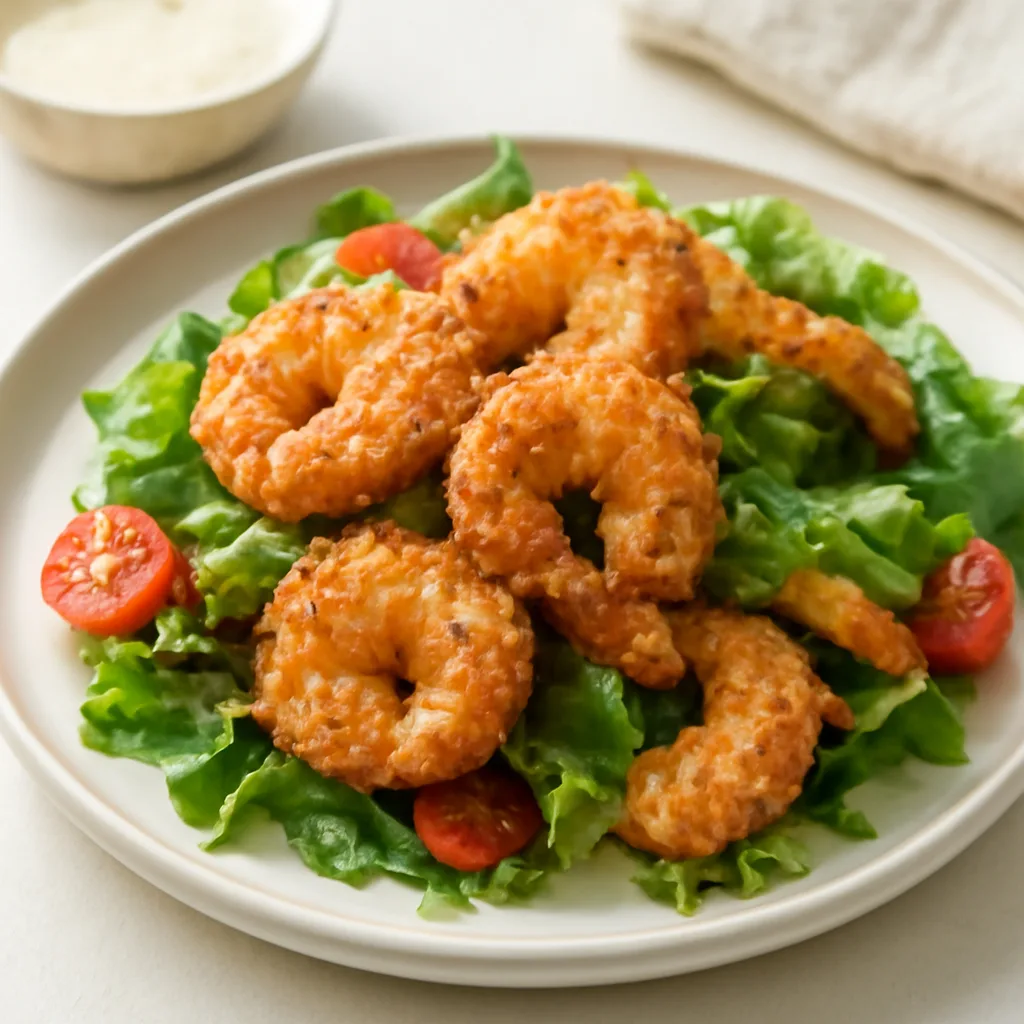
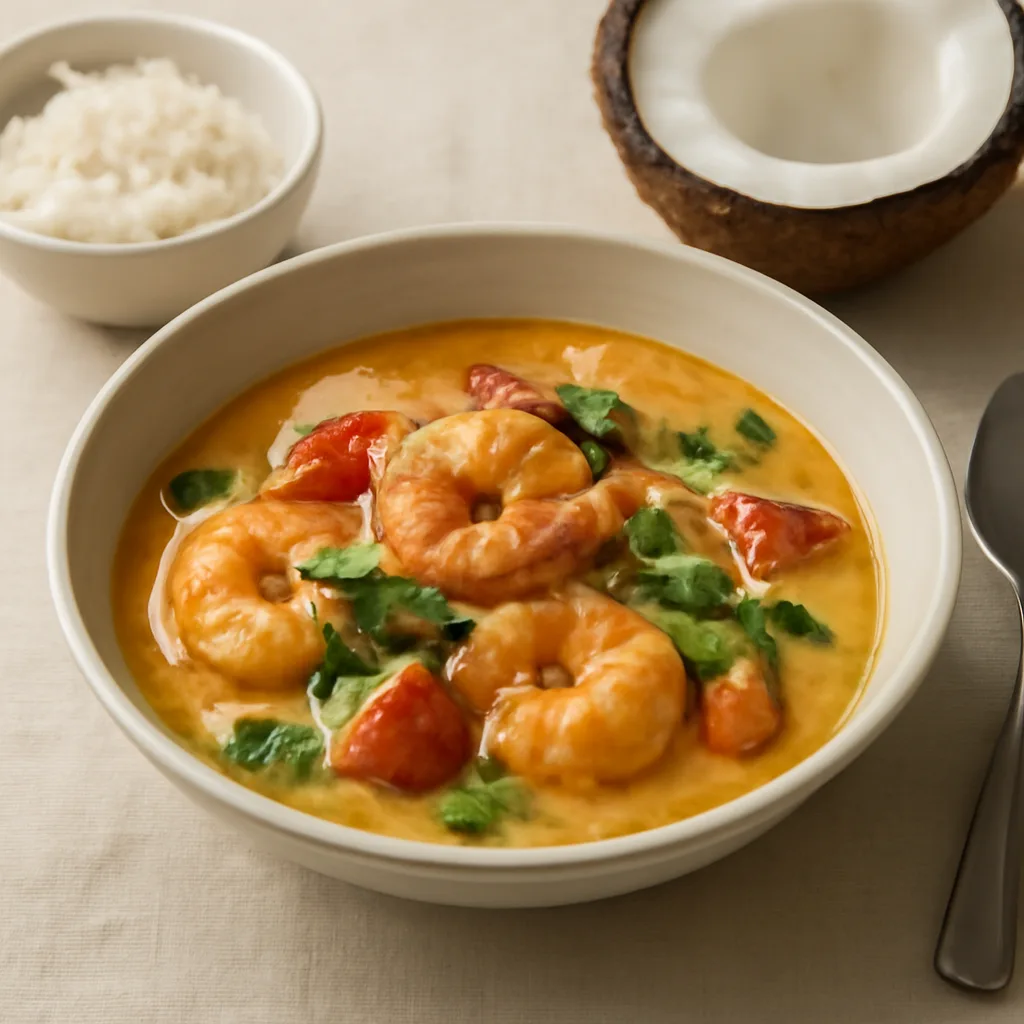
Shows dishes where this ingredient is a representative ingredient, sorted by view count.