Ingredient Encyclopedia
Check the characteristics of the ingredients and how to use them in cooking.
Mushrooms
7
16
Mushrooms encompass edible fungi that include caps and stalks, and flavors, moisture, and chewiness vary greatly by type. In stir-frying and grilling they contribute a meatier texture, while in soups they add umami and aroma. Even within the same “mushroom” category, varieties with strong aromas like shiitake and milder ones like button mushrooms benefit from different cooking directions. Most mushrooms contain a lot of water, so when added to a pan moisture will come out first, and only after the moisture evaporates will they start to brown with frying. If a deep fried aroma is desired, cook with a broad, spread-out pan rather than crowding it, and for a moist texture or for soups, avoid over-frying for too long. Since some mushrooms can be eaten raw and others require appropriate cooking methods, check the intended use and condition of the mushrooms you purchased before use.
Taste and Texture
Mushrooms typically taste subtly earthy, nutty, and savory, with dried mushrooms like shiitake and porcini especially concentrated in aroma. Mild varieties such as button mushrooms and oyster mushrooms readily absorb flavors from other ingredients, making them well-suited to sauces and seasoned dishes. Textures range from thin, delicate enoki to flaky chanterelle-like textures, to firm, plump king oyster mushrooms. Many mushrooms become tender with long simmering, but delicate varieties can become soft and lose their presence if overheated.
Main uses
- Widely used to create a depth of flavor in dishes like fried rice, pasta, donburi, and chapchae by cooking down moisture. If mushrooms overlap in the pan, they’ll appear like they’ve boiled rather than fried, so separate them to achieve a brown surface.
- In soups such as miso soup, hot pots, stews, and ramen, mushrooms add soft texture and umami. For clear broths, it’s safer to choose milder fresh mushrooms rather than strongly scented shiitake.
- For grilling and skewers, king oyster and button mushrooms which retain shape are suitable. Lightly oil the surface and cook quickly over high heat to minimize moisture loss and develop grilled aroma.
- Minced mushrooms are mixed into dumpling fillings, meatballs, sauces, and vegetarian fillings to add moisture and chew. If added while very moist, meat fillings can become watery, so if needed, fry them first to cool before use.
Preparation tips
- If soil or debris is visible on the mushroom surface, brush it off with a dry brush or paper towel. Soaking for a long time can leave surface moisture and slow browning, so if you rinse, dry thoroughly before using.
- Trim and discard hard or dry bases, and cut into evenly sized pieces to ensure uniform cooking. For mushrooms with a fibrous texture like shiitake, tearing by hand increases the surface area for seasoning and enhances natural texture.
- Soak dried mushrooms until soft, then use. The soaking water may contain sand or fragments, so carefully skim the clear portion to use in broths or sauces to impart aroma.
- Because salt can draw moisture from mushrooms, aim to season after the surface has browned for a crisp fry. If you’re making a sauce that relies on the mushroom juices for moisture, early seasoning isn’t strictly necessary.
Cooking characteristics
- When you add mushrooms to a hot pan, moisture will initially evaporate and the bottom may become wet. At this stage, avoid too low heat or overcrowding; use medium-high heat and a wide cooking area to develop fried aroma.
- After moisture reduces, the mushroom surfaces brown and the aroma becomes more nutty. At this point, adding butter, soy sauce, or strong-flavored ingredients like garlic enhances depth, but too much salty seasoning can mask the mushroom’s own flavor.
- Mushrooms added to broth soften and absorb the broth’s flavor. To keep delicate mushrooms' texture, add them at the end; if using for aroma extraction like shiitake, add earlier.
- Mushrooms pair well with acidic ingredients or cream sauces, but if the sauce is too thin, excess moisture from the mushrooms may be the cause. Sauté the mushrooms separately to reduce moisture before combining with the sauce, or simmer the sauce first to thicken.
Good combinations
- Garlic, scallions, onions, pepper, soy sauce, and sesame oil are familiar pairings that bring out the mushroom’s nutty, savory character. For delicate mushrooms, avoid overusing garlic or sesame oil, as it can overpower the mushroom aroma; use less.
- Butter, cream, and cheese add richness to roasted mushrooms or pasta, and a touch of lemon juice or vinegar can balance richness. If the acidity is strong, the mild mushroom aroma may be less noticeable.
- Beef, chicken, tofu, and egg help connect the savory notes between ingredients. In soups, kombu or anchovy stocks and vegetable stocks also pair well.
- Strongly scented varieties like shiitake or dried mushrooms require only a small amount of soy sauce, porridge, or braising to stand out. In milder dishes like light sauces or clear broths, milder mushrooms like button or king oyster are more balanced.
Points to consider when substituting
- Substitutions depend on the role mushrooms play in the dish. For fried or sautéed dishes needing bite, you can use thick-sliced button mushrooms or firm tofu in place of king oyster, but tofu will differ in moisture and aroma, so removing moisture beforehand is advisable.
- For broths or braises that rely on shiitake’s strong aroma, dried mushrooms can be replaced with other dried mushroom varieties. Since aroma strength varies, start with less than the recipe calls for and add more to taste.
- For stir-fries that use the shreddable texture of enoki, other enoki varieties or thinly sliced king oyster can work well. However, king oyster is firmer and milder, so results may differ in lightly seasoned dishes.
- If you added mushrooms for moisture and volume to sauces or dumpling fillings, you can use some shredded zucchini, eggplant, or onion. These ingredients don’t share the same aroma and may release more moisture, so it's safer to sauté them first to control moisture.
Ingredients commonly used together in actual dishes
Aggregated based on the co-occurrence count of representative ingredients in public dishes registered in CookPagoda.
Dishes that use this ingredient
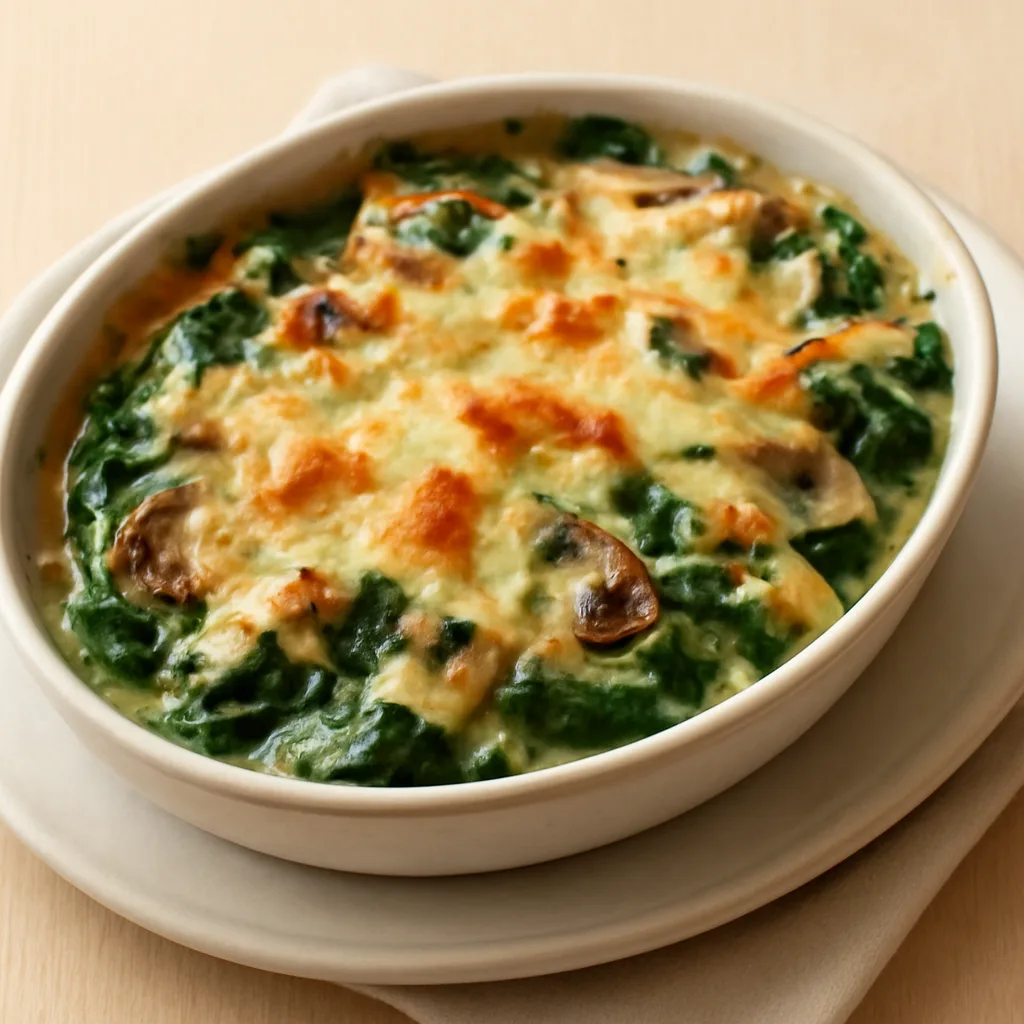
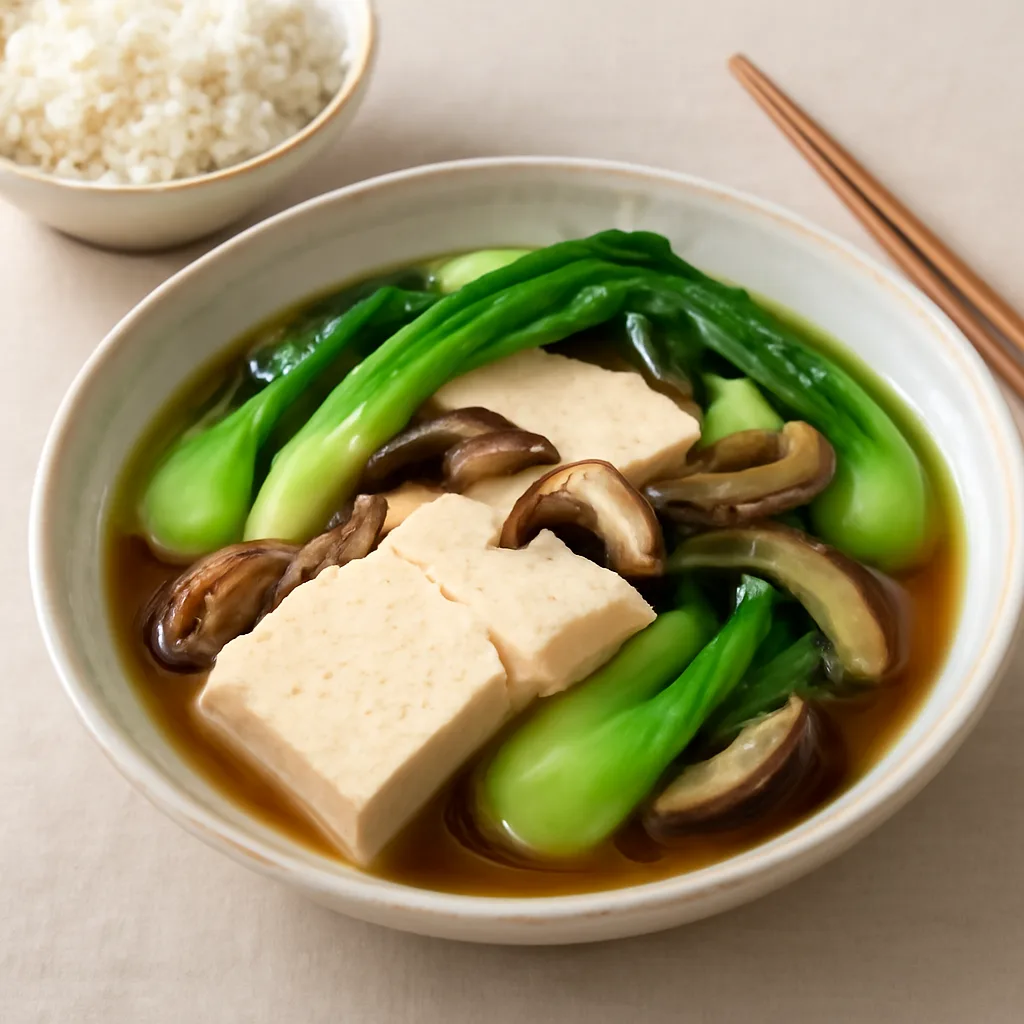
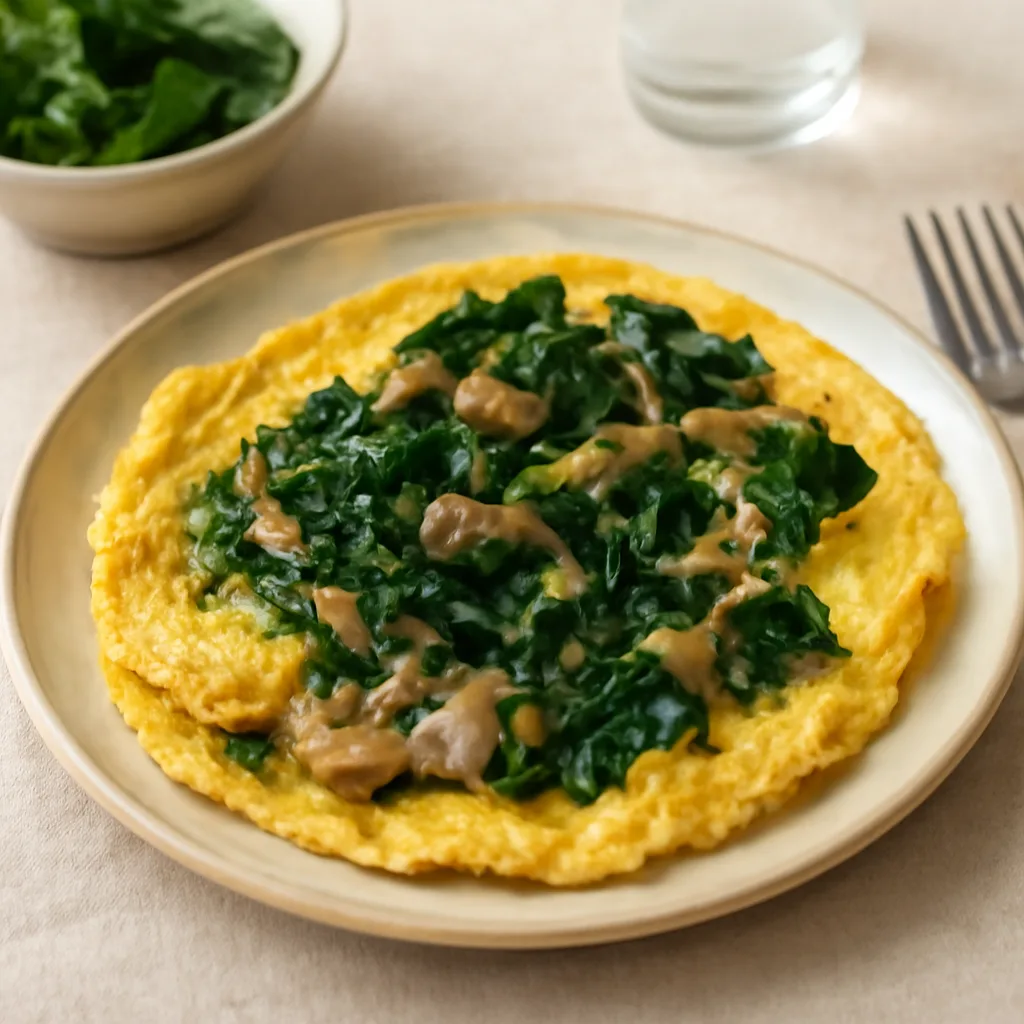
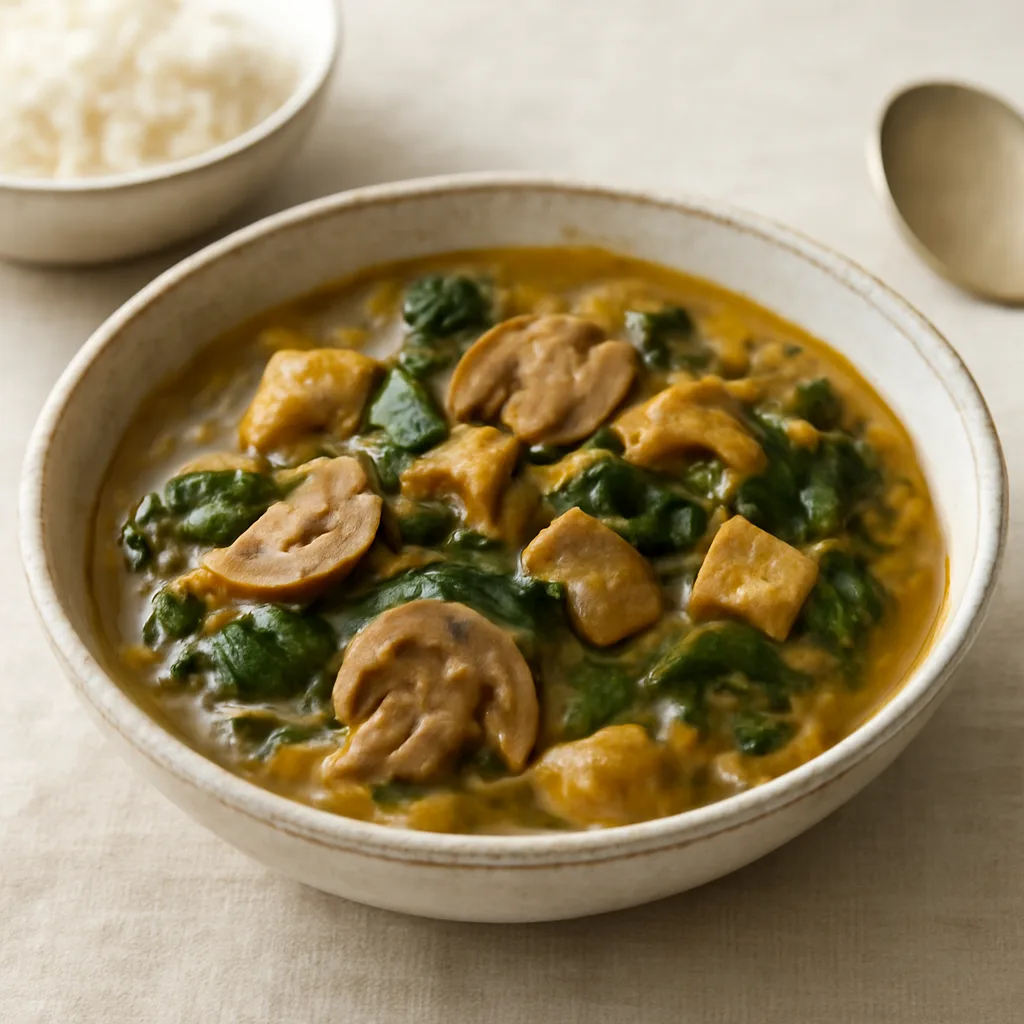
Shows dishes where this ingredient is a representative ingredient, sorted by view count.