Ingredient Encyclopedia
Check the characteristics of the ingredients and how to use them in cooking.
Duck
1
3
Duck is richer in flavor and fat than chicken, and the level of finished doneness depends greatly on how you handle the meat and skin. Breast meat benefits from relatively short cooking to stay moist, while legs and wings, which are more active parts, become tender when cooked longer. The fat under the skin renders during roasting or pan-frying, and can be used for sautéing vegetables or potatoes, but if left too much, the sauce can become heavy and greasy, so it’s best to skim off some of it halfway. There are many methods, such as smoking, roasting, traditional boiled stews (baek-suk), stir-frying, and hot pot, and the core is to adjust salt and cooking time according to the part and processing state. Duck should be cooked until the center is fully heated to confirm doneness. In particular, with bone-in portions, monitor not only the color of the meat but also the thickest parts around the joints, and if the juices are too red or the meat feels cold, cook longer.
Taste and Texture
Duck has a strong aroma and rich fat flavor, with a more pronounced presence of flavor than chicken. When properly roasted, the skin can be crisp and nutty, but if rendering is insufficient, the texture may be chewy and oily. Breast meat has a relatively dense grain with good elasticity, while leg meat has a deeper flavor and firmer texture. Simmering or braising for a long time loosens the connective tissue in the leg meat and makes it tender, but doing the same to the breast meat for too long can make it dry and tough.
Main uses
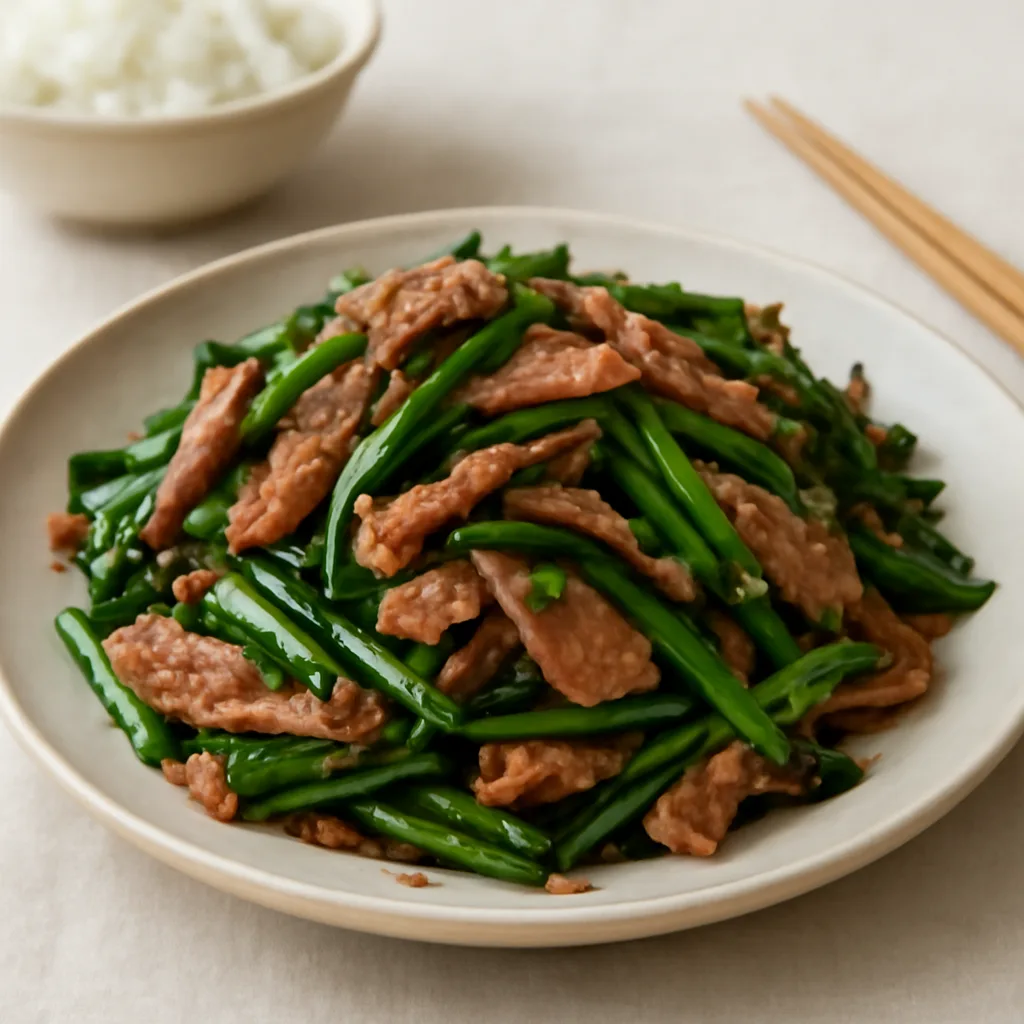
- Thinly sliced duck with salt and pepper or soy-based marinade works well for grilling or stir-frying. First cook the skin-side in a pan, then use the rendered fat to sauté onions, chives, and mushrooms to reduce the need for additional oil.
- Smoked duck is often pre-cooked, so it’s best to briefly warm it to revive aroma and temperature. If you fry it on high heat for too long, the fat may render excessively and the meat can become tough and salty.
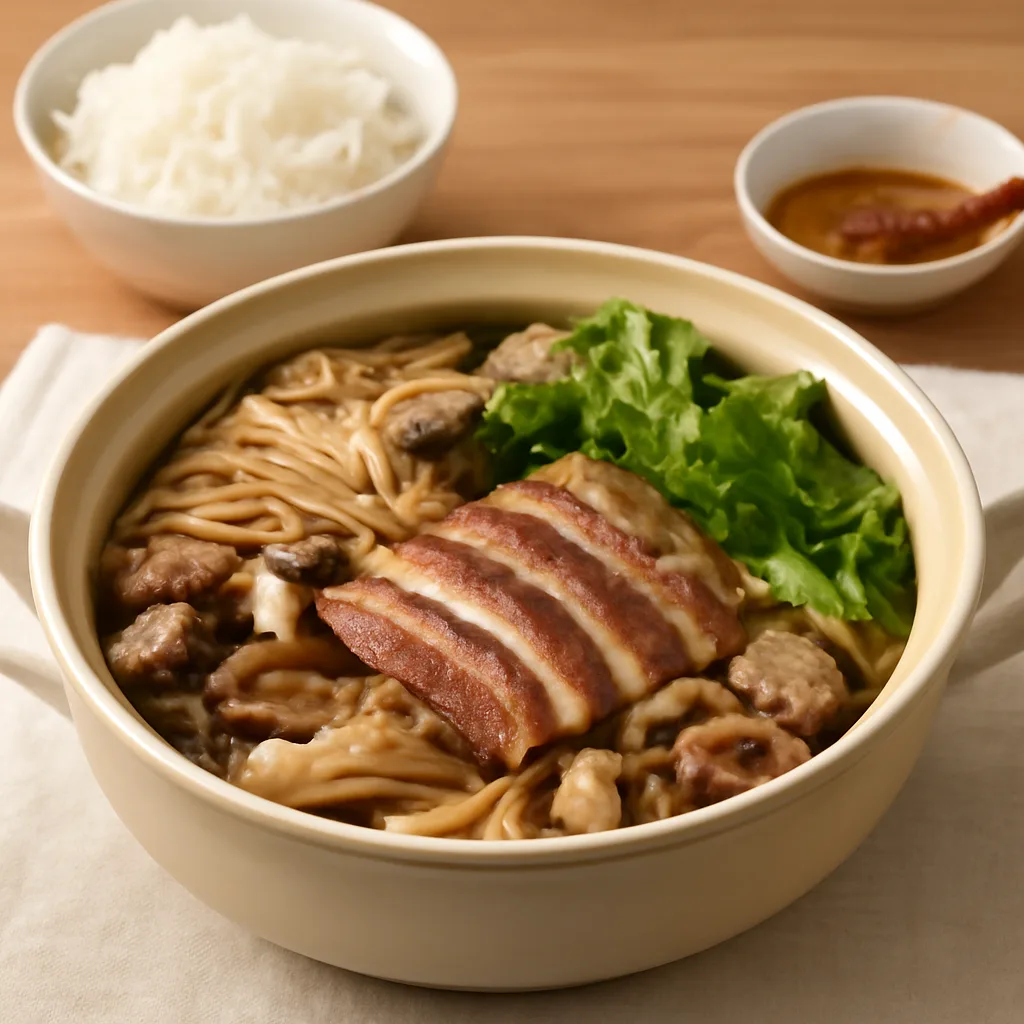
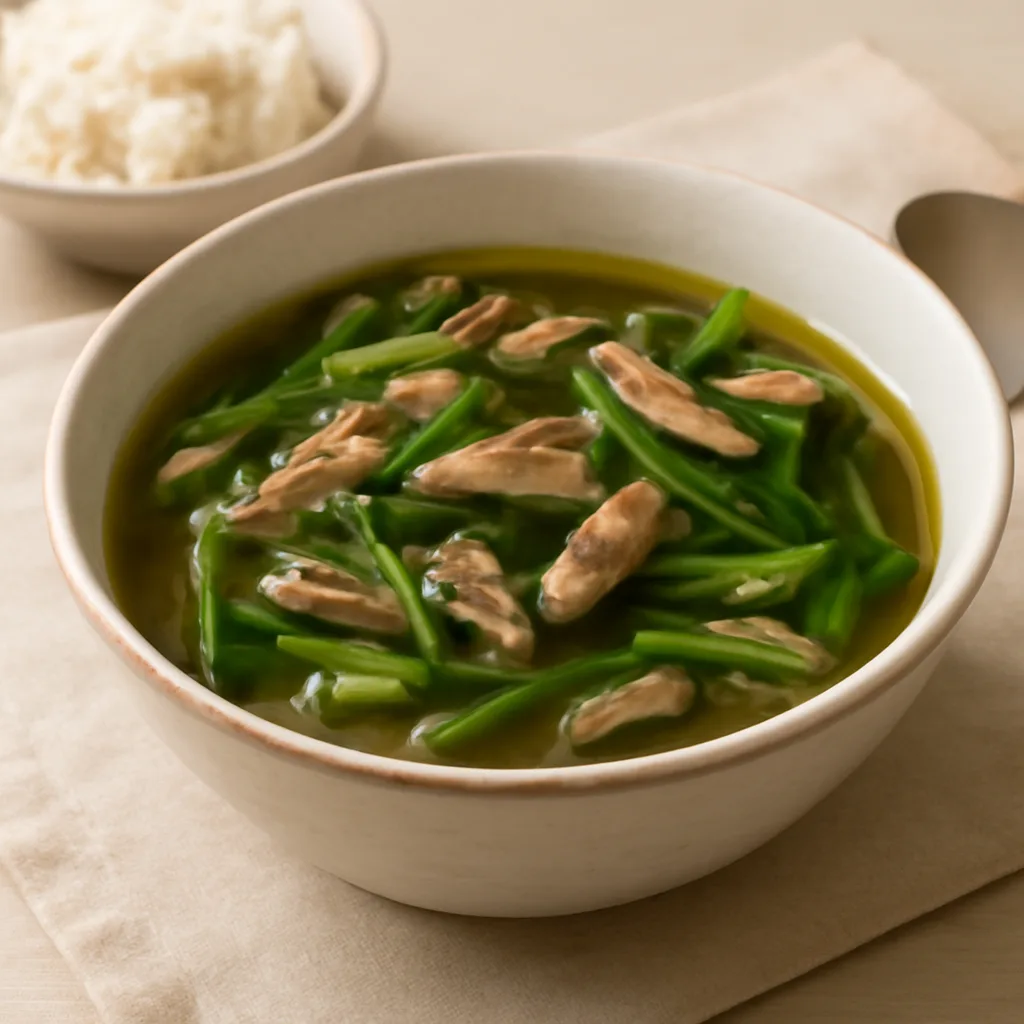
- Boned duck parts can be used for soups, baek-suk (boiled chicken soup), or hot pots. If fat floats on the surface of the broth, skim once and balance the flavor with vegetables or grains.
- Leg meat is suitable for long braising or roasting in the oven. When the meat easily pulls apart with a fork, it is a sign of doneness, but if the broth reduces too quickly, add a bit of water or broth to prevent burning.
Preparation tips
- Take the raw duck out of the package and pat dry the surface thoroughly with paper towels to remove excess moisture. A dry surface helps minimize poaching-like cooking and improves browning of the skin.
- For skin-on breast meat, do not cut deeply into the meat; score the skin and fat in a crisscross pattern. The fat will render between the cuts, but if you cut into the meat, the juices will escape and the breast may dry out.
- If the thick parts are cold, let them sit briefly before cooking so the inside and outside cook more evenly. Do not leave at room temperature for too long; cook as soon as ready.
- Smoked duck can be quite salty and aromatic, so taste a piece before seasoning. If too salty, pair with unsalted vegetables, mushrooms, or tofu to dilute the salt rather than relying on soy sauce-based seasoning.
Cooking characteristics
- Roasting duck with the skin on from a cold pan or low heat allows the fat to melt slowly. If there’s too much oil in the pan, spoon some out and finish the skin over higher heat to reduce sogginess.
- Breast meat should color the surface quickly and avoid excessive heat to preserve texture. If it’s too hard and lacks juiciness after cutting, consider thicker slices or resting time next time.
- Leg meat and bone-in parts tend to tenderize with gentle simmering or covered cooking. If the broth boils vigorously, the surface tightens and becomes cloudy, so keep a gentle simmer.
- Duck fat has aroma but low smoke point; if heated too long, it can develop a burnt taste. When brown bits on the bottom darken, lower the heat or add a little water, broth, or acidic ingredients to balance the burnt flavor.
Good combinations
- Chives, onions, garlic, and ginger complement duck’s strong aroma and fat; in particular, the bright aroma of chives pairs well with roasted or stir-fried dishes.
- Moist ingredients like radish, napa cabbage, and mushrooms help balance the heaviness of duck fat in soups and hot pots. For roasting, cook these separately to keep the skin crispy.
- When using savory condiments like soy sauce or doenjang, add a little acidity with vinegar, yuzu, or citrus to prevent the flavors from feeling heavy. Too much acidity early can slow browning or sharpen the seasoning.
- Pepper, star anise, and other strong aromatics should be used sparingly; for strongly scented duck products like smoked duck, balance with vegetables and acidity instead of layering more spices.
Points to consider when substituting
- For a substitute in grilling or frying to mimic the rich flavor and fat, skin-on chicken thigh meat is a safe choice. Note that chicken has less fat and lighter aroma, so the rendered flavor and amount of fat will not be the same.
- In soups or hot pots, you can use bone-in chicken parts like thighs or wings, but the broth may feel lighter; supplement with mushrooms, scallions, and garlic, but there is no need to add fat by default.
- If you must replace smoked duck, consider smoked chicken or cooked pork, but saltiness and smoky flavor vary greatly by product. For fried rice or salads that are mixed quickly, start with less seasoning and adjust at the end.
- For dishes where crispy skin and rendered fat are essential, replacing with skinless meat is difficult to achieve the same result. In such cases, it is more practical to shift toward other methods like seasoned stir-fry or braising instead of aiming for crispness.
Ingredients commonly used together in actual dishes
Aggregated based on the co-occurrence count of representative ingredients in public dishes registered in CookPagoda.
Dishes that use this ingredient
Shows dishes where this ingredient is a representative ingredient, sorted by view count.