Ingredient Encyclopedia
Check the characteristics of the ingredients and how to use them in cooking.
Chives
2
6
Chives are a long, flat-leaved vegetable with a subtle garlic and onion aroma. They are good to use raw as a garnish or briefly cooked to enhance fragrance. The stems are thin but contain moisture, so in dishes with short cooking times like salads, pan-fried dishes, or quick stir-fries, their presence shines. When chives themselves are the main ingredient, such as in chive pancakes or chive namul, it is better to handle them to preserve fresh aroma and crisp stems. Conversely, for soups, stews, or mandu filling, add at the end to boost aroma like scallions, but if simmered for too long, the color dulls and the texture becomes softer than desired. When cleaning, trim any leaf tips that are dried or yellowed, and rinse the dirt from the base well. After washing, if there is a lot of moisture remaining, the dressing for namul may become too thin and the batter for pan-fried dishes may become loose, so it is practical to pat dry or lay flat to dry before use.
Taste and Texture
Chives have a sharpness close to scallions with a fresh, garlicky aroma. When eaten raw, they taste bright with a vivid aroma. The stems are a bit crisper, while the leaves are tender to chew. Heat mellow the sharpness and reveal a rounding sweetness, but the aroma fades quickly. When the pan turns a deep green and starts to wilt, that is a sign they are cooked through; unless a softer texture is essential for the dish, it's better to remove from heat then.
Main uses
- Chives are used in seasoned salads or kimchi-like namul and as a side to fatty meat dishes with soy sauce, gochugaru (red pepper flakes), or vinegar. Flavor may become milder if moisture develops after the seasoning, so if crispness is important, add just before serving.
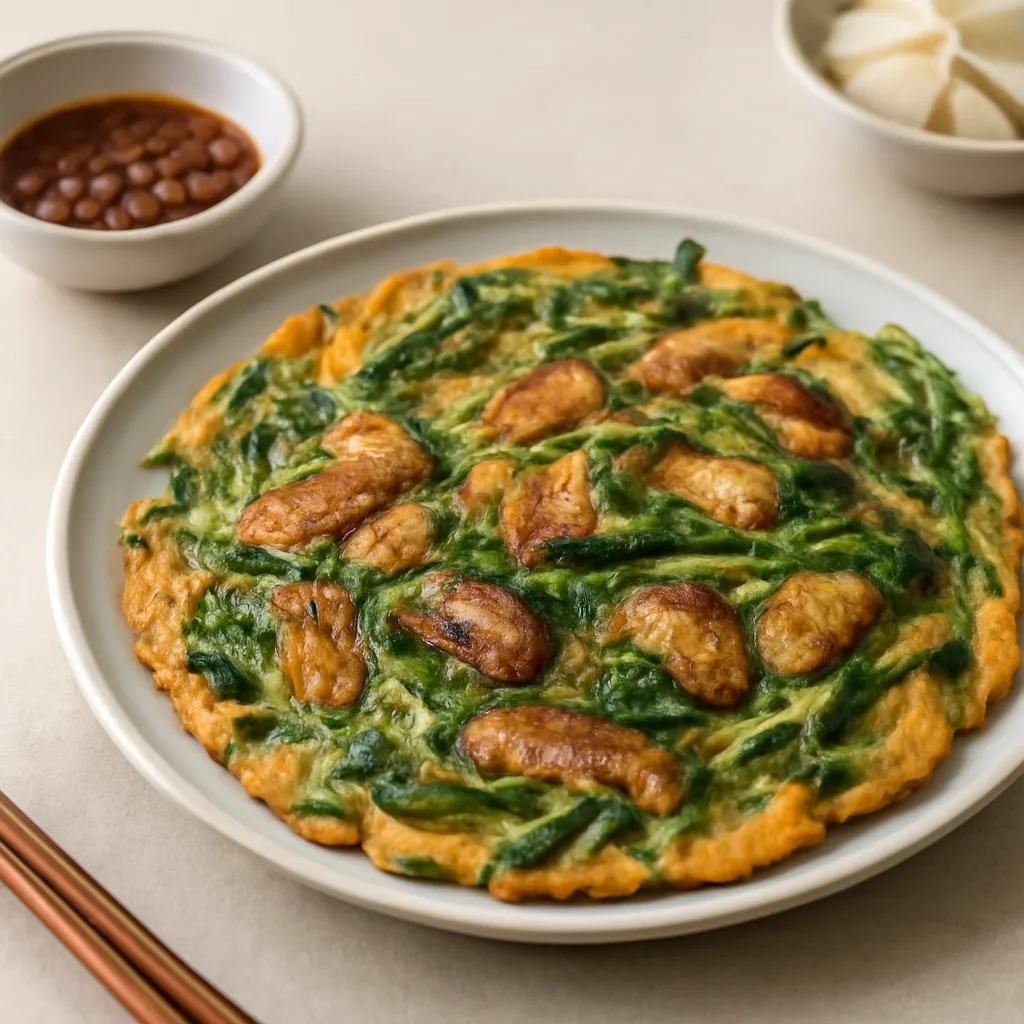
- In jeon (pancakes) and buchim (pan-fried dishes), add with seafood, pork, or kimchi to enhance aroma and green color. If chives are too long, the edges may burn or escape from the batter when turning, so cut to fit the pan and mix accordingly.
- For dumplings, dumpling fillings, japchae, or fried rice, finely chop and add to create a different aroma from garlic and scallions. When adding to sauces, too much salt or seasoning too early can cause chives to release water, so adjust seasoning first and mix in late.
- In doenjang soup, clear soups, kalguksu (hand-cut noodles), or stews, add at the end to use as a fresh herb. If you want a soft texture even after longer simmering, this works, but if you want a vivid green color and aroma, it's better to turn off the heat and add it.
Preparation tips
- Trim the base flat, rinse dirt from between the leaves and near the roots under running water. Since leaves bruise easily, rinse several times and remove excess moisture rather than soaking for a long time.
- For namul, cut into about 4–5 cm pieces for easy bite-sized portions, and for jeon or stir-fry, cut to match the size of other ingredients. If cut too short, the aroma will spread evenly but the characteristic chive texture may be less noticeable.
- When using for namul, gently toss with seasoning rather than massaging hard, as leaves may droop quickly and water may pool in the serving dish, leading to over-mixed seasoning; next time, add seasoning in portions and mix briefly.
- For dumpling fillings or stir-fry, thoroughly drain the chopped chives' moisture. If the filling becomes runny, it may be due to the chives releasing water and salt; instead of adding a lot of breadcrumbs or similar fillers, add the chives later or reduce moisture-rich ingredients to minimize flavor alteration.
Cooking characteristics
- On a hot, high-heat pan, chives wilt very quickly. Once the oil is hot, add and flip briefly to preserve aroma and color; if moisture accumulates and boils, you may have added too much at once, so cook in batches.
- In pancakes, chives soften as they mix with the batter. If the edges burn too much while the center remains wet, the heat is too high or the batter is too thick; reduce to medium heat and spread thinly.
- In soups, the heat will cook them quickly enough to release aroma into the broth. Rather than clouding the broth, it's often preferable for the fresh aroma to remain, so for finishing, turn off the heat and add at the end.
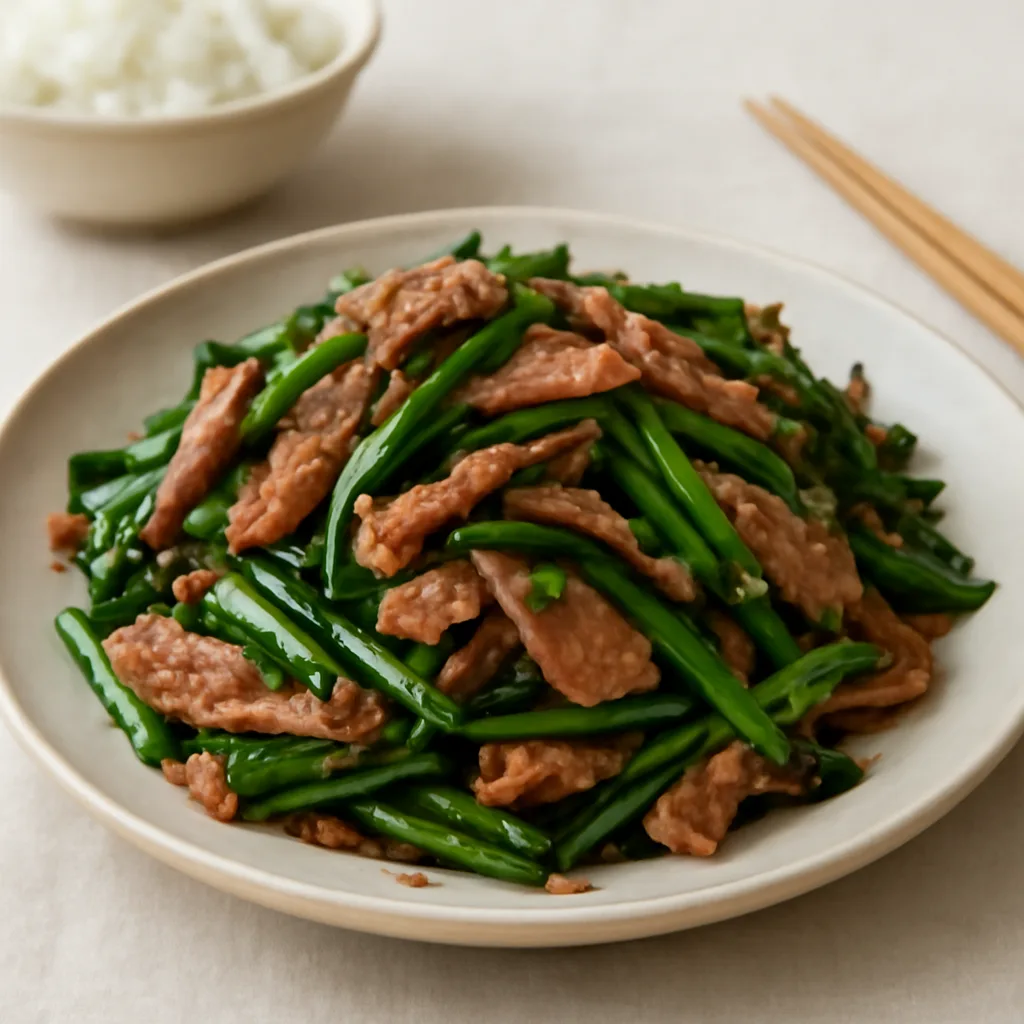
- When stir-frying with fatty meats, chives pair well with the meat's oil, but if cooked together for too long from the start, the leaves turn brown and the aroma dulls. It is generally better to cook the meat first to render fat and adjust seasoning, then add the chives.
Good combinations
- With meats rich in flavor and fat like pork, beef, or seafood, chives help tighten the overall taste with their sharp aroma. If you want to preserve the delicacy of milder white-fleshed fish, reduce the amount or add only a tiny amount at the very end.
- Eggs, tofu, glass noodles, and mushrooms pair well with chives to complement their aroma in pancakes, stir-fries, or dumpling fillings.
- Soy sauce, sesame oil, chili powder, vinegar, or salted shrimp pair well with chives. If vinegar is strong, the chives wilt quickly, so for dishes that won’t be eaten immediately, adjust vinegar or add it right before serving.
- Chive pancakes are commonly paired with squid, shrimp, or kimchi for texture and flavor, though this is a common pairing in cooking; if you want crunchier results, reduce the amount of moisture-rich ingredients and adjust batter consistency accordingly.
Points to consider when substituting
- If you just want aroma, green onions (scallions) can be a close substitute, but their stems are thicker and the texture of aroma differs. They can be a natural substitute for soups or stir-fries, but for chive-based pancakes or namul, substituting with the same amount may change the texture.
- Garlic shoots can be used as a substitute in stir-fries, but they are firmer and take longer to cook, so they are not ideal to add at the very end like chives. It is better to fry them first to soften, then combine with other ingredients.
- The green parts of scallions can supplement aroma in soups or stir-fries, but they cannot reproduce the delicate, thin, tender leaf texture of chives. For dishes with a lot of chives like chive pancakes or dumpling fillings, you may need to adjust moisture and cooking time in the recipe along with a substitution.
Ingredients commonly used together in actual dishes
Aggregated based on the co-occurrence count of representative ingredients in public dishes registered in CookPagoda.
Dishes that use this ingredient
Shows dishes where this ingredient is a representative ingredient, sorted by view count.