View recipes
Check the reference data for the selected food.
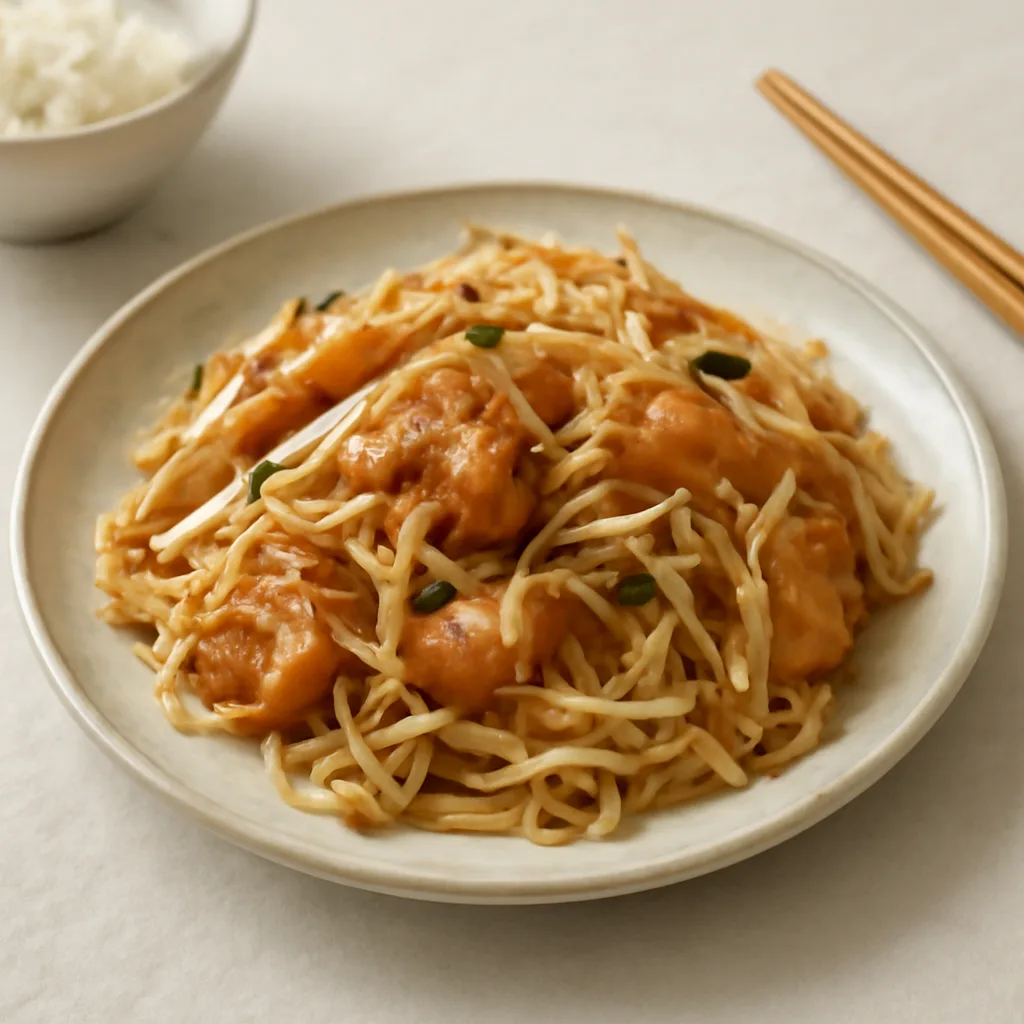
Pork Belly and Bean Sprout Stir-Fry
Pork belly and bean sprout stir-fry is a dish where savory pork belly pairs with crunchy bean sprouts and fragrant chives. The sweetness of onions adds depth, making it rich in flavor and quick to prepare, making it a great pairing for drinking.
Main Ingredients
Related Themes
10
View0
Like1
AI recommendations0
CreatedAbout this recipe
Sesame pork and bean sprout stir-fry is a quick stir-fry dish that uses the rendered fat from the pork belly to sauté onions for natural sweetness, briefly cook bean sprouts and chives, and finish. Even with few ingredients, the savory richness of the meat, the crisp, refreshing moisture of bean sprouts, and the aroma of chives create a contrast that makes it a good accompaniment to alcohol. Although cooking time is about 15 minutes, once the bean sprouts release water the pan temperature drops quickly and the texture can become mushy. Therefore, it’s well-suited to first fully cooking the pork belly to render fat and flavor, then handle the vegetables quickly at high heat as needed. Because the dish centers on the fatty flavor of pork belly, it may feel a bit heavy when you want a lighter side dish. In that case, rather than reducing the meat amount, increasing the proportion of bean sprouts and onions helps adjust the balance of a one-pan dish to be comparatively lighter.
Taste and Texture
Well-cooked pork belly has a crisp, nutty edge, and onions add a soft sweetness. Bean sprouts have crisp stems, and chives release a bright aroma when added at the end. The degree of finish depends greatly on the bean sprouts. A short cook before the stems turn translucent keeps a lively texture, but longer stir-frying releases moisture and shifts toward a moist, tender overall texture.
Key to making it delicious
- Cook pork belly by spreading it widely in the pan until the edges are golden brown to maximize the savory fat flavor, and if too much moisture pools from the meat, avoid crowding and cook in batches.
- Add onions to the pork fat first, cooking until the edges become slightly translucent to naturally enhance sweetness; if you cook until a strong browning occurs, sweetness may overpower the fresh taste of the bean sprouts.
- Before adding bean sprouts, shake off as much moisture as possible. If water droplets fall into the pan, it’s more like steaming than stir-frying, so after washing, drain on a sieve to remove surface moisture before use.
- Add bean sprouts and chives at the end when the pan is hot enough, and toss quickly. If the white stalks of the sprouts are still firm and the chives are only just releasing their aroma, turning off the heat is sufficient to finish cooking with residual heat.
Common mistakes
- If you add bean sprouts too early and stir-fry too long, water can pool on the pan bottom and the stems can become soggy. Cook the meat and onions to your desired doneness first, then add the bean sprouts at the end for a short stir-fry.
- If you layer pork belly in the pan, it may braise in moisture rather than brown, weakening flavor and aroma. If the pan is small, split the meat into two batches, cook, then combine again before adding vegetables.
- Stir-frying chives from the start can dull aroma and make colors look dull. Add chives just before turning off the heat to lightly wilt with residual heat.
- If you leave all the pork fat in the pan, bean sprouts can taste too oily. If the pan is heavily oily, pour off only some before adding vegetables, but leave enough to sauté the onions.
Application Ideas
- If you want a spicy flavor, after the pork belly is browned briefly add chili powder to release its aroma in the fat, then add onions and vegetables; if the chili powder starts to burn, immediately add the next ingredients or lower the heat.
- If the chive aroma is too strong, reduce the amount of chives and add a bit more onion. However, as the onion increases moisture, sauté it well to evaporate surface moisture before adding the bean sprouts.
- For a lighter texture, reduce some of the pork belly and increase the bean sprouts. If fat from the meat becomes too little, the onions may not sauté well, so when the pan dries, add a small amount of cooking oil.
- If you want a simple one-dish meal, you can serve it on top of fried rice or alongside noodles. In this case, cook the bean sprouts less than usual to create contrast with the softer texture of rice or noodles.
Pairing ideas
- As soon as it’s finished, spread on a wide plate to reduce residual heat cooking the bean sprouts, preserving their crispness.
- When the pork fat feels very rich, accompany with tangy sides like kimchi or a light pickled side to balance flavors.
- When served as a snack, cut the pork into bite-sized pieces and stir-fry so the bean sprouts and chives mix evenly among the meat, making it easy to pick up.
- If serving with rice, serve immediately after cooking so the sauce doesn’t soak into the rice excessively, and quickly wick away any excess moisture from the pan with high heat before finishing.