Ingredient Encyclopedia
Check the characteristics of the ingredients and how to use them in cooking.
bean sprout
1
2
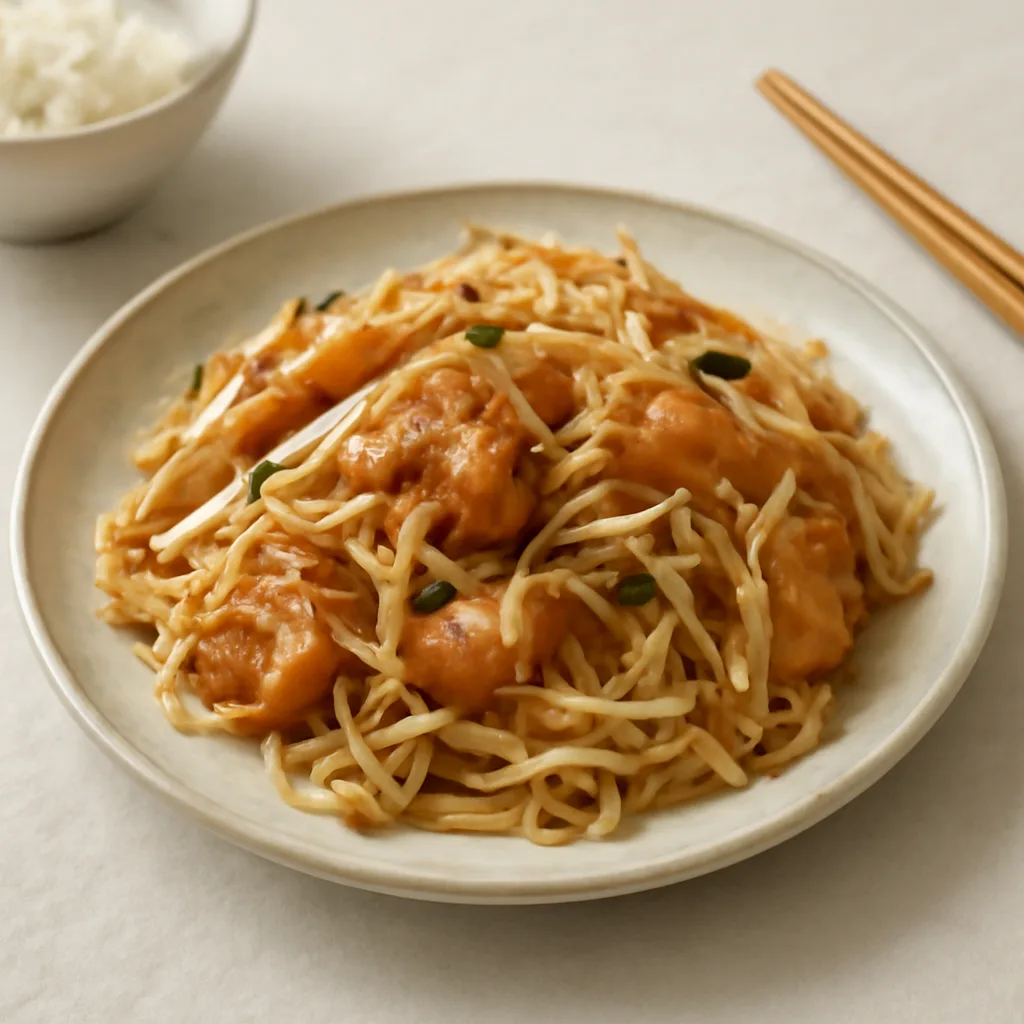
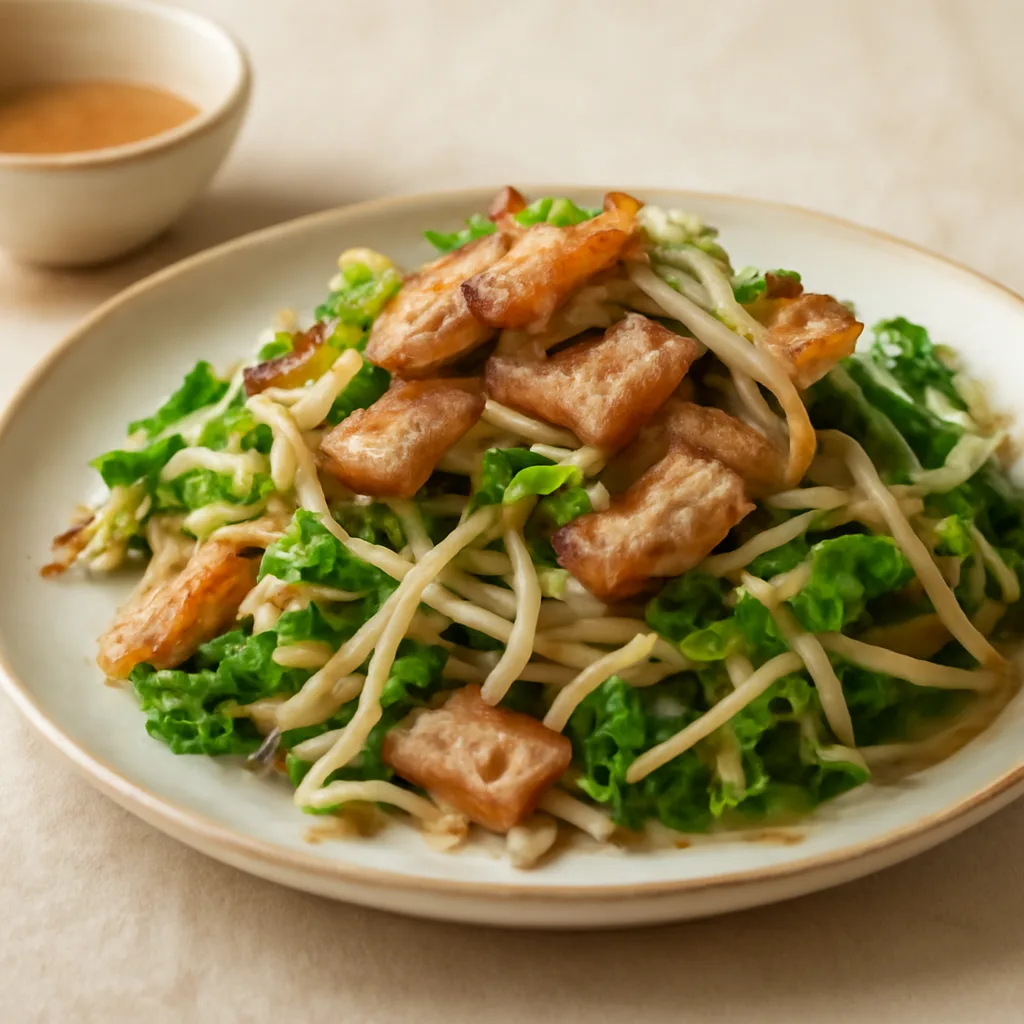
Sprouted mung bean sprouts are a vegetable grown from mung beans, and in Korean cuisine they are used to add a fresh crispness and light moisture to soups, stews, stir-fries, and salads. The stems are soft and hollow, so they hold seasonings and broth well, but overcooking makes them soft and release a lot of water. The key to preparation is short cooking time and proper moisture management. If you blanch them briefly in hot broth to just wilt them or stir-fry quickly on high heat, the crisp texture remains. Conversely, for rich-seasoned stir-fries or long-simmered stews, sprouts can dilute flavor and become mushy, so add them at the end or use less quantity. They are widely used in sprout soup, as a vegetable with bibimbap, in chapchae or various stir-fries. For recipes like sprouts salad where the texture of the ingredient itself is highlighted, after blanching be sure to squeeze out the remaining moisture thoroughly for best flavor balance.
Taste and Texture
The flavor is very mild and light, with a gentle grassy aroma and a nutty aftertaste characteristic of beans. It doesn’t have a strong scent, so it pairs well with clear seasonings like garlic, sesame oil, and red pepper powder, but if the seasoning is too strong, the fresh sproutiness can be overwhelmed. When raw, sprouts stay crisp and break nicely; when heated, they soften quickly. As the stems turn translucent and shrink in volume, they are generally cooked to doneness, so it’s best not to cook further and instead remove them to check texture.
Main uses
- One of the 대표(typical) uses is lightly blanching sprouts and tossing them with garlic, salt, sesame oil, and sesame seeds. Add seasonings gradually after squeezing out moisture so the taste doesn’t become watery.
- In clear soups or hangover soups, add almost at the end to keep the stems crisp and to maintain cool moisture. If the broth is already salty enough, the sprouts may release more moisture, so season lightly before adding.
- In chapchae, fried rice accompaniments, and vegetable stir-fries, quickly stir-fry on high heat to lightly reset the oiliness of other ingredients. If the pan is crowded, frying can cause water to accumulate, so adding a large amount at once is not ideal.
- For bibimbap or rice bowls, place blanched sprouts as a separate topping to contrast the soft rice. If you leave it on hot rice for a long time, moisture may seep out, so add just before eating.
Preparation tips
- Choose only sprouts without yellowing, sliminess, or a strong unpleasant odor. Well-balanced sprouts have firm ends and crisp stems, making them less likely to lose texture after cooking.
- When preparing, rinse gently under running water several times and drain in a sieve. Soaking in water for too long can cause sprouts with high moisture to become mushy, so a brief rinse to remove soil or husks is appropriate.
- For sprouts salad, blanch in boiling water briefly just until the stems become slightly translucent. Since heat remains after blanching, remove when they are slightly firmer than desired to maintain crunch and spread them to cool.
- Prep for stir-frying just before cooking, and heat the pan well with oil before adding. When water begins to pool in the pan, rather than increasing the heat, temporarily remove sprouts to evaporate moisture and then return to reduce sogginess.
Cooking characteristics
- Sprouts rapidly shrink in volume and release moisture at the beginning of cooking. If the stems sag and water pools on the pan, overcrowding or low heat is likely, so stir-fry in batches or use high heat briefly.
- In soups, sprouts release moisture, making the flavor lighter. This is an advantage for clear soups, but in thick stews or sauces the dilution is noticeable, so add only a small amount at the end.
- Seasonings like salt and soy sauce can cause sprouts to release moisture. If crispness is important in stir-frying, season quickly after cooking and turn off heat immediately.
- When blanching sprouts for fresh preparation, over-kneading while hot can break stems and release water. Let them cool slightly before lightly tossing with seasoning to preserve shape and texture.
Good combinations
- Garlic, green onion, sesame oil, and sesame seeds enhance the sprouts’ mildness without overpowering it. In particular, with salads, limit sesame oil to a small amount to avoid making the light texture heavy.
- Pair well with soft, savory ingredients like beef, pork, tofu, and egg to create a contrast with the sprouts’ crispness. For rich meat stir-fries, add sprouts at the end to increase moisture.
- Chili powder, Thai peppers, and chili paste also suit them, but strong spicy seasonings can cause the sprouts to release water and thin the sauce. If so, lightly blanch and drain the sprouts separately, then mix at the end.
- When stir-frying with seafood like shrimp or squid, account for the moisture released by seafood. Cook seafood first, remove, then quickly stir-fry sprouts and combine to reduce water formation.
Points to consider when substituting
- If crisp texture is the goal, consider mung bean sprouts (different variety), cabbage stems, or bok choy stems as substitutes. However, bean sprouts have a more distinct bean flavor and texture at the tip, while cabbage and bok choy vary in cooking speed and moisture, so timing will differ.
- When the dish needs light moisture in soups or stews, mung bean sprouts can be a closest substitute. But their aroma is stronger, so reduce amount in clear, delicate broths.
- If the goal is simply to increase volume in a stir-fry, you can use cabbage or garlic chives. Cabbage stays sweet and holds shape even when fried longer, while chives have a strong aroma and wilt quickly, so they are not a direct substitute for sprouts.
- For a simple neutral salad similar to sprouts, blanched soybeans can be used, but it is hard to reproduce the slender stems and light crunch of sprouts. Adjust seasoning according to whether the cooking aims for texture or bean aroma.
Ingredients commonly used together in actual dishes
Aggregated based on the co-occurrence count of representative ingredients in public dishes registered in CookPagoda.
Dishes that use this ingredient
Shows dishes where this ingredient is a representative ingredient, sorted by view count.