Ingredient Encyclopedia
Check the characteristics of the ingredients and how to use them in cooking.
Leftover rice
1
2
Leftover rice is rice that has already been cooked and is reused as an ingredient for the next dish, especially suitable for fried rice, porridge, onigiri, and rice pancakes. The surface moisture has decreased compared to freshly cooked rice, and the grains tend to separate more easily, making it convenient for quick high-heat frying. If the grains are too dry or hard, it is better to loosen them a bit with a small amount of water or stock before frying. Conversely, if the rice is sticky and clumpy, spread it out to break up the chunks so the seasoning sticks evenly. Depending on the state of the leftover rice, decide whether to add water or to evaporate moisture.
Taste and Texture
The leftover rice itself is bland, and its chewiness and texture vary depending on the type of rice and the amount of water used when first cooked. As it cools, starches firm up, making it feel firmer and drier than freshly cooked rice. Rice where the grains are separated is good for achieving a fluffy, light texture when fried, while sticky rice suits dishes like porridge or rice pancakes that require cohesion. If you fry leftover rice for too long when it is too dry, the outer surface can become hard.
Main uses
- Fluffy, separated leftover rice is well suited for fried rice. If you first sauté vegetables or meat to reduce some of the moisture, then add the rice and fry briefly, you can prevent it from becoming mushy.
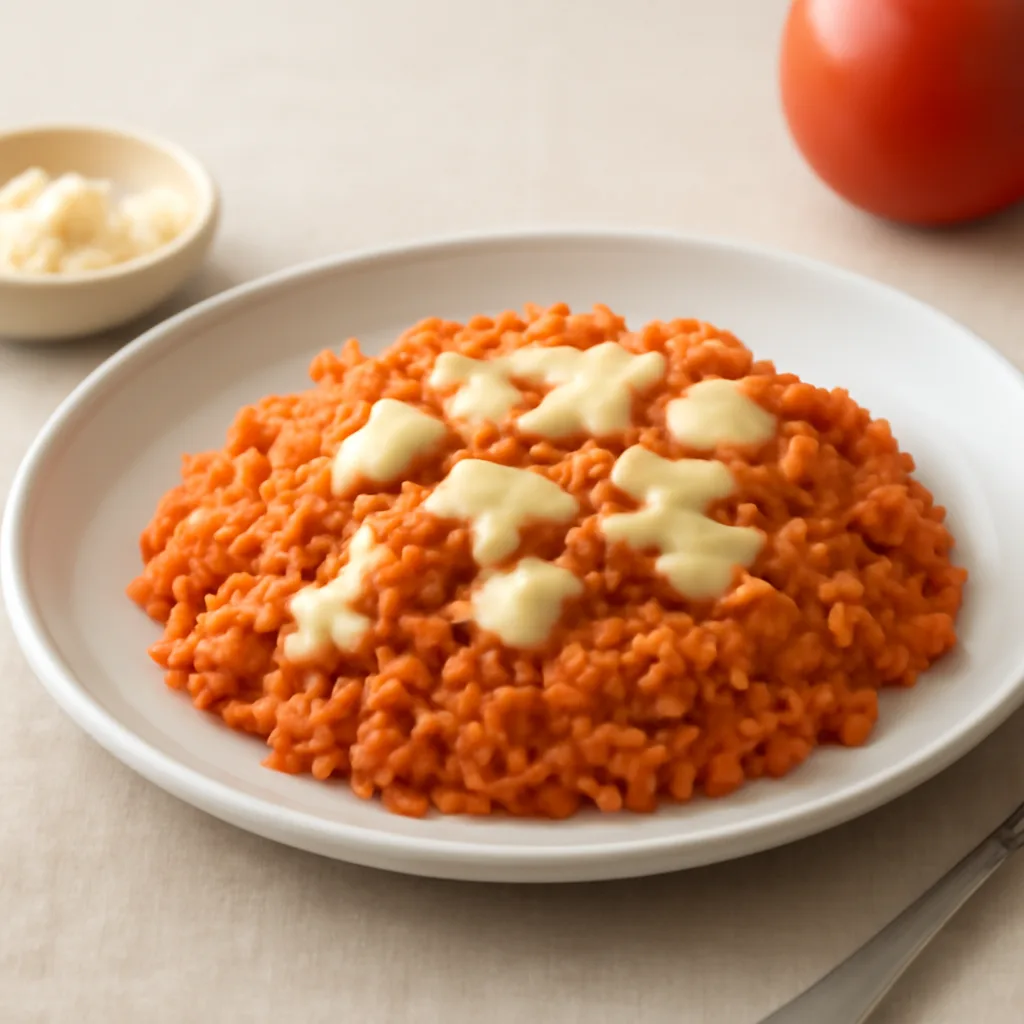
- For porridge or risotto-style rice dishes, use firmer rice simmered with broth or water. The grains loosen as they simmer, creating body, so adding a large amount of rice from the start can make it too dense.
- It can also be used for onigiri and the filling for sushi rolls. If the rice has cooled and stiffened, warm it slightly to make it pliable, then mix in seasonings to help it mold well.
- For dishes like rice pancakes or rice burgers where the grains are pressed together and cooked, sticky leftover rice is advantageous. If the grains spread too much, using binding ingredients like eggs, cheese, or mashed components can help hold them together.
Preparation tips
- Check the smell and surface condition of the rice before use, and gently loosen any clumped parts with your hand or a spatula. Forcing hard clumps apart can crush the grains and make fried rice gummy, so if needed, briefly warm to make it easier to loosen. For fried rice, spread the rice thinly on a wide plate or tray to separate the grains. If the surface moisture looks high, let it rest briefly to steam off some moisture before adding to the pan, so it won’t release too much moisture in the pan.
- When using for porridge, you often don’t need to rinse the rice beforehand. However, if you want a clearer porridge texture and the rice is too sticky, you can lightly loosen with a small amount of water to adjust excess starchiness.
- When adding liquids like soy sauce, gochujang, or sauce, pour them at the edge of the pan first to simmer and concentrate, then mix. If the seasoning is too runny when it touches the rice, the grains tend to clump easily.
Cooking characteristics
- When heated in a pan, the previously hard starch becomes soft again, but if heated for a long time without moisture, the outer surface of the grains can harden. Fried rice is best prepared by cooking ingredients first, then adding the rice and frying quickly and vigorously. If the rice does not spread out over the pan and stays in one lump, it may be because there is not enough moisture or space. If the pan is too full, divide and fry, or press the rice briefly to spread it and let moisture evaporate. Simmering with water or stock makes the grains absorb moisture and some loosen, creating a broth. Start with more liquid than you want in the final porridge and gradually add more to adjust the consistency. Frying with oil coats the surface of the grains, bringing aroma and separation. However, using too much oil can make the rice heavy and greasy, so when pairing with oily side dishes, reduce the amount.
Good combinations
- Ingredients that are easy to manage moisture and aroma, such as eggs, scallions, and onions, pair well with leftover rice fried rice. If vegetables release a lot of water, sauté them first to reduce moisture, then add the rice.
- Nori, sesame oil, and sesame seeds add aroma and richness to bland rice, making them suitable for onigiri or bibimbap-style dishes. Sesame oil is more effective toward the end rather than frying for a long time at high heat.
- When using in broth dishes, pair with chicken, mushrooms, tofu, or soft vegetables that complement the soft texture of the rice. If you add too much sourness or a very runny sauce, it may spread like porridge, so adjust portions.
- Spicy kimchi or gochujang sauces enhance hearty and bland rice, but if there is too much kimchi liquid, the fried rice can become soggy. Chop the kimchi finely and sauté first to evaporate moisture.
Points to consider when substituting
- If there is no leftover rice for fried rice, you can spread freshly cooked rice wide and remove enough steam before using. However, freshly cooked rice with high moisture will stay stickier and clumpier even with the same method, so for a fluffy result, shorten cooking time and avoid overfilling the pan. In porridge or soup rice dishes, instant rice or freshly cooked rice can be substituted. Depending on the product or rice moisture, adjust the amount of water or stock, adding liquid gradually while checking the consistency. For dishes where binding of the grains is important, like rice pancakes or onigiri, sticky short-grain rice can be a substitute. In contrast, long-grain rice that tends to separate may be suitable for fried rice but without a binding ingredient it can be harder to mold.
Ingredients commonly used together in actual dishes
Aggregated based on the co-occurrence count of representative ingredients in public dishes registered in CookPagoda.
Dishes that use this ingredient
Shows dishes where this ingredient is a representative ingredient, sorted by view count.