Ingredient Encyclopedia
Check the characteristics of the ingredients and how to use them in cooking.
Tomato sauce
1
2
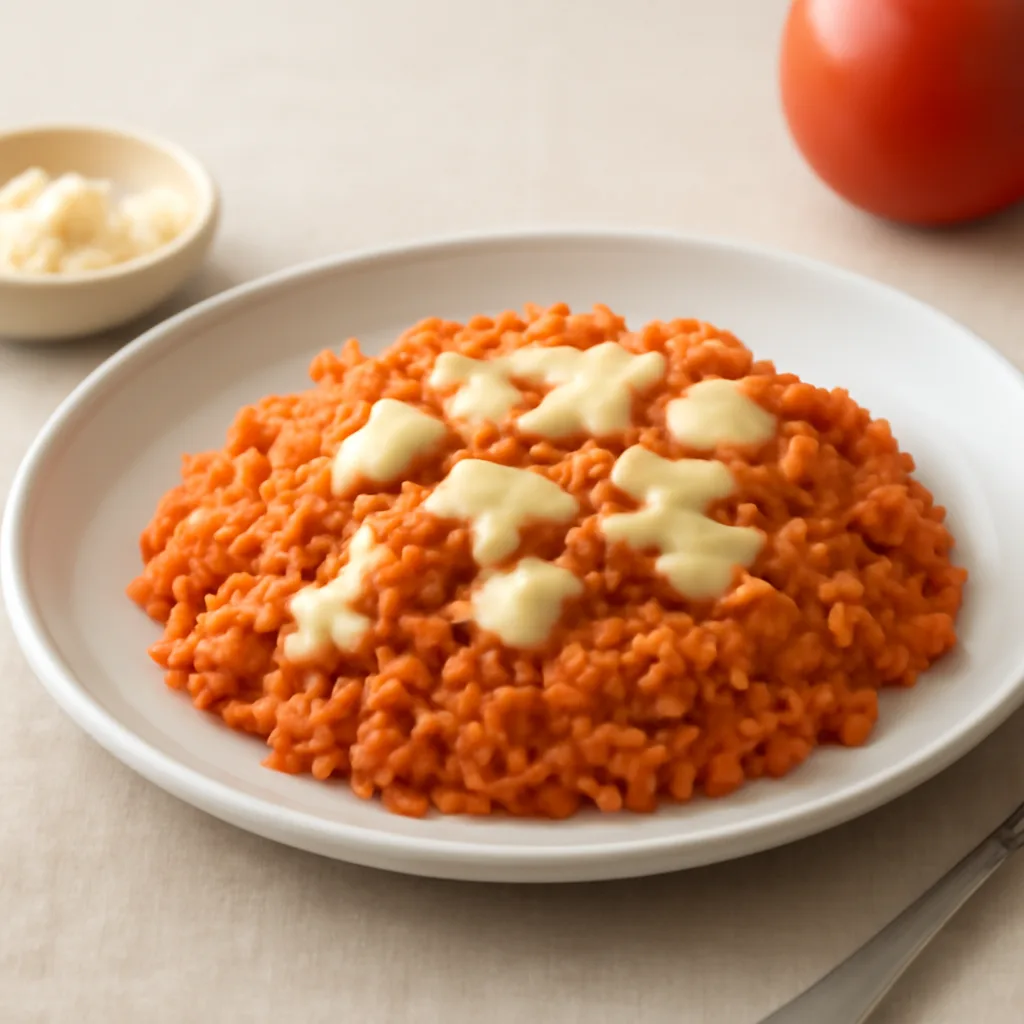
Tomato sauce is a cooking sauce made by crushing or simmering tomatoes, widely used in dishes that need acidity and savoriness, such as pasta, pizza, stews, and braises. Depending on the product, salt, spices, onions and garlic, or sweetness may already be included, so it’s best to taste and adjust seasoning before adding new ingredients. Thin sauces lightly coat ingredients, while well-simmered sauces cling well to noodles, meat, and vegetables. Even for the same tomato sauce, there are large differences from light, fresh-tomato-like flavors to rich, sweet ones, so choose according to the dish’s cooking time and desired thickness. If the acidity of tomato sauce is too pronounced, simmer briefly over low heat to reduce moisture or add ingredients that impart sweetness like onions or carrots. However, the longer you simmer, the more the fresh tomato aroma fades and the flavor becomes heavier, so for seafood dishes requiring quick cooking or light sauces, it’s more appropriate to heat briefly.
Taste and Texture
The basic taste is tart and savory, with sweetness and depth varying with the level of concentration. Products containing herbs or garlic have a more pronounced aroma, and sauces with spicy spices can leave a tingling aftertaste. Texture ranges from smooth purée to chunky with tomato pieces left in. Smooth sauces coat evenly, while chunky sauces are suitable for dishes like stews or ragù where you want a chewy texture.
Main uses
- Use in simple tomato pasta sauces by adding to spaghetti, penne, etc. Consider the moisture from the pasta water or sautéed vegetables and simmer the sauce to help it stick to the pasta.
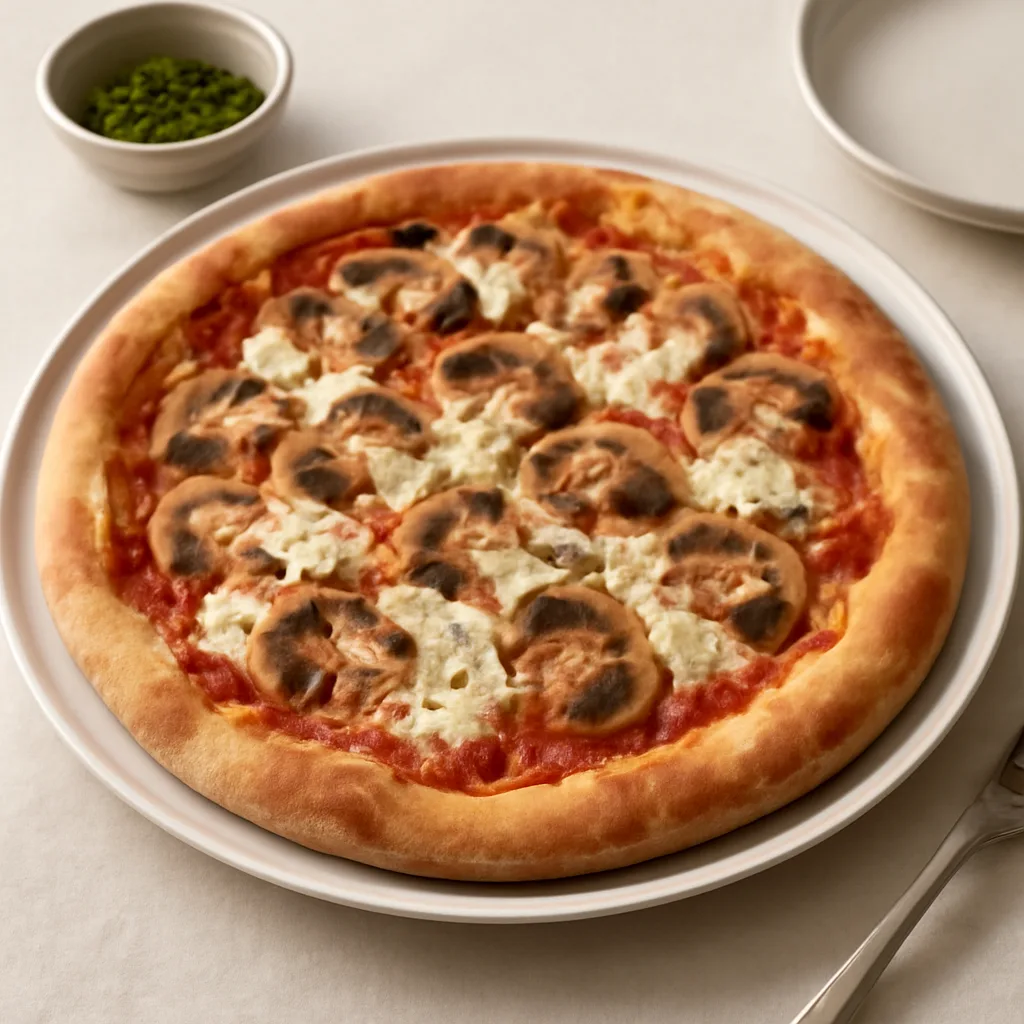
- Use as a base for pizza, lasagna, or gratin. If you thickly spread a very watery sauce, the bottom may become soggy, so spread it thinly or use sauce that's been simmered a bit in advance.
- Use as a base for broths in meatballs, sausage, chicken, or bean stews or braises. The sauce thickens as ingredients cook, so avoid making it too thick or overly salty from the start.
- When combined with sautéed onions and garlic, it can anchor the flavor in dishes like shakshuka or vegetable braises. For relatively bland ingredients like eggs, pairing with pepper or herbs makes the sauce aroma clearer.
Preparation tips
- Open sauce: taste with a spoon first to check acidity, saltiness, sweetness, and herb aroma. If already seasoned strongly, adjust thickness and amount by adding water, unsalted broth, or vegetables rather than salt.
- For deeper flavor, sauté onions or garlic gently in olive oil before adding the sauce. If garlic becomes very dark, bitterness can spread through the sauce, so add the sauce when the aroma just rises.
- For pasta, finish cooking when the pasta is almost done, with the sauce. If the sauce is too thick, gradually add pasta water to emulsify; adding too much at once can make it watery.
- For a smooth texture, use a blender or strainer; for a chunkier texture, avoid crushing tomato pieces too finely. For quick-baking dishes like pizza, smaller pieces are practical because large chunks release more moisture.
Cooking characteristics
- As it heats, moisture evaporates, thickening the sauce and concentrating the tomato flavor. Maintaining a gentle simmer with small bubbles rising on the surface helps control thickness without burning the bottom.
- Boiling on high heat for a long time can cause the bottom to burn or the sweetness to become too strong. If a dark film forms on the edges and you see the bottom when stirring, lower the heat and, if needed, add a small amount of water or broth.
- Cooking with oil helps the aromas from spices and garlic/onions to blend smoothly into the sauce. Conversely, adding too much oil can dull the bright tomato flavor, so use only a small amount when you want a fresh sauce.
- Adding dairy softens the acidity and lightens the color. Stir in cream or cheese after the sauce is heated through; if it separates from prolonged boiling, lower the heat and mix slowly.
Good combinations
- Basil, oregano, and parsley, along with garlic and onion, complement the familiar aroma of tomato sauce. If the herb aroma is strong in a product, it’s better to limit mixing many varieties at once to avoid dulling the flavor.
- Olive oil, butter, cheese, and cream soften the acidity and add gloss to the sauce. In lighter vegetable dishes, using these ingredients excessively can mute the fresh tomato brightness.
- Pairs well with eggplant, zucchini, mushrooms, bell peppers, and white beans; when roasted or sautéed to reduce moisture, the sauce remains less liquid.
- Beef or pork meats pair with longer-simmered sauces, while fish or seafood feel lighter with herb-centric and olive oil-based sauces that are cooked briefly.
Points to consider when substituting
- If you don’t have tomato sauce, you can substitute chopped canned tomatoes or tomato purée. These are usually more watery or less seasoned, so adjust simmering time and salt/herbs separately during cooking.
- Tomato paste is useful for deep color and concentration, but using the same amount can over-concentrate flavor; dilute with water or broth from small amounts and add gradually, adjusting for acidity if needed by supplementing with other tomato ingredients.
- Fresh tomatoes can also substitute, but their moisture and sweetness vary greatly, so they may not suit pizza or hearty pasta sauces. Peel and seed, cook down to reduce moisture for a more stable texture.
- Replacing with cream sauce or brown sauce is more a directional change than a simple substitute. When tomato acidity is key in a dish, using tomato purée or canned tomatoes yields a result closer to the original.
Ingredients commonly used together in actual dishes
Aggregated based on the co-occurrence count of representative ingredients in public dishes registered in CookPagoda.
Dishes that use this ingredient
Shows dishes where this ingredient is a representative ingredient, sorted by view count.