Ingredient Encyclopedia
Check the characteristics of the ingredients and how to use them in cooking.
Mozzarella cheese
4
5
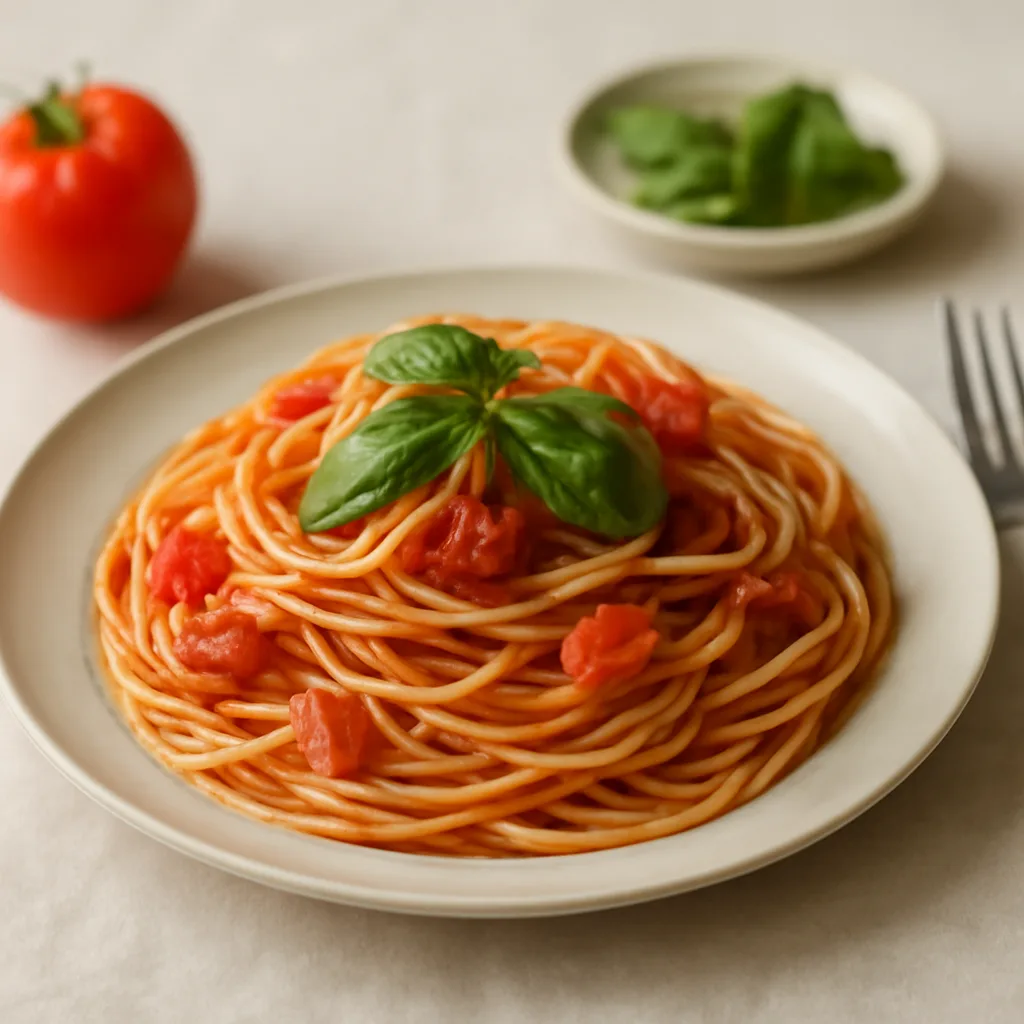
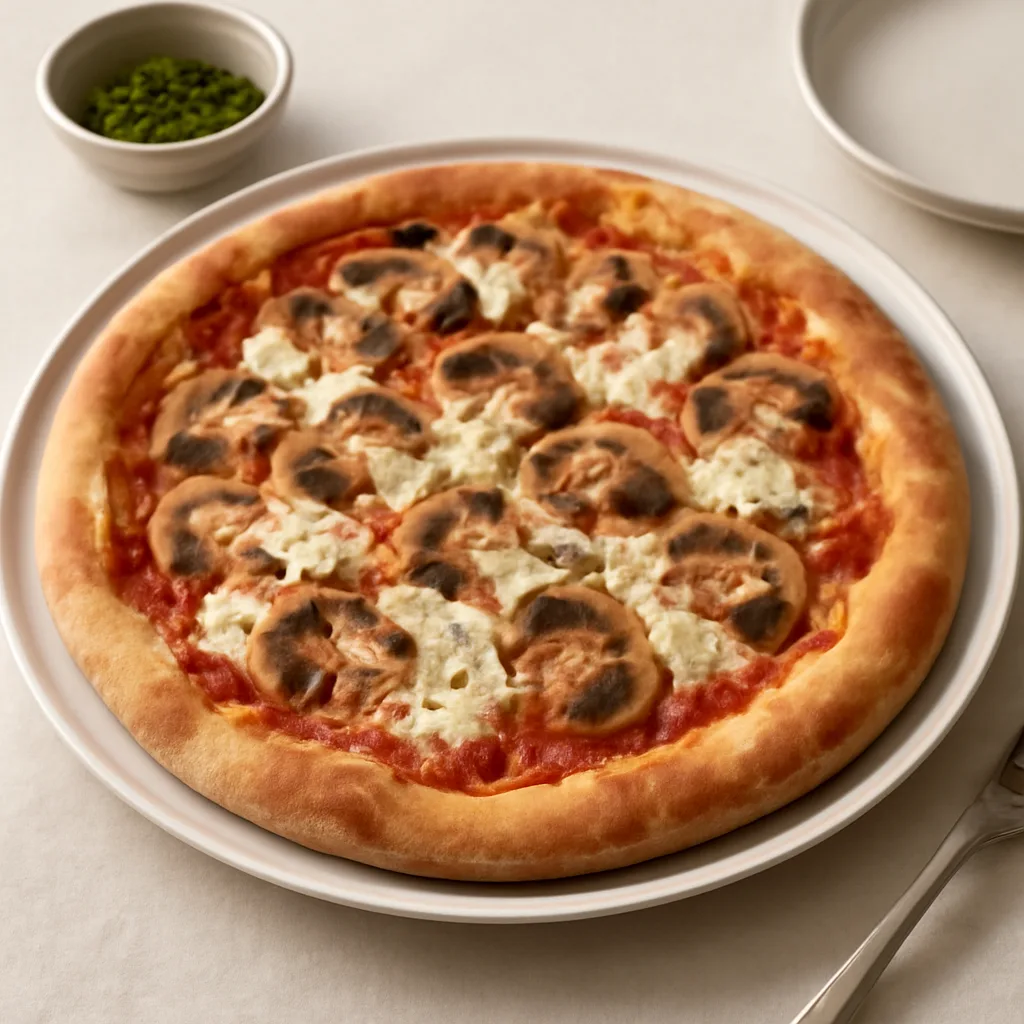
Mozzarella cheese is a soft, moist white cheese that melts well when heated, making it widely used to finish pizza, gratins, toasts, and pasta. Fresh mozzarella pairs well with salads or cold appetizers, and low-moisture mozzarella melts relatively evenly in oven dishes and is good for achieving surface browning. When cooking, it is important to choose the form suitable for the intended use. If you put a lot of moisture-rich product on pizza or grilled dishes, water can pool and make the dough or sauce soggy, so it is better to dry it or reduce the amount. Conversely, for Caprese-style salads that need a moist texture, fresh mozzarella is more natural than hard, dry shredded varieties.
Taste and Texture
The flavor is generally mild, with a milky savor, and the saltiness and acidity are not strong. It helps gently bridge ingredients with bold aroma and acidity like tomato sauce, basil, and olive oil. When cold, it is elastic and moist, and when heated it softens and stretches like threads. If heated for too long, the fat may separate and the texture can become tough, so it is best to melt it just enough rather than applying strong heat for a long time.
Main uses
- For pizza, grate or tear low-moisture mozzarella and spread evenly over the sauce for relatively uniform melting. If the cheese is stacked too thickly, the center may melt but the surface can feel greasy, so adjust the amount if the pizza has many toppings.
- For lasagna, gratins, and baked pastas, place it between layers or on top to create a soft binding and a melted cheese layer. If you want a browner top, mixing in some cheeses that color well may be more suitable than using only mozzarella.
- Fresh mozzarella is great when served cold with tomatoes, basil, and olive oil. If cut and a lot of water releases onto the plate, pat lightly with a paper towel to reduce dilution of the dressing.
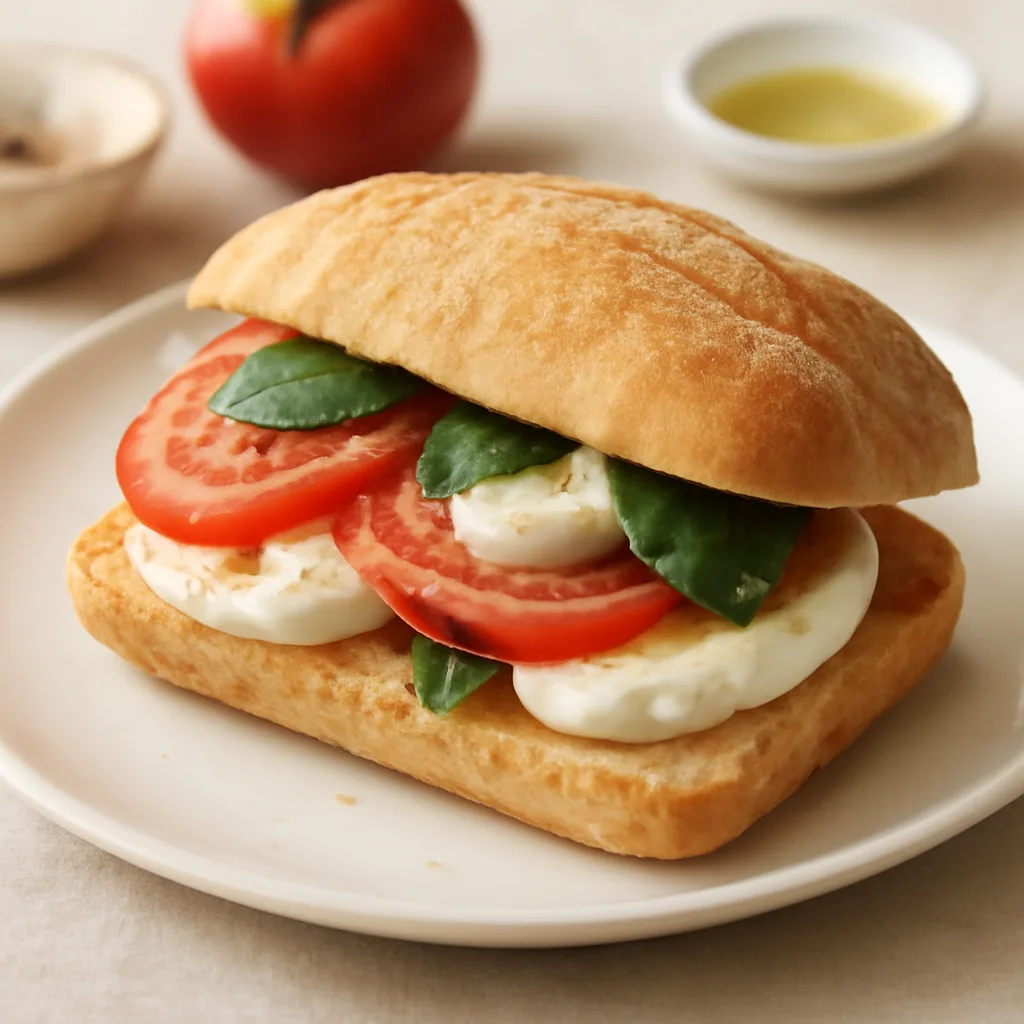
- For sandwiches, paninis, and toasts, thinly slice or grate to help the fillings stick. When the bread starts browning too much, lower the heat or delay adding the cheese to finish before it hardens.
Preparation tips
- Fresh mozzarella should be used after lightly drying its surface after taking it out of the package. If droplets remain when placed on pizza or in the oven, moisture will release during heating and make the bottom damp.
- Large blocks should be sliced thinly or torn into small pieces by hand so more surface area is exposed to heat for more even melting. Very small pieces can melt quickly and clump, so leave a moderate size for dishes with thinner sauce.
- Cold fresh mozzarella used directly in salads can feel firm and less flavorful. Let it stand briefly before cooking to bring it to a not-too-cold state to better reveal a soft texture.
- If shredded mozzarella sticks together, pull it apart by hand to spread it out. If placed as a single block, the edges melt first and the center may melt later, causing uneven cooking.
Cooking characteristics
- Mozzarella softens and melts quickly at medium to high heat, but simmering for a long time or overheating can cause fat and moisture to separate, making the surface look greasy. If a fat film forms in sauce, lower the heat and melt it briefly at the end.
- In the oven, low-moisture mozzarella melts relatively stably and is convenient for pizza and gratins. Fresh mozzarella releases more moisture, so it is better to remove moisture or use it with other cheeses for dishes requiring a crispy bottom.
- On very high direct heat or high heat in a pan, the cheese may burn before it melts. For pan dishes, melt with low heat covered by using residual heat and steam, or only briefly at the end.
- The browning ability depends on moisture and cooking environment. If the top browning is desired but the top doesn’t color, consider a shorter cook time with a burst of high heat on the top, but if the fat has already separated, further heating is not suitable.
Good combinations
- Tomato, basil, and olive oil are the basic pairings that highlight mozzarella’s mild flavor. If tomatoes are very watery, salt just before serving to reduce water pooling on the plate.
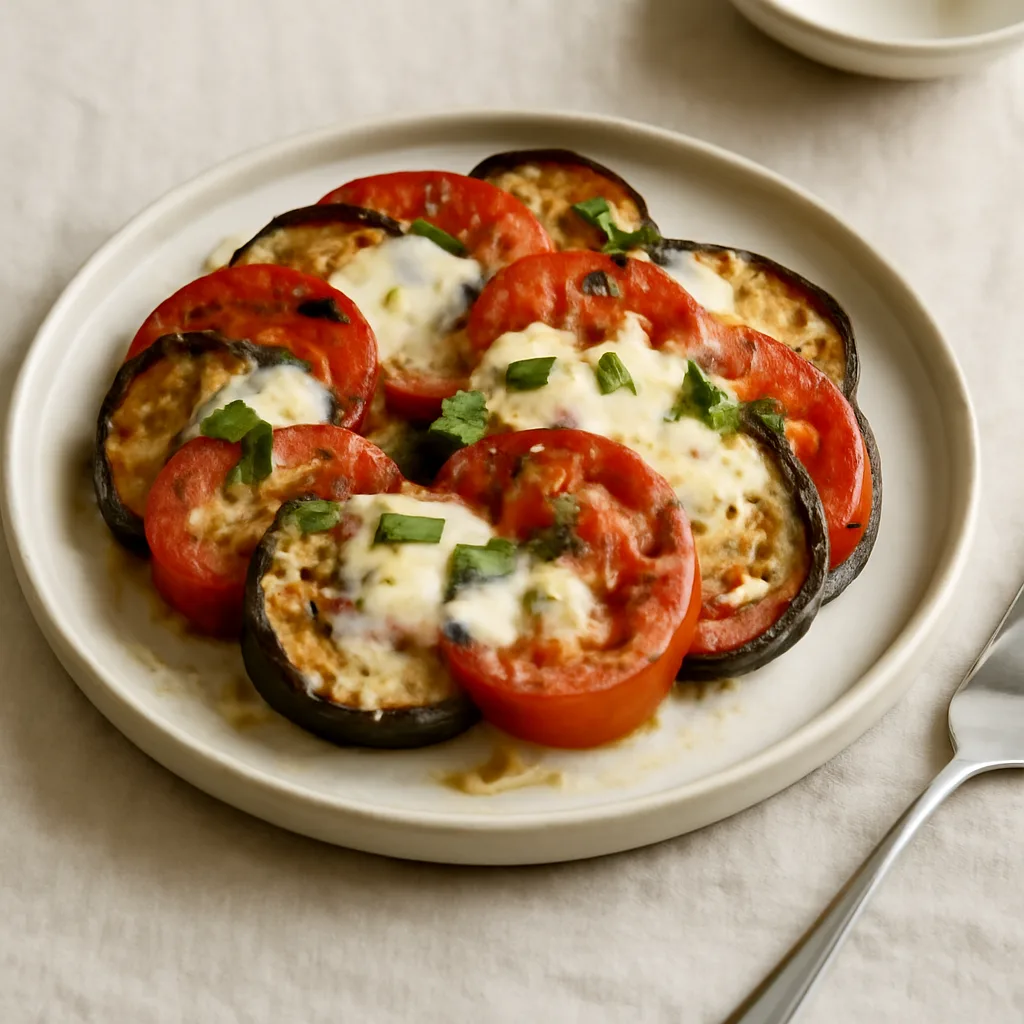
- Salty ham, roasted mushrooms, eggplant, and roasted bell peppers provide umami to complement mozzarella’s softness. When using highly salted ingredients, avoid stacking too much cheese as it can make the overall flavor heavy.
- Spicy chilies, black pepper, garlic, and acidic tomato sauce also pair well. In dishes with strong spices, mozzarella tends to soften the heat and aroma rather than add them as the main flavor.
Points to consider when substituting
- For textures that require good melting and stretch, low-moisture mozzarella is the most direct choice. If unavailable, a mild melting cheese can be used, but stretch, moisture, and salt levels will differ, so adjust topping amount and salt.
- For dishes like Caprese that are eaten raw, a softer fresh cheese may be closer as a substitute. However, the acidity and texture will differ, so adjust olive oil, salt, and herbs accordingly.
- If browning on top and a rich flavor is desired, substituting mozzarella alone may not be ideal; mixing in other cheeses is preferable. Conversely, if the goal is a neutral, long stretchy texture, using a strong-flavored cheese as a full substitute will yield a different result.
Ingredients commonly used together in actual dishes
Aggregated based on the co-occurrence count of representative ingredients in public dishes registered in CookPagoda.
Dishes that use this ingredient
Shows dishes where this ingredient is a representative ingredient, sorted by view count.