Ingredient Encyclopedia
Check the characteristics of the ingredients and how to use them in cooking.
Basil
3
3
Basil adds aroma with fresh or dried leaves, enhancing relatively simple-tasting ingredients like tomatoes, cheese, and olive oil with a bright herb scent. It pairs well with salads, pastas, pizzas, sauces, and finishing soups, and can be made into a sauce by grinding with oil, like pesto. Fresh basil is best added as late as possible to preserve its aroma. If leaves darken or aroma weakens, it’s better to use less in cold dishes or as a finishing garnish rather than heating for a long time. Dried basil has a calmer, more concentrated aroma, so start with a small amount and adjust gradually rather than substituting the same amount as fresh basil.
Taste and Texture
Basil emits a sweet, fresh herbal aroma with a subtle peppery bite and a hint of anise or clove. The intensity varies by variety and condition. Fresh leaves are soft and thin and wilt quickly; when chopped or torn, the aroma spreads rapidly. Boiling for a long time can reduce the sharp green color and fresh scent and emphasize grassy flavors.
Main uses
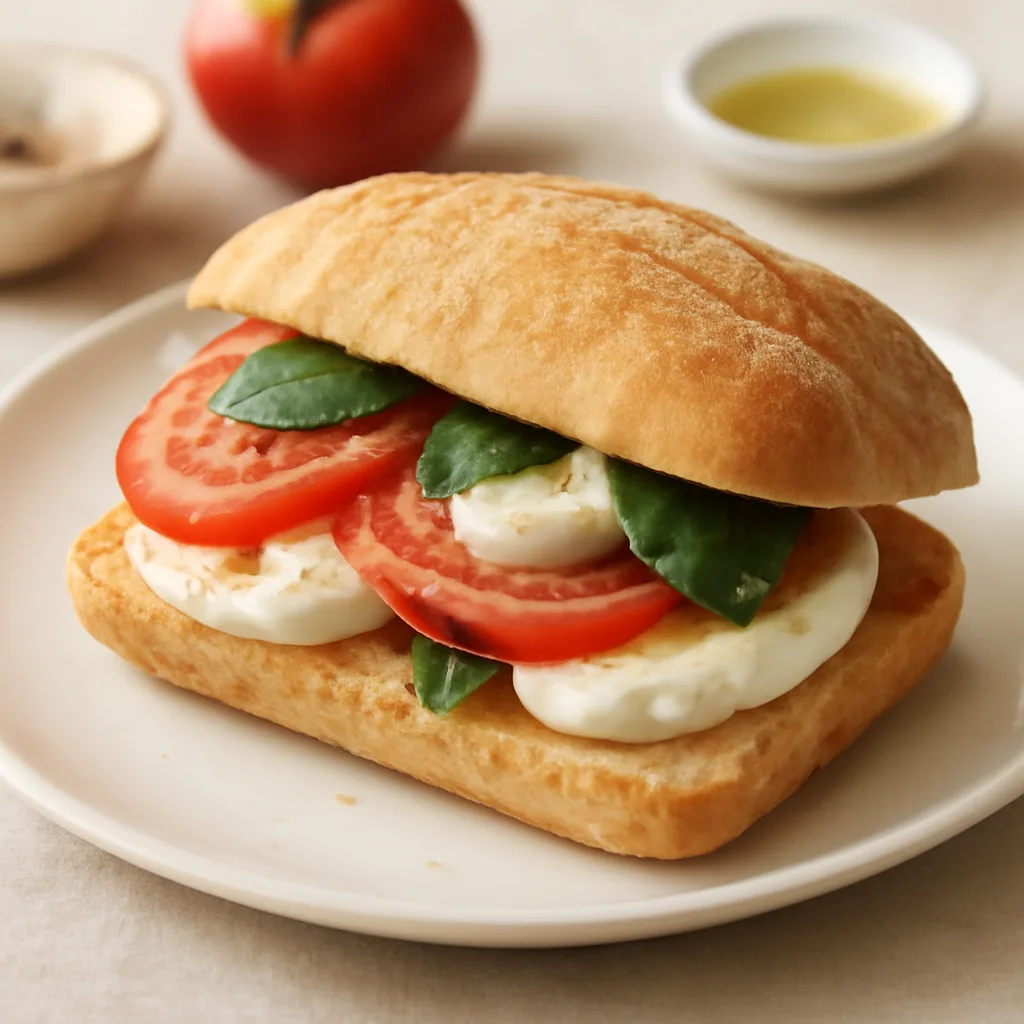
- Tear leaves into dishes like tomato salad, caprese, or bruschetta to enhance the flavor of fresh ingredients. If a large leaf is placed whole, the aroma is mild; finely chopped, the aroma spreads more evenly in every bite.
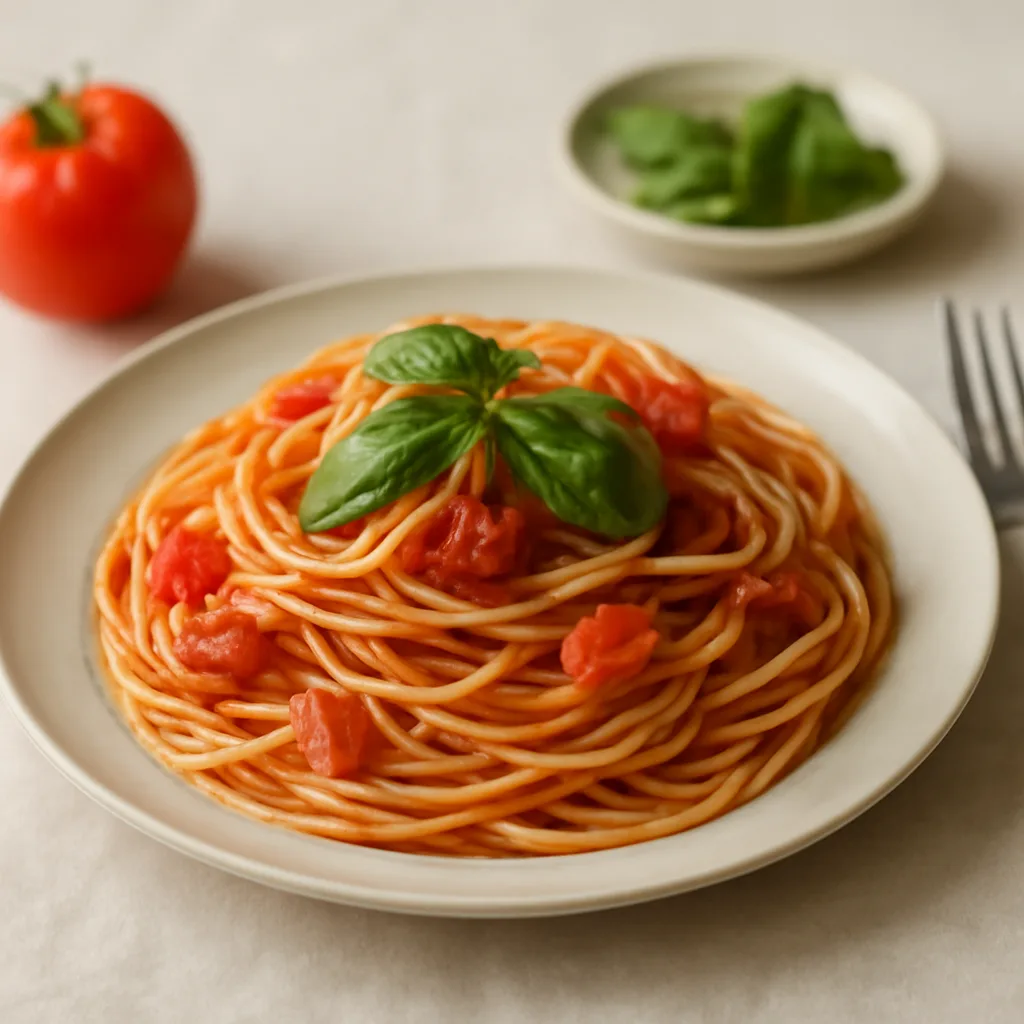
- Add to pasta sauces or pizzas right after cooking to gently release aroma with residual heat. For tomato sauce that simmers long, add some leaves early and finish with the rest at the end to create layered aromas.
- Blend with nuts, cheese, and olive oil to make pesto. Pesto pairs well with pasta, sandwiches, roasted vegetables, and potatoes, but excessive heating over strong heat can dull color and aroma.
- Add to soups, stir-fries, or omelets just before serving to enhance aroma. Even if there are no documented uses, if you want basil’s fragrance to be central, use it with mild ingredients rather than strongly spiced seasonings to make it easier to balance.
Preparation tips
- Rinse the leaves gently under running water right before use and pat or dry thoroughly. Excess moisture can make salads or pestos runny and prevent oil from coating leaves evenly.
- Tear leaves by hand or chop quickly with a knife rather than mincing for a long time. If cut too finely and the surface browns quickly, chop just before serving and pair with tomatoes or lemon to minimize color change.
- If stems are very tender you can use them with the leaves, but thick, tough stems can be textural distractions. When making a sauce, use the soft upper parts and set aside the thicker stems to impart aroma then remove.
- Dried basil releases aroma more when gently rubbed between fingers. If older dried leaves have little aroma, increase quantity or add other herbs or finishing ingredients to avoid dulling the flavor.
Cooking characteristics
- Fresh basil’s volatile aromas are sensitive to heat, so leaving it in a boiling sauce for a long time reduces the initial fresh aroma. If the sauce bears little basil, turning off the heat and adding fresh leaves works well.
- When combined with oil, aroma compounds spread and become more prominent in pesto or oil-based dressings. In dishes with insufficient oil, the leaves may clump in one spot, so tear and mix the leaves into the sauce or dressing first to distribute evenly.
- Using acidity like tomatoes, vinegar, or lemon can sharpen the sweet, fresh impression of basil. However, too much acidity can mask delicate aromas, so add dressings gradually while tasting.
- Frying leaves or sautéing on high heat can yield a crispy texture but makes the original fresh aroma hard to expect. Crisp garnish is fine, but if the primary goal is basil fragrance, fresh leaves added separately are better.
Good combinations
- Tomato, mild cheeses like mozzarella, olive oil, garlic, lemon, and balsamic vinegar help to carry basil’s aroma clearly.
- When adding nuts and hard-aged cheeses, pesto gains nuttiness and saltiness; if basil’s aroma is weak, avoid excessively increasing cheese and garlic quantities.
- Strawberries or fragrant fruits like peaches can be paired in small amounts. If you want to highlight the fruit’s sweetness, tear a few leaves rather than finely chopping many to mix.
- Spicy chilies, strong smoky flavors, or intensely fermented aromas can overwhelm basil. In such cases, treat basil as a finishing aroma rather than the main herb for balance.
Points to consider when substituting
- If fresh basil is unavailable, Italian parsley can supplement color and fresh herb notes but cannot completely reproduce basil’s unique sweet and aromatic character. For dishes where basil’s aroma is central, consider reducing the herb proportion rather than expecting the same result with other herbs.
- Pesto can use arugula or spinach partially or wholly, but the flavor will differ. Arugula is more bitter and peppery, spinach is mild but lacks basil aroma, so adjust garlic and cheese quantities gradually rather than all at once.
- Dried basil can substitute in cooked tomato sauces, soups, or dressings, but is not suitable for fresh leaf garnishing. Dried products are more concentrated, so start with much smaller amounts and add only as needed.
- Mint can provide a fresh note in some cold salads, but its flavor tends to be cooler and stronger, which can significantly change tomato and cheese combinations. Choose substitutes based on whether the goal is basil’s identity or simply the fresh green herb’s brightness.
Ingredients commonly used together in actual dishes
Aggregated based on the co-occurrence count of representative ingredients in public dishes registered in CookPagoda.
Dishes that use this ingredient
Shows dishes where this ingredient is a representative ingredient, sorted by view count.