Ingredient Encyclopedia
Check the characteristics of the ingredients and how to use them in cooking.
Sliced bread
1
1
Bread is soft bread made by baking dough in a mold; its mild flavor and uniform crumb pair well with both sweet and savory ingredients. Rather than eating it plain, using it by toasting, filling, or absorbing sauces enhances the texture contrast. It works well in dishes where the bread itself provides the structure, such as sandwiches, toast, or French toast, and it can be torn into small pieces or ground to replace breadcrumbs. However, very soft bread can become soggy if filled with high-moisture fillings for a long time, so for dishes that are not eaten immediately, a protective layer like toasting or buttering helps. Recorded uses include making breakfast toast baked with eggs, sandwiches with ham/cheese/vegetables, and French toast dipped in milk and eggs. These records show possible pairings, not that all bread yields the same result.
Taste and Texture
Bread has a generally mild, toasty flavor and a slight sweetness, with no strong aroma that lets the fillings shine. Products containing milk or butter can feel softer and richer, while whole-grain or grain breads feel heartier and have a coarser texture. When used as is, it is fluffy and elastic, but when exposed to the heat of a toaster or pan, surface moisture evaporates and a crispy crust forms. When it meets moist fillings like egg wash or broth, it quickly absorbs moisture and becomes soft, so it’s better to separate methods depending on whether moisture is desired or the shape needs to be maintained.
Main uses
- Thinly sliced and toasted with butter, jam, honey, or cheese to create a crispy exterior and soft interior contrast. However, if you spread sugary jam or honey first and bake long, the edges can burn quickly, so toasting the bread first is more stable.
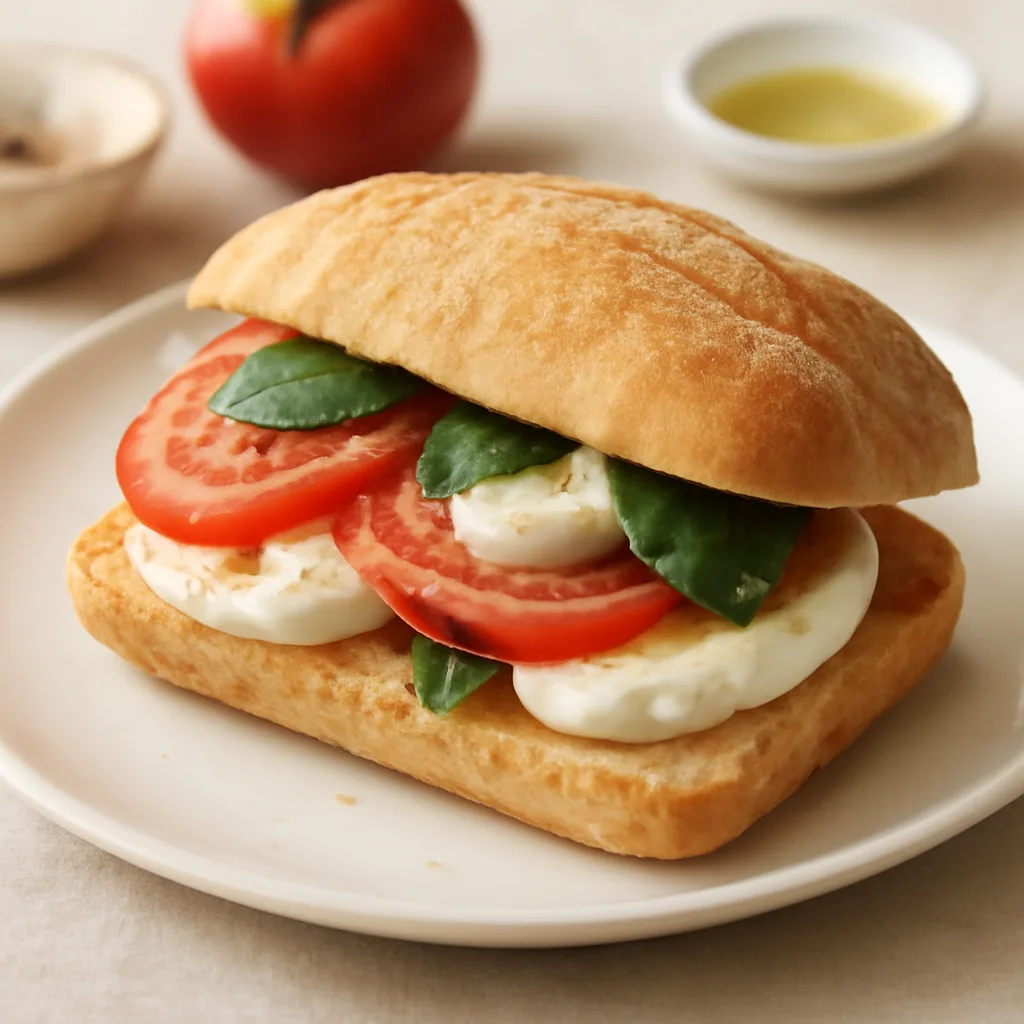
- Great as bread for sandwiches with ham, cheese, eggs, chicken, or vegetables. Place watery ingredients like tomatoes or pickled vegetables toward the filling rather than the center, and spread a thin layer of butter or mayonnaise on the bread surface to slow sogginess.
- Soak in milk and egg mixture and cook on a pan to make French toast. Freshly baked, very soft bread may soak up liquid too quickly and tear, so briefly dipping or using slightly dry bread is preferable.
- Cut into small pieces to make croutons for soups or salads. Lightly coat with oil or melted butter and dry at a low temperature to remove moisture through the interior, making it crisp all the way through.
- Leftover bread can be dried and crushed to be used as breadcrumbs for croquettes, meatballs, or stuffings. The particles are coarser and absorb moisture faster than store-bought dry breadcrumbs, so add gradually to dough and monitor thickness.
Preparation tips
- For sandwiches, match bread thickness to the weight of the filling. Thick bread supports heavy fillings but can be hard to eat in one bite; thin bread works better with light egg salad or sliced cheese.
- When pan-frying, don’t use too much butter. If the surface becomes greasy and oily rather than crispy, wipe the pan and cook the next slice on low to medium heat for even color.
- French toast eggs should contact the bread surface and edges but not soak the bread so long that it becomes soggy. If edges crumble when lifted, it may be over-absorbed; wait a moment for liquid to distribute, then cook softly.
- When making croutons or breadcrumbs, keep piece sizes similar. If a few small pieces brown quickly, large pieces may dry out and burn, so remove the faster-color pieces first to adjust.
Cooking characteristics
- Bread browns quickly on dry heat, and its aroma deepens on the surface. Edges darken first; if the center remains pale, the heat is likely high, so lower the flame and cook longer for more even color.
- Bread with butter gains more flavor and browns faster. However, if the milk solids of butter start to burn before browning, the pan is too hot, so move to low heat or briefly lift the bread.
- Moisture from egg wash, milk, or soup softens the crumb and makes the bread more tender. This is advantageous for moist dishes like puddings, but detrimental for sandwiches or toasts that need shape, so minimize contact time with liquid ingredients.
- In ovens or air fryers, the thin edges dry first. If the edges become overly hard before the whole bread is crisp, lower the temperature and rotate the position halfway.
Good combinations
- Salty and fatty ingredients like cheese, eggs, and ham balance the plain bread, and adding tomatoes, cucumbers, or leafy greens can cut richness.
- Using butter, peanut butter, jam, or fruit with bread complements the soft crumb with sweet toppings. For very sweet toppings, a pinch of salt or tart fruit can keep flavors from becoming monotonous.
- Crisp bread pairs with creamy soups or stews, contrasting the soup’s smoothness. If you plan to dip the bread for a long time, a thicker slice holds shape longer than a very thin piece.
- For mayonnaise-based fillings like tuna, chicken, or eggs, add pepper, mustard, and pickles to adjust the flavor. Be sure to drain pickles well; otherwise the bread gets soggy.
Points to consider when substituting
- For sandwiches, you can use whole wheat, rye, or sourdough instead of white bread, but taste and chew will change considerably. Soft fillings like egg salad pair with soft bread, while smoky ingredients with a strong aroma do better with whole wheat or sourdough.
- French toast can use brioche, baguette, or leftover bread. Brioche yields a richer and softer result but can be sweeter and richer; baguette holds shape better but may require longer time for inner moisture.
- Croutons can be made with baguette or ciabatta instead of bread. Bread with big holes can feel lighter and crisper, but cutting into small pieces can cause pieces to crumble, so larger cuts are preferable for salads.
- For breadcrumbs, dried bread can be substituted with store-bought breadcrumbs, panko, or cracker crumbs. Panko adds coarser crunch; cracker crumbs add saltiness and flavor, so adjust seasoning at the end.
Ingredients commonly used together in actual dishes
Aggregated based on the co-occurrence count of representative ingredients in public dishes registered in CookPagoda.
Dishes that use this ingredient
Shows dishes where this ingredient is a representative ingredient, sorted by view count.