Ingredient Encyclopedia
Check the characteristics of the ingredients and how to use them in cooking.
Spaghetti
3
3
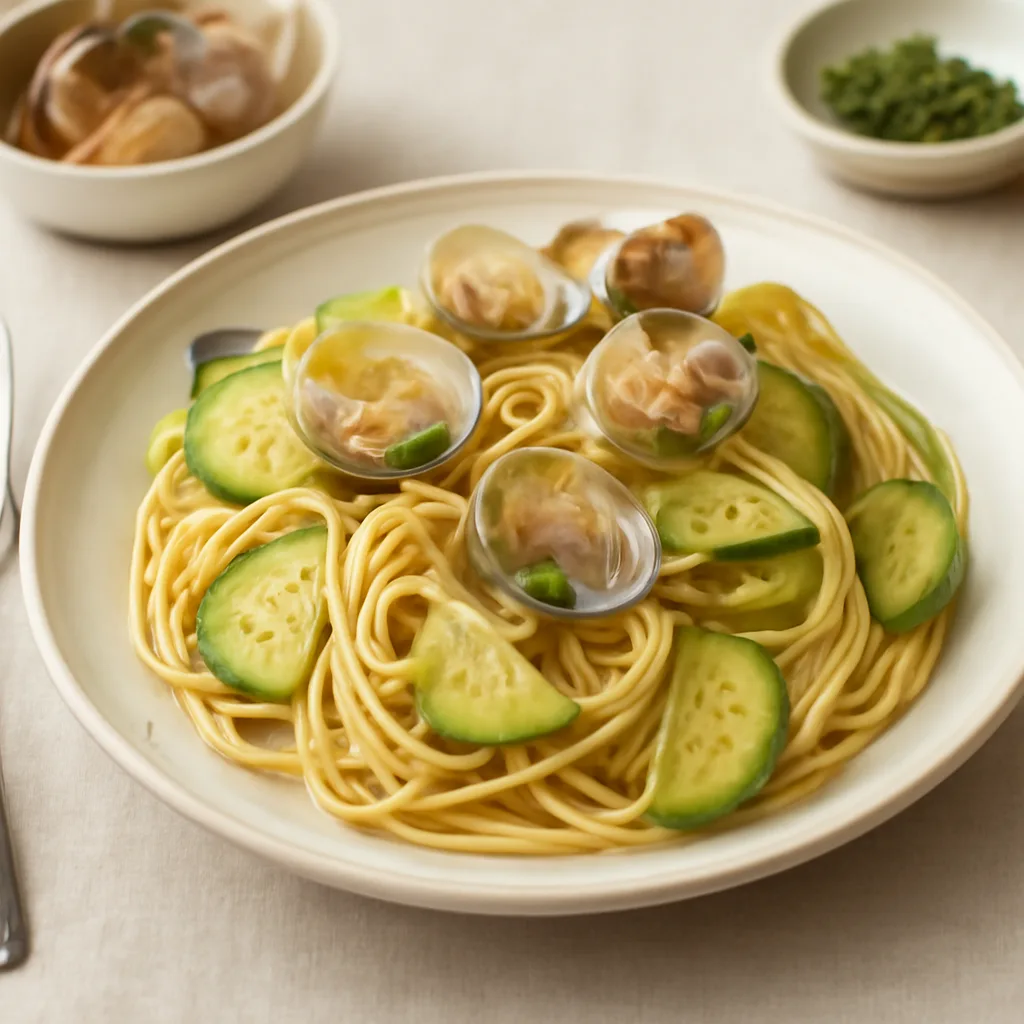
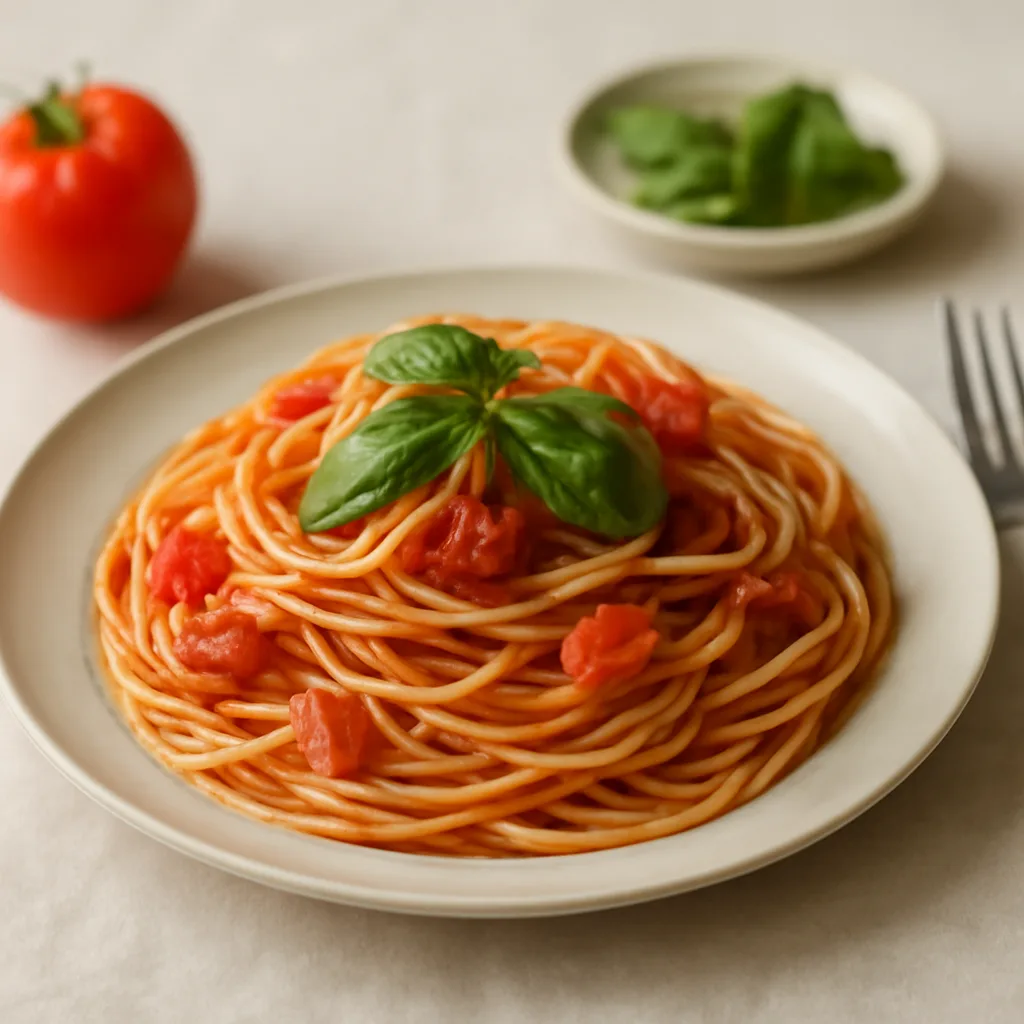
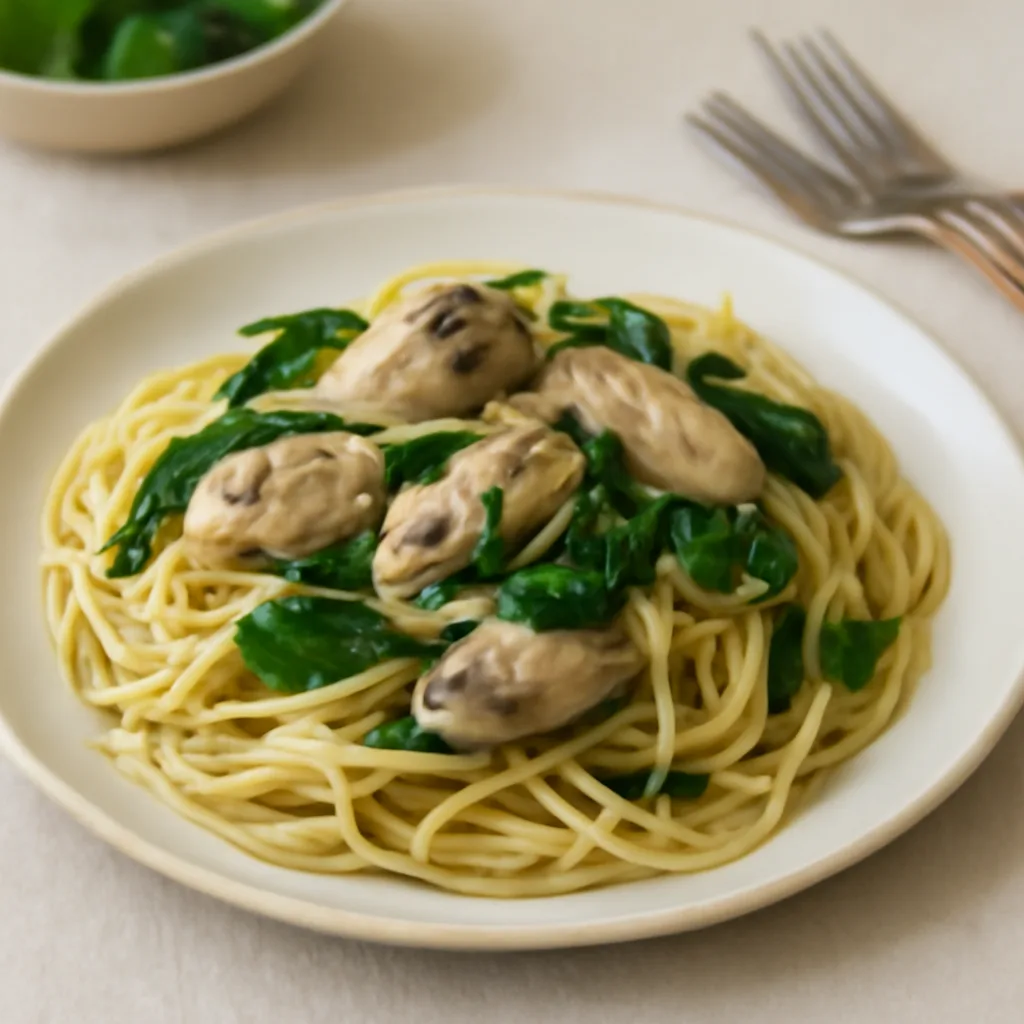
Spaghetti is a long, thin cylindrical dried pasta whose texture varies greatly depending on the sauce thickness and cooking time. If you aim for a very slight springiness in the center after boiling, the pasta will hold the sauce less, reducing the tendency to split when mixed with the sauce. It goes well with relatively smooth sauces or sauces with small ingredients, such as tomato sauce, oil-based sauces, or meat sauces. For thick cream sauces or sauces with large ingredients requiring a wider noodle, the pasta may not have enough surface area to hold the sauce, so in those cases another pasta shape can be more convenient. The cooking water used for boiling seasons the pasta and leaves starch to help adjust sauce thickness. If the sauce sticks to the pasta, add a little pasta water; if it becomes too thin, do not add more and simmer briefly in the pan to adjust the thickness.
Taste and Texture
The pasta itself has a mild wheat aroma, and when boiled in salted water it gains a subtle saltiness. It conveys the savor of the sauce’s acidity, spices, cheese, and olive oil more distinctly. When cooked properly, it has a smooth surface and a chewy, springy bite; overcooking causes the center to lose elasticity, making it easy to break and it can quickly become soft after mixing with the sauce.
Main uses
- Used in simple pasta with tomato sauce, garlic, and olive oil to evenly distribute a light sauce among the noodles.
- For sauces with minced meat and tomatoes that are simmered, long noodles are easy to pick up, making them go well, though very heavy, chunky sauces may be more stable with shorter pasta.
- In oil-based pastas using garlic, chili, and olive oil, you can use the starch from the pasta water to connect the oil and water.
- Also widely used with seafood, mushrooms, and vegetables, but when using many watery ingredients, the sauce should be reduced first to prevent the pasta from tasting bland.
Preparation tips
- Bring plenty of water to a boil, add salt, and spread the pasta in. In the first 1–2 minutes it tends to stick together, so use tongs to loosen it several times to reduce clumping.
- Use the package’s boiling time as the baseline, but a few minutes before it finishes, pull a strand to check the center’s elasticity. If the center feels hard like a white seed, boil a bit longer; if you plan to finish cooking in the sauce pan, remove it before it becomes completely soft.
- After draining the pasta, rinsing with cold water can wash away surface starch and cause the sauce not to cling well. Unless you are making a cold pasta salad, do not rinse and use it directly with the sauce.
- Leave about a cup of pasta water before discarding it. When the sauce is thick or looks oily, add a small amount gradually while tossing to adjust the texture.
Cooking characteristics
- In boiling water, spaghetti absorbs moisture, becoming soft, and some surface starch leaches into the water, making the pasta water cloudy. This starch can help emulsify oil and water when mixed into the sauce.
- Finishing the cooked pasta in the sauce pan allows the pasta to absorb more sauce and prevents the flavors from dissipating. However, if cooked too long, moisture can evaporate too much and the pasta become stiff, so toss briefly in the pan and only add pasta water as needed.
- Even with acidic tomato sauces or wine-based sauces, the pasta tends to hold its shape, but very runny sauces may cause the pasta to seem soft rather than flavorful. If the ingredients release a lot of water, it is better to adjust the sauce thickness before adding the pasta.
- Creamy or cheese-based sauces can separate fats if boiled vigorously for too long. Lower the heat or simmer, then mix with pasta and pasta water to adjust thickness for a smoother finish.
Good combinations
- Garlic, olive oil, tomatoes, basil, mushrooms, seafood, ground meat, and hard cheeses are good pairings to let the spaghetti’s mild flavor shine.
- For oil-based sauces, adding bright ingredients like lemon zest or fresh herbs can cut the richness. If the sauce becomes too thin from too much lemon juice, it’s better to reduce moisture in the pan before adding pasta water.
- For meat sauces, finely chopping vegetables to simmer with the sauce helps the pieces to be evenly distributed on the pasta. Conversely, if large vegetables or large shellfish are the focus, shorter pasta or another shape may be easier to eat.
Points to consider when substituting
- Lumirgende (linguine) is flatter and wider than spaghetti and can be used with cream or seafood sauces, but cooking it for the same time as the package can yield a different texture.
- Bucatini has a hollow center to hold sauce but is thicker and heavier, so it may not convey the light feel of spaghetti with a light oil sauce.
- Capellini, a very thin noodle, works with delicate sauces but can become soft in long-simmered meat sauces or during extended sautéing.
- When using gluten-free noodles or rice noodles, water absorption and elasticity differ, so the emulsification mechanism with pasta water may not work the same. If the noodle starts to break, shorten the simmering time in the sauce pan and pre-adjust the sauce thickness, then mix carefully.
Ingredients commonly used together in actual dishes
Aggregated based on the co-occurrence count of representative ingredients in public dishes registered in CookPagoda.
Dishes that use this ingredient
Shows dishes where this ingredient is a representative ingredient, sorted by view count.