Ingredient Encyclopedia
Check the characteristics of the ingredients and how to use them in cooking.
Clams
3
3
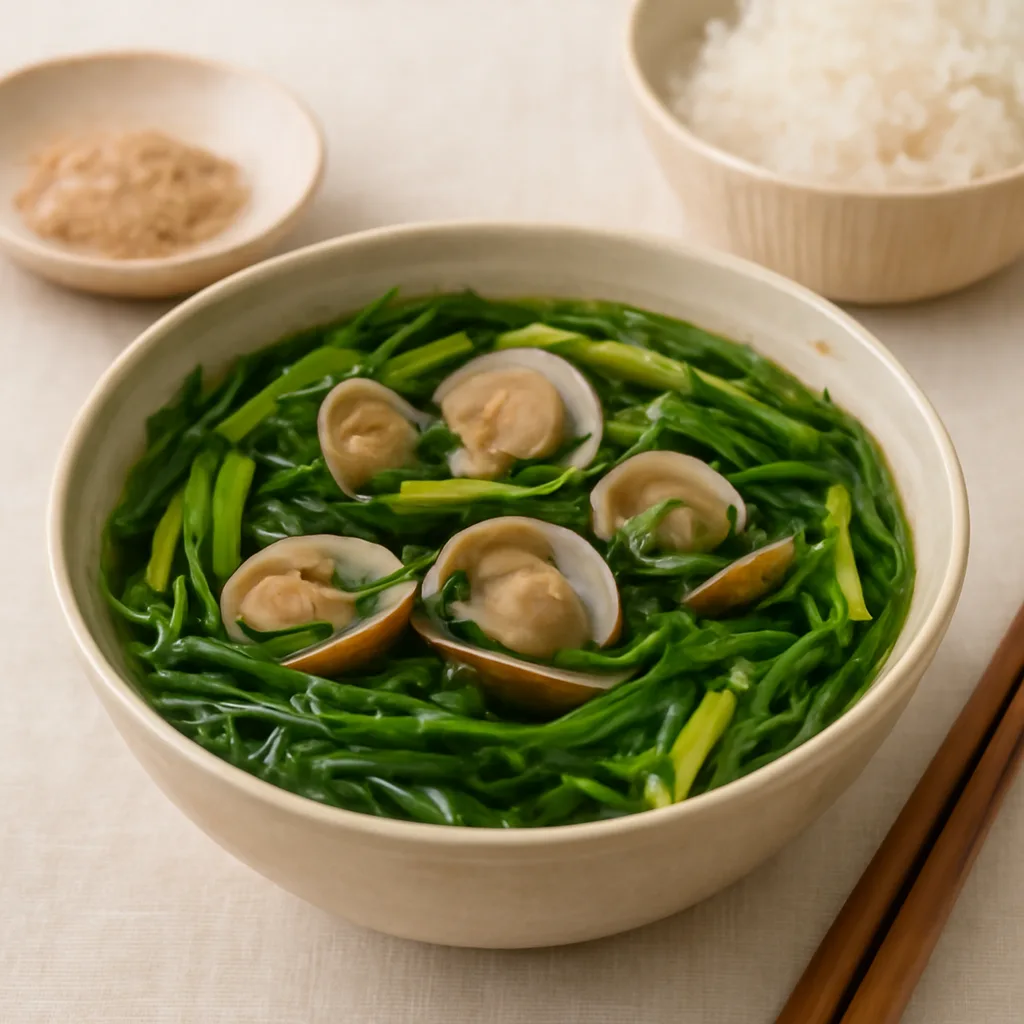
Clams are frequently used in soups, steaming, and stir-frying; even short cooking draws out the sea aroma and umami into the broth. When using with shells, the key is to use both the opened clam meat and the released broth. For clear soups or kalguksu, blanch the clams in boiling water or stock only until their shells open for a clean flavor. For pasta or sautéed dishes, cooking the clams separately and adding their released broth to the sauce deepens the flavor, but prolonged heating makes the meat firm and tough, so add them at the final stage. If sand remains, the texture of the broth and sauce becomes gritty, so proper soaking and cleaning are essential. If the shells are cracked or the clams do not close when tapped, check their condition; after cooking, discard any that do not open rather than forcing them open as they may be unsafe.
Taste and Texture
Clams have a salty sea aroma, a subtle sweetness, and a clean umami. Their own salinity can spread into the broth, so season with salt after the clams open and taste. Properly brief cooking yields moist, springy meat, but boiling for too long dries the juices and makes the texture tough. Clear broth from the shells may contain fine sediments, so if needed, strain through a fine sieve for a cleaner result.
Main uses
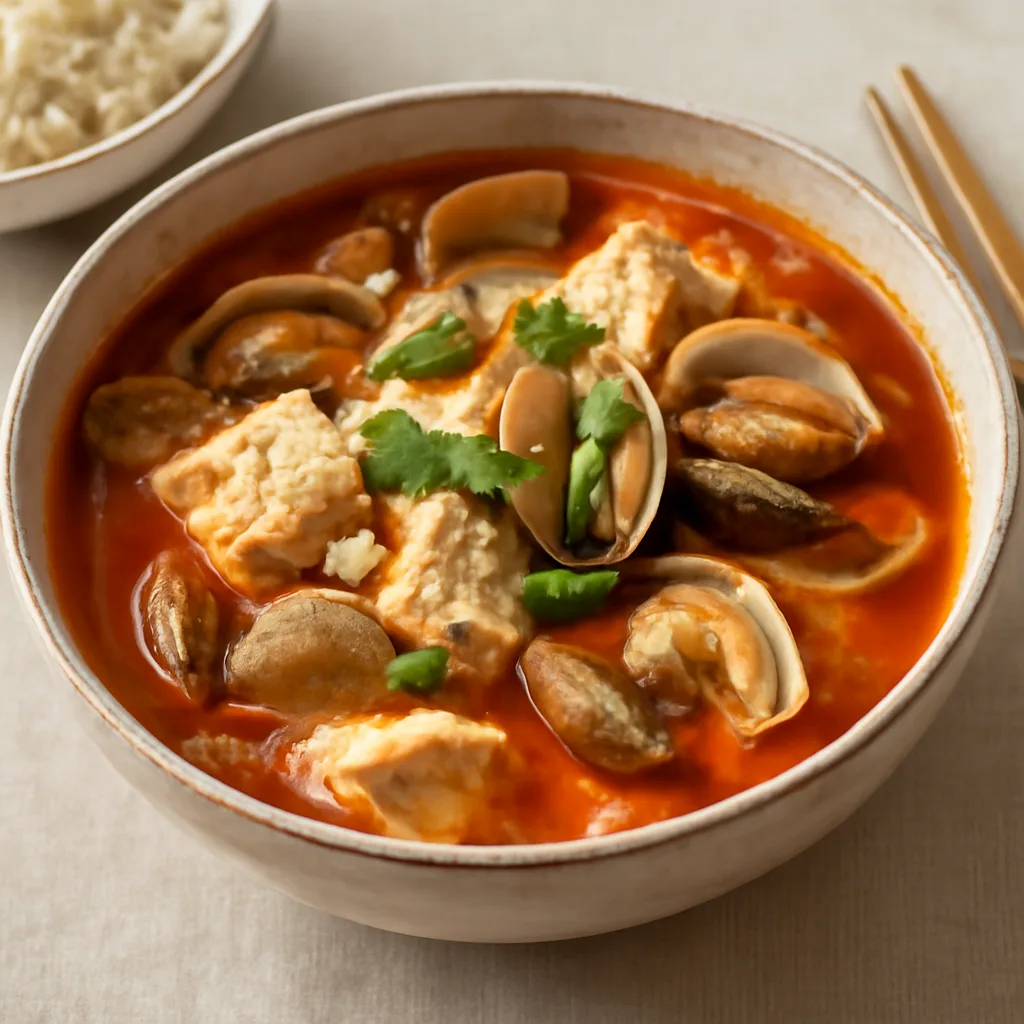
- Add depth and freshness to soups such as clam chowder, miso soup, or soft tofu stew where the broth is the focus.
- For칼국수 or hand-pulled dough noodles, add the clams when the noodles are almost cooked to ensure they open just in time. If simmered from the start, the meat becomes chewy and the broth becomes cloudy.
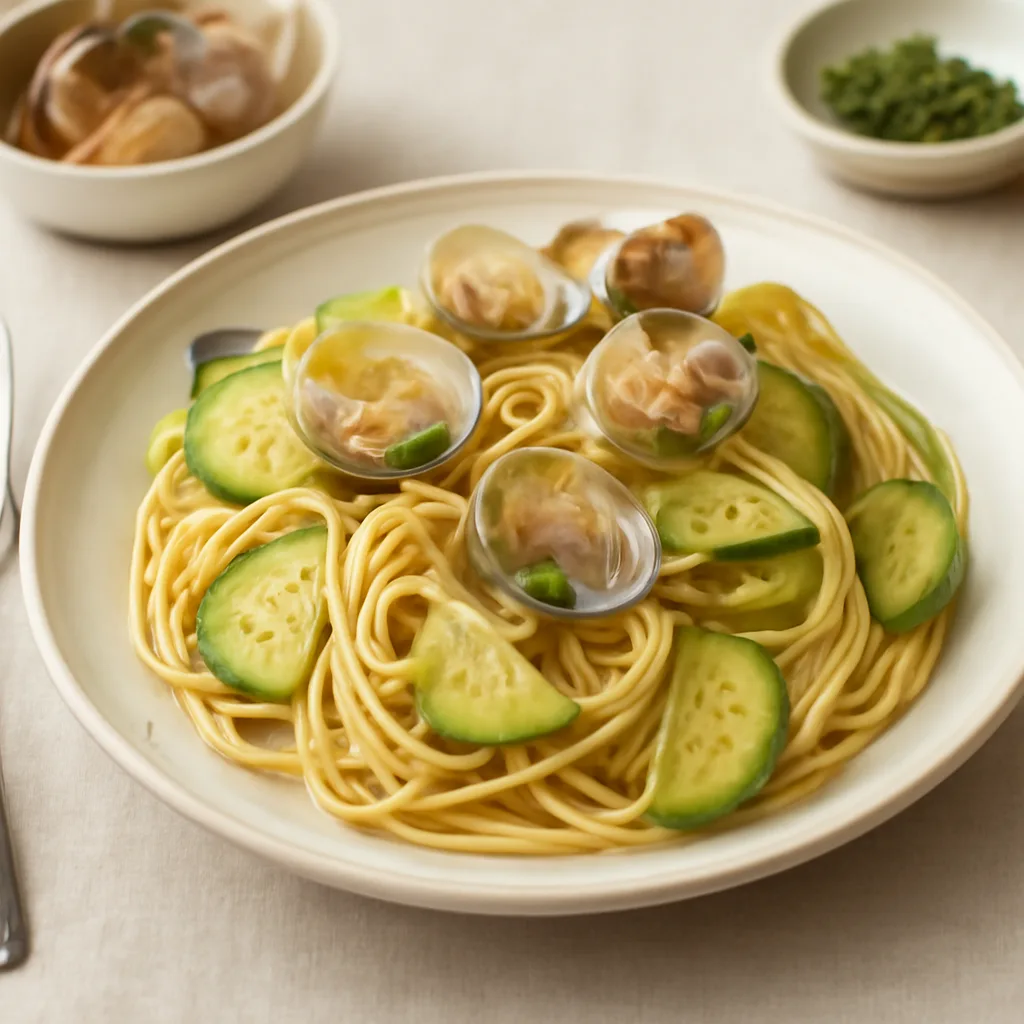
- For oil-based pasta or wine-sautéed dishes, first sauté garlic and aromatics, then add clams with a small amount of liquid and cover; as the clams open, stir the released broth into the sauce so the clam flavor permeates the sauce.
- For fried rice or porridge, divide the clam meat and strained broth; let the rice absorb the broth first and add the meat at the end to avoid overcooking.
Preparation tips
- Scrub the shells under running water to remove dirt and debris, then soak to purge; if the wash water becomes too cloudy or sand keeps coming out, replace the water and rinse again before use.
- After purging, remove any clams with cracked shells or questionable condition. If a shellfish does not open during cooking, better to discard than cook longer to salvage texture of other clams.
- When using the broth for pasta or steaming, do not discard the clam broth; strain it through a sieve. If sand may remain, line the strainer with a cloth or a fine filter for extra filtration.
- Decide whether to add aromatics such as garlic, ginger, and green onions at the start based on desired aroma. If you want the delicate aroma of clams, avoid excessive frying of aromatics.
Cooking characteristics
- Clams release moisture and umami as they are heated to a strong heat; the moment they start to open is the signal to stop cooking or move to the next step.
- Steaming with a lid cooks quickly with steam, but if there is too much liquid in the pan, it becomes more like a broth than a steam dish. If you want a thicker sauce, use little initial liquid or wine and supplement only as needed.
- When heated with salty ingredients like salt or soy sauce, the dish can become salty quickly. Adjust the final seasoning after tasting the clam broth to avoid oversalting.
- Acidic ingredients sharpen the salty and sweet balance of clams; however, adding lemon juice or vinegar too early can make the aroma feel sharp. Add in small amounts after the clams have opened to check balance.
Good combinations
- Garlic, scallions, green onions, and onion complement the sea aroma of clams and blend well with the broth and sauce.
- Fresh chilies or dried chili can add heat, but when aiming to preserve the clams’ subtle sweetness, use less.
- Clear broths pair well with ingredients like daikon, zucchini, and tofu; when using miso or gochujang, adjust seasoning to account for the clams’ natural saltiness.
- Olive oil, butter, and white wine-based sauces mix well with clam stock, but heavy cream or cheese can mask the delicate aroma of the shellfish.
Points to consider when substituting
- For broths needing the bright, salty aroma of clams, you can substitute mussels or other small shellfish, but note that the sweetness and aroma will differ. If substitutes are larger or meatier, adjust cooking times accordingly.
- For fried rice, porridge, or pasta that only needs the clam meat, use cleaned clam meat, but note that broth from the shells may be lacking; add vegetable or seafood stock to fill in flavor.
- If you want to avoid seafood aroma, you can use mushroom and kombu dashi to shift umami direction, but it will not replicate the sea aroma or texture of clams. Therefore, for dishes where shellfish are not the main ingredient, this is a more realistic alternative in soups or sauces that boost flavor.
Ingredients commonly used together in actual dishes
Aggregated based on the co-occurrence count of representative ingredients in public dishes registered in CookPagoda.
Dishes that use this ingredient
Shows dishes where this ingredient is a representative ingredient, sorted by view count.