Ingredient Encyclopedia
Check the characteristics of the ingredients and how to use them in cooking.
Zucchini
4
6
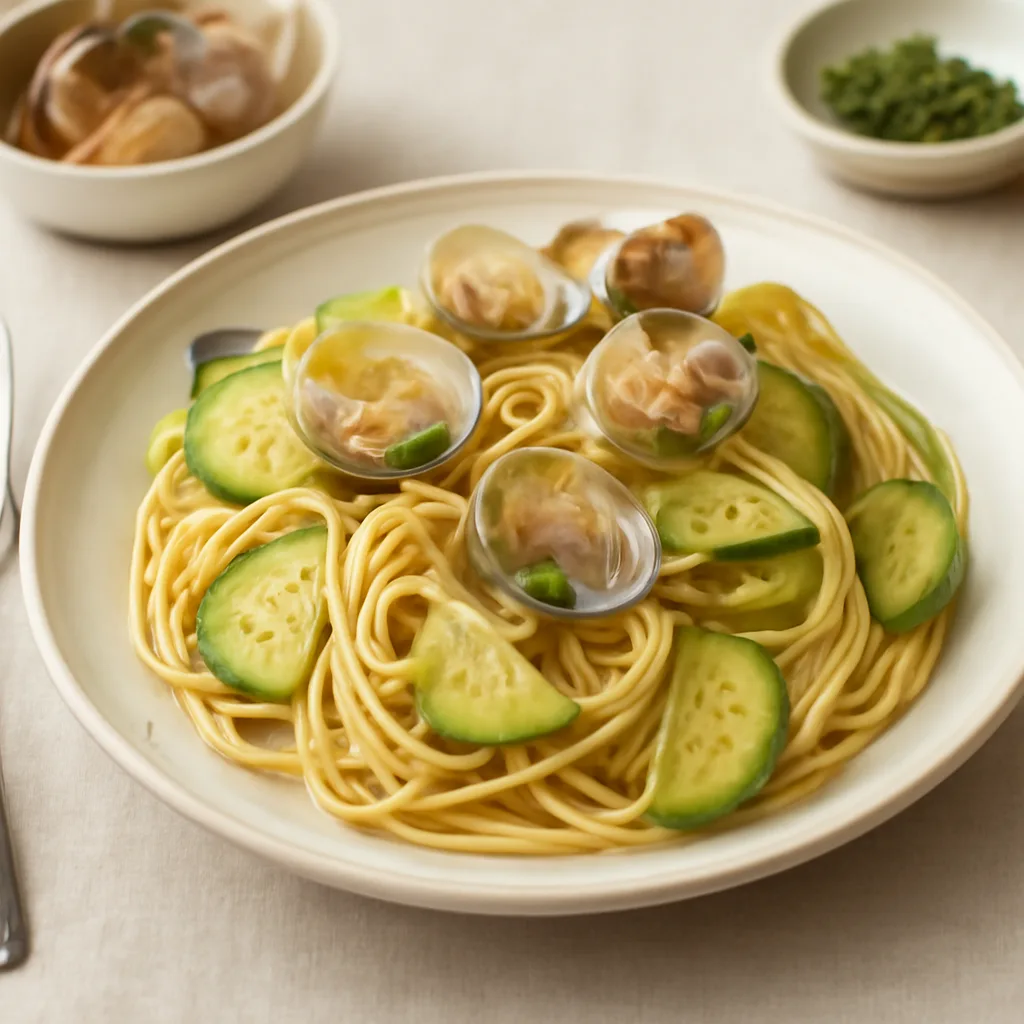
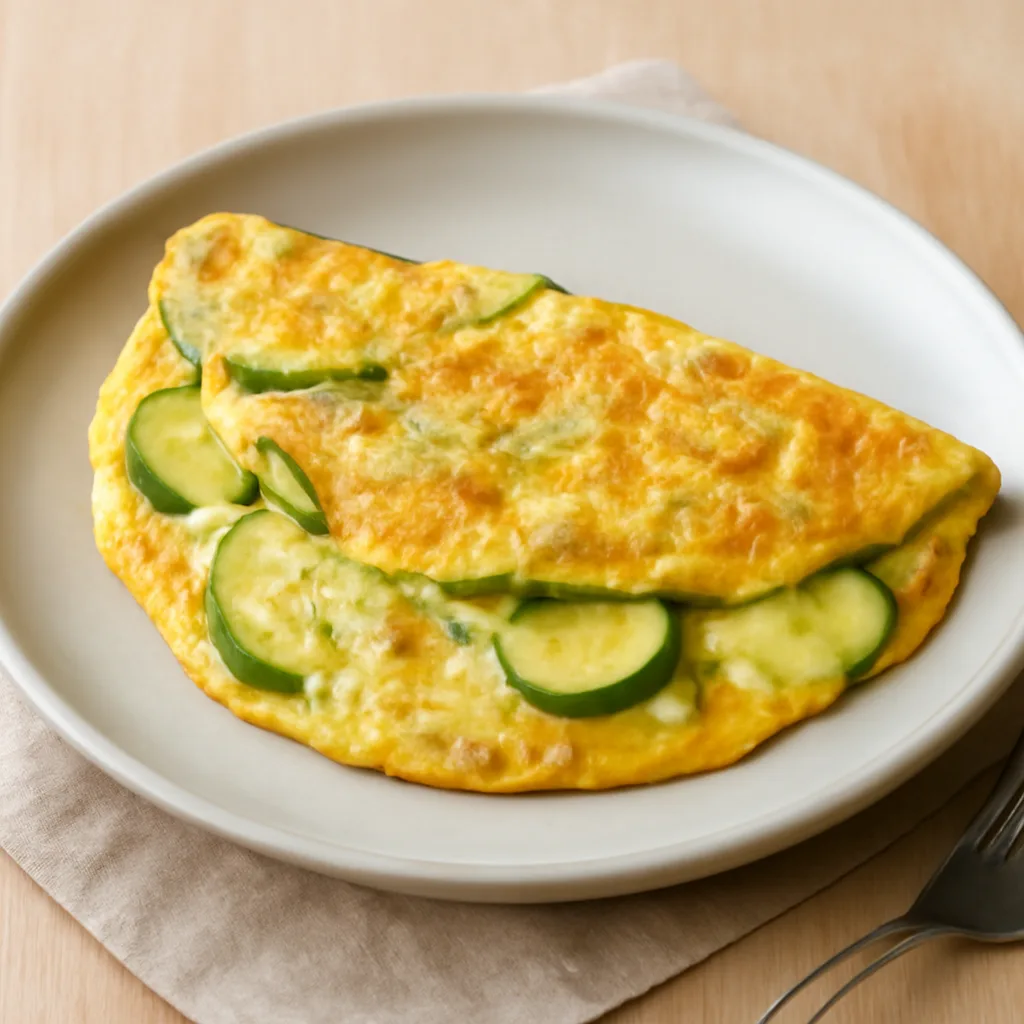
Zucchini is a vegetable eaten soft when slightly unripe, good for slicing thin and stir-frying or adding to soups and stews. It has relatively high moisture and quick cooking, giving a mild taste and naturally absorbing seasoning and aromas from other ingredients. In stir-frying, a quick cook that leaves shape and a fresh texture is ideal; in pancakes or stews, you can use its softer texture. However, when heated for too long, it releases a lot of water and can become mushy, so adjust the cutting thickness and adding time according to the finished dish texture.
Taste and Texture
The flavor is subtly sweet and mild, and it softens strong spices or fermented seasonings like doenjang (soybean paste) or gochujang. When raw, it is firm yet moist, and when cooked the flesh becomes tender. The seeds are generally edible, but large seeds or overly soft pulp can break apart easily during cooking. Choose firm, smooth-surfaced pieces to help maintain shape in stir-fries or pancakes.
Main uses
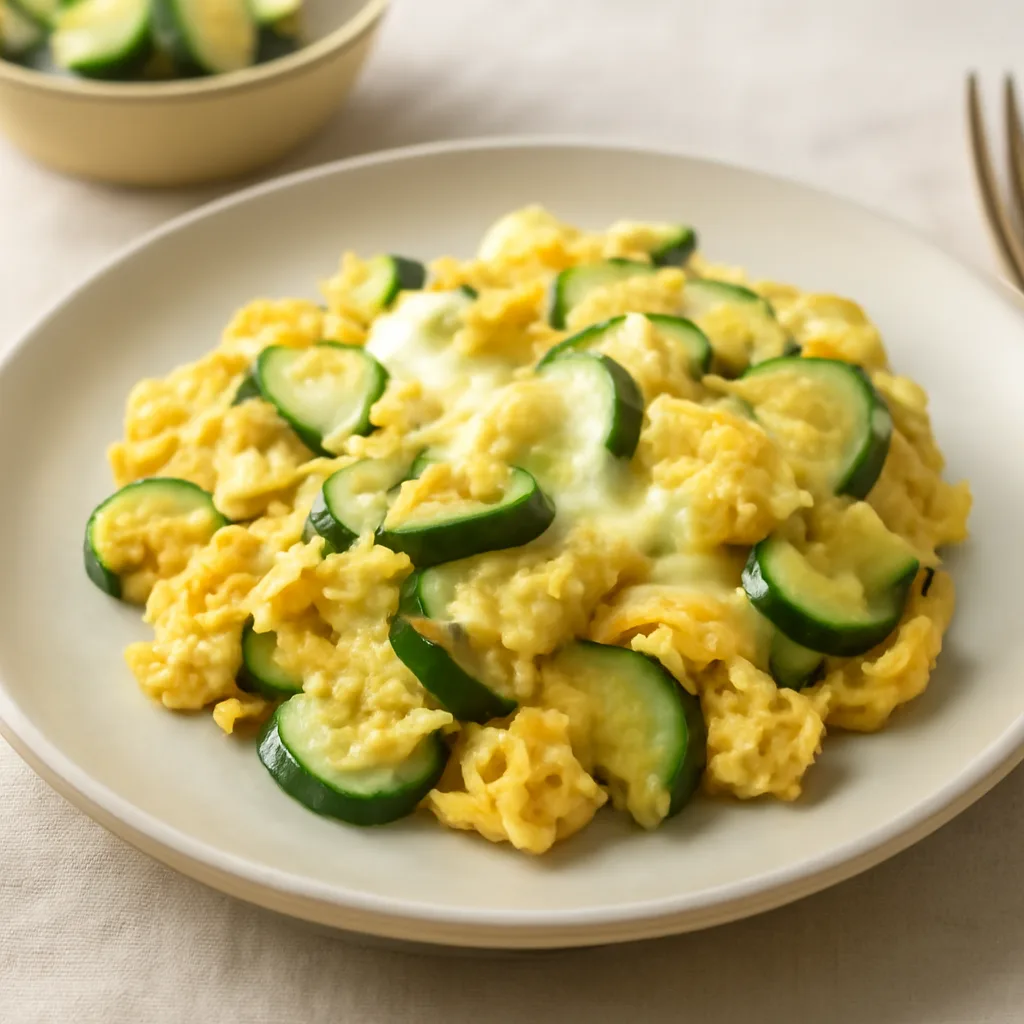
- For zucchini stir-fry, use half-moon or julienned zucchini sautéed briefly with garlic, oil, salt or salted shrimp. When water starts to pool in the pan, raise the heat to finish quickly, or briefly dry moisture before adding the next ingredient to reduce soggy texture.
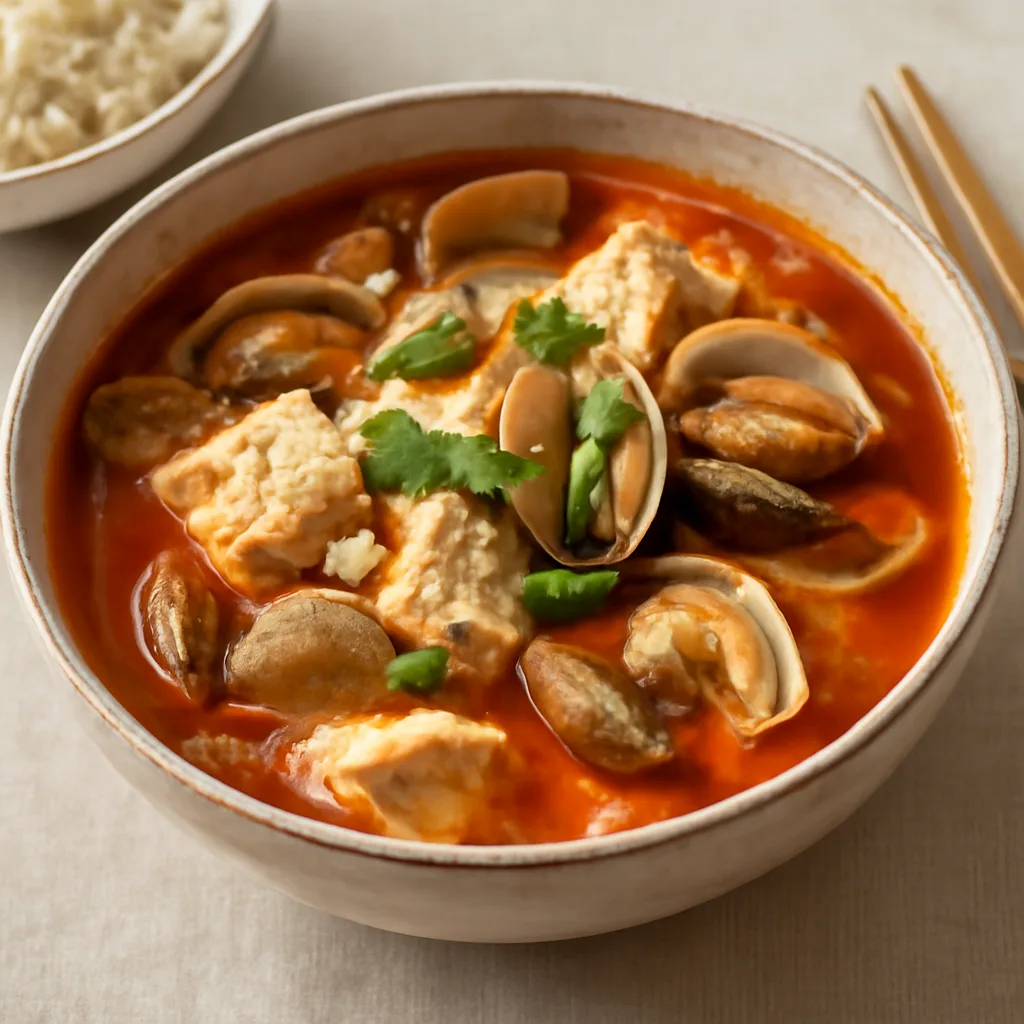
- In doenjang jjigae, gochujang jjigae, or clear soups, cut relatively thickly and add at the final cooking stage. If added too early, the broth flavor becomes milder but zucchini pieces may break apart, so for stews where shape is needed, add toward the end according to boil time.
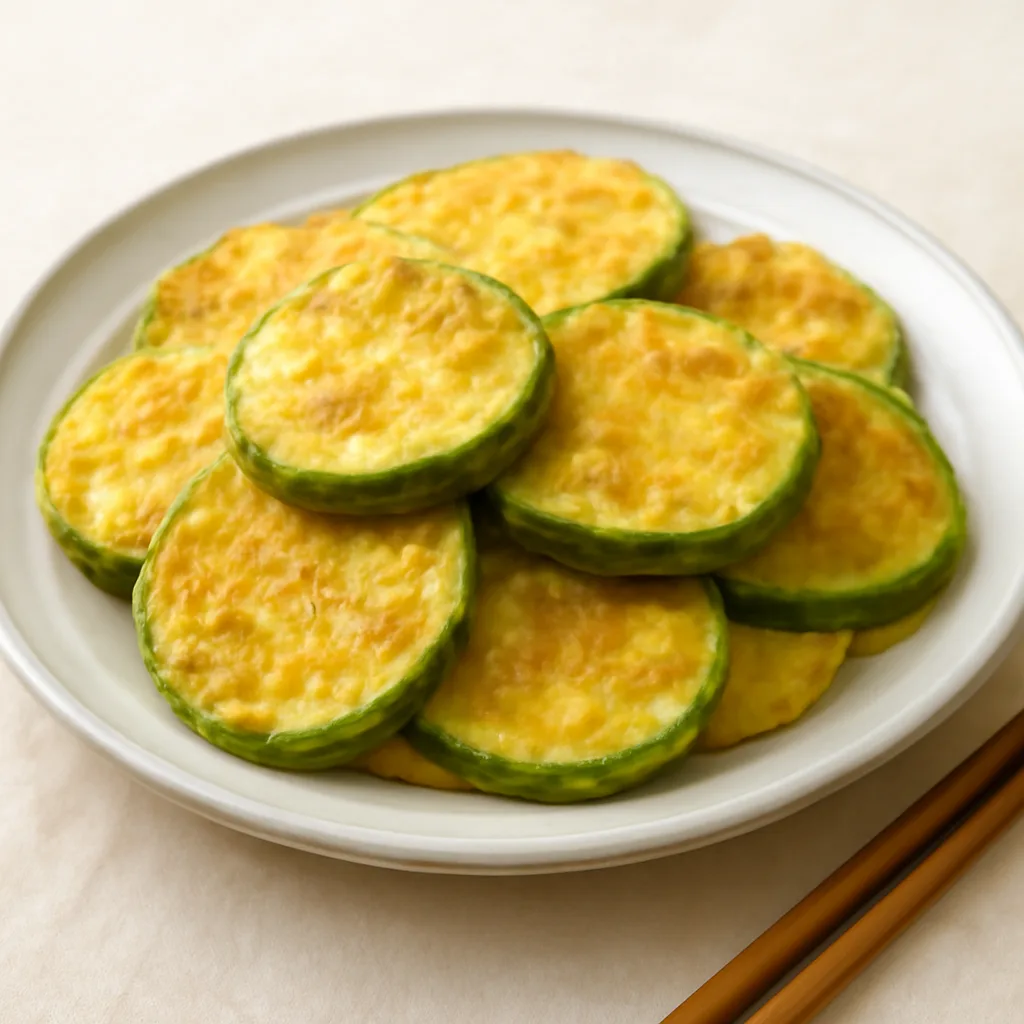
- For pancakes or jeon, thinly slice or julienne and use with egg batter or batter. If the batter becomes thin due to high moisture, instead of simply adding more flour, gently pat the zucchini dry to remove moisture and rest the batter to check thickness.
- For bibimbap, rice bowls, and kimbap fillings, lightly sauté with salt and cool before adding. If added hot, moisture can make the rice soggy.
Preparation tips
- Rinse the surface under running water, trim the ends, and cut as needed. For stir-fry, around 0.5 cm half-moon slices balance cook time and texture; for stews, cut a bit thicker so they don’t break easily.
- If the cut surface shows large seeds or the flesh looks spongy, it’s better for soups than stir-fry. If using in stir-fry, remove part of the seed-rich center and cook briefly to reduce sogginess.
- Sprinkling salt too early can draw out moisture, reducing water during cooking but making the final dish salty and texture soft. For dishes where crisp texture is important like pancakes, minimize salt and season just before cooking.
- Sliced zucchini can release water if left exposed after slicing. If moisture is noticeable, pat dry with a paper towel and cook in small amounts over high heat to keep pan temperature up.
Cooking characteristics
- When heated, zucchini cells soften quickly and moisture is released, so a crowded pan can lead to a boiled-like result. Use a wide pan or cook in batches to get a light sauté aroma on the surface.
- When it meets oil, the surface becomes smooth and seasonings adhere well, but overcooking makes edges transparent and pieces crumble easily. Turn off heat when the desired texture remains and finish with residual heat.
- In soups and stews, it softens while absorbing broth’s saltiness and umami. If you don’t want the broth to become cloudy or zucchini to disintegrate, add toward the end rather than during a vigorous boil.
- In pancakes, thinner slices cook faster, but moisture can delay browning. If the pan isn’t preheated enough or batter is thick, avoid high heat; instead cook on medium and dry one side of moisture first before flipping to prevent burning.
Good combinations
- Using aromatic vegetables like garlic, green onions, or onions helps zucchini’s mild flavor stand out, and salty seasonings like salted shrimp, doenjang, or soy sauce enhance its gentle sweetness. If the aroma of salted shrimp or jeotgal is too strong for a dish, adjust seasoning simply with salt and soy sauce.
Points to consider when substituting
- If you don’t have zucchini for stir-fry or stew, you can use zucchini squash (zucchini) as a similar cut, but size and moisture content affect cooking time. If pieces remain firm, cook a bit longer; if too watery, uncover to reduce moisture.
- For broth-based dishes, older squash or sweet pumpkin can be alternatives, but they taste and texture will differ and may become more soft or firm, so substituting equal amounts may not be ideal. For a dish aiming for mellow, soft soup like doenjang jjigae, zucchini is closer to that option.
- In pancakes or jeon, you can pair sliced potato, onion, and chives to fill the gaps left by zucchini, but each adds different starch, moisture, and aroma, so you may need to adjust batter consistency and seasoning. There is no universal substitute that perfectly reproduces zucchini’s delicate texture and green color.
Ingredients commonly used together in actual dishes
Aggregated based on the co-occurrence count of representative ingredients in public dishes registered in CookPagoda.
Dishes that use this ingredient
Shows dishes where this ingredient is a representative ingredient, sorted by view count.