View recipes
Check the reference data for the selected food.
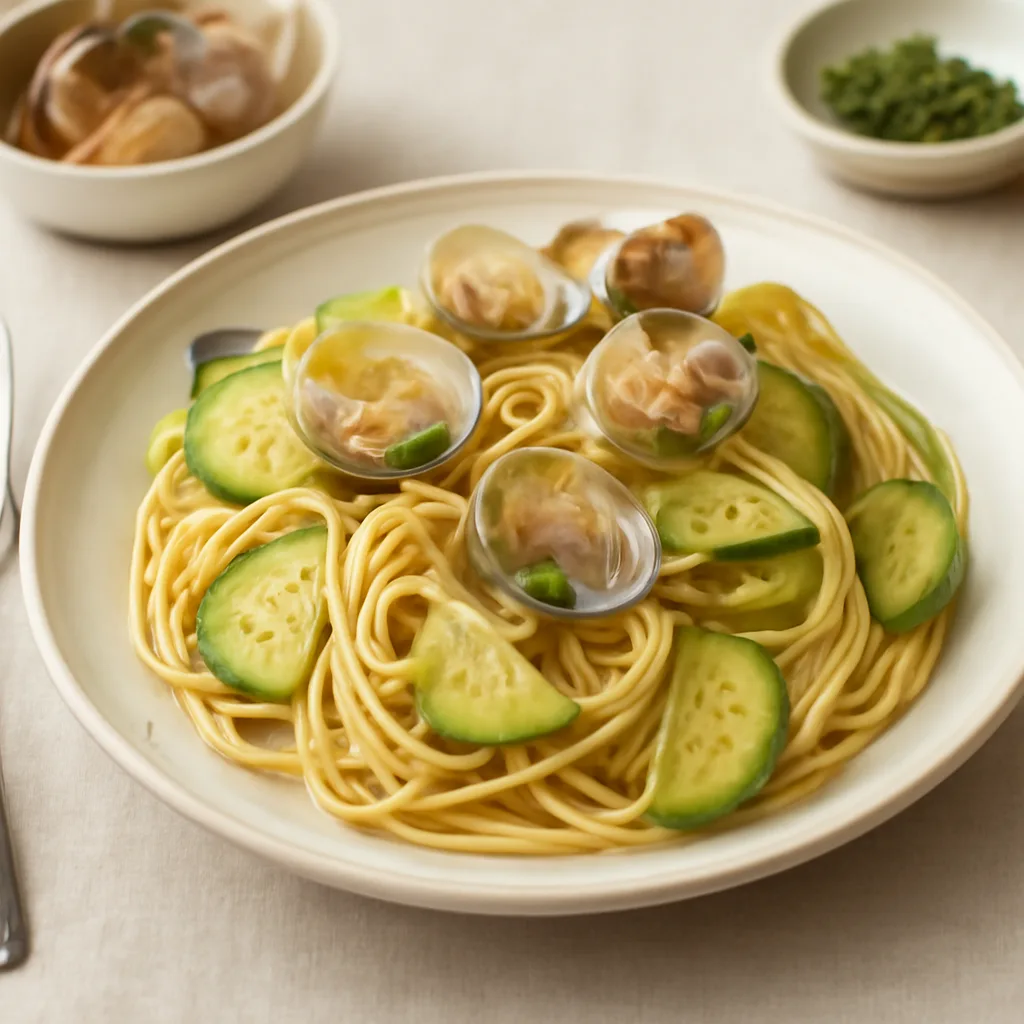
Clams and Zucchini Pasta
Clams and zucchini pasta combines fresh clams and zucchini for a clean, mild flavor. The aroma of garlic enhances the seafood sweetness, making it suitable as a light meal. This pasta pairs especially well with summer, allowing you to enjoy the seafood’s freshness as is.
11
View0
Like1
AI recommendations0
CreatedAbout this recipe
Littleneck clam and zucchini pasta is a light seafood pasta centered on the umami from clams and the gentle sweetness of zucchini. By prioritizing garlic aroma without overpowering the ingredients, the sauce stays light and the pasta naturally picks up flavor. The cooking time is about 30 minutes, and the difficulty is intermediate. The key is not to miss the moment when the clams open, to stop cooking the zucchini before it becomes too soft, and to use the moisture in the pan and from the pasta to bind the sauce. If you want a richer flavor like cream or a strong tomato sauce, this light arrangement may not be the best fit for that style of pasta. Before cooking, check the clams; avoid those that stay closed or have odd odors. Because the clam broth saltiness can vary, it’s best to judge salt levels by tasting the pasta cooking water and at the finishing stage, rather than adding salt all at once.
Taste and Texture
The clams’ briny umami, garlic’s fragrant warmth, and the subtle sweetness of zucchini create a fresh, bright impression. When the sauce lightly coats the pasta, the seafood aroma remains distinct without tasting heavy. Well-cooked zucchini has soft edges and retains some shape, and the clams stay firm in the bite. Overcooking zucchini makes it release too much liquid, thinning the sauce and dulling the texture.
Key to making it delicious
- Rinse clams under running water, scrub the shells to remove debris, and check their condition. When the shells begin to open during cooking, remove them promptly to reduce over-tightening of the flesh; do not force shells that never fully open.
- If zucchini is too thin, it will crumble in the pan; if too thick, it can feel separate when eaten with the pasta. Slice to a similar thickness, cook until the edges become translucent and slightly curved, then proceed to the next step.
- Garlic should be released gently in cold oil or at low heat. If the garlic edges turn brown quickly, lower the heat or briefly cool the pan to avoid bitterness.
- When transferring pasta to the pan, pull it slightly undercooked relative to package directions, and gradually add some pasta water and clam broth, mixing as you go. If the pan shimmers and there is no pool of water, the sauce is bound to the pasta.
- Clam broth is an important flavoring, but can be quite salty. After adding it, taste the sauce and pasta for saltiness before adding more salt; adjust only if needed.
Common mistakes
- If the clams are overcooked and the flesh becomes small and tough, next time remove the shells that have opened first and add them back in at the finishing stage. Clams cook quickly, so there’s little reason to leave them in the pan long.
- If the zucchini releases a lot of water and the sauce becomes bland and thin, don’t crowd the pan; fry over medium-high heat to reduce moisture quickly. When cooking a large quantity at once, they may steam rather than sauté.
- If garlic burns and turns bitter, it can overwhelm the dish; instead of covering the clams and pasta with that base, start over with fresh oil and garlic. The delicate aroma of clams is hard to mask by burnt garlic.
- If the sauce ends up too salty, dilute with unsalted pasta water or add some cooked, unsalted pasta to balance. A common cause is not accounting for the saltiness of the clams and the broth.
- If the pasta sticks and clumps in the pan, don’t turn off the heat; add small amounts of pasta water and loosen with tongs. Adding too much water at once can dilute flavor and separate the sauce.
Application Ideas
- If you want heat, add a small amount of dried chili pepper or pepperoncini when releasing the garlic aroma. However, if you want the clams’ pure scent to remain the focus, keep spicy ingredients to a minimum.
- If you slice zucchini into thin crescents, it will mix with the pasta more evenly and cook faster. If you want more chew, slice a bit thicker and first sauté until well cooked before combining with the pasta.
- If you want a bright finish to the sauce, turn off the heat and add a small amount of lemon juice. If the clam broth already balances without acidity, you can skip the lemon to keep the clam aroma clear.
- To emphasize olive oil flavor, drizzle a small amount at the finish, separate from the cooking oil. If you don’t love a rich oil flavor or the clam broth is already full-bodied, you can reduce added oil for a cleaner taste.
Pairing ideas
- Plate immediately on a wide platter so the clams and zucchini are visible on top of the pasta to highlight the ingredients. If the plate is cold, the sauce may set quickly, so use a warmed plate if possible.
- Pair with a greens salad with light seasoning or a simple crusty bread. If serving bread, adjust the overall seasoning a touch to account for the saltiness of the clam broth.
- Finish with a light herb such as chopped parsley to add a fresh note to the garlic and seafood aromas. Using very strong herbs can mute the delicate zucchini flavor.