Theme guide
Check the selection criteria and cooking ideas for foods that match this theme.
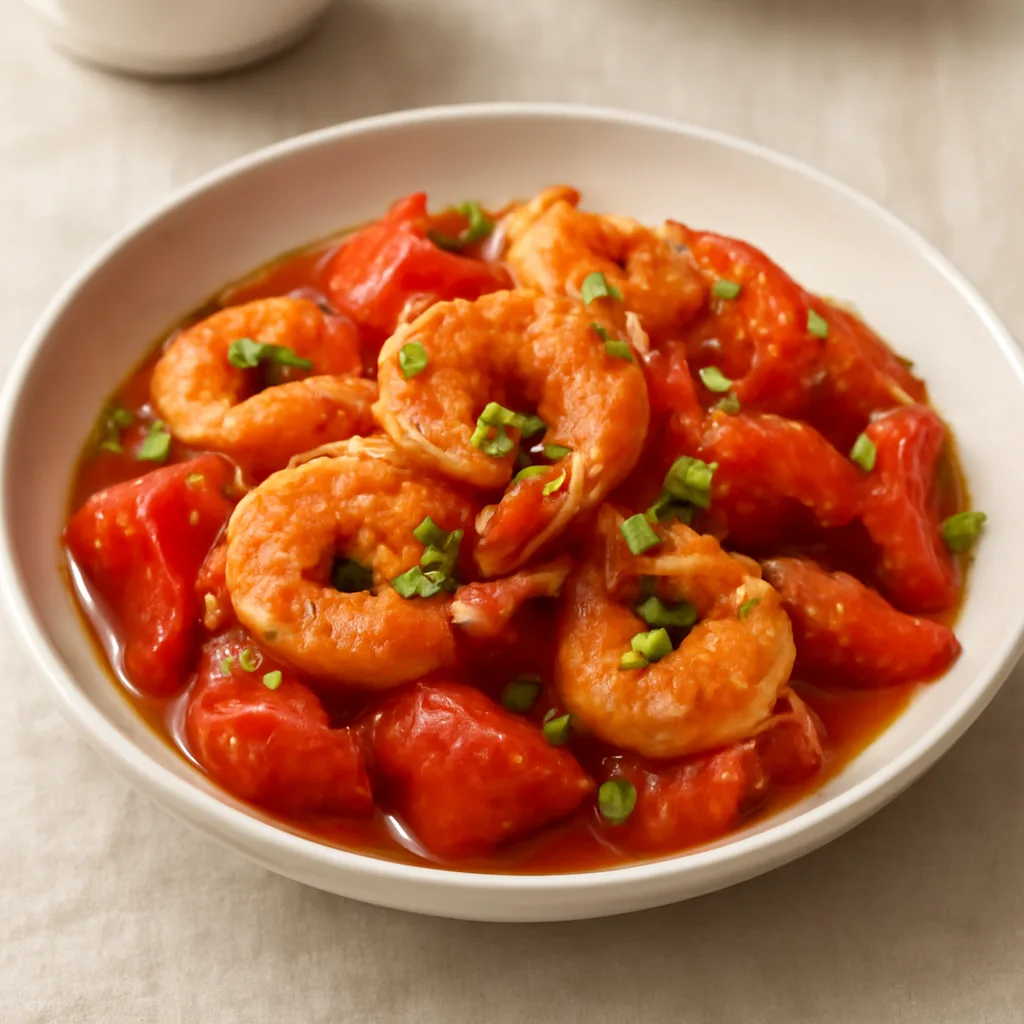
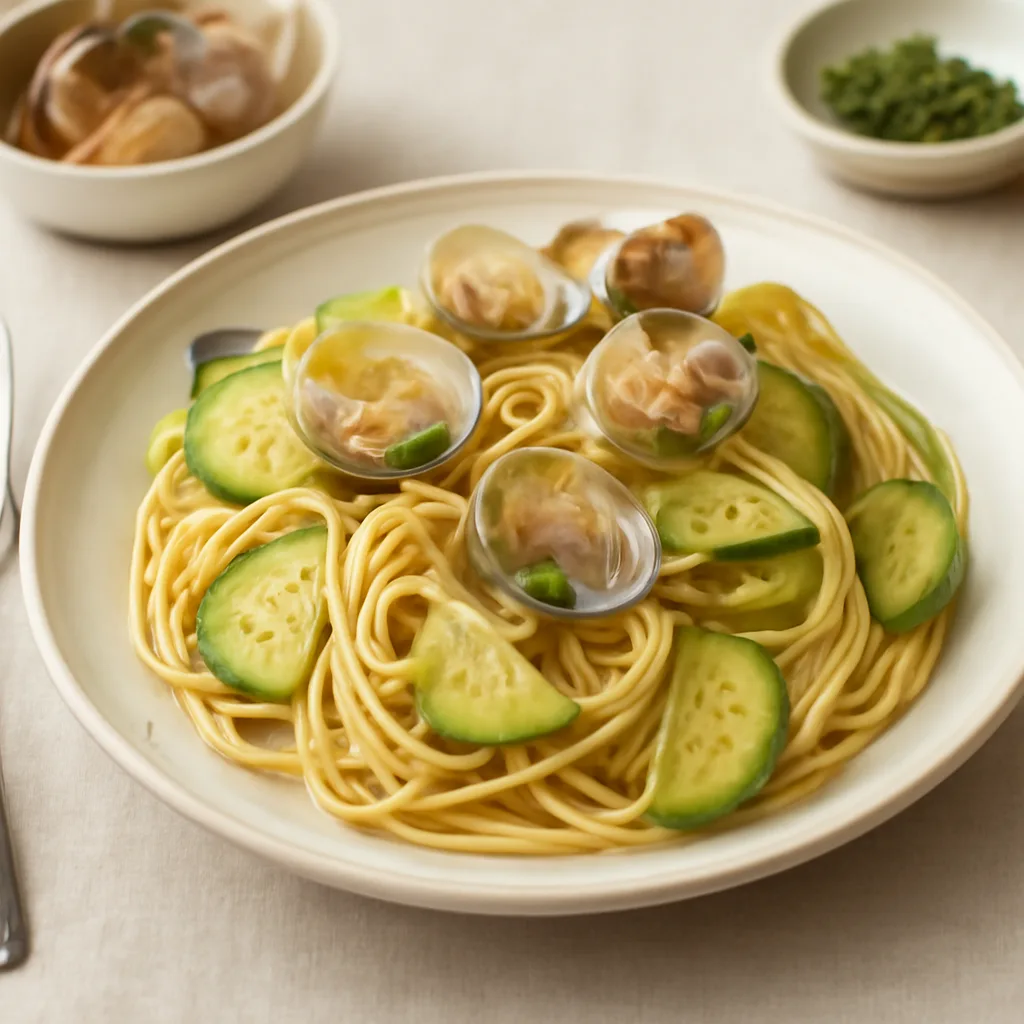
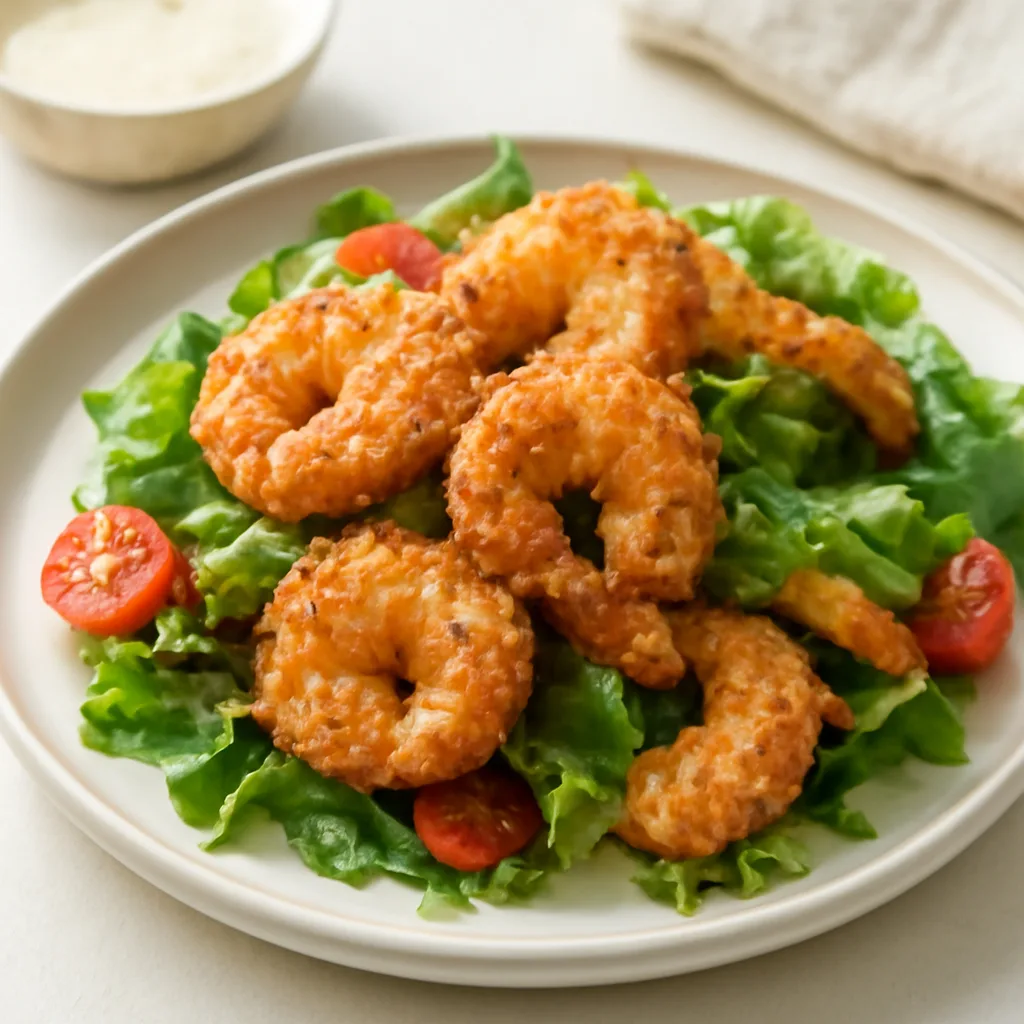
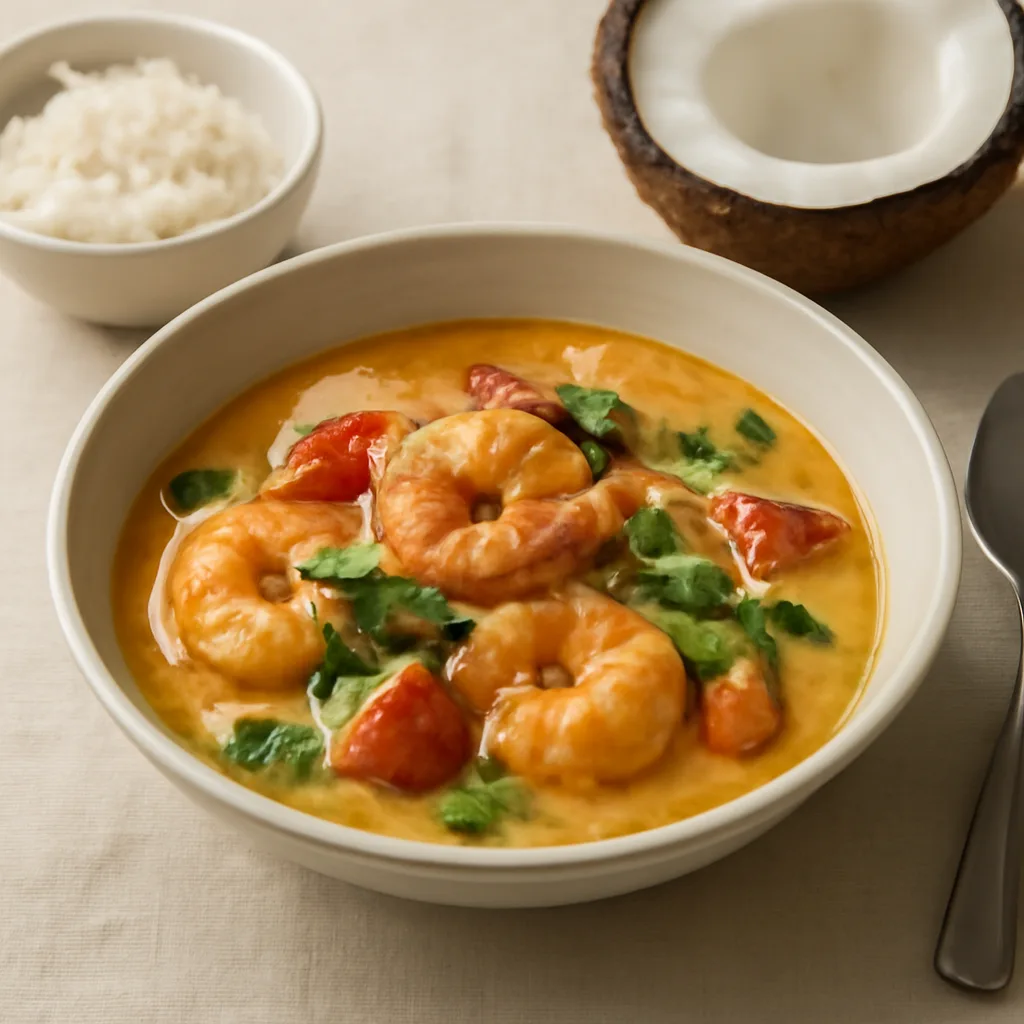
Seafood-focused theme centers meals around ingredients sourced from the sea, such as fish, shellfish, and crustaceans. From mild white fish to richly flavored clams and sweet, distinct textures of shrimp and crabs, even the same seafood dish can feel different depending on whether you choose a broth, grill, stir-fry, or steaming method. A good seafood menu starts with matching the ingredient state and cooking intensity rather than just what you use. Delicate, moist flesh should be lightly cooked to preserve texture, while ingredients with shells or bones that flavor broth or braises work well in soups or stews. However, strong aromas or the need to clean shells can make a quick meal feel burdensome, so it’s practical to consider cleaning and cook time together.
Well-suited for these people
- If you want to build a meal around lighter core ingredients like fish, shellfish, or shrimp.
- In group dining, it can be easier to pick dishes like grilled fish, seafood stews, or clear broths where cooking level can be aligned.
- If you don’t have time for cleaning and shell prep, prioritize canned seafood, pre-cleaned frozen ingredients, or fillets.
- If the texture of raw or undercooked seafood feels uncomfortable, opt for fully cooked methods like grilling, stir-frying, or soups to narrow down the menu.
Food Selection Guide
- If you’re worried about fishy notes, dry the surface of ingredients and choose cooking methods that pair with aromas like lemon, ginger, or garlic. When moisture remains, boiling can be easier and can dull aroma and texture compared to grilling.
- Thicker-fleshed fish suit methods that heat through to the center like grilling or braising; thin fish or shrimp suit quick-cooking methods like stir-frying, frying, or short steaming.
- Shellfish can use the opening of shells as a signal of doneness, but it’s better to remove shellfish that don’t open than to force them.
- When choosing broth-based dishes, you can use ingredients like shellfish shells or shrimp shells for flavor, but for a clear taste, don’t mix too many strong aromatics at once.
- Creamy or butter-based seafood dishes are rich but can mask delicate flavors of the ingredients, so if you want to taste the ingredients themselves, choose grilled, steamed, or clear broth preparations.
Frequently paired ingredients
- Seafood dishes center on ingredients like fish, shrimp, squid, octopus, clams, crabs, etc., with preparation and appropriate cooking times varying by type.
- Garlic, ginger, scallions, and onions are commonly used to complement seafood aromas. For delicate white fish, use one or two lightly; for strongly flavored squid or shellfish, use with broth ingredients.
- Lemon, vinegar, tomato, chili, and herbs add acidity or aroma to balance flavors. When using already salty clams broth or pickled ingredients, check seasoning before adding acidity.
- Vegetables like daikon, napa cabbage, zucchini, and mushrooms pair naturally with stews and braises; if vegetables release a lot of moisture, reduce seasoning and stock accordingly.
Compatible cooking methods
- Pan-searing is suitable for relatively thin ingredients like fish fillets or shrimp. If the surface isn’t browning well, the pan may not be hot enough or the ingredients may be too wet; wipe moisture and avoid turning too often until one side is cooked.
- Steaming is useful to preserve moisture and aroma in shellfish, fish, or crab. Since prolonged steaming can make the flesh firm, add larger ingredients first if sizes vary.
- Stir-frying pairs well with quick-cooking ingredients like squid, shrimp, and shellfish meat along with vegetables. If the pan is crowded, moisture will release and the dish may become soggy, so cook in batches if needed.
- Soup and braise suit bones-in fish or shellfish that contribute to the broth flavor. Avoid lengthy simmering from the start, cook the broth and sturdy vegetables first, then add seafood near the end.
Tips for beginners
- Start with cleaned shrimp, fish fillets, or shelled shellfish for easier cooking decisions.
- When using frozen seafood, pat dry surfaces and remove moisture. Excess frost or moisture can cause ingredients to steam rather than brown.
- If seafood becomes tough from overcooking all at once, prep vegetables, sauces, and broth first and add seafood at the end for a brief cook.
- Seasoning is safer to adjust near the end of cooking. Some shellfish and processed seafood have inherent saltiness, so adding too much salt at the start can overwhelm the overall flavor.
Menu Composition Tips
- When centering around seafood, choose accompaniments like rice, bread, noodles, or potatoes that pair well and soak up broths or sauces.
- If you want to include multiple seafoods on one plate, group ingredients with similar cooking times. Quick-cooking items like shrimp and shellfish meat mix easily, while thick fish pieces are better cooked first or separately.
- For spicy seafood stir-fries, pair with mild vegetables or clear broth, and for butter or cream-based dishes, add tangy salads or pickled vegetables to create contrast.
- If you feature shellfish like clams or crabs as the main, plan for a space to handle shells; for a simpler meal, base on fillets, shrimp, or shelled meat.
Foods included in this theme
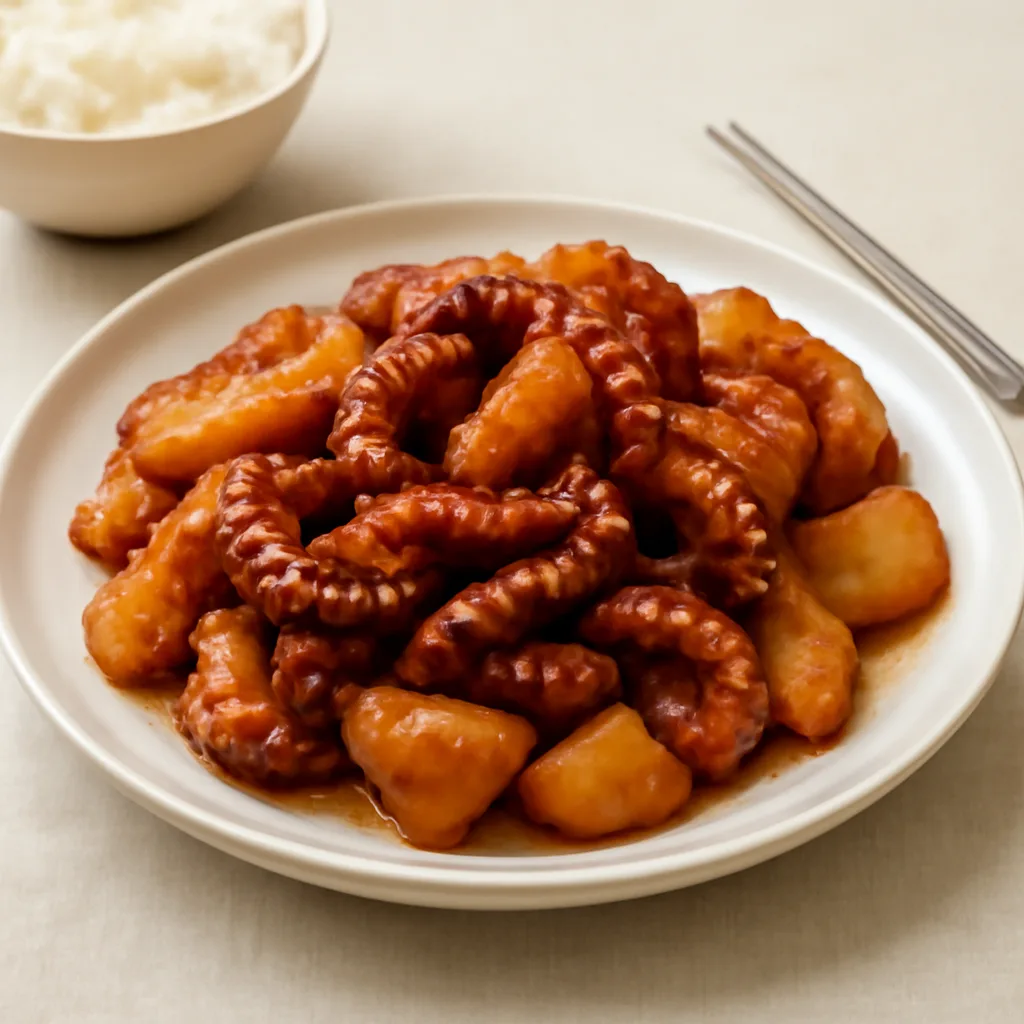
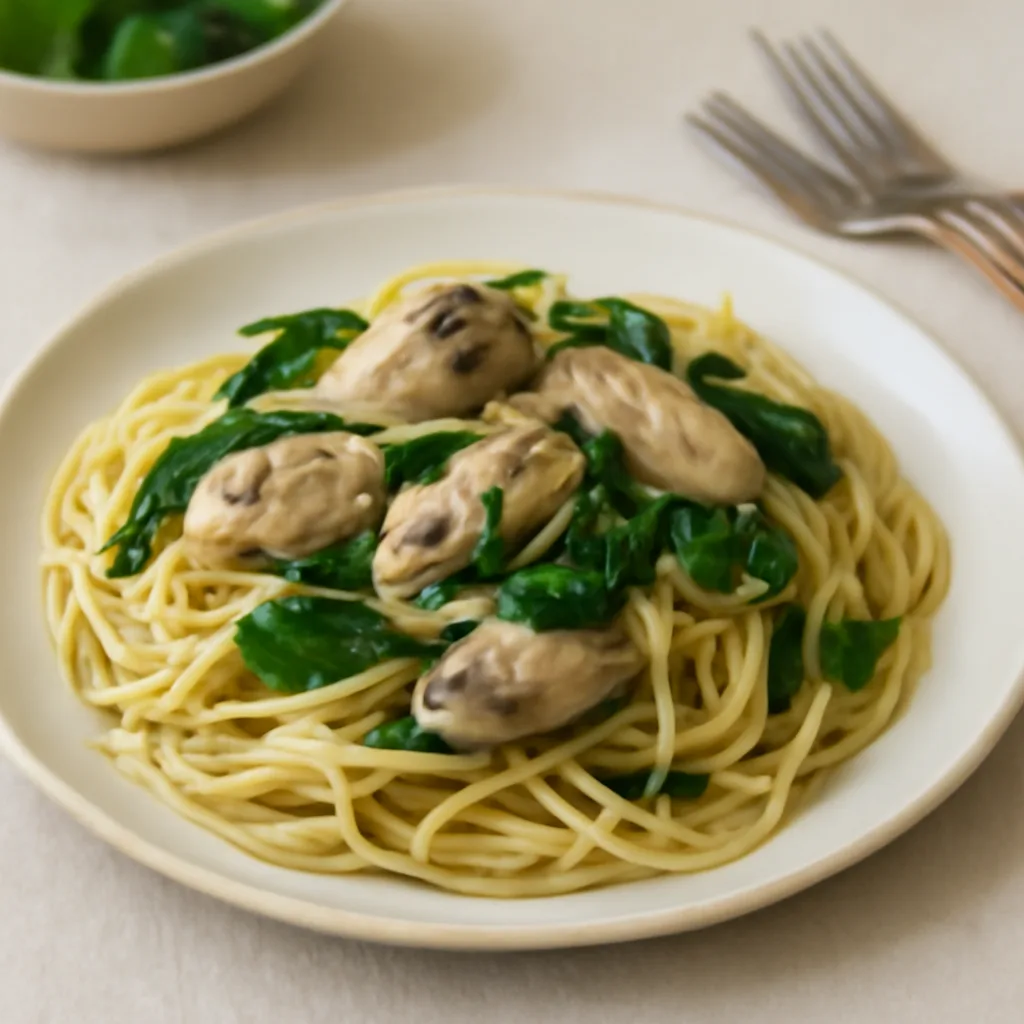
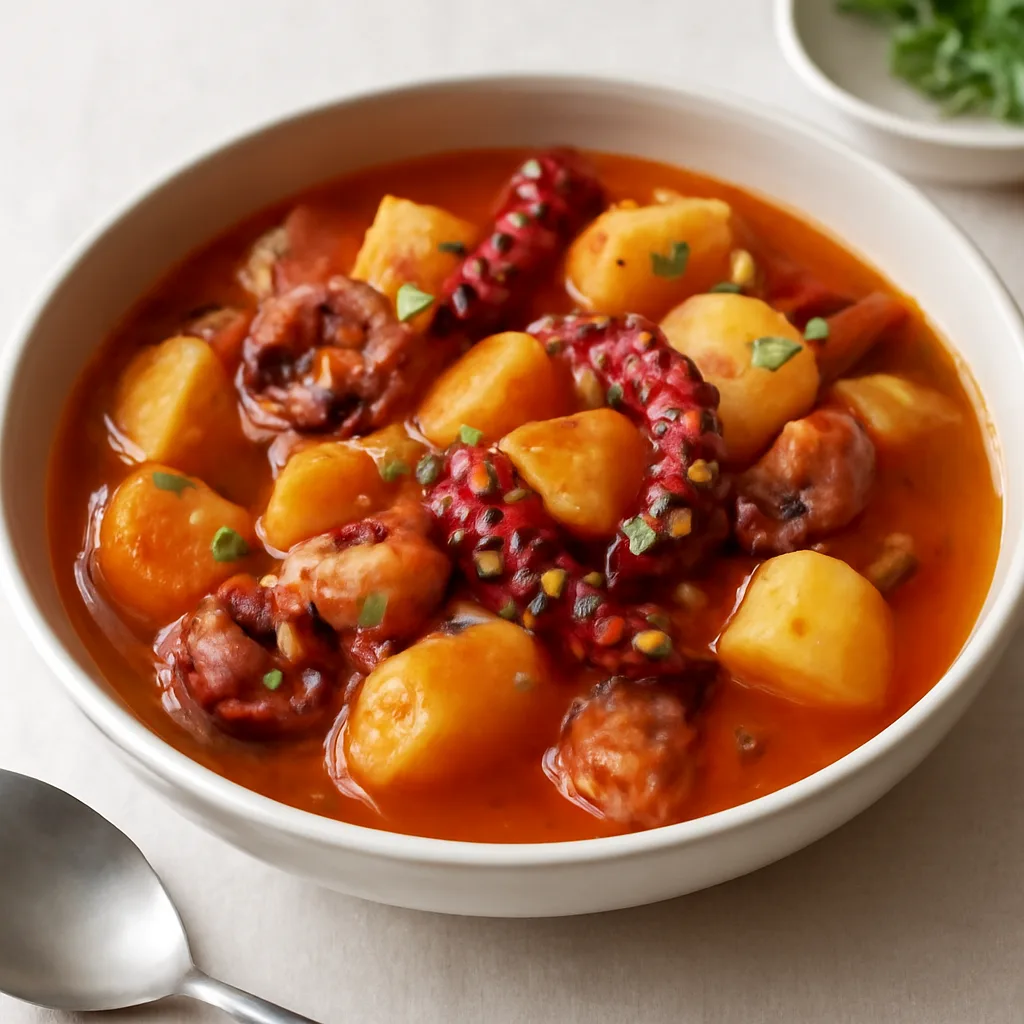
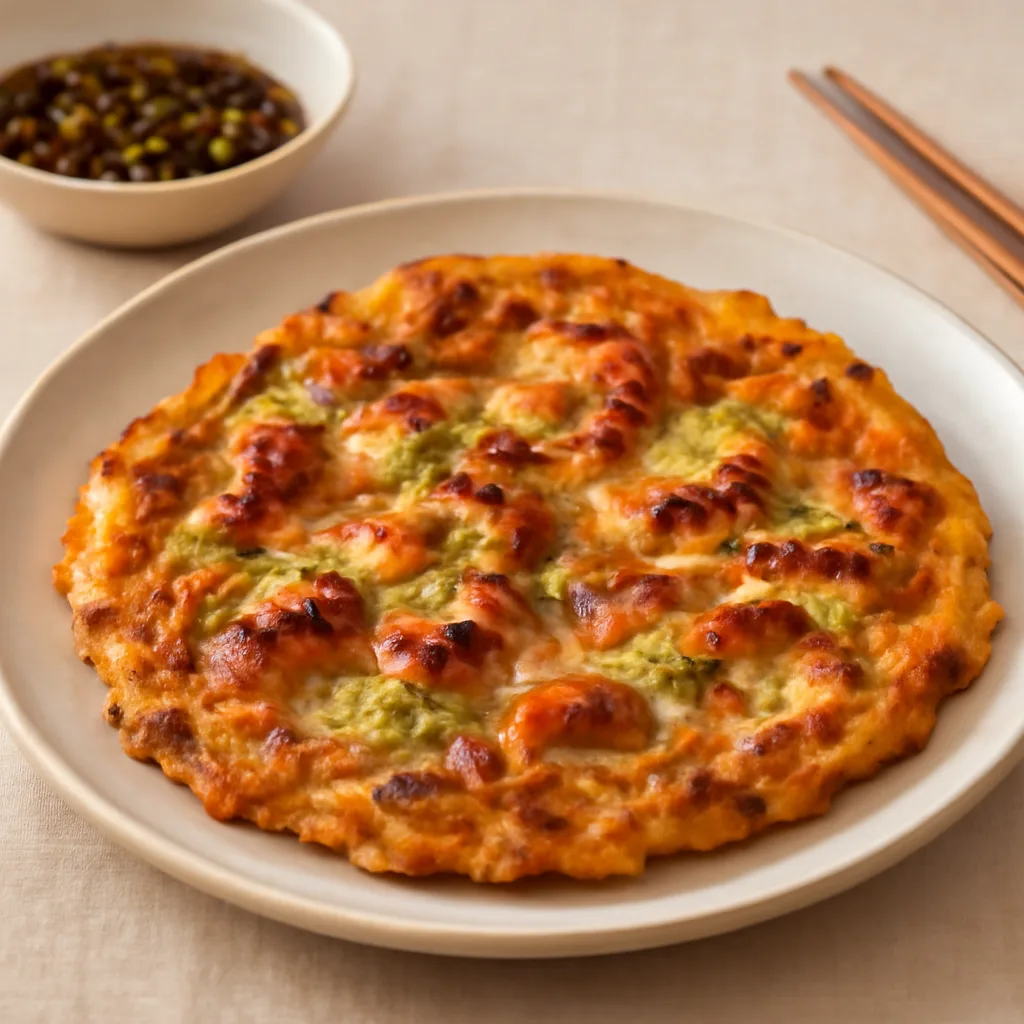
Here are the foods included in this theme, sorted by views from CookPagoda's public food.