Theme guide
Check the selection criteria and cooking ideas for foods that match this theme.
The Italian theme is a selection for a meal composed by combining ingredients like tomatoes, olive oil, cheese, herbs, and pasta, rice, or bread. It includes not only pastas and pizzas, but also vegetables, soups, risotto, and roasted meats or fish that highlight the flavors and textures of the ingredients. When choosing a menu, it’s easier to judge by first matching the sauce’s consistency and the form of the main ingredient. A light pasta with oil or a light tomato sauce suits thin pasta, while a richer sauce with meat or mushrooms goes well with wide or thick pasta. However, not all Italian dishes center on cheese or tomatoes, so when a lighter meal is needed, you can choose compositions that use lemon, herbs, and roasted vegetables. A strength of this theme is that a clearly defined dining mood can be created with a few basic ingredients. Conversely, layering cheese, pickled meat, and rich sauces across several dishes can make flavors feel heavy and salty, so it’s best to balance with a crisp salad or simply prepared vegetables on the side.
Well-suited for these people
- It fits well when you want a warm meal built around pasta, rice, or bread.
- People who enjoy ingredients with strong aromas like tomatoes, herbs, and olive oil have more variety to choose from.
- It’s easy to serve pastas or oven dishes along with salads when feeding several people.
- If you need very short prep time or want to minimize washing up, a setup that makes multiple sauces and accompaniments at once may not be suitable.
Food Selection Guide
- If you want a lighter meal, start with oil-based pasta that isn’t greasy, vegetable soups, or salads. Combinations rich in butter, cream, or cheese can be very flavorful, so choose them when you need a hearty menu.
- If peak-season vegetables are available, decide on a method (roasting, sautéing, or soup) based on how watery the produce is. For watery vegetables, sauté or roast on high heat first to reduce moisture and prevent the sauce from becoming thin.
- If you want a texture that clings to the sauce, consider flat-sided or grooved pastas; if you want a clear, light sauce, opt for thin pasta. This is a common guideline and you can adjust based on what you have at home and the sauce’s consistency.
- If the main dish centers on cheese and tomato, choose a refreshing accompaniment such as lemony greens or roasted vegetables to balance. Adding the same intense flavors in the sides or desserts can make it hard to distinguish flavors later in the meal.
Frequently paired ingredients
- Olive oil, garlic, onion, tomato, pepper, herbs like basil and oregano are easy to use in sauces and vegetable dishes.
- Pasta, rice, and bread can serve as the carbohydrate base to carry sauce, broth, or accompaniments. Using more than one starch in a single meal can be too much, so it’s best to pick one centerpiece staple.
- Hard cheeses like Parmesan or melting cheeses like mozzarella add saltiness and texture. If you’ve already added salty cheese or cured ingredients, adjust salt at the end by tasting.
- Mushrooms, eggplant, zucchini, leafy greens, and legumes can fill out a dish without meat. If ingredients soften, roast or sauté first to reduce moisture before adding to sauce.
Compatible cooking methods
- Sautéing helps quickly release the aroma of garlic, onion, and vegetables and forms the base for pasta sauce. If ingredients release a lot of water because the pan isn’t hot enough, raise the heat a bit or cook in batches.
- Boiling and simmering suit dishes that bring flavors together like tomato sauces, bean dishes, or soups. If sauce thickens too quickly, add a little water or stock to loosen it.
- Roasting is good for ingredients like eggplant, mushrooms, chicken, or fish to bring out a browned flavor on the surface. If the center seems undercooked after plating, slice thinner or finish cooking at a lower temperature.
- Oven cooking is convenient for melting cheese or cooking multiple ingredients together in gratins or baked dishes. If there’s no oven, choose dishes that can finish with a pan and lid.
Tips for beginners
- Start with a simple oil pasta or basic tomato sauce to focus on one core flavor. If the taste is flat, identify what’s lacking—seasoning with acidity, cheese, or pepper rather than adding salt all at once.
- Follow the package’s pasta cooking time, but leave a little extra time for finishing in the sauce pan. If the pasta ends up too soft, shorten the boiling time next and reduce the time for combining with the sauce.
- Overly dark browning of garlic can introduce bitterness. Once aroma rises, add other ingredients or liquids to lower the temperature to reduce excessive browning.
- If the sauce becomes clumpy or oily after adding cheese, lower the heat and blend in a small amount of pasta water or warm water. Prolonged high heat can roughen the texture of the cheese.
Menu Composition Tips
- If serving for two or more, divide roles: one main starch such as pasta or risotto, one vegetable side, and one protein or bean dish.
- When centering a tomato sauce pasta, offer a variety of textures by including greens or roasted vegetables as sides rather than a drippier tomato bruschetta or thick tomato soup.
- If the main is an oven dish, pair with a cool salad or simple bread prepared during cooking to avoid overlap in workflow.
- If you plan a fruit or light dessert at the end, avoid stacking too many cheese and cream flavors in the main course. Conversely, for a heartier one-dish meal, a sauce-based pasta with added protein can be suitable.
Foods included in this theme
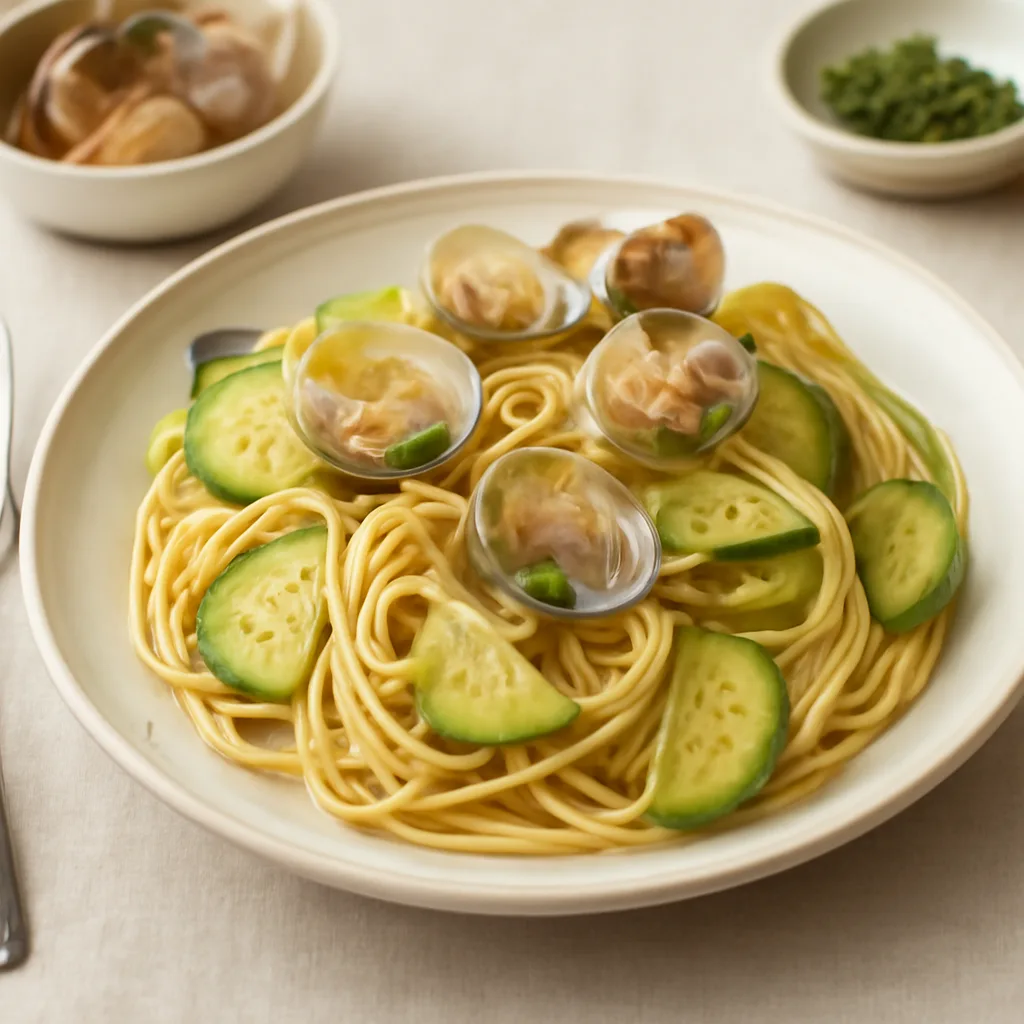
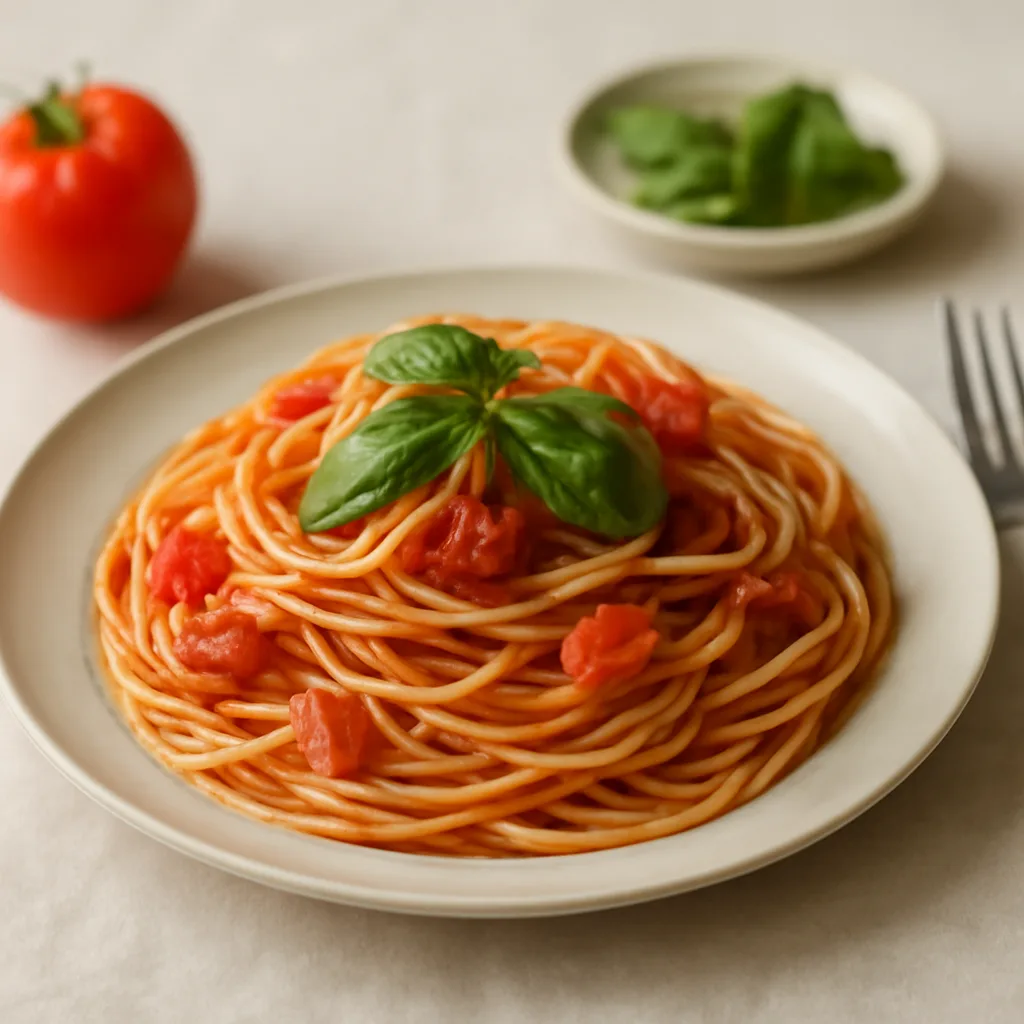
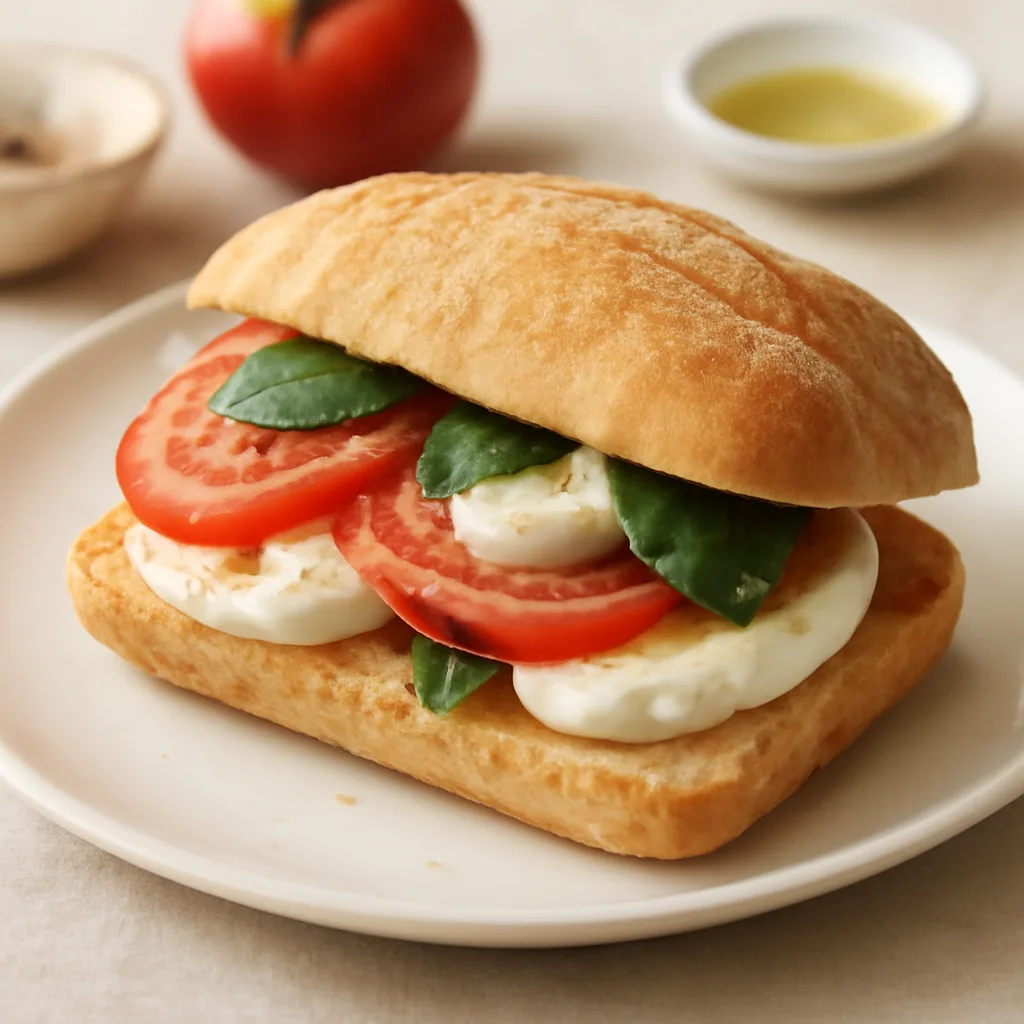
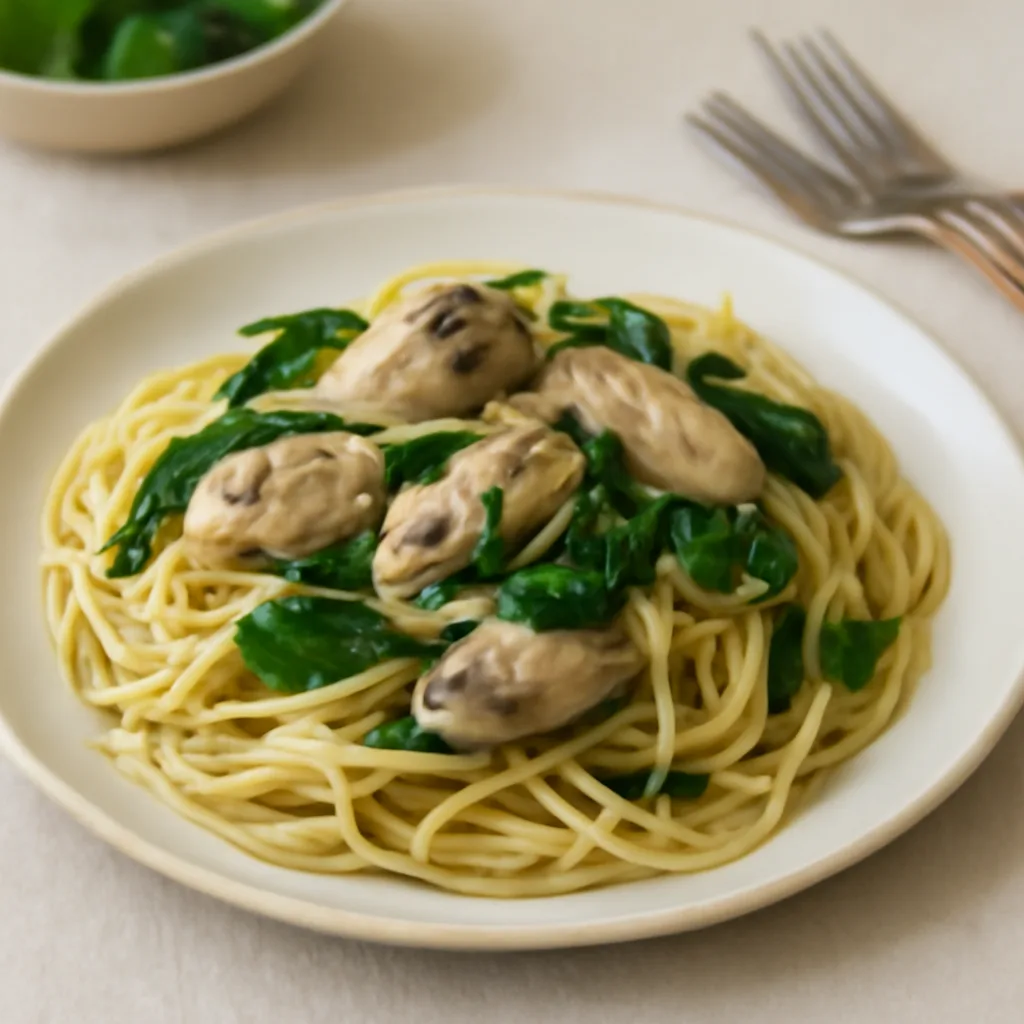
Here are the foods included in this theme, sorted by views from CookPagoda's public food.