View recipes
Check the reference data for the selected food.
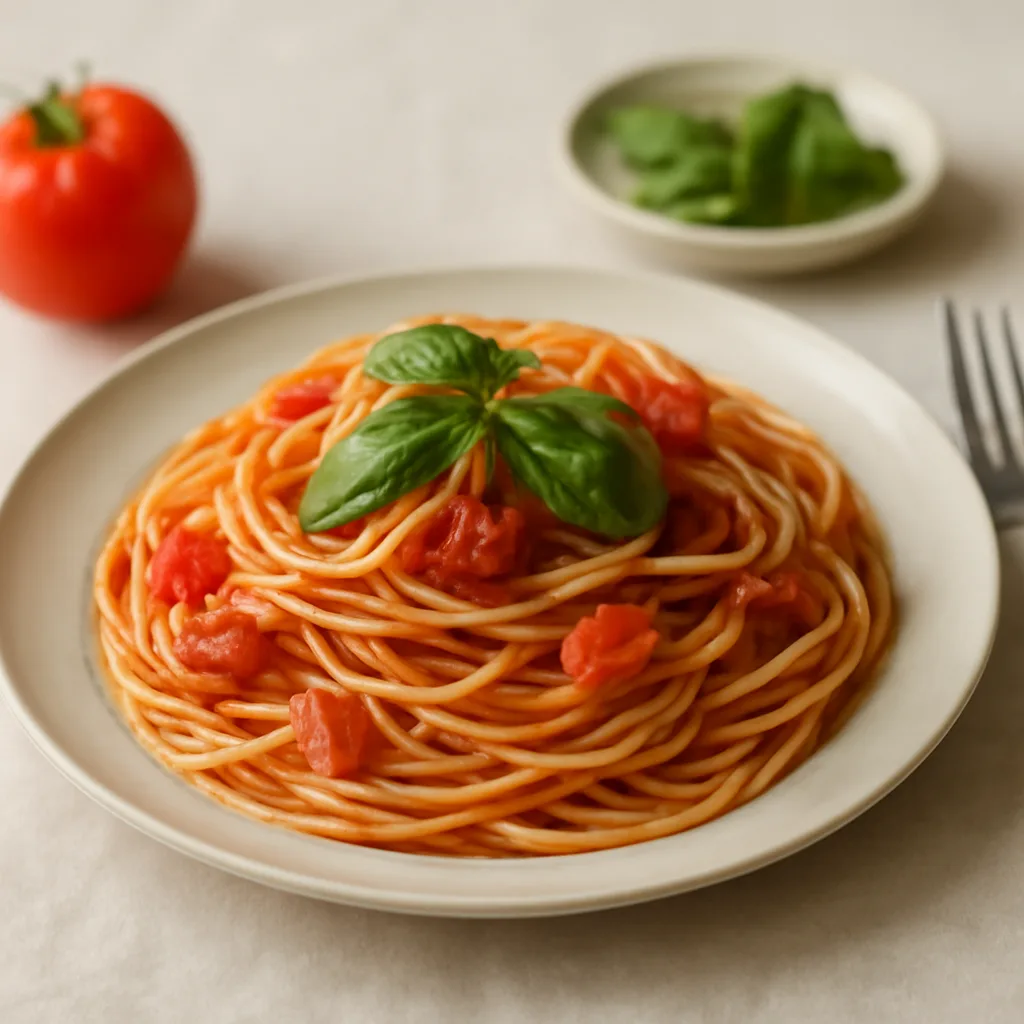
Tomato Basil Spaghetti
Tomato basil spaghetti combines fresh tomatoes, basil, and soft mozzarella cheese for a bright and rich flavor. This dish is simple yet lets you enjoy the taste you’d find in an Italian restaurant at home.
Main Ingredients
Related Themes
11
View0
Like1
AI recommendations0
CreatedAbout this recipe
Tomato basil spaghetti is a pasta dish that layers the bright acidity of tomato with the aroma of basil and the creamy softness of mozzarella cheese. Because the ingredient list is simple, the moisture of tomatoes, the doneness of the pasta, and the timing of adding the cheese make the difference in the final result. Cooking time is about 25 minutes, and the difficulty level is intermediate. When handling tomatoes in a skillet, it’s good to decide first whether to keep the thin fresh tomato sauce as is or simmer it a bit longer to create a sauce that clings to the pasta. A fresh style pairs with light heating, but with very watery tomatoes the sauce may pool on the plate. Basil and mozzarella tend to lose their advantages the longer they are heated. Add basil at the end to leave its aroma, and add mozzarella after off the heat or with the heat of the drained pasta so it gently melts, avoiding overpowering the tomato flavor while giving a rich impression.
Taste and Texture
The well-cooked spaghetti captures the light acidity and juice of tomato, while basil finishes with a clean, fragrant aftertaste. Mozzarella adds a soft, fatty texture rather than saltiness, helping to ease the sharpness of tomato. If you simmer the sauce less, it stays moist and fresh, but the pairing with the pasta becomes lighter; if simmered sufficiently, the flavor concentrates but the fresh tomato feel may fade.
Key to making it delicious
- When spaghetti still has very slight firmness in the center, transfer it to the pan so the tomato sauce can finish cooking together, keeping the time for tossing in the pan short once the pasta is already tender.
- If a lot of clear liquid collects on the bottom of the pan after heating the tomatoes, the sauce may run off the pasta rather than sticking to it, so continue cooking a bit longer until the desired consistency and adjust moisture.
- After adding the pasta to the sauce, add small amounts of reserved pasta cooking water as needed while tossing. Use the water only if the sauce is too thick; if the tomato moisture is already sufficient, it’s better not to add more.
- Tear or thinly slice basil and add at the finishing stage to keep its aroma bright. If the pan heat is very strong, turn off the heat before adding to prevent burning the color.
- Moisture from mozzarella can make the whole dish runny, so lightly dab the surface to remove excess water before use. In particular, if the sauce remains moist, avoid over-adding cheese for better balance.
Common mistakes
- Adding pasta too soon after tomatoes can run the tomato moisture before the juices have reduced enough, causing a pool of liquid on the plate. Observe the tomato’s moisture in the pan; if the juice is too abundant, simmer briefly longer before adding the pasta.
- If you boil the pasta and let it sit too long, the surface dries and sticks together, preventing even coating of sauce. Prepare to mix with sauce as soon as pasta is ready, or have it ready to mix immediately if you must wait.
- Sautéing basil for too long at the start can leave a grassy, harsh aroma and dull color. If the aroma seems weak, add fresh basil at the finish rather than heating it more during cooking.
- Boiling mozzarella on high heat for a long time can cause it to clump into a lump or feel oily. As long as it melts, that is enough—lower the heat or remove from heat before adding.
Application Ideas
- If you want a more pronounced acidity from tomatoes, simmer the sauce for a shorter time and add generous basil. Note that using very watery tomatoes may thin the pasta, so this isn’t suitable when you want a sauce with sufficient body.
- Break mozzarella into small pieces to mix throughout the pasta for a creamy texture in every bite, or place larger pieces on top to make the tomato and basil flavors feel more pronounced.
- If you dislike the texture of tomato skin, peel the tomatoes for a smoother sauce. Conversely, for a lively texture, keep the chopped tomato pieces.
Pairing ideas
- Right after finishing, place on a wide plate and scatter basil and mozzarella on top so the cheese melts into the sauce, preserving the contrast of ingredients.
- If the sauce is moist, coil the pasta with tongs first, then ladle the remaining tomato sauce on top to prevent the plate from looking too soft.
- When serving as a light meal, show the basil and tomato to emphasize a fresh impression, and if you want to highlight the creaminess of the cheese, top hot pasta with mozzarella and serve while slightly melted.