Ingredient Encyclopedia
Check the characteristics of the ingredients and how to use them in cooking.
Minari
2
4
Minari is a fragrant stem vegetable, good for adding a fresh herbal aroma to broth-based dishes, namul, and hot pots. The leaves and tender stems can be eaten together, and heating softens the aroma, while using it raw highlights its distinct fresh scent. Dividing by stem thickness and texture is convenient. The tender parts are suitable for salads or as finishing garnish, while the firm or thick stems can be added to soups or stews and cooked through, or finely chopped for use in pancakes or stir-fries. Boiling too long weakens color and aroma, so for dishes where you want to preserve aroma, add it at the end.
Taste and Texture
Minari has a fresh, clear aroma with a slight bitter herbal note; when cooked, the sharpness diminishes and sweetness and a soft vegetable aroma emerge. If the aroma feels strong, it is often because more leaves or more raw use is present. Tender stems are crispy yet soft, while the bases of thick stems may feel fibrous. Blanching or brief simmering in broth softens them, but overcooking makes them mushy and dulls the aroma.
Main uses
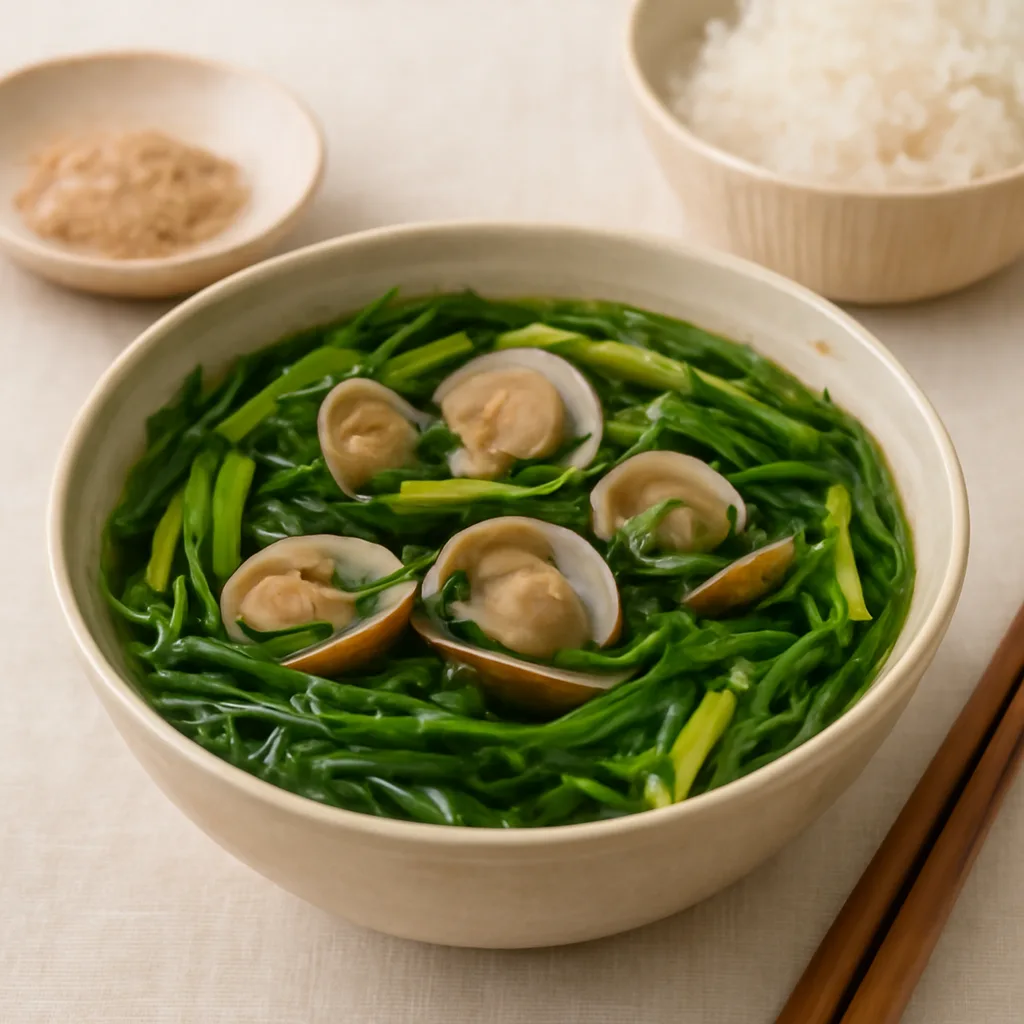
- Add near the end to clear soups, doenjang jjigae, spicy stews, or hot pots to enhance aroma and green color.
- Pairing with meat in hot pots or shabu-shabu helps brighten the greasy flavor. For long-simmered dishes, add at the end rather than from the start for better texture.
- Marinate blanched minari for a side dish, or lightly toss with a strong seasoning. If you use a lot of seasoning, it can overwhelm minari’s fragrance, so adjust salt gradually.
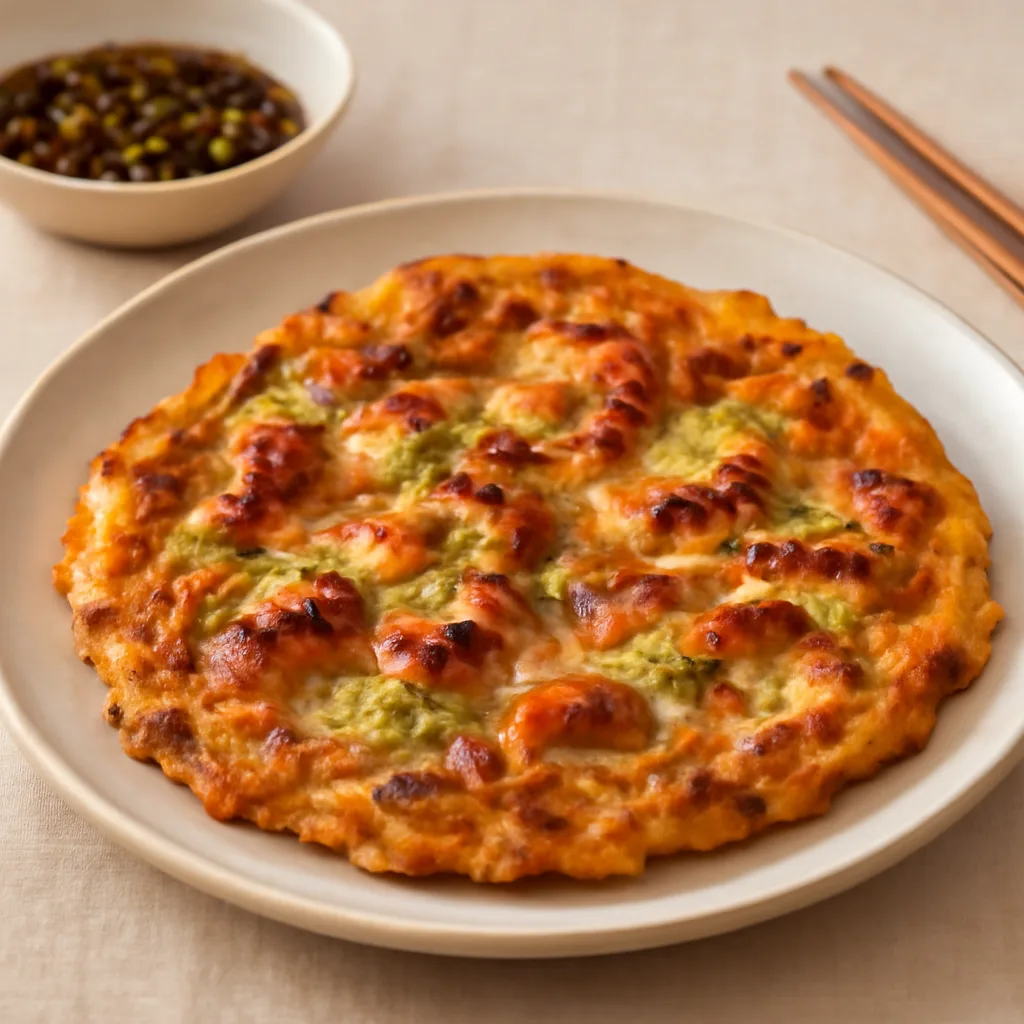
- Chopped minari can be used in pancakes or jeon. If added too much to the batter, moisture can release and the edges become soggy; balance with other ingredients.
Preparation tips
- Rinse thoroughly under running water, shaking several times to remove soil or impurities trapped between stems and leaves; trim the fibrous base as needed. If the thick stems and tender leaves cook at different speeds, add the stems first and the leaves later. When cutting into bite-sized pieces, cut thicker stems shorter to reduce fibrous feel.
- For namul, blanch briefly in boiling water then wring out the moisture lightly. Too much moisture will thin the seasoning, and squeezing too hard may crush tender leaves.
- When using raw, taste the aroma first and then determine the amount. If the aroma is particularly strong, use more delicate stems and leaves or blanch briefly before using.
Cooking characteristics
- When heated, the fresh aroma and slight bitterness mellow and the stems soften quickly. To bring out aroma from broth, add right before turning off the heat; to reduce the firmness of the stems, cook a bit longer.
- Over high heat, leaves can wilt easily and color can dull. When using in stir-fries, cook other ingredients first, then add minari for a quick toss. Adding lots of salt or seasoning early can cause moisture to escape, making namul and pancake batter soggy. For pancakes, add the minced minari just before cooking, or adjust batter if the moisture is high.
- When paired with acidic seasonings, the aroma can become more pronounced. If a bright, sharp sourness is too strong, reduce vinegar and add nutty elements like sesame oil or sesame seeds to balance.
Good combinations
- Pairs well with strong-flavored ingredients like beef, pork, or fish, where minari adds a fresh aroma amid heavier flavors.
- Soybean paste, chili pepper paste, garlic, sesame oil, and sesame seeds complement minari’s fresh taste. However, too much garlic and gochujang can mute the delicate aroma.
- Pairs with tofu, mushrooms, and shellfish in broths to create a balanced center of aroma for milder ingredients.
- When adding acidity like vinegar or citrus, start with small amounts. If raw minari’s bitterness is prominent, a more savory seasoning can create a softer balance.
Points to consider when substituting
- For aroma in broth-based dishes, crown chrysanthemums are a close stand-in, but their aroma is deeper and the leaves are softer, so start with a smaller amount.
- For crunchy stems where texture is key in pancakes or stir-fries, you can use parts of chives or celery stems. Chives wilt faster and celery imparts a noticeably different aroma, so it isn’t a perfect substitute.
- If the unique aroma of minari is essential in namul, it may be better to adjust the seasoning rather than replace with a substitute. For example, if using chives, shorten blanching time and lightly season to preserve texture.
Ingredients commonly used together in actual dishes
Aggregated based on the co-occurrence count of representative ingredients in public dishes registered in CookPagoda.
Dishes that use this ingredient
Shows dishes where this ingredient is a representative ingredient, sorted by view count.