Ingredient Encyclopedia
Check the characteristics of the ingredients and how to use them in cooking.
낙지
1
3
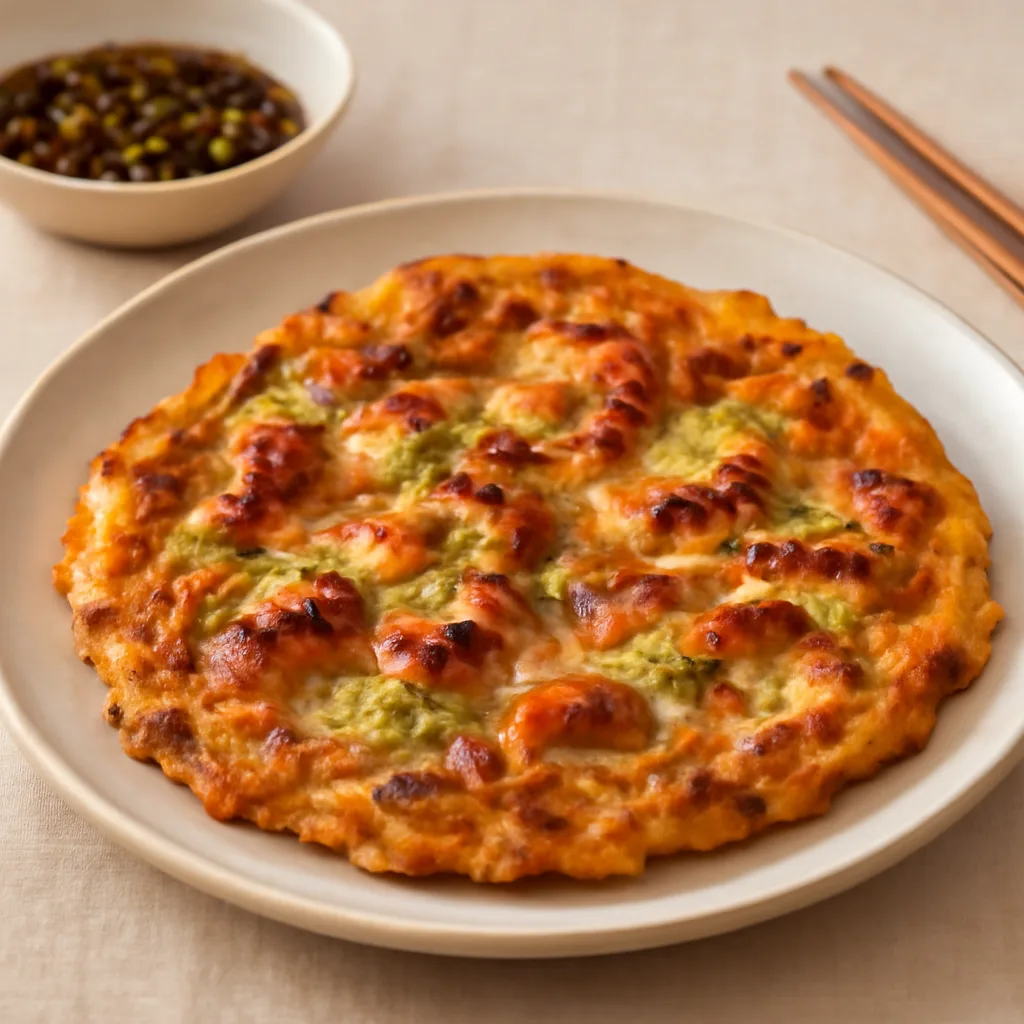
Octopus is a small cephalopod seafood known for its bouncy texture and subtle sea aroma, used as an ingredient. The flesh is relatively tender, but overcooking makes it firm and chewy, so quick cooking or slow, gentle cooking is well suited. It is used in stir-fries, hot pot, and soups with broth-like bases, as well as blanching and marinating. It readily takes on seasonings and pairs well with spicy preparations using gochujang, chili powder, and garlic, and in clear broths it is good to feature the flavor of octopus with not-too-strong accompanying ingredients like radish, green onion, and water parsley. For best results, pat dry the cleaned octopus before cooking. If a lot of water comes out when it hits the pan, the stir-fry sauce can become thin and the temperature can drop, resulting in a boiled-like outcome; therefore, cook briefly on high heat or divide the ingredients to cook.
Taste and Texture
Octopus is mild with a slight, sweet-savory umami and a distinct ocean aroma. Depending on the individual and how it is prepared, the scent of innards or ink can be more pronounced, so if you want a clean, light flavor, prepare it neatly. Well-cooked octopus is springy to chew while remaining tender. If heated for a moderate amount of time, moisture can evaporate and the muscle tightens, making it chewier.
Main uses
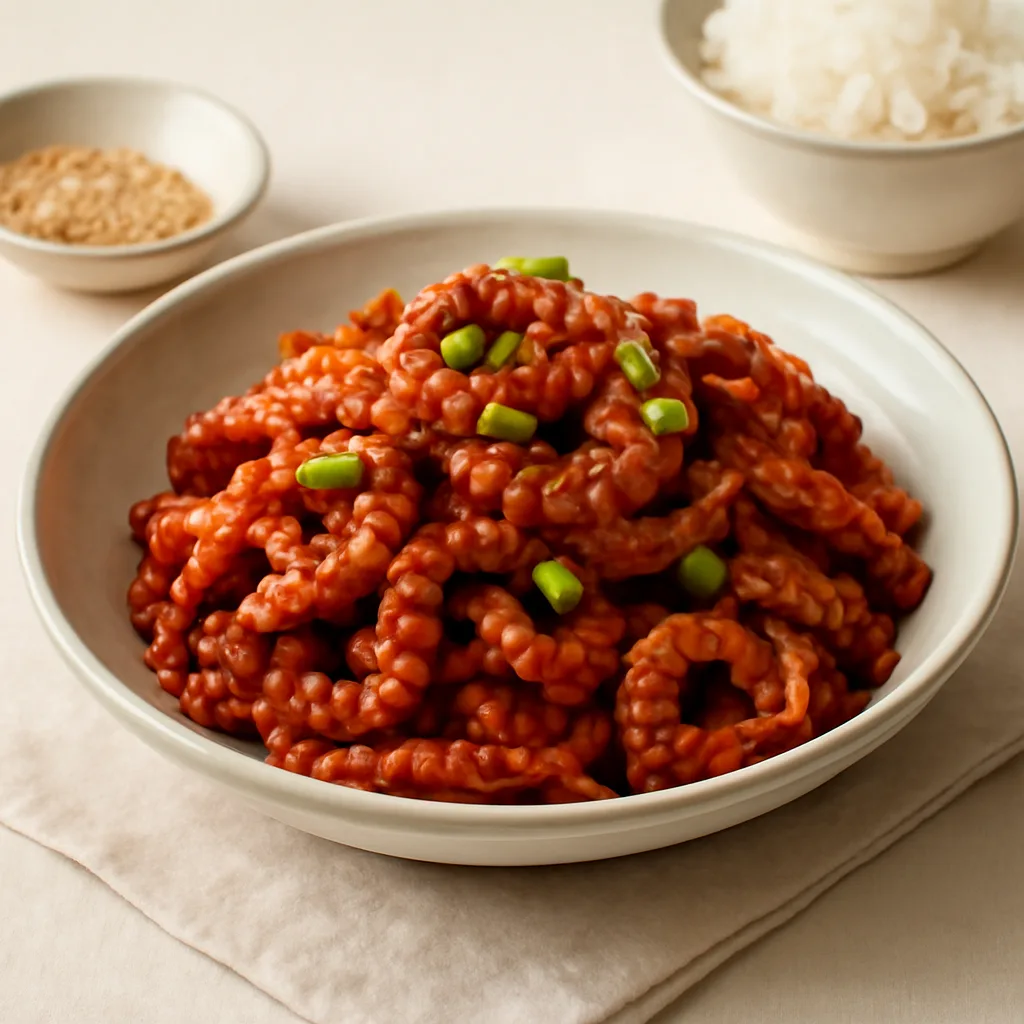
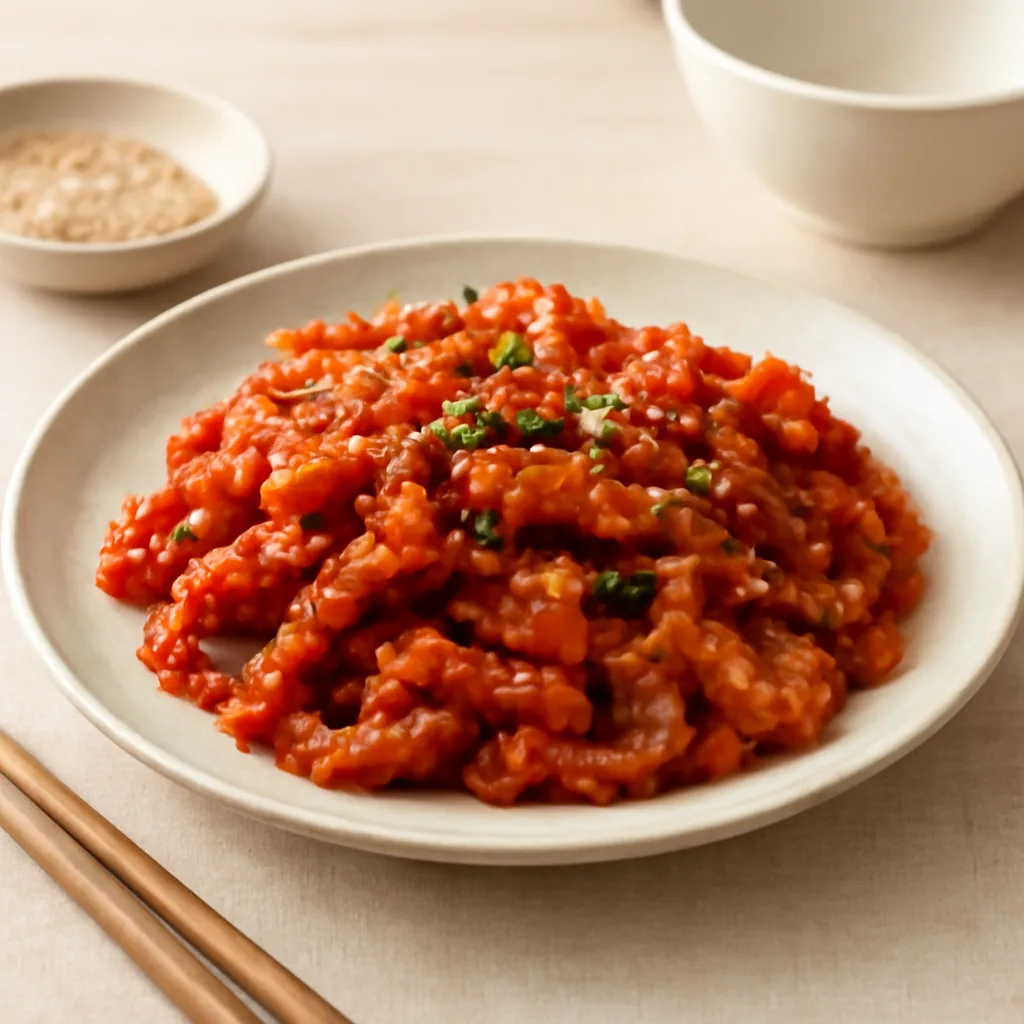
- Sauté quickly with gochujang-based seasoning with vegetables to make octopus stir-fry, great with rice or thin noodles.
- Add to clear soups or hot pots with radish, green onion, bean sprouts, etc., briefly cooking to enhance the seafood flavor in the broth.
- Lightly blanched octopus is marinated in chili pepper paste sauce, soy sauce-based sauce, or sesame oil-based marinade, served cold or lukewarm.
- For porridge or fried rice, finely chop octopus and add briefly; if simmered with rice for too long, texture becomes firm, so add toward the end is more suitable.
Preparation tips
- Turn the head of the octopus over to remove the innards, remove the mouth and eyes, then rinse under running water. Preparation scope varies with the dish; for broth dishes wanting a stronger seafood flavor, leaving some aroma is possible.
- Rub and rinse with coarse salt or flour to reduce the slimy surface and any impurities. After washing, rinse several times; soaking for too long can dilute flavor.
- If sauteing, drain in a sieve and gently pat dry with a paper towel. If surface water remains, heat drops and sauce becomes thin.
- When cutting into bite-sized pieces, divide the thick part of the tentacles and the head into similar sizes to minimize differences in cooking speed.
Cooking characteristics
- When the octopus hits high heat and starts releasing moisture quickly, the seasoning can become thin. In this case, rather than simmering long, briefly set the octopus aside, sauté the vegetables and seasoning first, then combine to preserve texture.
- In boiling broth, add at the end and cook just enough to become opaque and until the tentacles barely straighten. Adding at the beginning to long-simmered hot pots can make it chewier rather than tender.
- When blanching, do not leave it for long after the surface has come back to a boil. Remove and cool when the surface is firm for a desirable chewy texture in a cold dish.
- If you cook on low heat for a long time, the octopus releases water that submerges the other ingredients and can dull the fried aroma. Using a wide pan or not crowding the pan at once is better.
Good combinations
- For spicy stir-fries, vegetables that add sweetness or aroma like cabbage, onion, green onion, or perilla leaves work well, with sesame oil and sesame seeds finishing the flavor.
- In clear soups, ingredients that don’t cloud the broth like radish, zucchini, bean sprouts, or water parsley complement the octopus’s mild taste.
- Garlic, ginger, and cooking wine can help balance the seafood aroma, but too much strong ginger can overshadow the octopus flavor.
- Rice, porridge, noodle soup, and thin noodles pair well with the flavors or broth from the octopus.
Points to consider when substituting
- For dishes where octopus is the main ingredient, small octopus, gumbo squid, or squid can be used as substitutes, but size, moisture, and cooking time differ, so cooking for the same duration will change the texture.
- Gume squid can be cooked briefly in a similar way to octopus, but size and flesh elasticity may differ, so it’s better to remove it earlier in stir-fries depending on the state.
- Squid is an accessible alternative, but its flesh is thicker and sweeter and chewier differently, so it may suit stir-fries or seasoned dishes rather than clear broth. If merely aiming to enhance the seafood umami in the broth, you can add shrimp or clams, but they can’t replace the unique chewy tentacle texture of octopus.
Ingredients commonly used together in actual dishes
Aggregated based on the co-occurrence count of representative ingredients in public dishes registered in CookPagoda.
Dishes that use this ingredient
Shows dishes where this ingredient is a representative ingredient, sorted by view count.