View recipes
Check the reference data for the selected food.
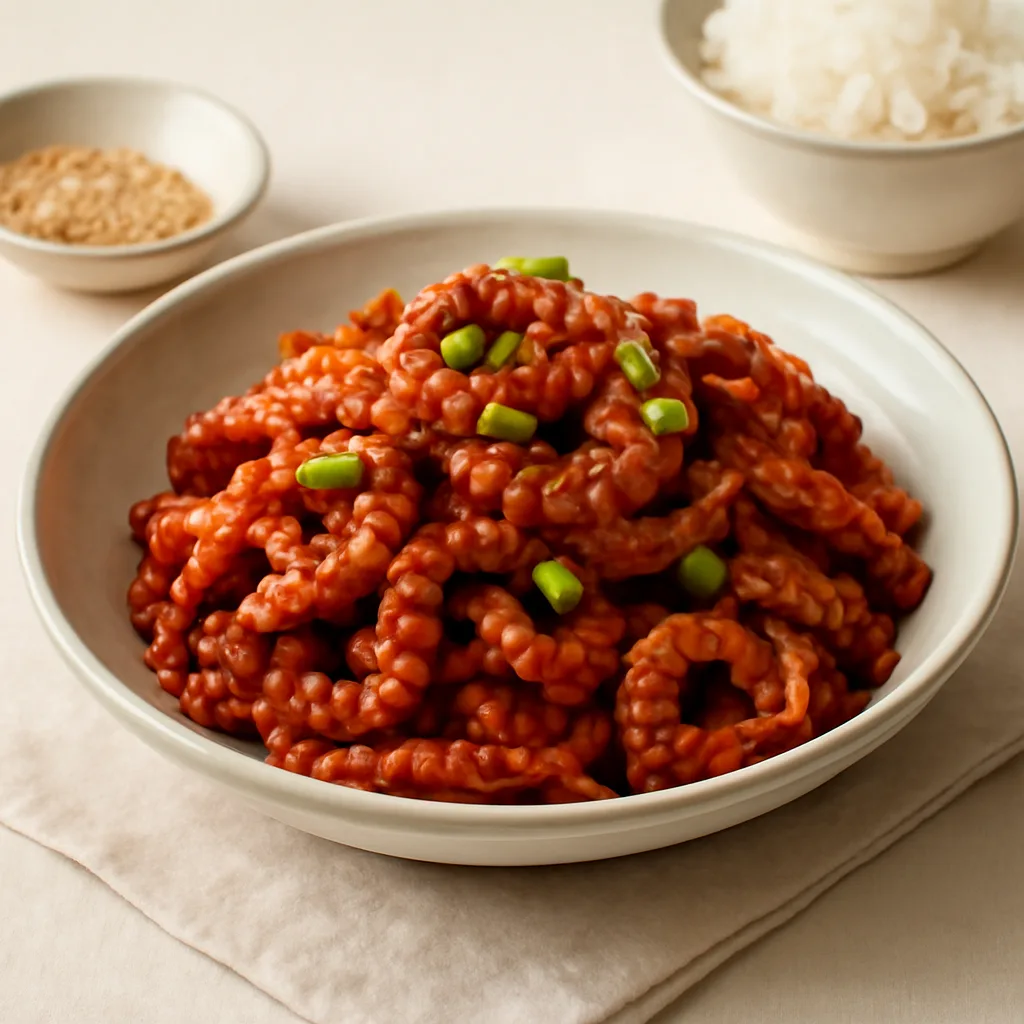
Nakji Muchim
Nakji muchim is a fresh dish where tender octopus harmonizes with crisp vegetables. Tossed with soy sauce and gochujang to deepen the flavor, with the crunchy textures of bean sprouts and water droplets (leafy parsley) alive to whet the appetite.
Main Ingredients
3
View0
Like1
AI recommendations0
CreatedAbout this recipe
Nakji muchim is a dish where lightly blanched octopus is tossed briefly with bean sprouts, water parsley, and green onion in a dressing made of soy sauce, gochujang, vinegar, sugar, and sesame oil. Since the springiness of the octopus and the fresh texture of the vegetables are key, it's best to prep the ingredients in advance and toss just before serving. Octopus should be blanched in boiling water for about 1 minute, then rinsed in cold water to cool, which helps prevent overcooking and makes slicing easier. Depending on the size and thickness of the octopus, the cooking time can vary, so remove it before the body becomes too firm. The seasoning's character changes a lot with the concentration of gochujang and the saltiness of the soy sauce. Rather than adding all the sauce at once, toss first so everything is lightly coated, then adjust with a little vinegar or sugar if you need more acidity or sweetness to prevent the flavors from washing out due to the vegetables' moisture.
Taste and Texture
The salty, spicy gochujang-based dressing is complemented by the acidity of vinegar and the subtle sweetness of sugar, which brightens the palate. Sesame oil adds a toasty aroma at the end, but too much can make the finish feel heavy. The octopus remains bouncy yet tender to bite, the bean sprouts stay crisp, and the water parsley and green onion provide fragrant sharpness. If the vegetables are mixed for too long, moisture can be drawn out and the crisp texture may weaken.
Key to making it delicious
- Octopus should be blanched in boiling water for about 1 minute and immediately rinsed in cold water, and removed before the surface tightens excessively to minimize a tough texture.
- After rinsing, drain the octopus well in a sieve so the seasoning doesn’t become too thin; if moisture keeps dripping, gently press with a paper towel and blot before tossing.
- Rinse the bean sprouts and remove excess water, and cut the water parsley to about 5 cm so it can be picked up with the octopus; this prevents ingredients from separating when eating.
- Toss the dressing quickly in a large bowl with the octopus and vegetables, and as soon as the bean sprouts and water parsley begin to wilt, plate it immediately.
- Sesame oil mainly provides aroma, so don’t add too much if you want to keep the dressing bright; add a small amount only when you want a more toasty flavor.
Common mistakes
- If you overcook the octopus and it becomes chewy and hard, next time boil briefly in water that’s returning to boil and immediately rinse in cold water to stop residual heat.
- If the dish becomes very watery on the plate, it means the octopus, vegetables, and dressing are not sufficiently drained; next time drain the rinsed octopus and washed bean sprouts well before adding the dressing.
- If the bean sprouts and water parsley become limp and the aroma fades, you likely mixed it too early or for too long; prepare the vegetables in advance but postpone tossing until plating.
- If the flavor is too salty or heavy, the soy sauce or gochujang ratio may be high; instead of adding more dressing, brighten the flavor with a small amount of vinegar and add more vegetables to balance.
- If the vinegar flavor is too strong, it may be because the sweetness or nutty aroma isn’t supporting it; adjust gradually by adding a little sugar and sesame oil, but avoid adding a lot all at once.
Application Ideas
- If the smell of water parsley is too strong, remove some of it and increase the proportion of bean sprouts for a mellower, crisper version. To reduce spiciness, reduce gochujang and adjust seasoning with soy sauce and vinegar, making sure the dressing doesn’t become too thin. If you want to emphasize the octopus’s chewy texture, mix the vegetables and dressing lightly first, then add the octopus at the end for a brief toss. When green onion’s sharpness is strong, reduce the amount of thinly sliced green onion and add more water parsley to redirect the aroma.
Pairing ideas
- Serve the salad spread out on a plate immediately after finishing so the vegetables aren’t pressed by the dressing, preserving crispness. It pairs well with warm rice; the bright, tangy, spicy dressing complements rice, and if you want to mix in leftover dressing, be sure to drain excess moisture from the vegetables thoroughly. When serving with other mild side dishes, limit sesame oil to keep the octopus and water parsley aroma clear. If you want to soften the spicy impression, pair with a mild accompaniment; adding too-watery ingredients to the salad can thin the dressing.
Essential ingredients
Octopus
Bean sprouts
Water parsley
Green onion
Optional ingredients
No separate optional ingredients.
Cooking order
Clean the octopus, parboil in boiling water for about 1 minute, then set aside.
Rinse bean sprouts under cold water and drain, cut water parsley into 5 cm pieces.
Slice green onion diagonally.
Rinse the blanched octopus in cold water to remove excess water, then cut into bite-sized pieces.
Place the chopped octopus, bean sprouts, water parsley, and green onion in a large bowl.
Add soy sauce, gochujang, vinegar, sugar, and sesame oil; mix well to season.
When all ingredients are well coated, transfer to a plate.