Theme guide
Check the selection criteria and cooking ideas for foods that match this theme.
Korean cuisine is a way of selecting and presenting a meal by assembling rice with soup or stew, side dishes, noodles, orJeon into a single meal flow. However, not all Korean dishes follow the same tastes or cooking methods; soy sauces like ganjang, doenjang, gochujang; aromatic ingredients like garlic, green onions, sesame oil, and sesame; seasonal vegetables and stocks are commonly used but not universal. When choosing a menu, it can be helpful to consider balance on the table before the main ingredient. For example, if you choose a strong central dish like grilled or stir-fried items, you can add lighter sides such as clear soup, namul (seasoned vegetables), and saengchae (raw or lightly seasoned salads). Conversely, dishes that are completed in one bowl or one pot, like bibimbap or jjigae, can be balanced with fewer banchan (side dishes) and still feel complete as a meal. Korean cuisine shines in the wide range from quick stir-fries to long-simmered soups. However, preparing many different side dishes at once can increase prep and dishwashing, so on busy days a simple configuration such as rice with soup or stew and one main side dish may be more suitable. The charm of Korean dining lies in the broad choice of cooking styles, from short-timed stir-fries to long-simmered soups. If you plan to prepare several banchan at once, you may end up with more prep and washing, so on busy days simpler setups like a bowl-based, bibimbap, or soup with a main side can be more realistic.
Well-suited for these people
- Well-suited for meals where you want hot broth or a few sides served with rice as the main focus.
- Good for family meals where individual portions or spice preferences vary, as it’s easy to separate basic side dishes and seasonings.
- If you want both vegetable and protein side dishes, try pairing one main dish with simple namul or salads as a accompaniment.
- On days with very limited time, a setup with fewer components, such as a donburi (rice bowl), bibimbap, or gukbap (soup with rice), may be more practical.
Food Selection Guide
- If you have kimchi already prepared or leftover namul in the fridge, consider using existing ingredients in dishes like jjigae (stew), fried rice, or bibimbap.
- When choosing grilled meat or fish, if the surface is browned but the inside thick, the center may be undercooked; for thick ingredients, lower heat or cover with a lid to finish cooking.
- Soups change flavor depending on broth ingredients like dried anchovies, kelp, meat, or vegetables, so when ingredients are simple, a clear soup or doenjang-guk (soy paste soup) fits well with lighter seasonings.
- If you’re making dishes with gochujang or red pepper powder and the heat is too strong, it’s easier to adjust by serving the seasoning separately or switching to soy sauce or doenjang-based grilling/braising.
Frequently paired ingredients
- Do not add soy sauces (ganjang, doenjang, gochujang) all at once; they add saltiness, umami, color, and aroma—taste and adjust after simmering or briefly frying.
- Garlic and green onions are frequently used in soups, stir-fries, and salads; if their flavor is strong, add green onions at the end and briefly sauté garlic in oil to soften the aroma.
- Sesame oil and sesame seeds are finishing aroma ingredients, but over-heating can weaken their aroma, so best added toward the end of mixing or just before serving.
- Vegetables like napa cabbage, radish, zucchini, and spinach are versatile in soups, stews, namul, and salads; watery vegetables release moisture when salted or during cooking, so taste the seasoning at the end.
Compatible cooking methods
- Best for boiling soups and stews; if boiling too long from the start on high heat and the liquid reduces too much, add a little water or stock and adjust the seasoning.
- Namul (seasoned vegetable) involves quickly tossing blanched vegetables with seasoning; if there’s a lot of moisture, let vegetables cool fully and wring out excess moisture before tossing.
- Stir-frying and grilling add aroma to meat, tofu, and vegetables, but avoid crowding the pan, or moisture will accumulate and it may steam more than fry; cook in batches.
- Braising involves simmering ingredients in soy sauce or gochujang-based sauce; if the liquid reduces too quickly, monitor on medium-low heat to avoid over-salting the ingredients.
Tips for beginners
- When preparing the first table, start with rice, soup or stew, one protein side, and one vegetable side to manage cooking order easily.
- Do not add all seasonings at once; reserve some for finishing so you can adjust at the end if flavors are too light, but not over-salted or spicy.
- If namul or salads release too much water over time, vegetables may not have released enough moisture initially; next time blanch and spread to cool, then squeeze well before seasoning.
- If jjigae tastes flatter than expected, adding more paste can make it salty; check for ingredients that can complement aroma and umami first, such as green onions, garlic, stock ingredients, or cooked kimchi.
Menu Composition Tips
- When featuring strongly flavored kimchi jjigae or spicy pork, pair with milder namul, tofu, egg custard, or raw vegetables to create contrast for the meal.
- For a miso-style soup that feels hearty and mild, add fish grill, braised tofu, or meat with soy-based seasoning as the central flavor.
- If you’re serving multiple spicy items on the same day (gochujang-based stir-fry, spicy stew, and spicy kimchi), the heat may overlap; one option is to switch one dish to a clear soup or soy-based side to balance.
- When preparation time varies, start with the longer boil soup first, then finish with quicker sides like salads or grilled items to align serving time.
Foods included in this theme
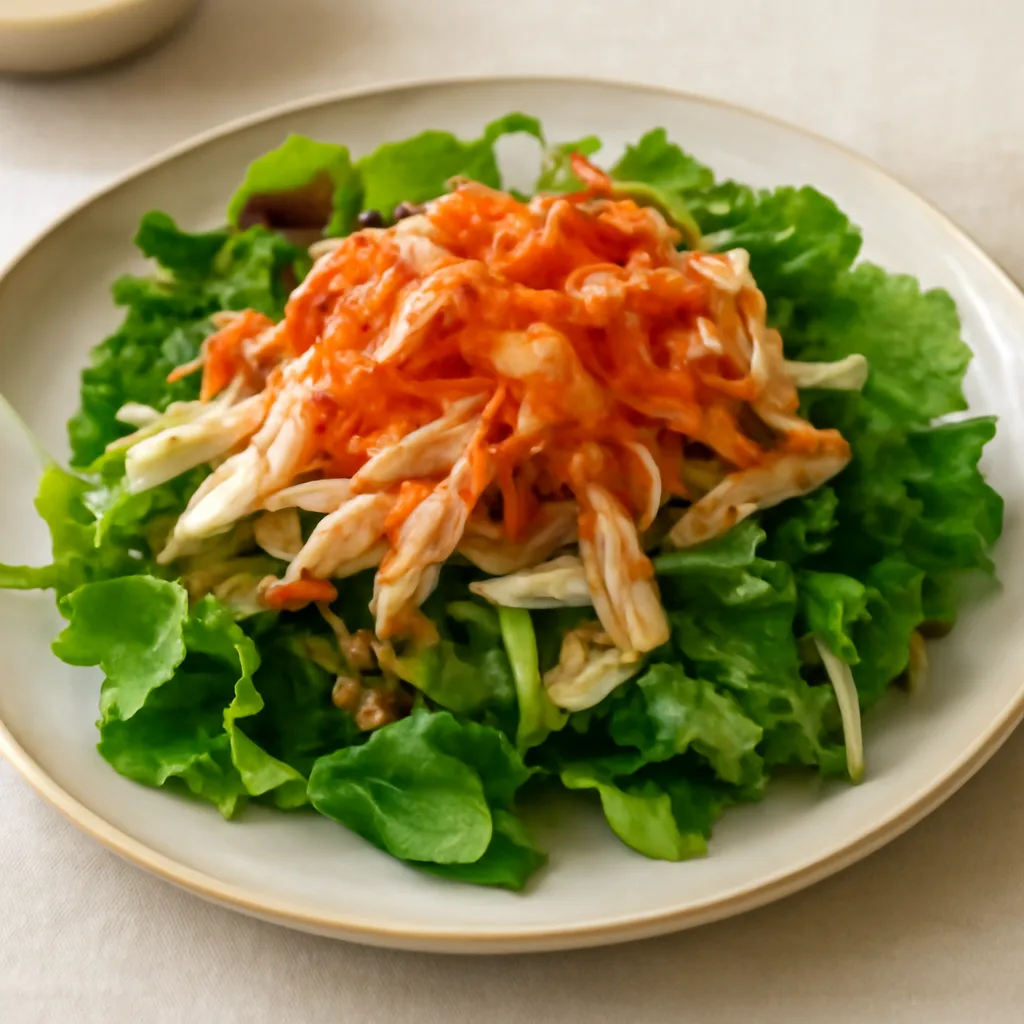
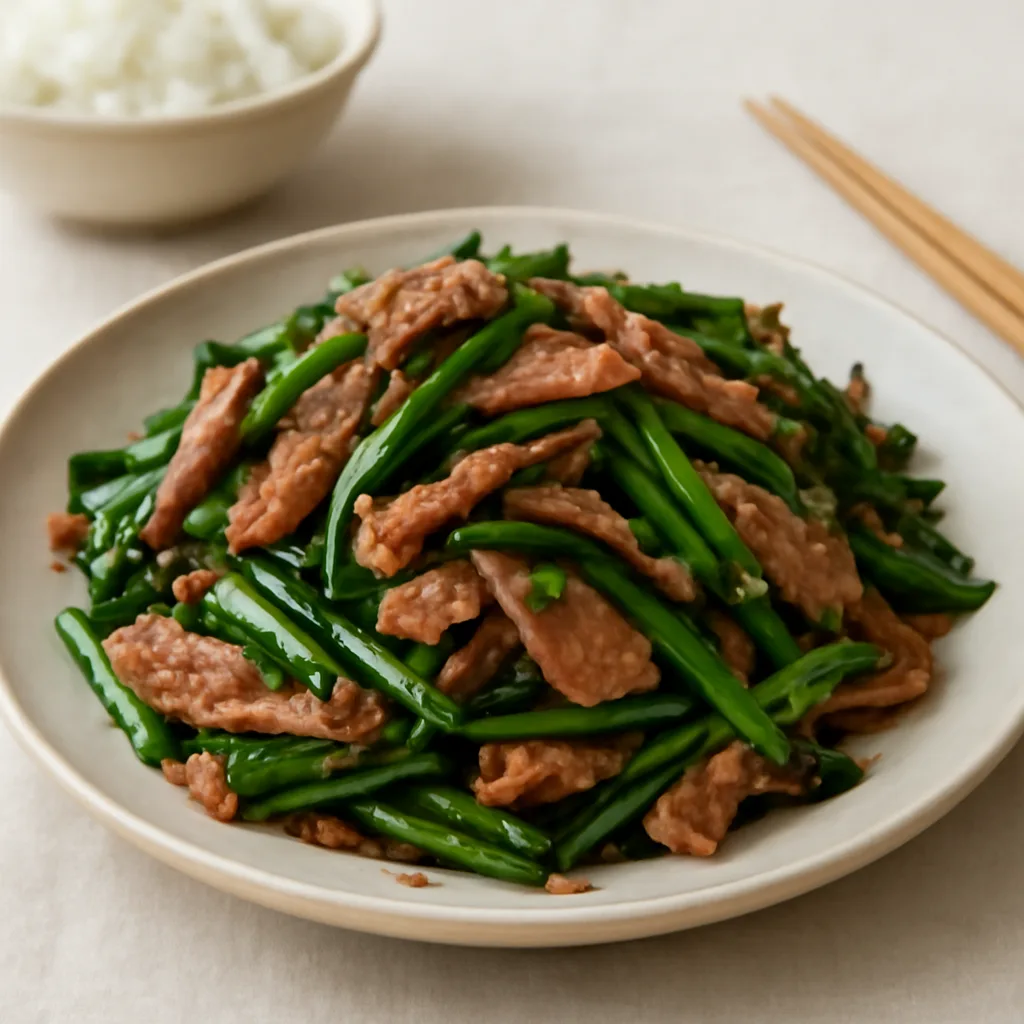
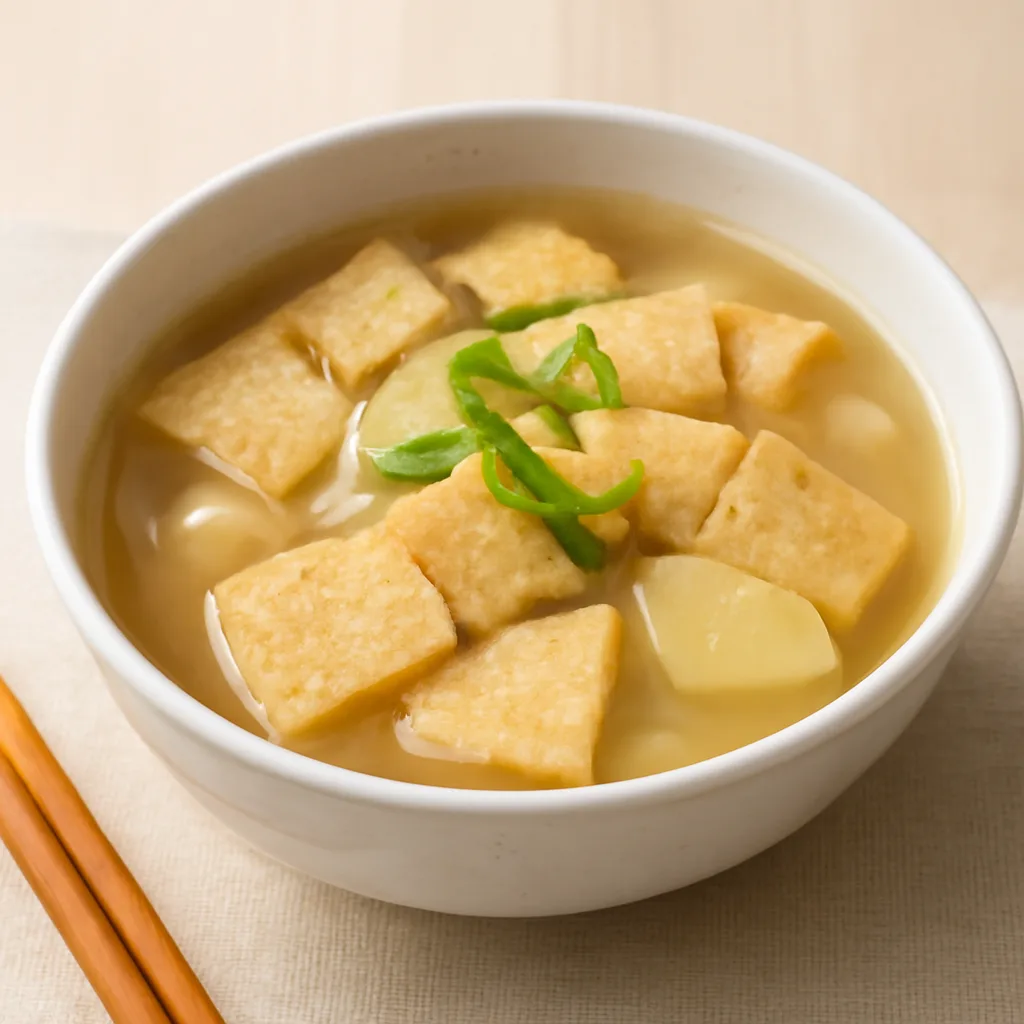
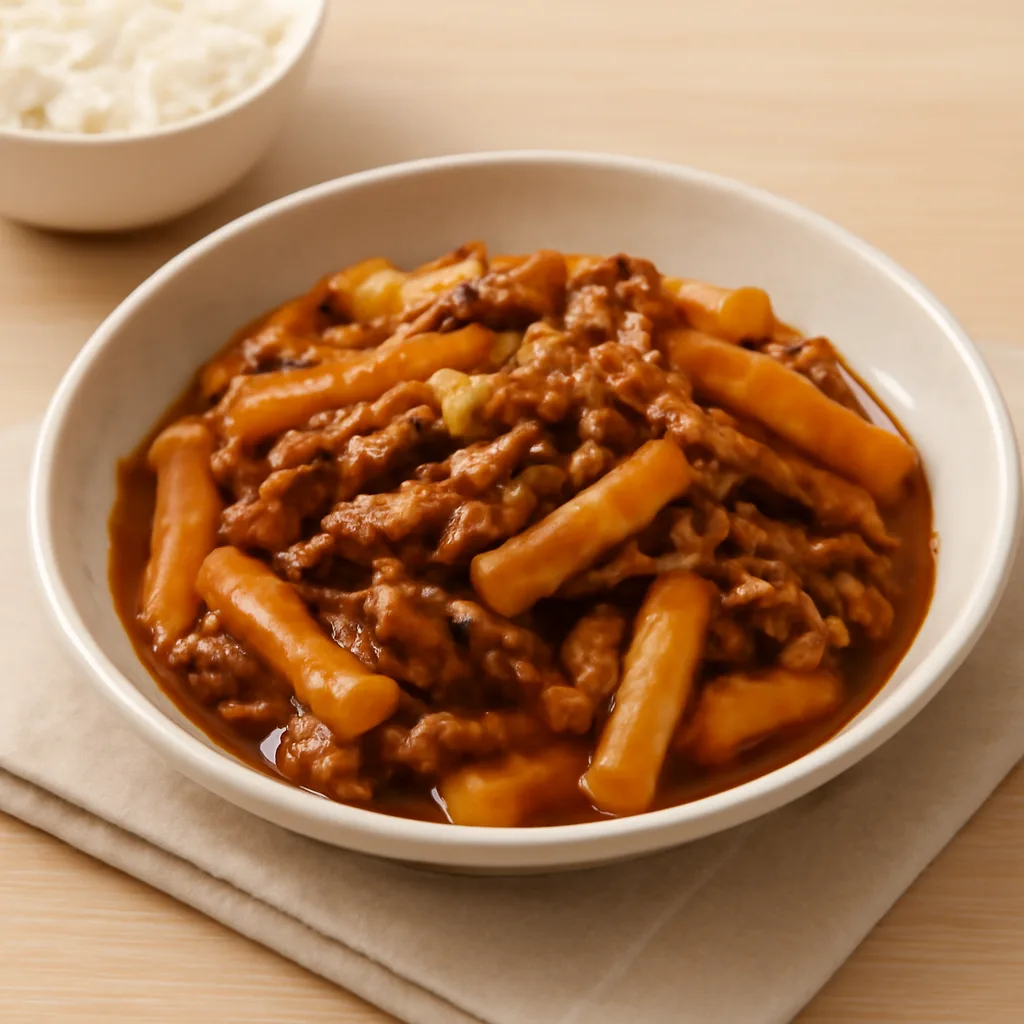
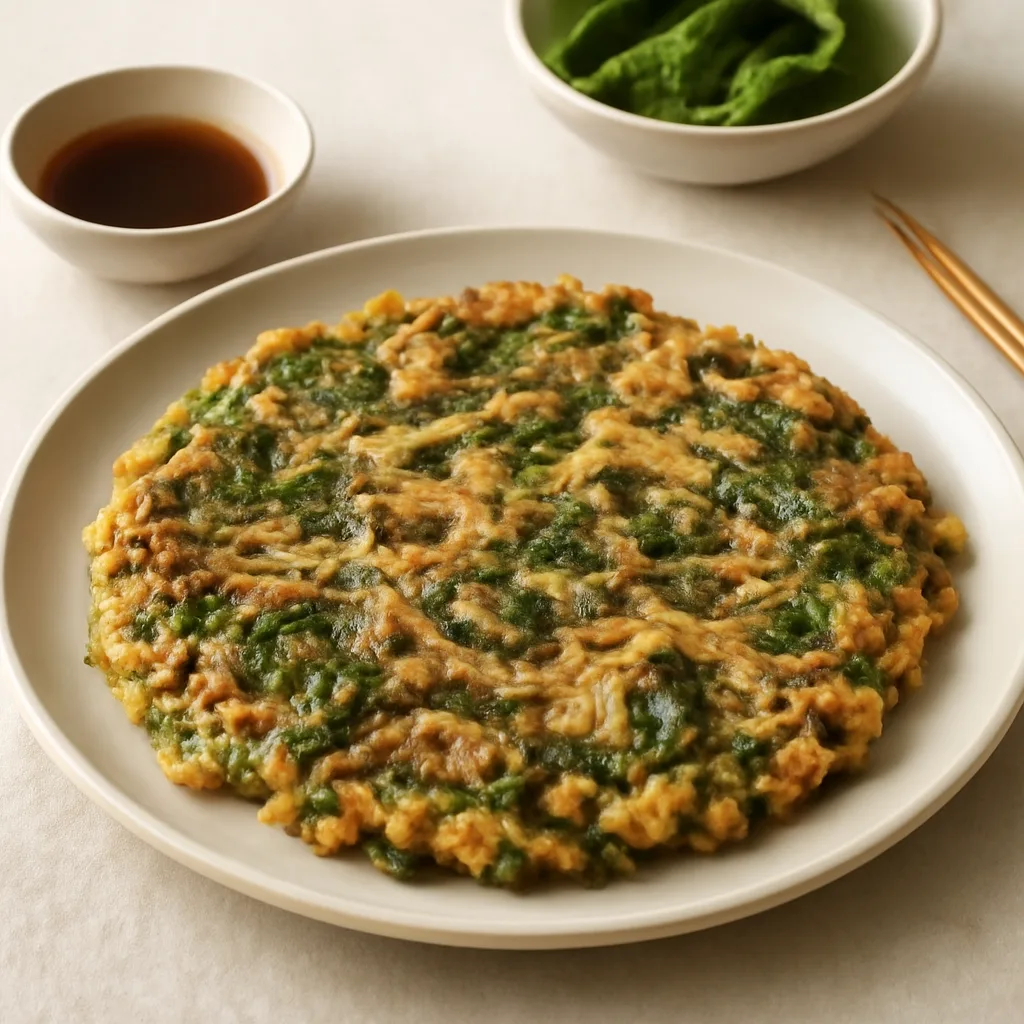
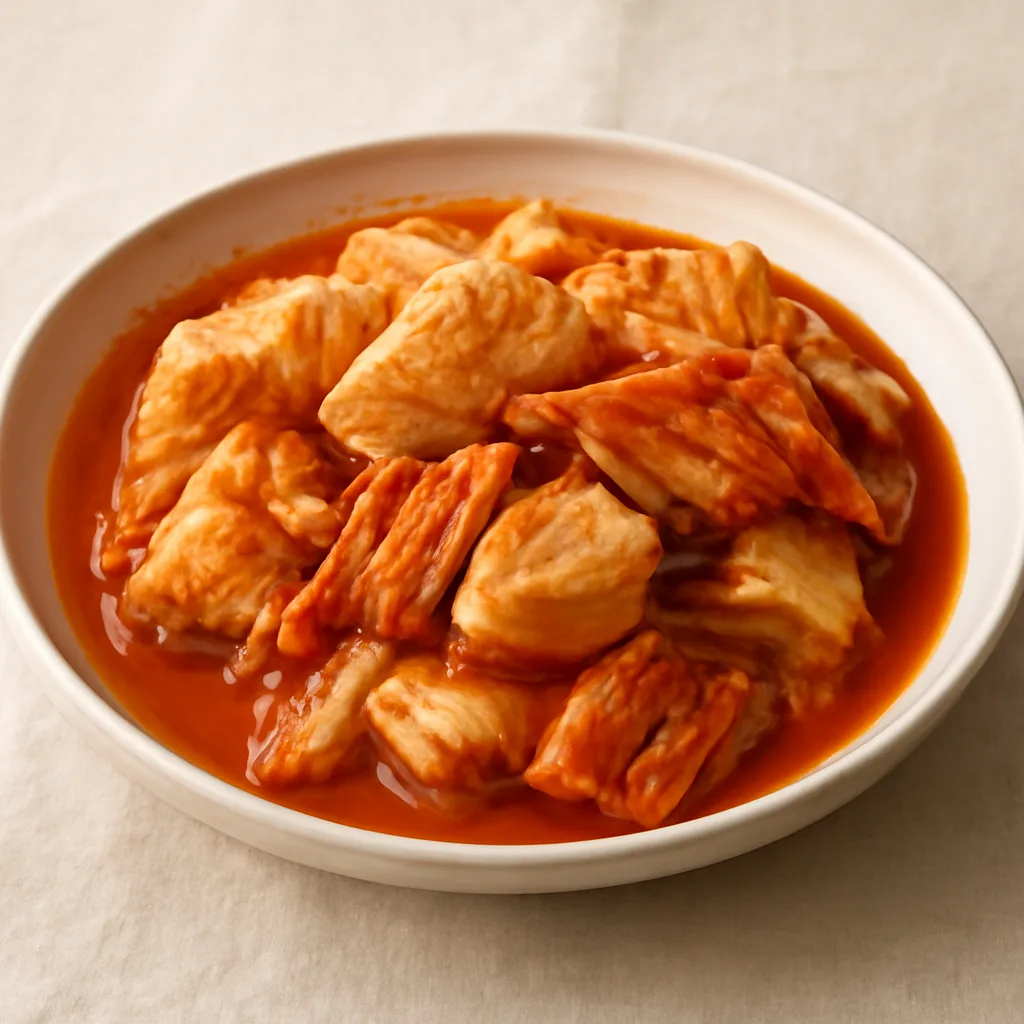
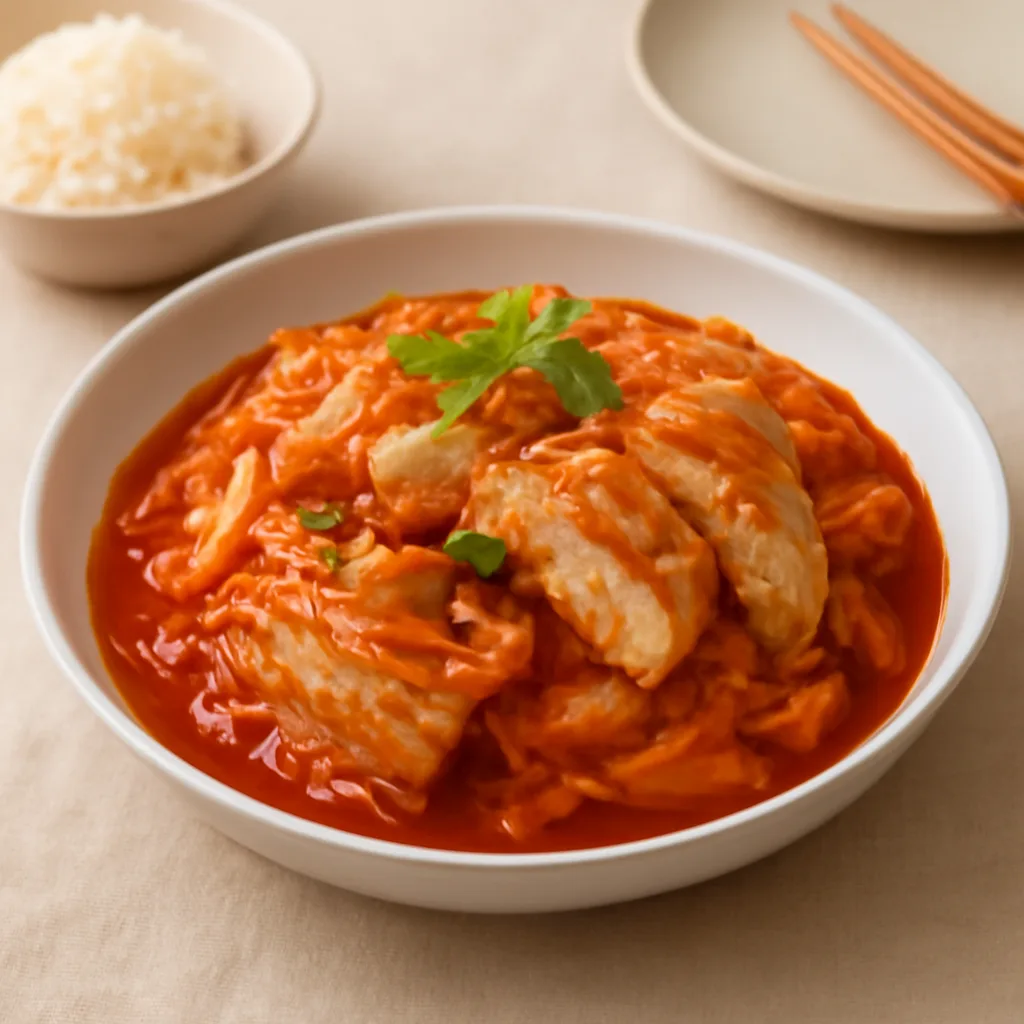
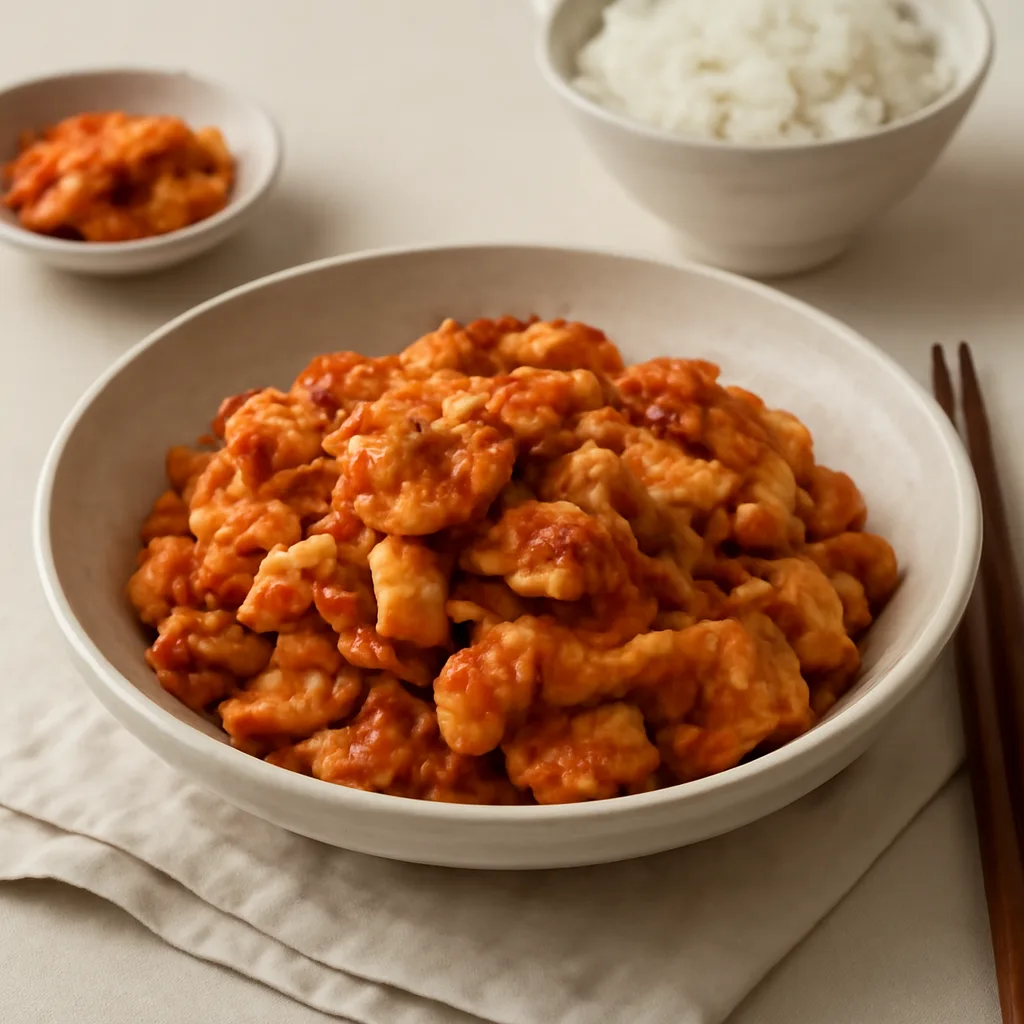
Here are the foods included in this theme, sorted by views from CookPagoda's public food.