Ingredient Encyclopedia
Check the characteristics of the ingredients and how to use them in cooking.
oyster
1
1
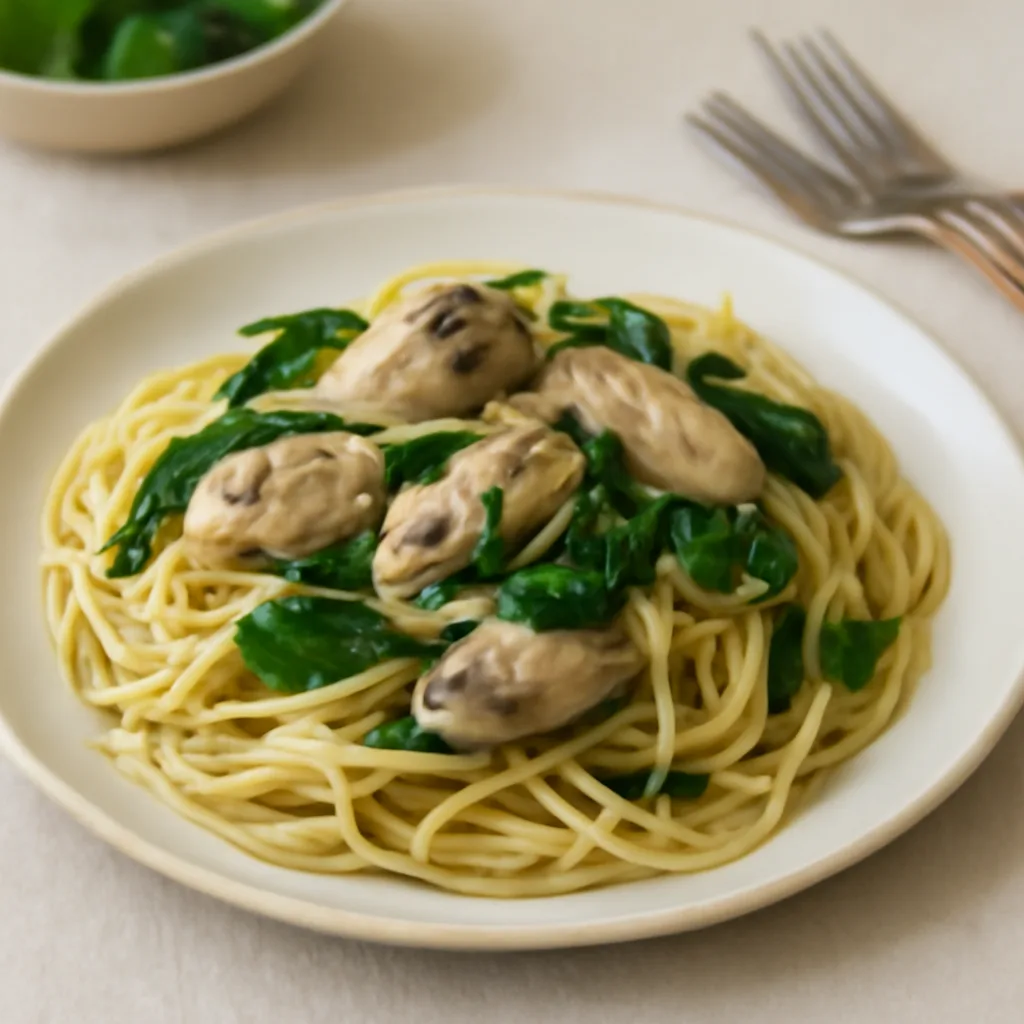
Oysters are a shellfish ingredient that adds a sea aroma and depth of umami. They can be enjoyed raw or used in soups, stews, pancakes, stir-fries, and pastas. Oysters with plump roe and moist flesh, even when briefly cooked, enrich the broth, and are well suited to preparations that highlight the ingredient's own flavor, such as oyster soup or oyster pancakes. Because oysters tend to shrink and toughen the longer they are cooked, add them at the final stage for soup dishes, heating only until the edges shrink and the insides become opaque. Conversely, in dishes with strong seasonings or long simmering, the distinct oyster aroma can be masked, so they are better used in seafood-forward dishes. Shell-less oysters are soft and prone to breaking, so rinse gently in a light salted water solution rather than rubbing hard, then drain through a sieve to remove moisture. If too much moisture remains, pancake batter becomes runny and moisture releases sharply during stir-frying, so blot the surface with kitchen towels as needed for the intended use.
Taste and Texture
Oysters have a salty sea aroma, subtle sweetness, and a rich, savory depth. Fresh oysters are smooth, moist, and tender to the bite, and when cooked they become firm while the flesh shrinks. Fresh oysters emit a clear marine scent, but if the aroma is too strong or the liquid is overly cloudy, balancing with other ingredients can be difficult. In such cases, cooking with heat along with aromatics (instead of consuming raw) may be more suitable.
Main uses
- Add umami quickly to dishes with broth such as oyster soup, seaweed soup, soft tofu stew, or kimchi soup to enhance flavor in a short time.
- Oyster pancakes involve drying the oysters, coating with flour and egg, and frying; using medium heat rather than high heat helps prevent over-shrinking of the flesh.
- Toss with kimchi to make oyster kimchi, or use with radish, chives, and green onions in a salad. However, if left in a highly watery seasoning for a long time, oysters will release liquid and dilute the seasoning, so mix just before serving.
- For pasta or risotto, flavor with garlic and olive oil first, then add at the end to barely cook; avoid overpowering with strong cream or cheese that can mask the delicate oyster aroma.
Preparation tips
- Place the eggs in a wide bowl with the oysters and gently rinse in a light salted water to remove impurities, then drain briefly. Soaking in clear water for too long can dilute the flavor.
- For pancakes or fried dishes, remove moisture thoroughly. If the oyster surface is wet, flour will clump and oil may spatter; pat dry with a paper towel and lightly coat with flour.
- When using in soups, adjust the broth seasoning first. After the oyster's saltiness and umami are added, balance the overall seasoning to avoid excessive salinity.
- If oyster roe are uneven in size, add the larger ones first or divide by size; if smaller ones firm up early, add the rest later to match doneness.
Cooking characteristics
- Oysters coagulate quickly when heated, causing the edges to shrink and the flesh to become opaque. When you see this change, in most dishes it is better to turn off the heat or move to the next step rather than cook longer for tenderness.
- During heating, oysters release moisture and sea flavor. If you add a lot of oysters at once to a frying pan and the bottom becomes waterlogged, they will steam rather than fry, so use a wide pan or cook in batches.
- In soups, oysters add umami but long simmering can cause the flesh to shrink and the broth to become cloudy. For a clear broth, skim off foam and add at the last 1–2 minutes.
- For oyster pancakes, if the pan temperature is too low the batter will absorb oil and tear easily; if the heat is too high the exterior will brown too quickly, so keep a medium heat to allow the batter to set slowly and the edges to turn golden.
Good combinations
- Ingredients with moisture and fresh aroma such as radish, cabbage, seaweed, chives, and scallions pleasantly balance the salty ocean aroma of oysters.
- Garlic, ginger, chili powder, and Korean chili peppers help organize the oyster aroma, but using too much can mask the delicate sweetness. When pairing with strongly flavored kimchi or spicy seasonings, add oysters at the end to preserve presence.
- Citrus like lemon or vinegar enhances the flavor of fresh oysters in salads, but too much acidity can bring out sourness more than sweetness, so add in small amounts.
- Eggs, tofu, and mild broths complement the creamy texture of oysters, while butter or olive oil rounds out the savoriness in stir-frry and pasta.
Points to consider when substituting
- It is rare to find an ingredient that fully replaces the sea aroma and delicate umami of oysters. In soups or stews, you can use clams, mussels, or shrimp, but each changes the broth sweetness, aroma, and texture, so adjust amounts and seasoning accordingly.
- For dishes where the delicate texture of the egg coating is important, you can substitute small shrimp or finely sliced squid. These ingredients are firmer and cook faster, so briefly pre-cook or cut into small pieces before adding to the batter.
- In oyster kimchi or salads, you can increase the amounts of radish, pear, or chives and omit seafood, but the oyster’s savoriness will be reduced. If needed, use a small amount of anchovy stock or seafood broth to deepen the seasoning.
- If strong seafood aroma is not desirable for a dish, choosing mushrooms or tofu as alternative umami may feel more natural than substituting for oysters.
Ingredients commonly used together in actual dishes
Aggregated based on the co-occurrence count of representative ingredients in public dishes registered in CookPagoda.
Dishes that use this ingredient
Shows dishes where this ingredient is a representative ingredient, sorted by view count.