Ingredient Encyclopedia
Check the characteristics of the ingredients and how to use them in cooking.
Eggplant
1
1
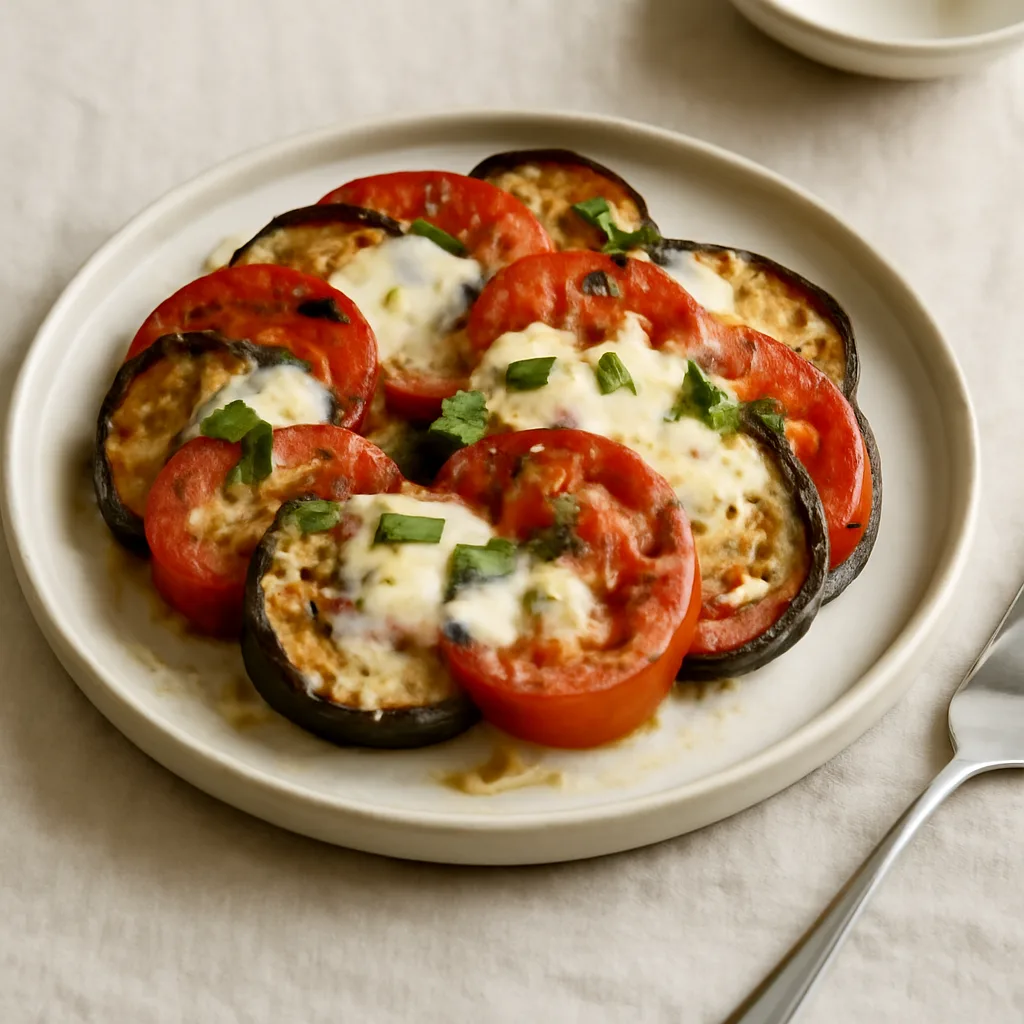
Eggplant is a vegetable with a purple skin and soft flesh. When cooked, it has a tendency to absorb oil and seasonings. Its own flavor is relatively mild, with subtle sweetness and a slight bitterness, making it a good match for distinctly flavored condiments like soy sauce, doenjang, gochujang, and garlic. It is versatile for stir-frying, grilling, steaming, braising, deep-frying, curry, and tomato-based dishes. However, if you fry with a lot of oil over high heat for too long, the surface becomes oily and the interior can collapse, so adjust cutting size and cooking time according to the desired texture. Eggplants that are firm and have a not-dry stem area retain their shape relatively well when cooked. Seeds that are large and the flesh is too spongy can become soft or bitter after cooking, so they may be less suitable for crisp, distinct grilling but good for dishes aiming for a soft texture like braising.
Taste and Texture
Raw eggplants are firm with a sponge-like texture, but when cooked they become creamy and soft. The skin also retains some shape when cooked, contributing color and bite. When grilled over high heat, a roasted aroma and sweetness develop; steaming or simmering allows the seasoning to permeate through and keep the flesh moist. Because they are high in moisture, overcooking can ruin the texture and make them mushy.
Main uses
- Eggplant greens are typically prepared by steaming or blanching and tearing into strips by hand, then tossing with garlic, soy sauce or doenjang, and sesame oil. If mixed while hot, a lot of moisture comes out, so letting it rest briefly and wringing out the moisture afterward makes the seasoning more pronounced.
- Eggplant stir-fry is well-suited for thinly sliced eggplant stir-fried quickly with garlic, chilies, and soy sauce. If added before the pan is fully hot, moisture comes out first and the texture becomes braised-like rather than fried, so use a wide pan to maintain a firm texture.
- Grilled eggplant is practical when cut thickly or halved and grilled with soy sauce or doenjang-based seasoning. When brown marks appear on the surface and you flip, the aroma awakens, but very thin slices can dry out and tear easily.
- In curries, ratatouille, or tomato-based dishes, eggplant absorbs the sauce’s flavor and oil-rich richness, serving as soft chunks. If you want to keep its shape, add it later than other ingredients or cut into larger pieces.
Preparation tips
- Rinse under running water and carefully remove the stem and the pointed calyx. The skin helps hold color and shape, so it is fine to leave it on unless a particularly soft texture is required.
- Sliced eggplant tends to brown at cut surfaces if left for long, so prep as close to cooking time as possible. If you must cut ahead, store briefly in water and pat dry to reduce oil splatter when frying.
- For stir-fries or sautés where oil absorption is a concern, lightly salt the eggplant and let sit, then wipe away moisture. However, avoid excessive salting or squeezing for dishes where moisture is important like greens.
- To ensure even cooking, cut for stir-fries into baton shapes or 2–3 cm pieces, for grilling into thick half-moons or vertical slices. If pieces vary in size, small pieces may overcook while large ones stay underdone.
Cooking characteristics
- Eggplants seem to absorb oil quickly when first touching the pan, but as the flesh softens, moisture and oil can reappear. If oiliness is a concern, add oil gradually as needed rather than pouring a lot at the start.
- On a wide, high-heat pan, the surface browns quickly and a grilled aroma forms. If the pan is narrow and the eggplants overlap, steam gets trapped and color develops less; it’s better to cook in batches or switch to grilling.
- Steaming or braising makes the flesh soft and readily absorbs flavors. If simmered with a lot of broth for a long time, pieces can fall apart and the sauce can become cloudy, so finish with the seasoning toward the end to keep shape.
- Direct heat or oven cooking leads to wrinkled skin and inward collapse when the flesh becomes very soft; while peeling and using in dips or salads is possible, this method is not suitable for dishes aiming for a firm bite like stir-fries.
Good combinations
- Soy sauce, doenjang, gochujang, garlic, ginger, and sesame oil enhance eggplant’s mild flavor with a salty, nutty core. When seasoning is strong, the eggplant’s natural mildness is reduced, so pairing with seasonings is advantageous for grilled dishes.
- When cooked with tomatoes, onions, bell peppers, and zucchini, eggplant’s tender texture harmonizes with acidity and sweetness. If the tomato water makes the sauce too thin, roast the eggplant first or finish by uncovering to reduce the liquid.
- Pairing with tofu, eggs, ground meat, or neutral proteins like chickpeas adds bite to the soft eggplant. For a crunchy texture, top cooked eggplant with nuts or breadcrumbs at the end to prevent sogginess from moisture.
Points to consider when substituting
- For dishes like stir-fried or curries that cook eggplant until soft, zucchini is a convenient substitute but it won’t absorb oil and seasonings as deeply. Zucchini releases moisture faster, so cook on high heat for a shorter time.
- For a rich, soft texture in grilled eggplant, you can use portobello mushrooms or large mushrooms. However, mushrooms have stronger umami and release moisture during cooking, so adjust the seasoning later rather than applying the same amount of seasoning at once.
- In dishes where eggplant is steamed then dressed, you can substitute with zucchini, but the shredded texture and purple color won’t be reproduced. If the original dish centers on eggplant’s soft flesh, changes in cooking method may yield more noticeable differences.
Ingredients commonly used together in actual dishes
Aggregated based on the co-occurrence count of representative ingredients in public dishes registered in CookPagoda.
Dishes that use this ingredient
Shows dishes where this ingredient is a representative ingredient, sorted by view count.