Ingredient Encyclopedia
Check the characteristics of the ingredients and how to use them in cooking.
Napa cabbage
1
3
Cabbage is a vegetable eaten with layered leaves and a firm stalk; raw, it is crispy, and when cooked it becomes soft with a notable sweetness. The leaves wilt quickly while the white stalk contains more moisture and takes a little longer to cook, so adding them at different times in the same dish helps keep texture balanced. In broths like soups, stews, or hot pots, cabbage absorbs stock and seasonings, adding gentle sweetness. When sautéed or grilled on high heat, it can release a lot of water if left for too long, making the dish soggy, so it’s best to cook either in a wide pan in portions or start with the stalks first. Outer leaves have stronger aroma and texture and are well suited for broth-based dishes or wraps, while inner leaves are tender and sweet, good for salads or light seasoned dishes. However, cabbage with a lot of moisture should be moisture-controlled when used in crisp stir-fries or dishes with rich sauces, rather than being the sole main ingredient.
Taste and Texture
Raw cabbage features a clear, gentle sweetness, fresh vegetable aroma, and a crisp, cool crunch from the stalk. Leaves are thin and flexible, but the stalk is thick and contains more moisture, giving a more pronounced bite. When heated, the off-flavor diminishes and sweetness and tenderness increase. If boiled for a long time, cabbage becomes very soft, contributing natural sweetness to the broth, but maintaining a crisp texture is difficult.
Main uses
- Cabbage is a main ingredient in kimchi, salted to adjust moisture and texture, then cooked with seasoning.
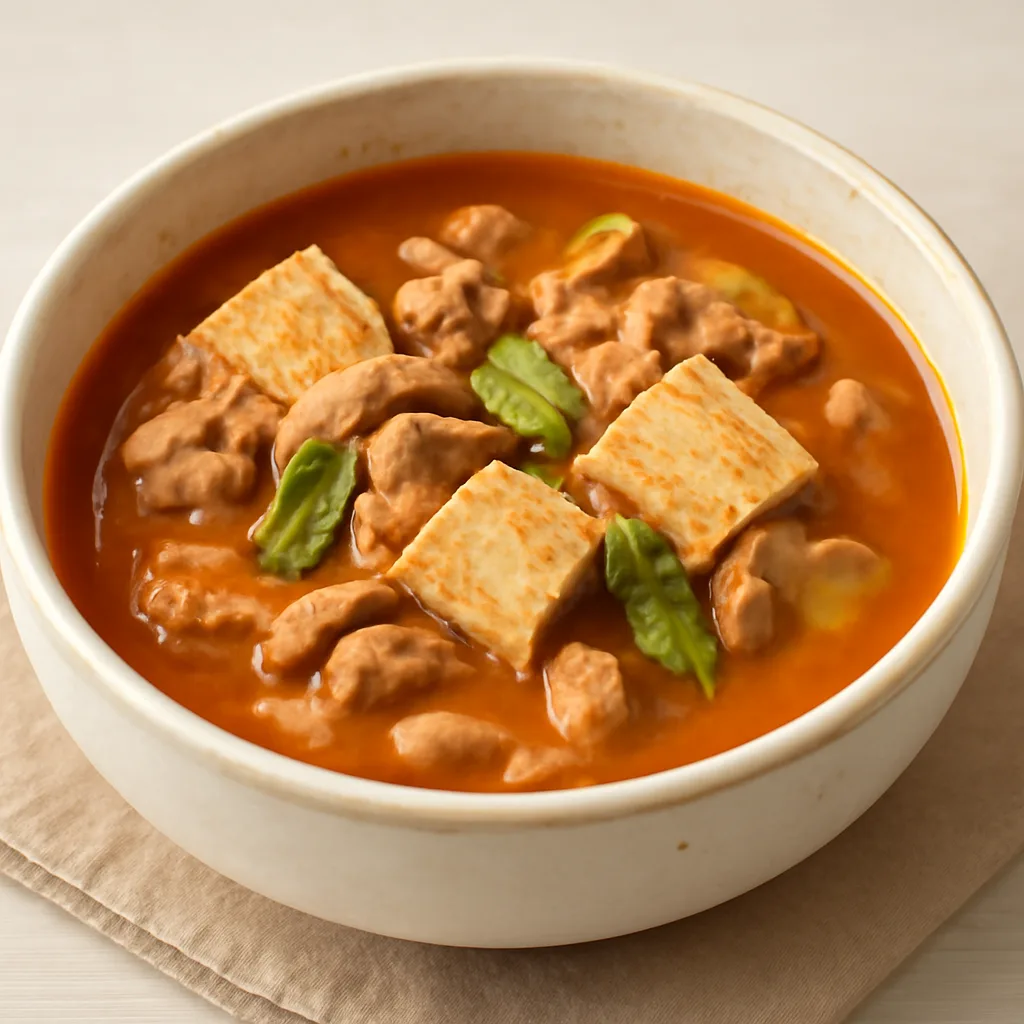
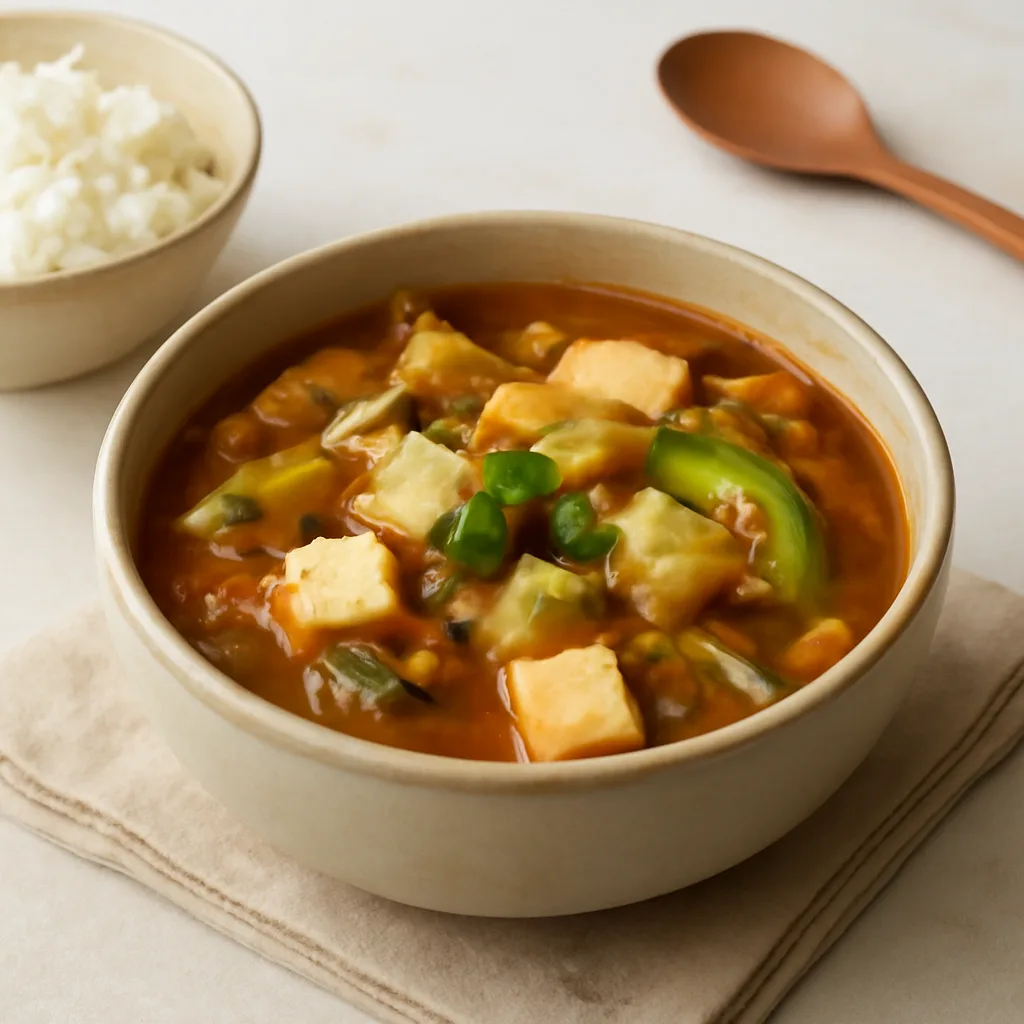
- In doenjang soup, cabbage soup, stews, and hot pots, chop into large pieces to soften the broth and provide texture.
- For wraps with pork or boiled meat, use fresh leaves, trim the thick stalks to make them easy to fold or eat.
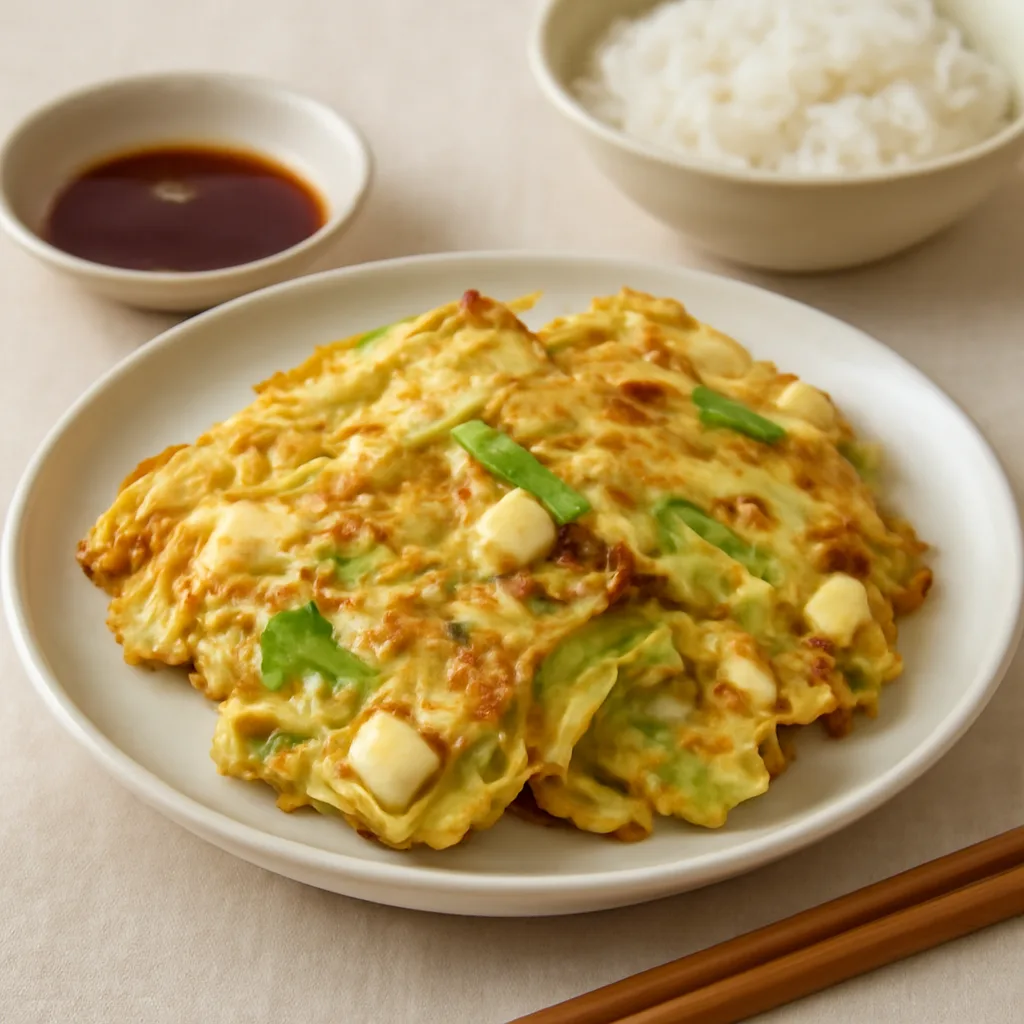
- For stir-frying, namul, or salads, cook briefly or lightly pickle. If the finished dish has a lot of moisture, it often means the pan was crowded or cabbage was cooked too long, so adjust the quantity next time.
Preparation tips
- Remove the root and rinse the leaves, separating them under running water, and check inside the stalk for soil or debris. After washing, drain well on a sieve to reduce surface moisture, which helps prevent excess moisture during stir-frying.
- For broth dishes, cut stalks and leaves into similar sizes, with thicker stalks cut slightly smaller. If the stalks still look firm, add them first and add leaves at the end to prevent them from becoming too soft.
- For dishes requiring pickling, spread the leaves so that salt touches the thick parts of the cabbage. After pickling, if too salty or limp, rinse, wring out water, and either shorten pickling time or reduce salt amount.
- When using raw, choose yellow, tender inner leaves for softer texture. Conversely, sturdy outer leaves suit hot dishes like soups or blanching better than raw salads.
Cooking characteristics
- Cabbage releases moisture quickly at the start of cooking. When the sound of sizzle is overtaken by the boiling of water and the ingredients begin to submerge, raise the heat slightly to evaporate moisture, or stir-fry cabbage in portions.
- In broth, the longer it cooks, the softer the texture and sweeter the taste. For dishes needing a chewy bite like hot pots, cook stalks first and add leaves just before serving.
- Stir-frying on high heat briefly yields a light browning at the edges and a toasty aroma. If oil is sparse or pan is narrow, moisture may evaporate before browning, so a wide pan is favorable for fragrant stir-frying.
- If salt or seasonings are added too early, cabbage loses moisture quickly and becomes bland. In stir-fries adjust seasoning after some moisture has steamed out; in broth-based dishes finalize seasoning considering other salty ingredients.
Good combinations
- Strongly flavorful ingredients like garlic, green onion, miso, and chili powder enhance the cabbage’s subtle sweetness and fresh aroma.
- Pairs well with pork, beef, tofu, and mushrooms to create tender cabbage that absorbs richness in hot pots and stews.
- To lightly season salads with sesame oil or sesame, blanched cabbage works well, but using a strong-flavored sesame oil can mask the cabbage’s clear taste.
- When using salty umami ingredients like shrimp paste or fish sauce, consider the moisture cabbage releases during cooking and start with less salt.
Points to consider when substituting
- If a soft sweetness and leafy texture are needed in soups or hot pots, you can substitute with baby cabbage, young greens, or bok choy. Bok choy has a firmer stalk and somewhat different aroma, so adjust cooking time shorter.
- Stir-frying can use cabbage as a practical alternative, but cabbage is sturdier and the sweetness differs, so adjust by slicing thinly or cooking a bit longer to balance.
- In kimchi-style pickling and fermentation-based cooking, substitution ingredients can vary moisture and leaf thickness significantly. It’s safer to adjust by considering pickling state and seasoning concentration rather than replacing with the same proportion of other leafy vegetables.
- For wrap purposes, lettuce or perilla leaves can be used, but these choices alter aroma and texture rather than exactly reproducing cabbage’s crisp, mild role.
Ingredients commonly used together in actual dishes
Aggregated based on the co-occurrence count of representative ingredients in public dishes registered in CookPagoda.
Dishes that use this ingredient
Shows dishes where this ingredient is a representative ingredient, sorted by view count.