View recipes
Check the reference data for the selected food.
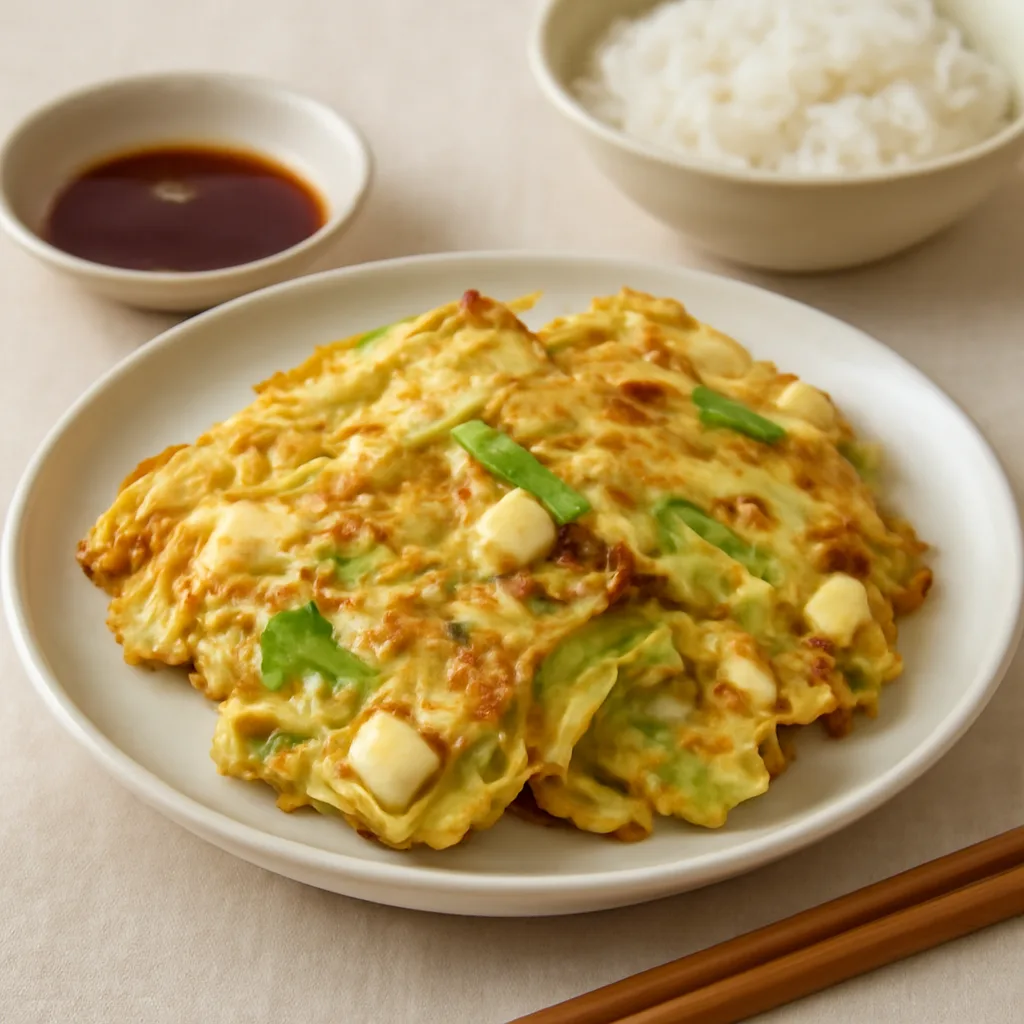
Napa Cabbage Tofu Jeon
Napa cabbage tofu jeon is a simple jeon using napa cabbage and tofu, featuring a crispy texture and a nutty flavor. It’s easy to make, making it a good snack or side dish.
Main Ingredients
Related Themes
5
View0
Like1
AI recommendations0
CreatedAbout this recipe
Korean cabbage tofu jeon is a simple pancake-like fry bound with doenjang (soybean paste) using chopped cabbage’s moisture and mashed tofu’s tenderness, then pan-fried until golden. Because the ingredient list is simple, the moisture of the tofu and the thickness of the cabbage greatly affect the final quality. If the cabbage is cut too thick, the inside may be undercooked and the jeon can easily crack, so it’s easier to handle when the cabbage is sliced thinly and short. Since there are no extra floury ingredients in the batter, it’s best to fry in thin, small portions so the outer surface cooks thoroughly. Frying too large makes turning difficult and the jeon may break; if fried too thinly, the cabbage moisture can evaporate quickly, making it feel dry. Drop a spoonful at a time and wait until the edges set before turning to fry reliably. Doenjang adds saltiness and a roasted fragrance, but the saltiness varies by product, so it’s better to check the batter’s seasoning against the suggested amount rather than overload from the start. If you plan to serve a soy sauce on the side, slightly moderate the doenjang seasoning to maintain balance.
Taste and Texture
When nicely browned, the savory tofu and doenjang aroma come through, and the inner tender tofu surrounds the gentle sweetness and moisture of the cooked cabbage. If you fry the edges thinly, you’ll get a crisp contrast. It isn’t a rigidly bound form like flour- or egg-added jeon, so it’s best enjoyed hot right off the pan rather than trying to keep crispness for long.
Key to making it delicious
- Press the tofu with a cheesecloth or paper towels to remove moisture well so the batter doesn’t spread on the pan and the surface browns better.
- Chop the cabbage fine and if it releases too much moisture, press lightly to remove excess; if very moist, fry the jeon in smaller pieces to help turning.
- Heat the pan over medium and spread oil evenly before dropping in the batter. If the oil isn’t hot enough, the batter will absorb oil and the surface may become damp.
- Right after placing batter in the pan, don’t press too hard with a spoon; wait until the edges set to shape, then flatten to reduce breakage.
- When one side is browned and the edges detach from the pan more easily, flip. If it still sticks, cook a bit longer to let moisture escape.
Common mistakes
- If the jeon spreads in the pan or tears when flipped, the tofu or cabbage may be too moist, so in the next batch remove more moisture and reduce the amount per batch.
- If the outside thickens quickly but the cabbage seems undercooked, it’s usually too hot, so lower to medium and roll the batter thinner.
- If the finished jeon tastes salty, the doenjang’s saltiness may be compounded with the soy sauce on the side; do not add more doenjang to the remaining batter and use only a little sauce.
- If the jeon is greasy and not crispy, the pan may not have been preheated enough or there may have been too much oil; in the next batch leave just a thin oil film on a hot pan and fry.
Application Ideas
- If you want a softer doenjang aroma, you can reduce some doenjang and increase tofu proportion for a milder flavor, but in this case the seasoning may become weak, so pairing with a sauce is recommended.
- Frying small and thin jeon makes turning easy and increases the crispy surface area; thicker jeon preserves inner tenderness but is harder to handle.
- If you plan to serve with soy sauce, you can slightly reduce the batter’s doenjang so the saltiness doesn’t pile up.
Pairing ideas
- Right after frying, lay on a plate and serve with separate soy sauce so you can dip as much as you want without overpowering the doenjang seasoning.
- When serving with rice as a side dish, make smaller portions for easy sharing rather than one large jeon.
- As a snack, rest the jeon on a paper towel briefly to remove surface oil, then serve warm to preserve the crisp texture.
Essential ingredients
Napa cabbage
Tofu
Squeeze out excess water
Doenjang
Used to adjust seasoning
Cooking oil
Used for frying
Optional ingredients
No separate optional ingredients.
Cooking order
Finely chop the napa cabbage and, after draining the tofu, mash it.
In a bowl, mix the chopped cabbage, mashed tofu, and doenjang to form a batter.
Heat a pan with oil over medium heat.
Scoop a spoonful of batter onto the pan and flatten it.
Fry until both sides are golden brown, about 3–4 minutes.
Transfer the completed tofu jeon to a plate, and if desired, serve with soy sauce.