Ingredient Encyclopedia
Check the characteristics of the ingredients and how to use them in cooking.
Pork
4
5
Pork varies greatly in cooking results depending on the cut and fat content. Very fatty cuts like pork belly are great for grilling or sautéing to bring a rich, savory flavor and juiciness, while leaner cuts like pork shoulder blade and ham are suitable for ground meat, stews, and braised dishes. The neck meat, with a mix of fat and muscle, can be used flexibly for both grilling and sautéing. Choosing a method that matches the desired texture is important. Thinly sliced meat should be cooked quickly over high heat to preserve tenderness, while larger pieces with connective tissue benefit from moist cooking over longer times to become tender. Conversely, keeping lean cuts on high heat for too long can dry them out, so for stir-frying it’s better to take them off the heat as soon as they’re cooked. Pork pairs well with strongly flavored seasonings like soy sauce, miso, gochujang, garlic, and ginger, and is easy to balance with ingredients that have acidity or moisture, such as kimchi or radish. For dishes where richness is a concern, add vegetables or acidic sides; for lean cuts, supplement with fats or sauces for balance.
Taste and Texture
Cooked pork is savory and umami-rich, and the higher the fat content, the deeper the flavor and the smoother it melts in the mouth. Lean cuts taste light, but overcooking can make them firm and dry. Texture is greatly influenced by the direction of slicing and cooking time. Slicing across the grain makes it easier to chew, and longer simmering or steaming with sufficient moisture can soften connective tissue.
Main uses
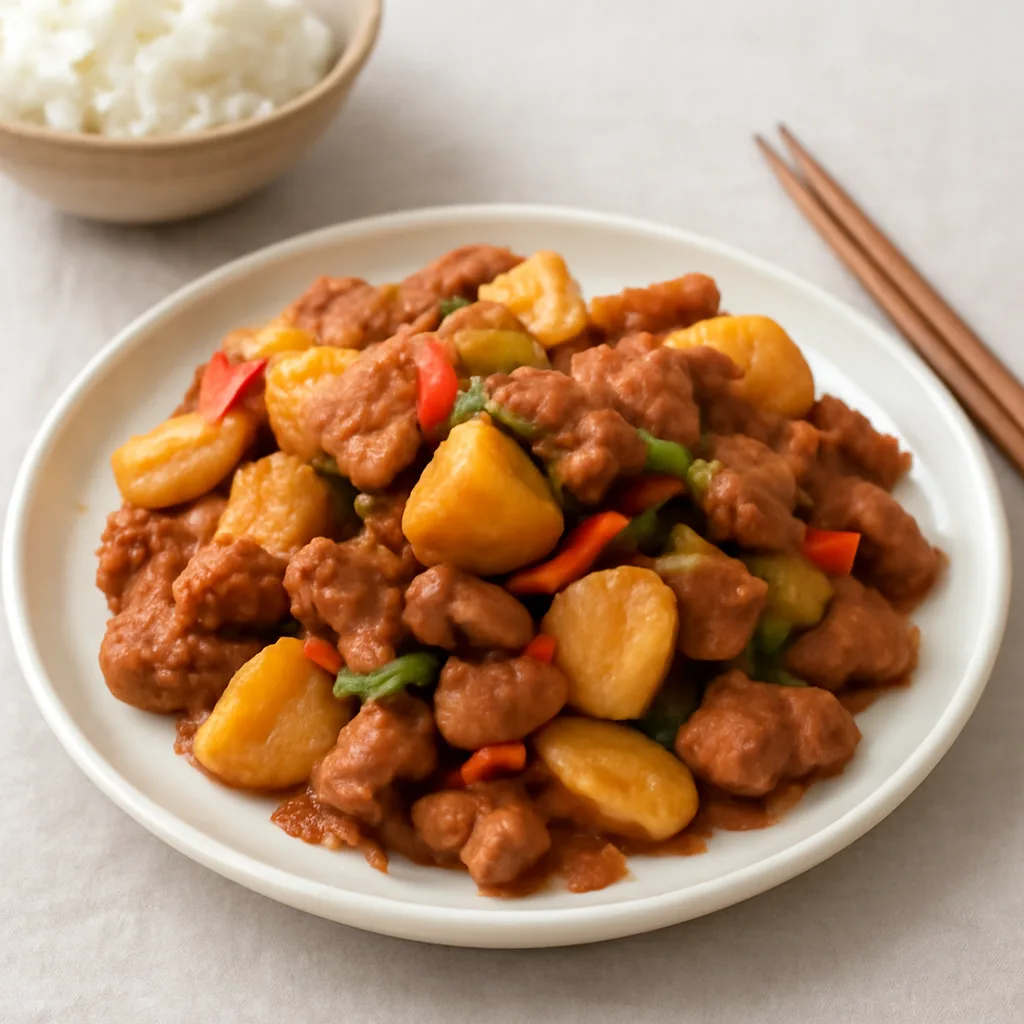
- Thinly sliced pork is used in dishes that sear quickly over high heat, like spicy pork stir-fry, bulgogi-style stir-fry, and kimchi fried rice. If the pan isn’t properly heated, the meat can release water and lose color and aroma, so it's better to cook in small batches.
- Ground pork is used in dumpling fillings, meatballs, fried rice, and sauces. If the ground meat has too little fat, it can be dry, so consider using moisture-releasing vegetables, tofu, or a bit of fat from other meat.
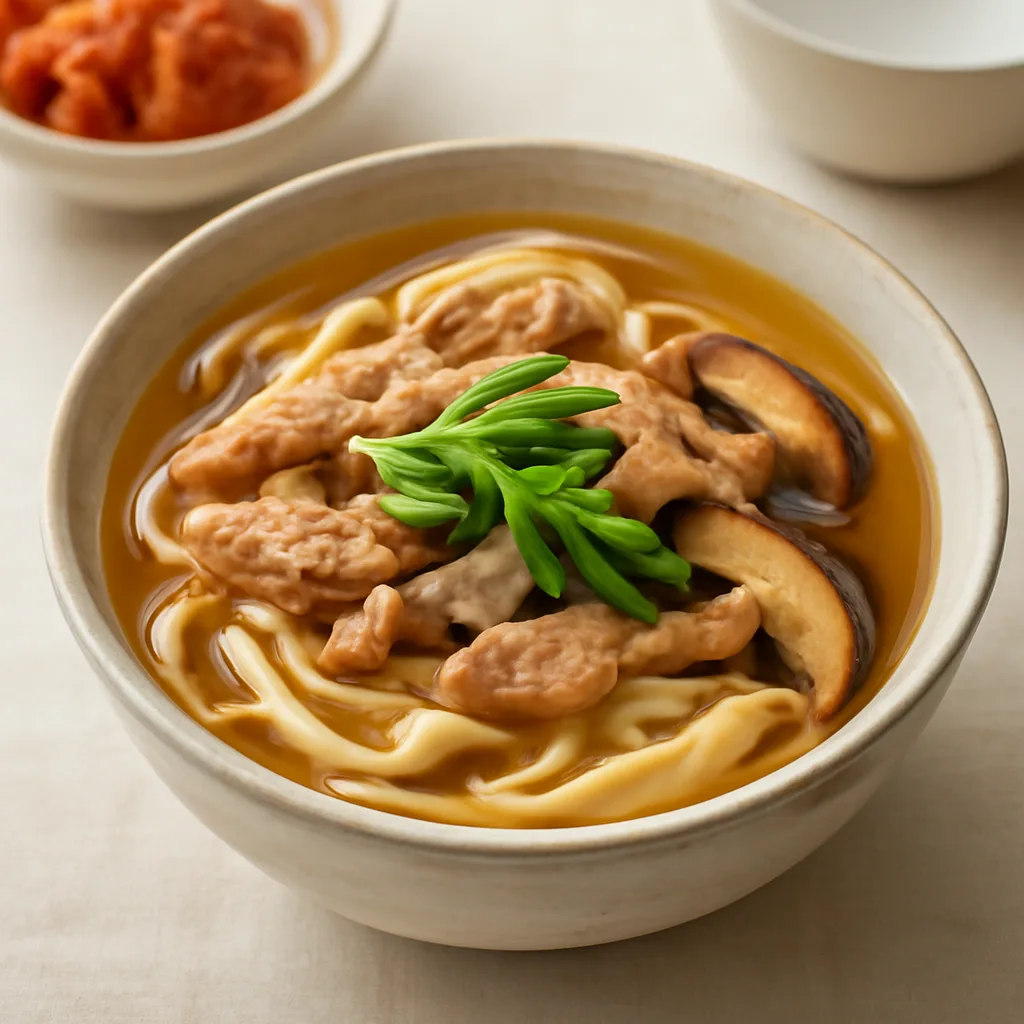
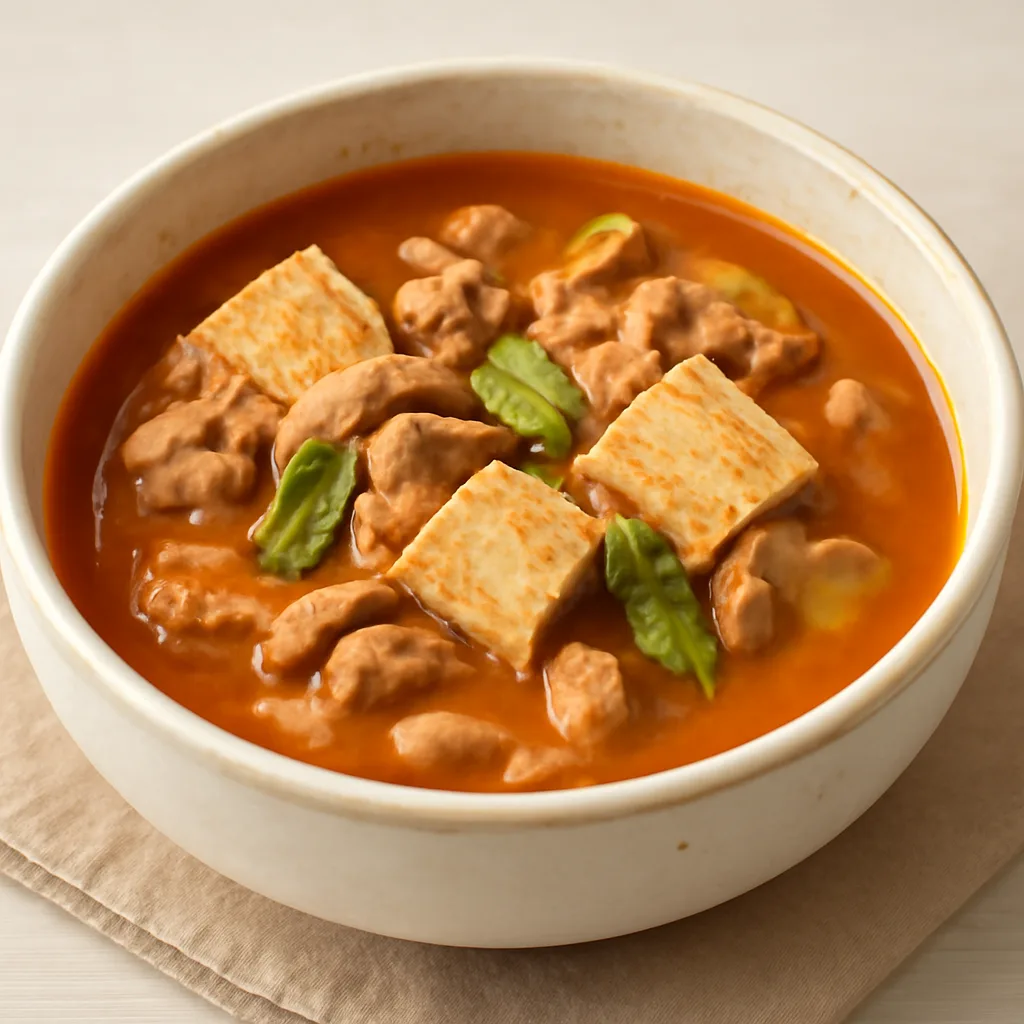
- Chunks of meat are well-suited for kimchi stew, soybean paste stew, boiled pork, and braising, which are cooked in broth or steam. When simmering in broth, avoid cutting the meat too small, or it can break apart during long cooking; cut to a size appropriate for the cooking time.
- Fatty cuts for grilling can be cooked with just salt and pepper or with soy sauce and gochujang. Sweet sauces can darken quickly, so add them only after the meat has cooked to some extent or adjust the heat to prevent burning.
Preparation tips
- Pat the surface dry with a paper towel to remove moisture; this helps form a brown crust when grilling or frying. When there is a lot of moisture, the pan temperature drops and the meat may seem boiled rather than fried.
- For grilling or stir-frying, cut the meat across the grain just before cooking to reduce chewiness. If the meat is already thinly sliced, it’s easier to maintain its shape with shorter marinating times than with extensive handling.
- Garlic, ginger, pepper, and soy sauce-based marinades are commonly used to enhance the pork’s nutty flavor. However, if the soy sauce or salt content is high, the surface can become hard and taste salty, so for thin cuts marinate briefly or divide the seasoning during cooking.
- For stews or braises, brown the meat first to develop aroma, then add liquids. If a clear, light broth is desired, this step can add oil and roasted aromas, so boiling directly may be more suitable.
Cooking characteristics
- When frying, fatty cuts render fat and the edges become brown. If there is too much rendered fat and the meat seems fried, skim some off and finish with vegetables or seasonings.
- Cooking too much at once over high heat lowers the pan temperature and causes moisture to condense. If the surface isn’t browning and a gray liquid forms, divide the portions or briefly increase heat to evaporate moisture.
Good combinations
- Vegetables with moisture or a fresh taste, such as kimchi, radish, cabbage, or chives, help balance the richness of fatty pork. For fatty cuts like pork belly, pair with fresh vegetables or pickles; for lean stir-fried meat, add onions or mushrooms to introduce sweetness and moisture.
Points to consider when substituting
- Substitutes vary depending on whether the goal is fatty, rich flavor or tender meat texture. If you need the nutty fat of pork belly in a grilled dish, neck meat is a relatively close option, but it may feel drier if cooked for the same time.
- Ground pork can be replaced with ground beef or chicken, but flavor and fat content will change. When using minced chicken, if it looks dry, add a little tofu, chopped vegetables, or extra fat to retain moisture.
- In stews and braises, you can use beef or chicken instead of pork, but keeping cooking time and seasoning concentration intact is difficult. Chicken cooks faster, so if the pork method requires long simmering, add it later.
- Achieving the same richness as pork in grilling or boiled meat is hard with exact substitutes; in this case, rather than swapping to another meat, adjust the seasoning, accompaniments, and cooking time to suit that meat.
Ingredients commonly used together in actual dishes
Aggregated based on the co-occurrence count of representative ingredients in public dishes registered in CookPagoda.
Dishes that use this ingredient
Shows dishes where this ingredient is a representative ingredient, sorted by view count.