Ingredient Encyclopedia
Check the characteristics of the ingredients and how to use them in cooking.
Pineapple
1
1
Pineapple is a fruit with both sweetness and bright acidity, used widely from eating fresh to stir-frying, grilling, and desserts. Its juice helps create a fresh contrast in salads or salsas, and with savory ingredients the sweetness becomes more pronounced. Ripe flesh is yellowish, aromatic with sweetness, and when pressed not extremely hard but slightly springy. Unripe pineapple has pronounced acidity and firmness, so it's good sliced thin for raw dishes or salsas, and for desserts that need sweetness, ripe fruit is preferable. When heated, surface moisture evaporates and sugars concentrate, deepening aroma. However, if boiled too long pieces can break apart and sauce can become thin, so to preserve shape it’s best to add toward the end of cooking.
Taste and Texture
Pineapple offers bright sweetness, a popping acidity, and a distinctive tropical fruit aroma. The core is tougher and more fibrous than the outer flesh, so removing it or finely chopping is recommended if a soft texture is desired. Raw flesh is crisp and juicy, and as it ripens becomes softer and sweeter. Searing or quick-stir-frying over high heat creates a subtle caramel note along the edges, but overcooking can make the sweetness wane in favor of a softer sourness.
Main uses
- Chopped pineapple mixed with onion, chili, and herbs in salsa or salads helps reduce heaviness in fatty grilled dishes.
- For skewers or pan-seared items, cut into thicker pieces; thin slices dry out quickly and burn easily on high heat, so grill briefly.
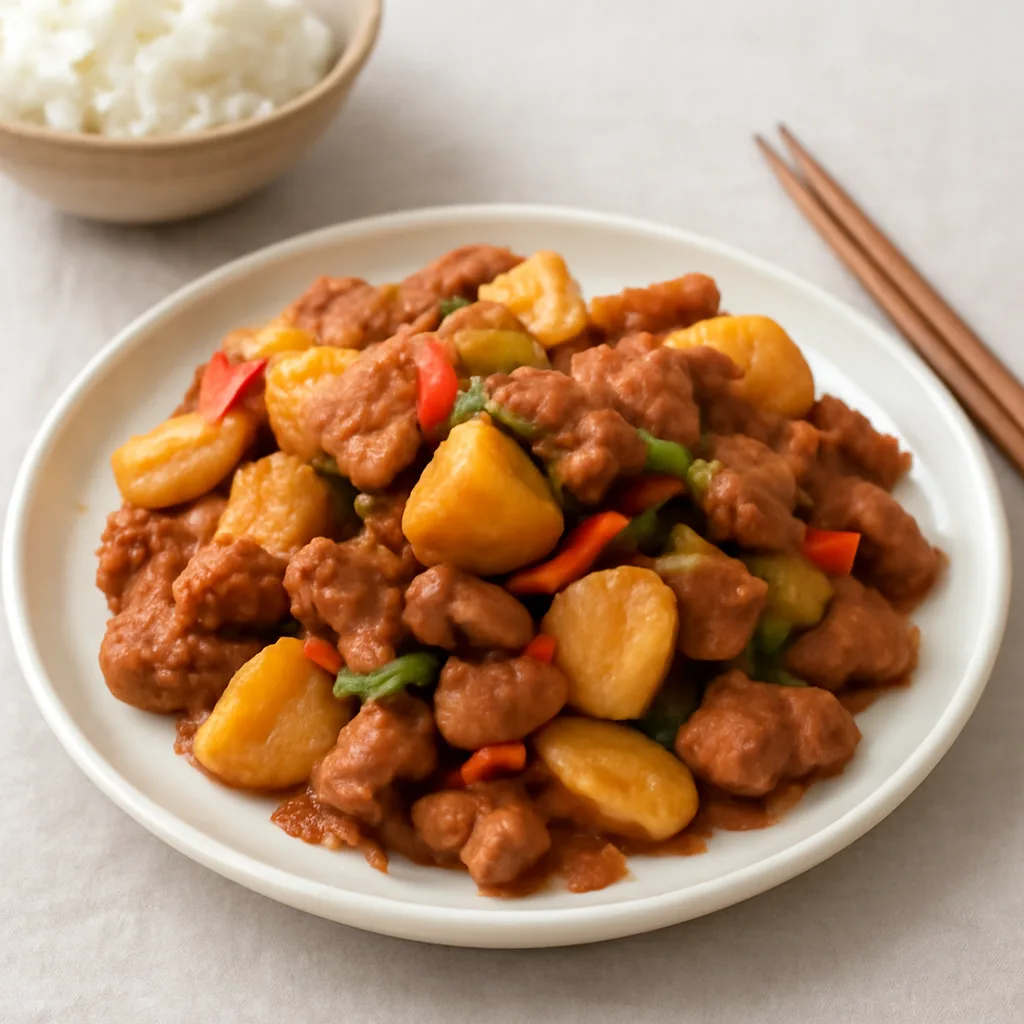
- When adding to fried rice, fried noodles, or sour-sweet sauces, add toward the end to preserve the fruit’s shape and bright flavor.
- In desserts like cake, tart, yogurt, or ice cream, place fresh fruit on top or lightly grill to concentrate sweetness.
- Canned pineapple can be very syrupy or sugary. If sweetness is too much, drain the liquid and, if needed, reduce sugar in the sauce or other sweet ingredients.
Preparation tips
- Peel and remove eyes, then cut the flesh to suit the dish. For salsa where raw texture matters, small dice work well; for grilling or skewers, cut thicker to prevent crumbling.
- The center may be hard and fibrous. Remove it for smooth purées or desserts, but it can be used in smoothies or finely chopped sauces.
- If cutting pineapple releases a lot of juice, salads or toppings can become watery. Cut just before use or drain excess juice briefly to keep the plate from becoming soggy.
- If mixing fresh pineapple into dairy-based cold mixtures for too long, texture can change. For a smooth creamier state, add it just before serving, or cool heated pineapple before using.
Cooking characteristics
- Heat a pan or grill well, wipe moisture off the pineapple surface before cooking to get a browning scent. If the pan is humid, it steams rather than sears, so don’t crowd the pan.
- As pineapple releases juice when heated, adding it early to stir-fry can thin sauces. If the sauce is already at desired thickness, add at the last few minutes and stir lightly.
- You can grill with added sugar or honey, but the fruit’s own sugars brown quickly, so very high heat can burn the surface first. If the color darkens quickly, lower heat or reduce flipping frequency.
- The acidity sharpens salty and spicy flavors, but long simmering sauces can dull the fresh fruit aroma. To keep the fruit scent, some pineapple can be cooked in the sauce while some is added at the end for finishing.
Good combinations
- The acidity of pineapple pairs well with salty, fatty ingredients like pork, chicken, or ham. If using a sweet barbecue sauce, reduce pineapple amount or add more acidic elements for balance.
- Using lime or lemon, ginger, chili, cilantro, and mint creates a brighter direction.
- Coconut, vanilla, and rum aroma in desserts pair with a soft, sweet profile, and roasted pineapple also goes well with nuts for a toasty contrast.
- When serving with cheese, choose a salty cheese to create contrast; very mild, sweet cheeses can make the overall flavor feel flat.
Points to consider when substituting
- For salsa or salads needing fresh pineapple acidity and crisp flesh, mango, peach, or a firm melon can be used, but note the aroma and sourness will differ. If the substitute is sweeter, add a bit more lime juice to adjust.
- For grilling or stir-frying, mango or firm pears can maintain shape as alternatives. Pears are less acidic, so add a small amount of vinegar or citrus juice as needed.
- Canned pineapple can fulfill sweetness in sauces or desserts. Syrup products vary in sweetness and moisture, so adjust added sugar and liquids accordingly.
- Marinating meat uses a different functional role, so simple substitution is not ideal. If only the fruity aroma is needed, use citrus juice or apple juice instead of pineapple juice, and adjust cooking time and seasoning separately.
Ingredients commonly used together in actual dishes
Aggregated based on the co-occurrence count of representative ingredients in public dishes registered in CookPagoda.
Dishes that use this ingredient
Shows dishes where this ingredient is a representative ingredient, sorted by view count.