Ingredient Encyclopedia
Check the characteristics of the ingredients and how to use them in cooking.
minced beef
1
3
Ground beef is meat that is finely minced or chopped, and its strength lies in rapid cooking and the ability to absorb seasoning evenly. It is versatile for use as a topping in fried rice, meat sauce, meatballs, dumpling fillings, curry, and light broths, with its form easily changing as needed. Its cooking results vary with fat content. Ground beef with fat adds flavor and moisture, but can release more oil, while leaner cuts are mild but can become dry if overcooked. Practically, choose based on the sauce amount and desired texture of the dish. When cooking ground beef, spreading it in a wide pan in a single layer helps develop a brown, roasted flavor. Conversely, when a moist texture or soft chunks are needed, don’t crumble it too early; cook briefly with ingredients that will compensate for moisture.
Taste and Texture
It has the beefy umami and rich fat notes characteristic of beef, with texture varying by grind size and fat ratio. Coarsely ground gives more bite, while finely ground blends more uniformly into sauces or fillings. When sautéed rapidly over high heat, moisture evaporates and a brown toasty flavor becomes stronger. If too much is added to the pan and moisture pools, the beef may end up boiled rather than fried, resulting in weaker color and aroma.
Main uses
- Sauté with onions and garlic as a base for tomato sauce, curry, chili-style sauces, and over-rice dishes.
- When fried with soy sauce, sugar, and minced garlic, it becomes a simple meat topping for rice or noodles.
- Mix with ingredients that help moisture or binding such as tofu, vegetables, eggs, or breadcrumbs to form meatballs, burger patties, dumplings, or hot pot fillings.
- For fried rice, ensure the ground beef’s moisture is thoroughly evaporated before adding rice to prevent sogginess.
- In soups or stews, sautéing the beef first enhances its flavor; if a lighter, clearer broth is desired, skim off some fat before using.
Preparation tips
- Before cooking, loosen the meat packaged in a large plate or pan to break up large clumps so heat can reach evenly. For meatball or patty dough, avoid overmixing to prevent a rough texture; mix only as needed.
- After preheating the pan, add the meat and let it sit a moment until one side browns, then crumble; this helps develop fried flavor. If you stir constantly from the start, moisture releases quickly and the meat tends to gray.
- When using watery vegetables like onions, mushrooms, or zucchini, brown the meat first to develop color, then add the vegetables or dry off their moisture separately before combining.
- If you add salt or soy sauce early, moisture may escape quickly and the pan can become watery. For the goal of brown fried aroma, add seasoning after the surface browns and simmer.
- For patties or meatballs, mix only the necessary amount of ingredients briefly, test a small portion to check salt and texture, then shape the rest to avoid overworking the dough.
Cooking characteristics
- Ground beef has a large surface area and cooks relatively quickly, but if the pan is too crowded, the temperature drops and moisture clumps. If the pan has a lot of clear liquid, divide the quantity or let it sit briefly to evaporate before turning. The fat that renders can help spread the aroma of onions or spices. If the sauce looks too greasy, pour off some oil after browning the meat and proceed with the next ingredients. When boiled with moisture-rich ingredients like tomato, soy sauce, or stock, the meat imparts more flavor to the sauce and forms softer granules. However, even with extended simmering, it's not guaranteed to stay juicy chunks, so use coarsely ground beef if you want a chewy texture or shorten cooking time. Patties or meatballs should not be pressed aggressively while cooking. If juices leak a lot when turning, or the surface cracks, you’ve overhandled it or the dough lacks moisture/binding; in the future, shape firmly and make appropriately sized portions.
Good combinations
- Onions, garlic, and pepper enhance the savory beef flavor, while mushrooms add umami and moisture when sautéed.
- Acidic ingredients like tomatoes, vinegar, or lemon help cut the rich fatty feel. In dishes centered on creamy sauces or sweet soy-seasoning, too much acidity can throw off balance.
- Fermented seasonings like soy sauce, miso, or chili paste pair well with rice dishes, and spices like cumin, paprika, and herbs add different aroma notes to sauces or patties.
- Tofu, eggs, breadcrumbs, and cooked grains can be mixed in to increase volume and adjust texture in fillings or patties.
Points to consider when substituting
- Ground pork tends to yield a softer, more fatty result and can be used in fried, dumpling fillings, or meatballs, but its flavor and fatty presence differ from beef, so adjust sweetness and sourness accordingly.
- Ground chicken or turkey are relatively mild alternatives, but with low fat they can be dry. For sauces, add a bit of stock or oil; for patties or meatballs, use moisture-adding ingredients.
- Ground mushrooms and lentils, or mashed tofu, can substitute in sauces or taco-style fillings where there is seasoning and moisture; however, for beef patties where beef fat’s aroma and bite are key, results won’t be the same.
- Finely minced beef is good for ragù or fried dishes requiring hearty texture, but for dumpling fillings that need uniform binding, it can be harder to work with than ground beef.
Ingredients commonly used together in actual dishes
Aggregated based on the co-occurrence count of representative ingredients in public dishes registered in CookPagoda.
Dishes that use this ingredient
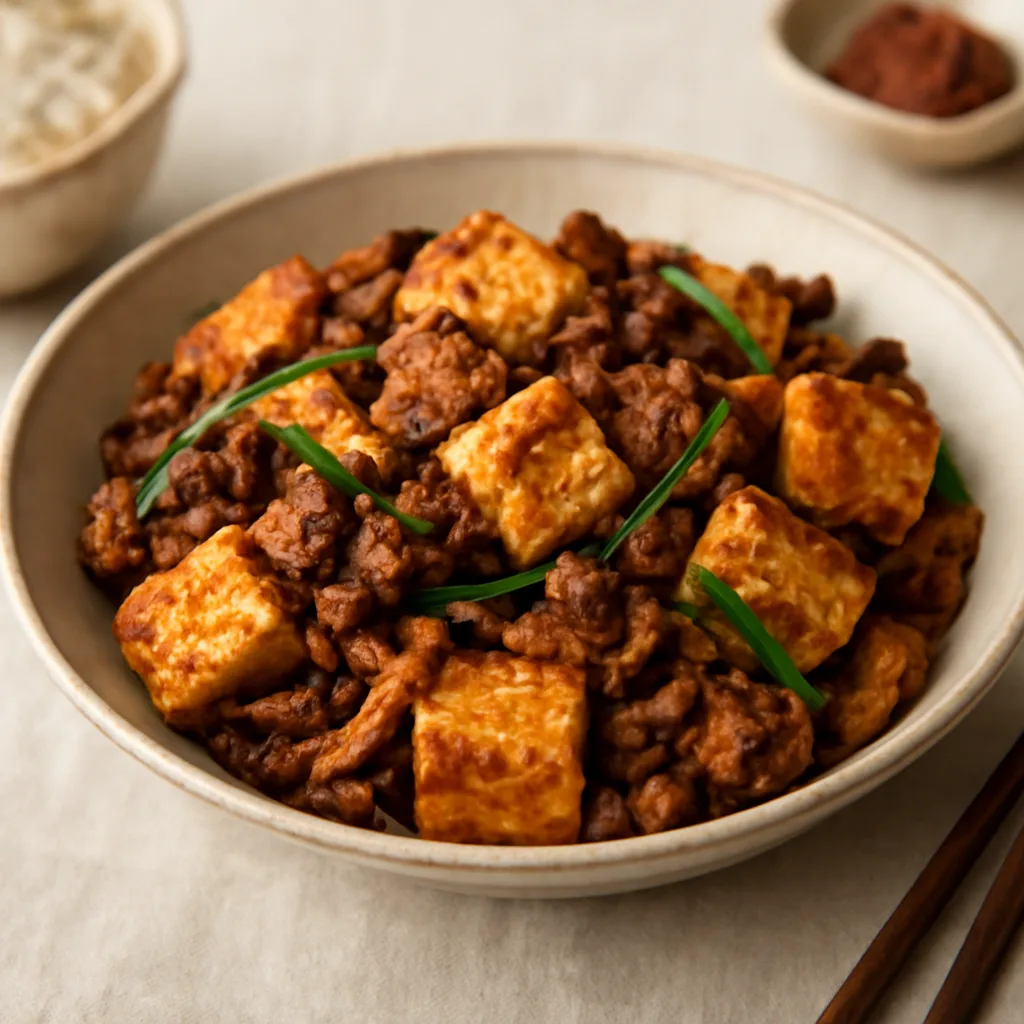
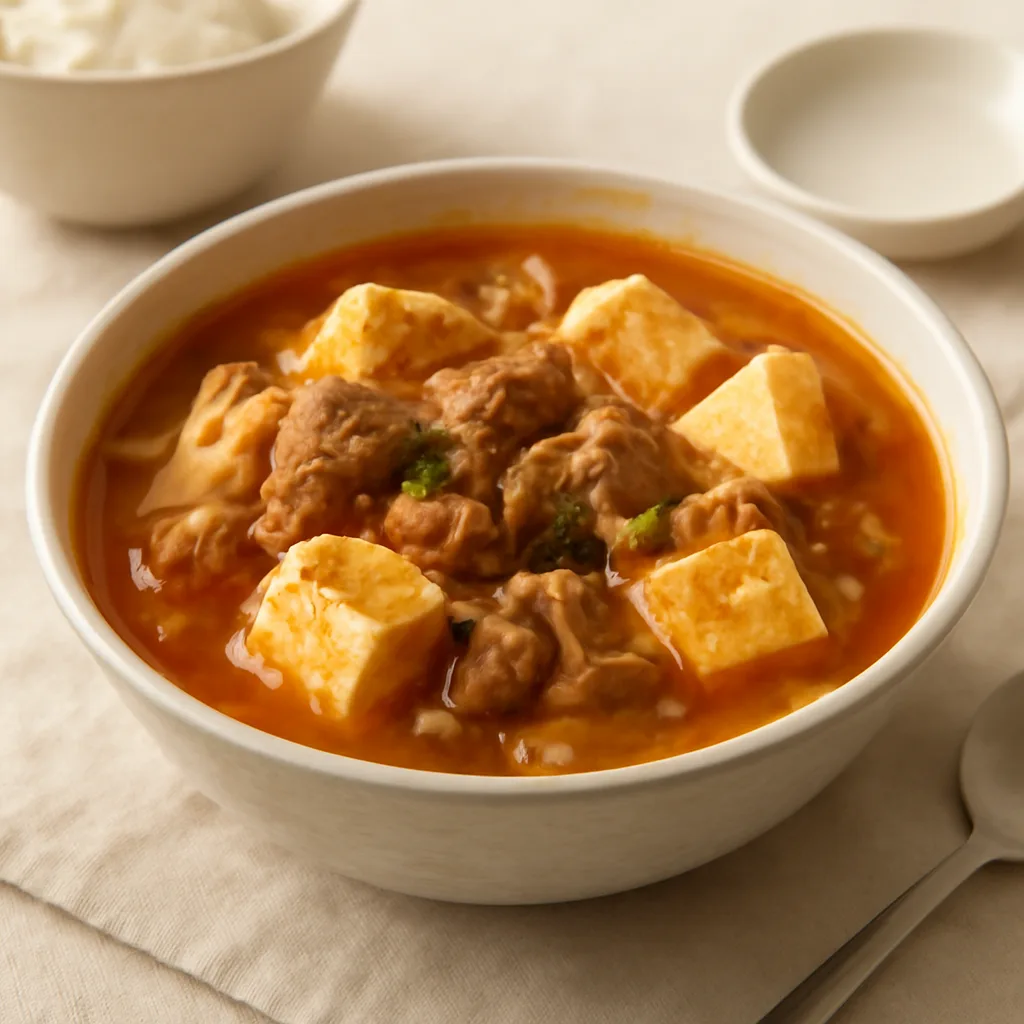
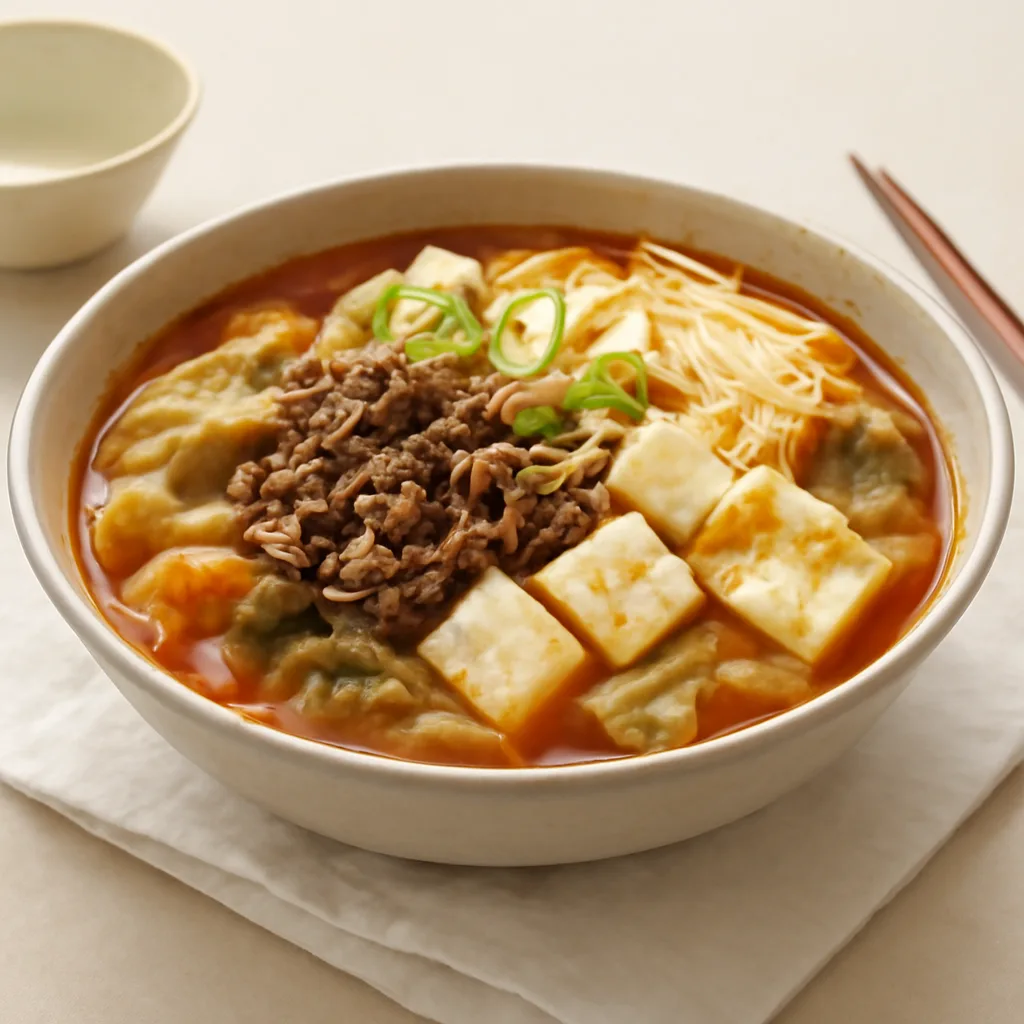
Shows dishes where this ingredient is a representative ingredient, sorted by view count.