View recipes
Check the reference data for the selected food.
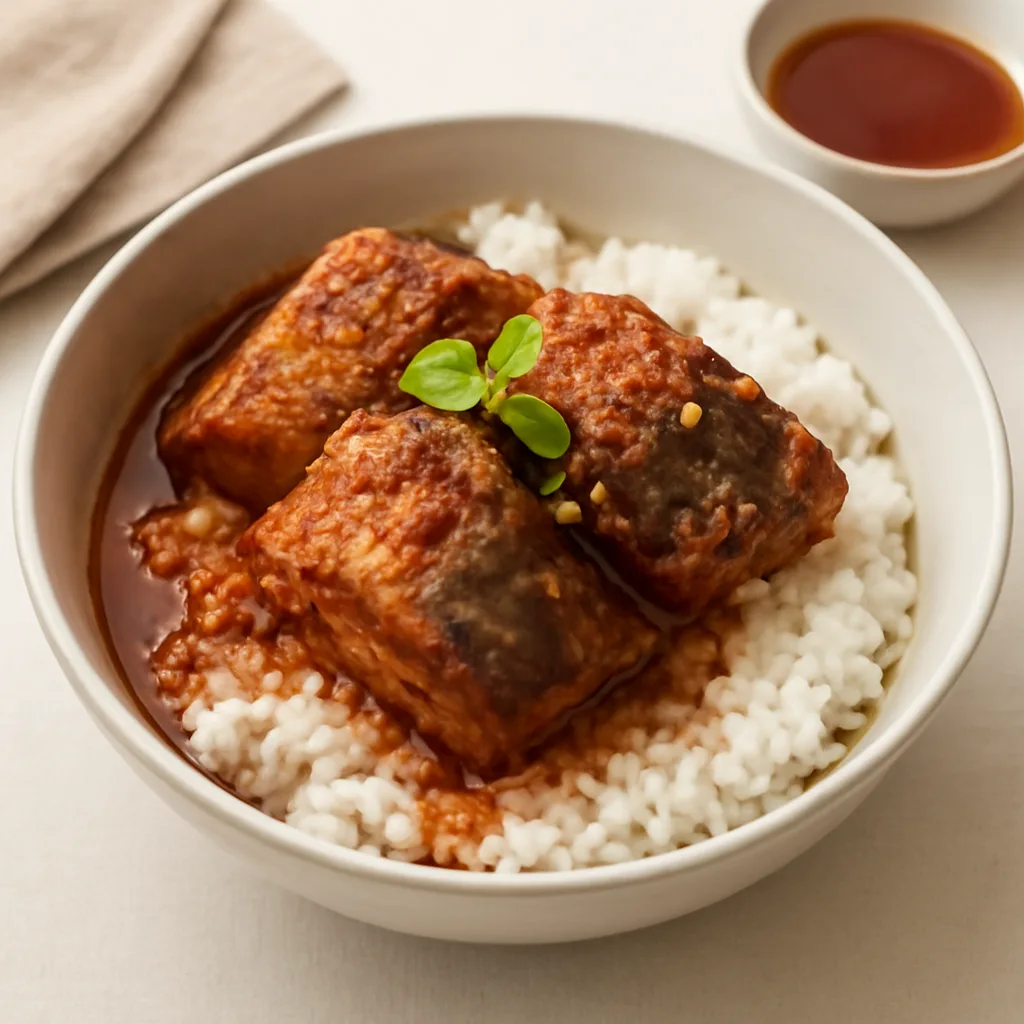
Gallechi-joryeom-bap
Gallechi-joryeom-bap is a dish that lets you enjoy the flavor of braised hairtail fish together with rice. The broth and rice blend well to create a deep savor, and scallions add aroma. Great as a convenient one-dish meal.
Main Ingredients
Related Themes
3
View0
Like1
AI recommendations0
CreatedAbout this recipe
Gallchi Jorim-bap is a one-pot dish where mool (radish) and cutlassfish are simmered in a soy sauce–chili pepper powder seasoning, then rice is added to absorb the flavorful broth. As the radish cooks first, it contributes sweetness and body to the broth, while the cutlassfish’s umami seeps into the rice. Because the fish flesh can break apart easily, it’s better to gently tilt the pot to spoon the broth over the fish rather than stirring vigorously during simmering. Rice should be added after the broth has become slightly saucy to prevent over-mushing, and if using freshly cooked, moist rice, slightly reduce the amount of broth before adding rice. Though it’s convenient as a one-pot meal, once the rice is added the texture becomes closer to a soft porridge or risotto rather than a true braise. If you want to enjoy the fish flesh and the seasoned broth separately, serve the rice in a separate bowl or on the side rather than mixing it into the pot."
Taste and Texture
The savory, salty umami from soy sauce and garlic is complemented by the gentle heat from chili powder, with scallions adding a bright aroma at the end. The sweetness from radish and onion rounds out the saltiness of the sauce. Well-cooked cutlassfish breaks apart softly along its muscle fibers, while the radish soaks up the broth and stays moist. The rice becomes moist and tender as it blends with the slightly saucy seasoning; if you prefer a firmer, more separate grain texture, it’s better to serve the rice on the side.
Key to making it delicious
- Prepare the cutlassfish in 3–4 pieces and place them on top of the radish so they don’t crumble, reducing sticking to the bottom when heated; the fish will be easier to lift out after cooking.
- Slice the radish about 1 cm thick and start simmering first so it cooks through even in a short time; when chopsticks can easily pierce, proceed to the next step.
- After adding the seasoning, maintain medium heat so the broth stays gently simmering. If it boils too hard, the fish flesh may break and the broth may reduce too quickly.
- When the broth has enough to moisten the rice, add the rice and gently stir. If there is too much broth, the rice may become mushy, so reduce a bit more before adding.
- Add the green onion at the end and simmer just once to keep its aroma; if the onion aroma weakens after long simmering, you can turn off the heat and add some of it later.
Common mistakes
- After adding the fish, vigorously stirring with a ladle can break the flesh into small pieces and cloud the broth, so ladle the broth over the fish or gently shake the pot handle to help cooking.
- If the radish is still firm and the rice is added too early, the rice will mush while the radish remains undercooked. Check that the radish edges are translucent and that a chopstick can enter easily before adding rice.
- If the broth hasn’t reduced enough before adding rice and it becomes soupy, avoid turning up the heat strongly; instead simmer on medium-low for a short time longer to adjust the thickness without breaking the rice.
- If the soy sauce seasoning is too salty when added at first, splash a small amount of water and simmer again to even out the flavor, then recheck the seasoning before mixing in the rice.
- If you add scallions at the beginning, their aroma can weaken and color may dull, so add sliced scallions at the end.
Application Ideas
- To reduce spiciness, reduce chili powder and let the sweetness from radish and onion fully infuse, adjusting with a small amount of soy sauce or salt at the end if needed.
- If you’re not fond of mixing the rice into the broth, braise the fish and radish first, then serve over rice with broth poured on top as desired for a bibimbap-like presentation.
- It’s easier to mix if you remove as many fish bones as possible before adding the rice, though the flesh can break apart easily; handle carefully after the fish is fully cooked.
- If more onion sweetness is desired, slice onions rather than finely mincing them so some texture remains after cooking, adding a softer sweetness that complements the radish.
Pairing ideas
- Serve in bowls immediately with the green onions visible to enjoy the warm broth and fish aroma.
- Pair with kimchi or light greens to add contrast in texture and a fresh, crisp counterpart to the moist rice.
- Be mindful of fish bones; for children or when serving in one-bowl portions, check the flesh first and remove any bones before serving.
Essential ingredients
Hairtail
Radish
Onion
Green onion
Water
Soy sauce
Red pepper powder
Minced garlic
Salt
Rice
Optional ingredients
No separate optional ingredients.
Cooking order
Prepare the hairtail by cleaning and cutting into 3–4 pieces.
Slice radish about 1 cm thick; shred the onion.
Pour 2 cups water into a pot, add the hairtail and radish, and bring to a boil.
Add 3 tablespoons soy sauce, 1 tablespoon red pepper powder, and 1 tablespoon minced garlic; simmer over medium heat for about 15 minutes.
When the broth reduces slightly, add the rice and mix well.
Finally, add the chopped green onion and simmer for a moment more.