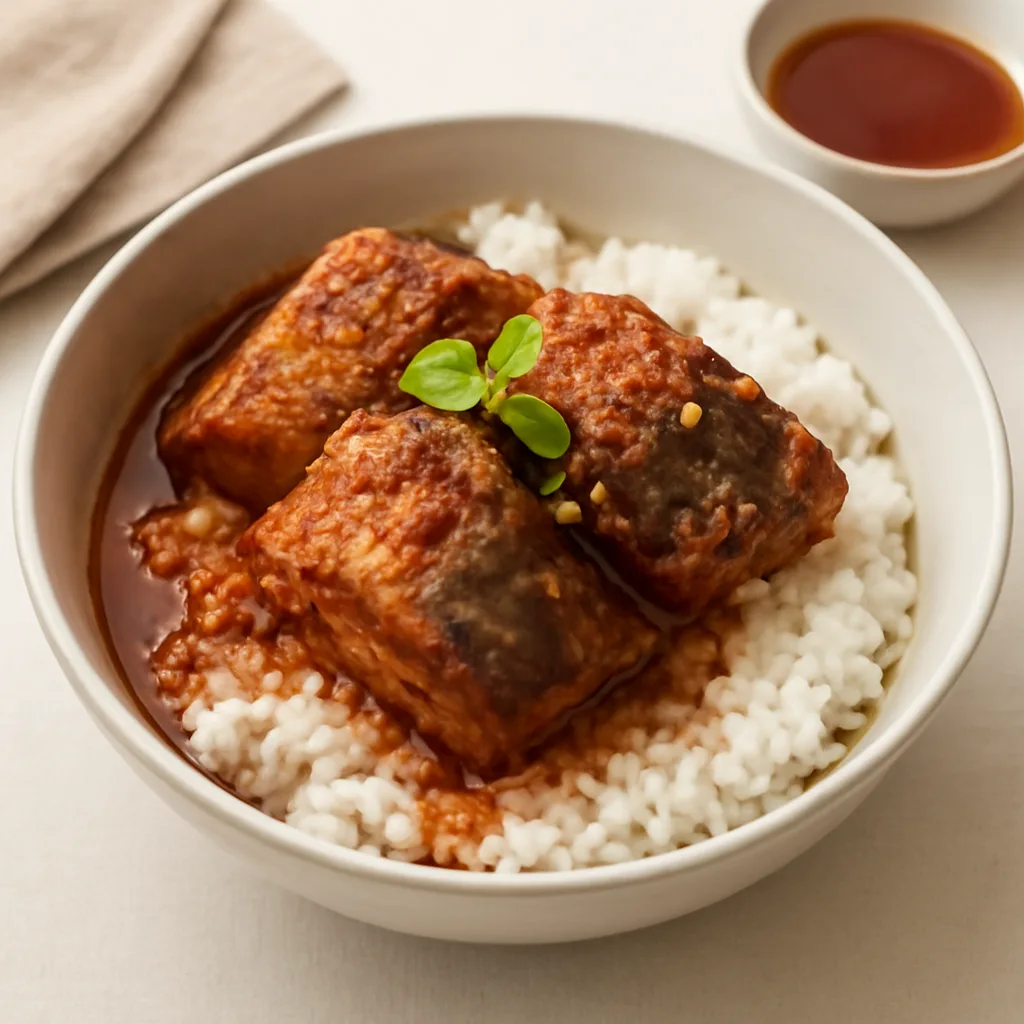
Theme guide
Check the selection criteria and cooking ideas for foods that match this theme.
This theme is about choosing cooking methods for fish based on type, flesh thickness, fat, and presence of bones. Lean white fish pair well with sauces or herbs, while fatty fish partner with elements that balance flavors like salt, acidity, and spicy seasonings. When choosing, start by whether the flesh is firm, whether to keep the skin, and whether the dish is a broth or grilled. Thin fillets suit quick braising or pan-searing, while chunks or bone-in fish are better for broth or braising with flavorful sauce. Overcooking makes the flesh tough and crumbly, so adjust doneness by thickness and state rather than cooking on high heat for a long time. When using frozen fish, drying the thawed flesh helps prevent the sauce from becoming too thin or splattering when grilling.
Well-suited for these people
- Great when you want to prepare a main accompaniment to go with rice in a short time.
- If you want a meal easy to eat without bones, choose skinless fillets; if you want the distinct flavor of fish and broth, choose chunks or bone-in fish.
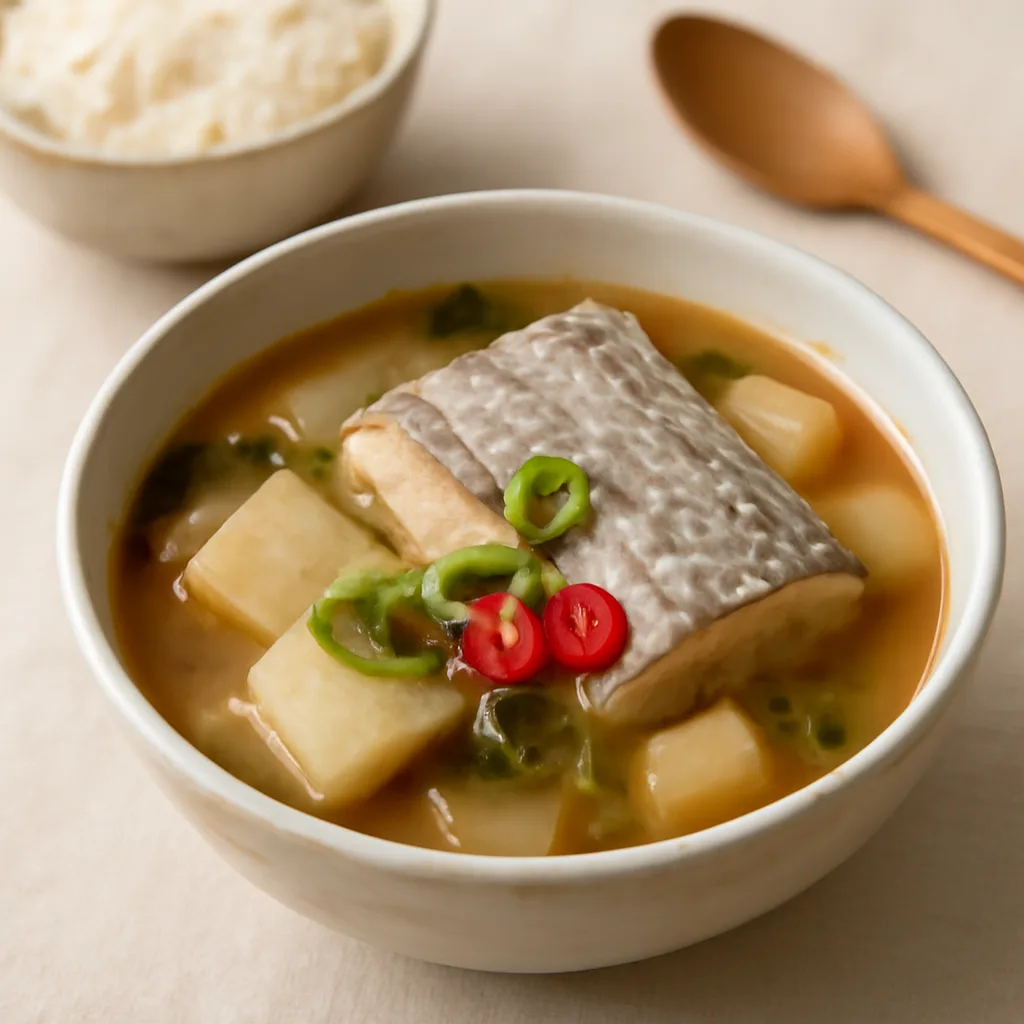
- For meals where spicy seasoning is not preferred, salt-grilled, steamed, or clear broth configurations that highlight the ingredient’s natural flavors may be more suitable.
- For gatherings, smaller cuts or fillets are easier to share than a whole fish.
Food Selection Guide
- If the surface shows very dry areas or strong fishy liquid collects, pat dry with paper towels before cooking and consider pairing with herbs or seasonings according to the condition.
- Thick chunks may cook through to the center slowly if you sear only the exterior, so prefer methods like braising or steaming that deliver heat evenly.
- Fillets with skin are suitable for pan-searing to achieve a crispy texture, but remember the skin may soften in braised dishes with lots of sauce.
- If bones are a concern, check packaging for bone-free verification and inspect for any remaining bones after cooking.
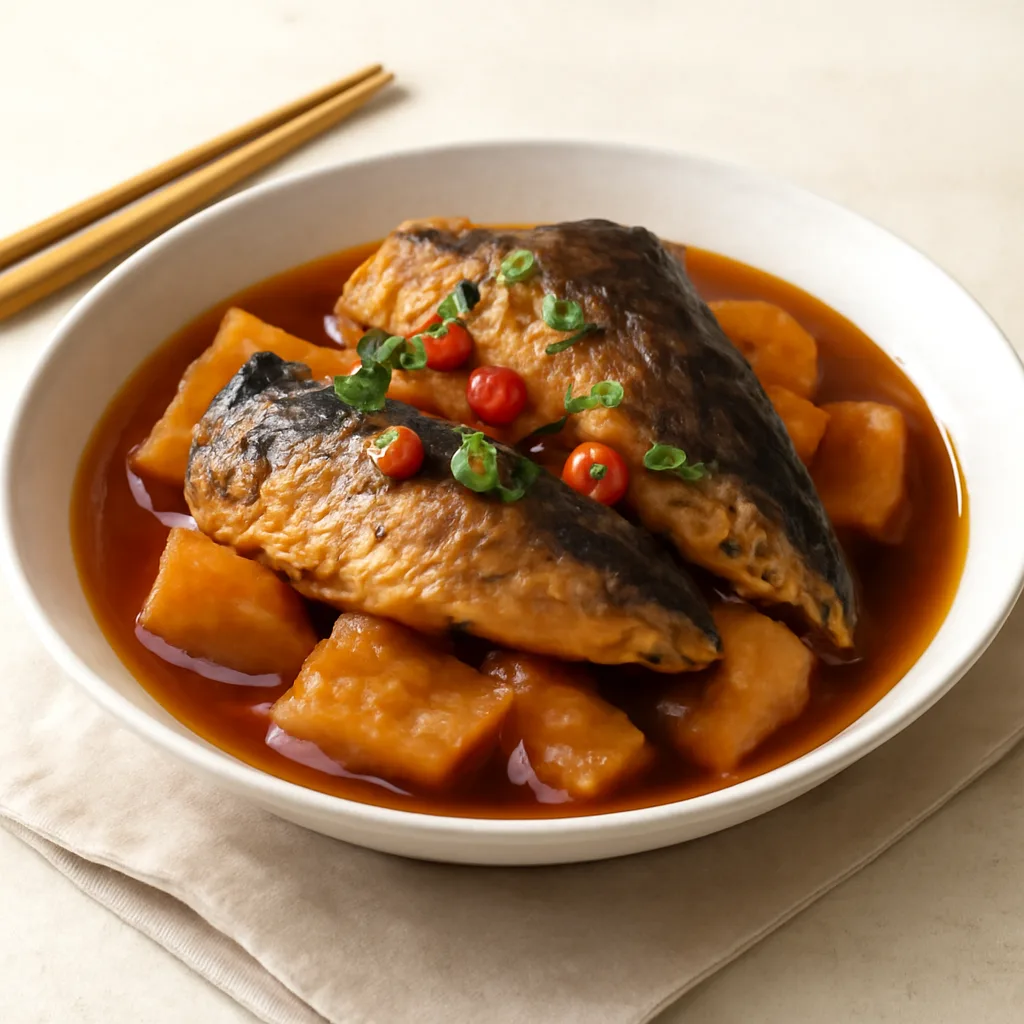
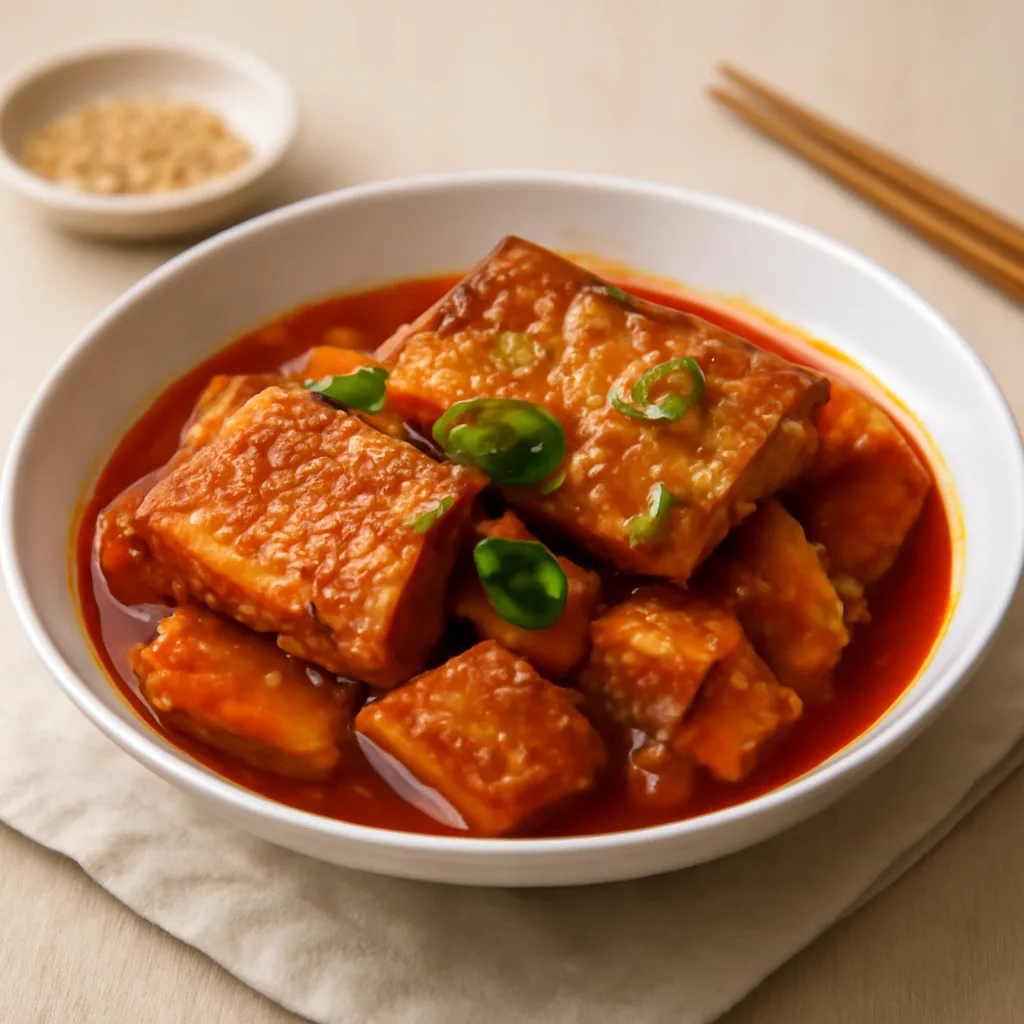
- Strong-flavored braises with soy or gochujang can accompany rice as a side, but for tasting the fish’s own flavor, simple preparations with added salt and acidity may be better.
Frequently paired ingredients
- Salt is used to season the fish as a base; sprinkle a small amount before roasting and wipe off any surface moisture so it browns better in the pan.
- Vegetables like radish, green onion, onion can be added to braises or broths to add sweetness and aroma.
- Garlic, ginger, pepper, sake or cooking wine can complement the fish aroma, but if the aroma is too strong, reduce the amount so the fish flavor remains.
- Soy sauce, chili powder, gochujang can form the base of braising sauces, but fish releases moisture, so adjust the concentration during cooking rather than making the sauce thick from the start.
- Citrus like lemon or vinegar pair well with grilled fish, but long marination can change the surface texture, so add acidity just before serving.
Compatible cooking methods
- Pan-searing is good for thin fillets or skin-on fish; after patting dry, preheat the pan well to reduce sticking.
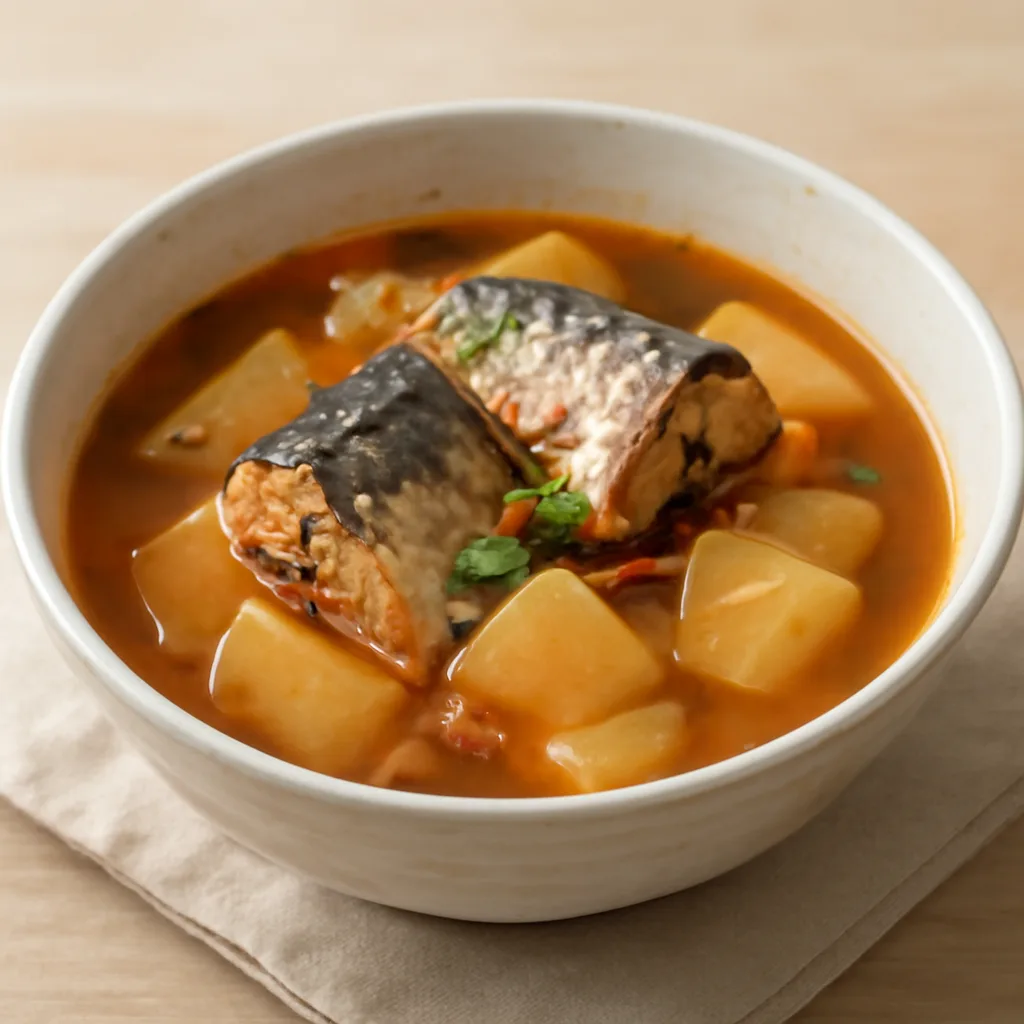
- Braising works well with chunk fish and vegetables like daikon or onions, but if the liquid reduces too quickly, cook on medium-low and monitor the state.
- Steaming is for preserving moisture in fish flesh without much oil, and for varying thickness pieces, add smaller pieces later or cook separately.
- Clear soups or spicy soups can extract flavor from bones and head parts, but boiling too long may cause the flesh to loosen.
- Frying yields a crispy texture, but if the oil is not hot enough, the coating may absorb more oil, so avoid crowding the pan.
Tips for beginners
- When you place fish in the pan, avoid turning it too often as the flesh may tear; wait for one side to color and release naturally, then turn once.
- If the flesh tends to break apart, use two spatulas to support it and try a firmer fish or skin-on fillet next time.
- If braising sauce tastes salty, instead of adding too much water, add more of the vegetables or a small amount of water gradually to adjust the consistency.
- Frozen fish can cook unevenly if thawed partially; thaw completely, pat dry, and cook pieces of similar thickness together.
- After filleting, keep knives, boards, and plates used for fish separate from other ingredients, and prepare a separate serving plate for cooked fish.
Menu Composition Tips
- With strongly flavored fish dishes like soy braise, pair with plain white rice and blanched vegetables or a light broth to avoid overpowering flavors.
- If the dish is salt-grilled or pan-seared, add a bright side like lemon, a green salad, or a light garnish to balance the richness.
- If the meal includes fish stews with substantial ingredients like daikon or potatoes, keep other side dishes light to avoid a crowded table.
- If you want to include multiple fish dishes in a single meal, vary textures and seasonings rather than making everything spicy; balance grilled and broth-based dishes.
- For a guest setting, pair high-bone dishes with bone-free options or vegetable sides to help manage pace and choice.
Foods included in this theme
Here are the foods included in this theme, sorted by views from CookPagoda's public food.