Theme guide
Check the selection criteria and cooking ideas for foods that match this theme.
“Eating at the same table with children” is a theme of choosing ingredients by size, texture, and seasoning to fit the child’s developmental stage and meal experience, rather than restricting meals for the child. Soft rice and soup, bite-sized protein side dishes, and cooked vegetables are common, easy-to-grip compositions, but not every child benefits from the same form. When choosing a menu, first check whether the child can actually chew it, and whether there are elements during the meal that are hard to control, such as hot broth or hard chunks. Within a single menu, adjust by adding more seasoning to the adult portion later and by finely cutting or reducing the amount of broth in the child portion, which can broaden the table’s options without needing extra dishes. Rather than adding many new ingredients at once, pairing new ingredients with familiar staples or sides one at a time makes it easier to observe reactions. However, on days when the child is tired or meals are tight on time, it may be more practical to focus on familiar, soft menus rather than introducing new combinations.
Well-suited for these people
- Suitable for people looking for a family meal that can be eaten at the same table as children.
- If a child hasn’t yet become accustomed to biting force or using eating utensils, prioritize menus that are easy to handle and have textures that are not too uneven.
- If the child’s appetite is monotonous, this guide helps families who want to slightly change cooking methods or accompaniments based on familiar ingredients.
- Because some menus center on spiciness, strong aromas, or very hot foods, adjustments may be needed for everyone to eat them as-is; a split portion with separate seasoning is especially convenient.
Food Selection Guide
- Check whether the cooked foods can be easily pressed with a spoon or separated with a fork. If there are hard raw vegetables, chewy meat fibers, or round whole ingredients that are hard to chew, chop them finely or cook until soft.
- If the soup or sauce seems richly seasoned, set aside the child’s portion first and add sauce or seasoning to the adult portion. If it’s hard to gently adjust an entire pot from the start, finish by adding seasoning at the end is preferable.
- If two or three familiar staples like rice, noodles, potatoes, and protein sides with cooked vegetables are visible, the meal is relatively simple. However, more ingredients do not necessarily mean better eating, so if there are many unfamiliar ingredients, reduce to one to ease choice.
Frequently paired ingredients
- Softly cooked rice, noodles, potatoes, or sweet potatoes as staple ingredients can serve as a base easily paired with other side dishes.
- Egg, tofu, minced meat, finely cut filleted fish, or lean meat are often used to create bite-sized, soft textures.
- Carrots, zucchini, potatoes, broccoli that can have texture adjusted when cooked, suitable for stir-fries, soups, pancakes, or onigiri pockets.
- Soy sauce, sesame oil, broth, tomato sauce are flavoring ingredients; start with small amounts and add adult portions after setting aside the child’s portion to make adjustments easier.
Compatible cooking methods
- Boiling and steaming soften ingredients and are easy to serve without strong seasonings, good for trying new vegetables or proteins.
- Soups or porridge with moisture make it easier to eat rice and side dishes together, but if ingredients are large or broth is hot, cool and cut into small pieces.
- Stir-frying can remove moisture and be good for bento or bite-sized sides, but overcooking makes them tough or the seasoning too strong, so turn off heat when ingredients are just cooked.
- Dishes that shape forms like jeon (pancakes), meatballs, or onigiri can be easy for little hands to grasp, but making them too large may cause them to break while chewing; cut into small pieces.
Tips for beginners
- Begin by adding one cooked vegetable or protein to already-eaten rice or noodles. If there are many unfamiliar elements on a plate, it’s hard to tell what the child rejects.
Menu Composition Tips
- For a meal, combine a staple, a soft protein, and one cooked vegetable to simplify preparation and choice.
- On the day you make soup, reduce overlaps with side dishes that share ingredients inside the soup. For example, if the soup contains several vegetables, choose eggs or tofu as the other main ingredient for sides.
- If planning to separate adult and child seasonings, it’s easier to prepare steaming, roasting, or boiled ingredients first and add seasonings at the table.
- To use ingredients for the next meal, keep rice, cooked vegetables, and protein ingredients separately, then repurpose them into bibimbap, onigiri, or soup by changing only the form. If you mix all ingredients with strong sauces from the start, it can be hard to steer the next menu.
Foods included in this theme
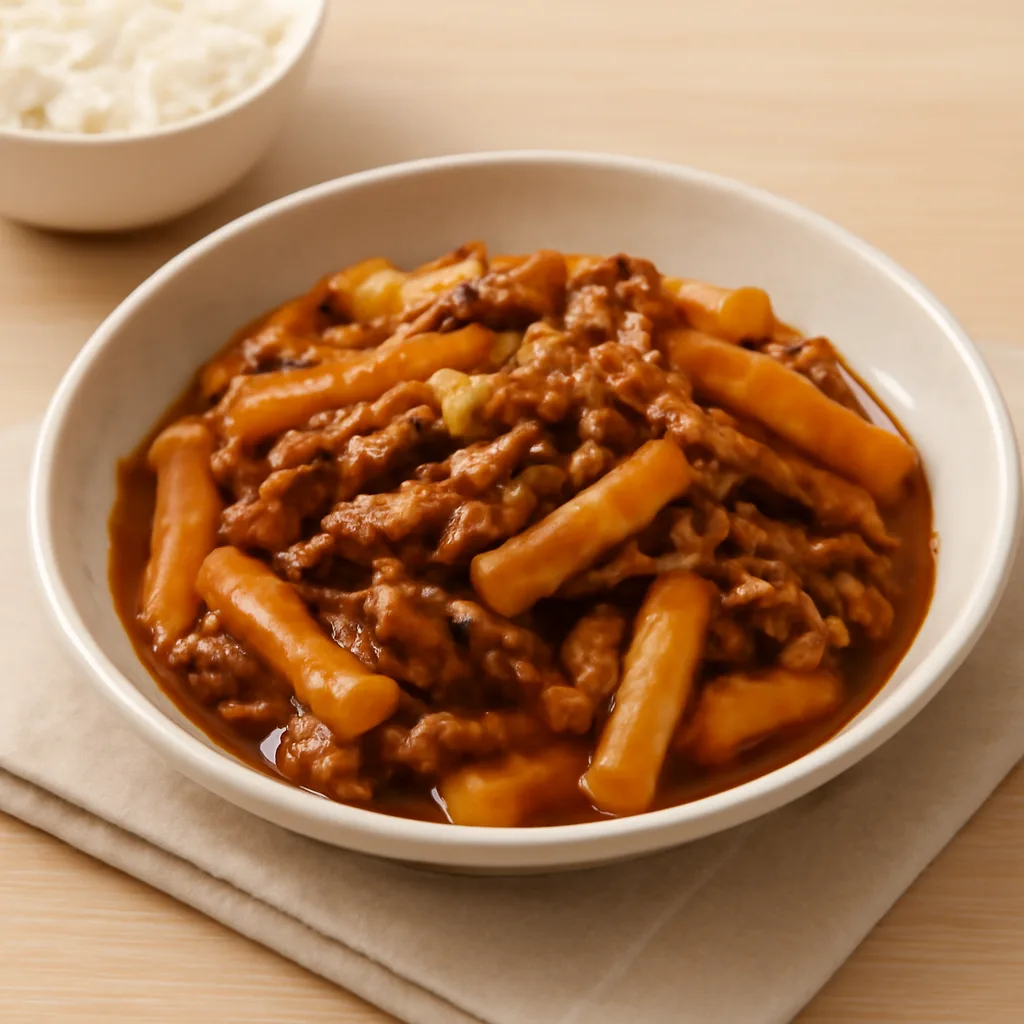
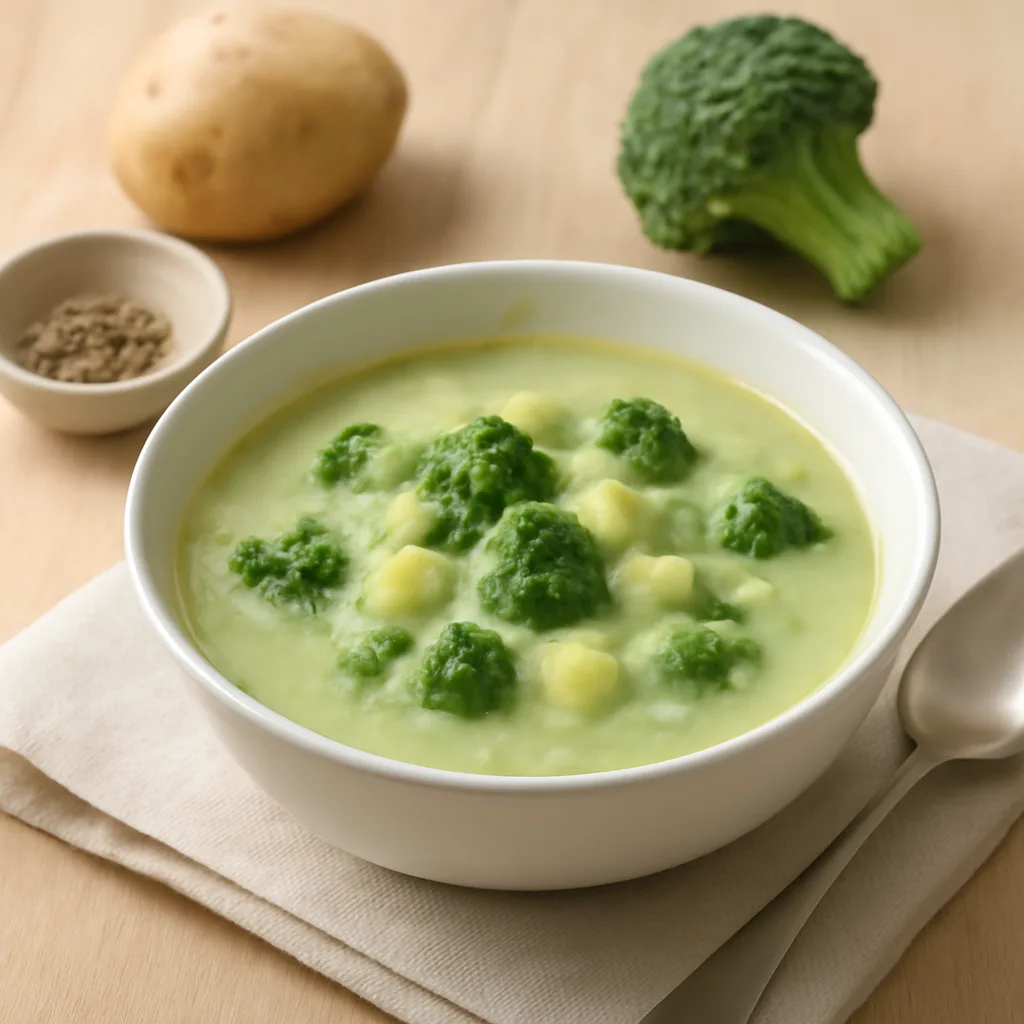
Here are the foods included in this theme, sorted by views from CookPagoda's public food.