Ingredient Encyclopedia
Check the characteristics of the ingredients and how to use them in cooking.
Lotus root
1
3
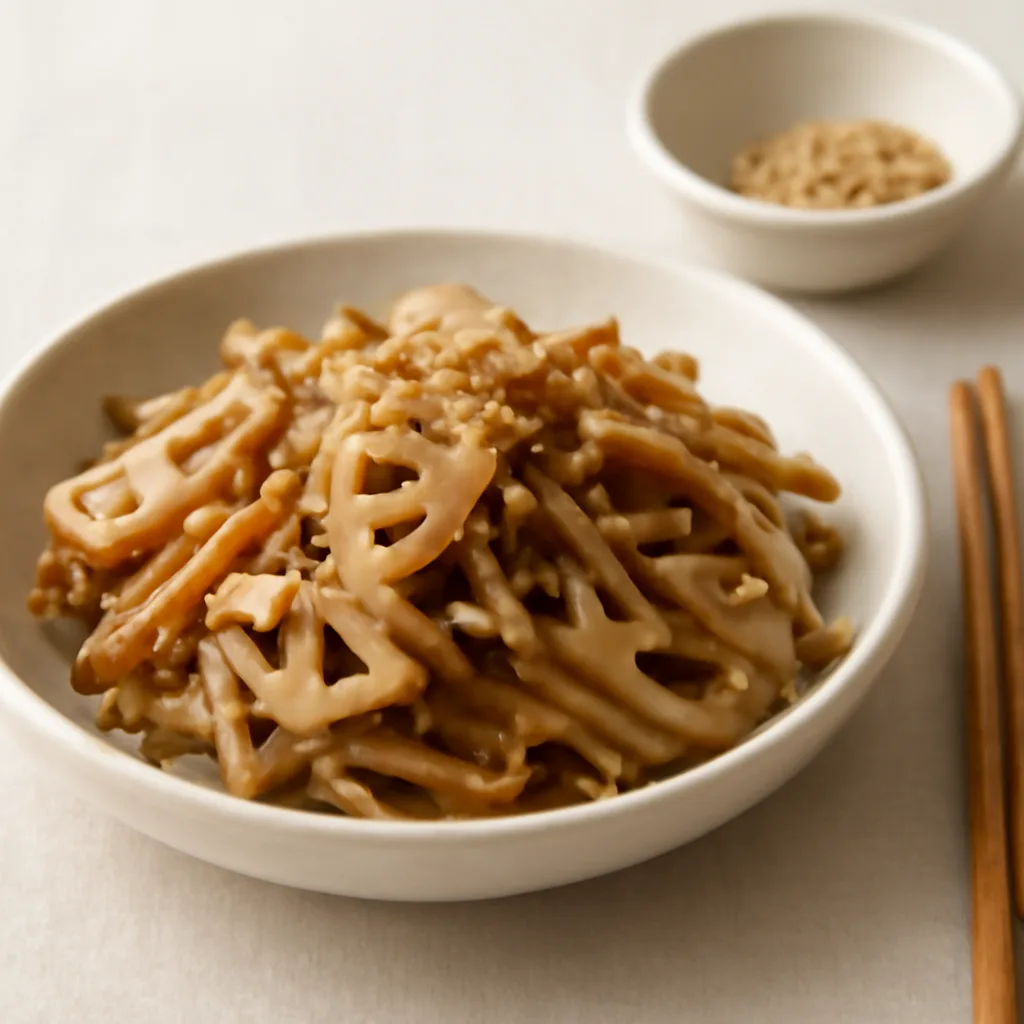
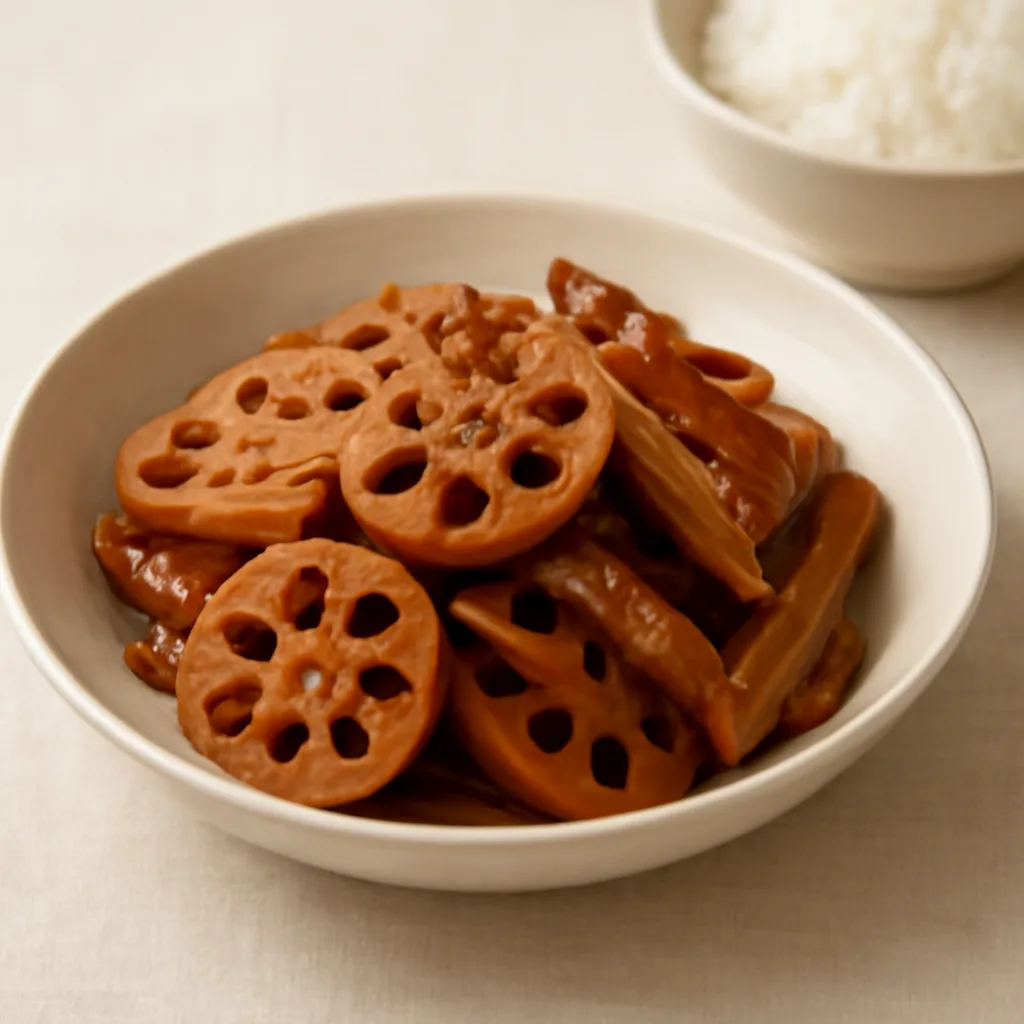
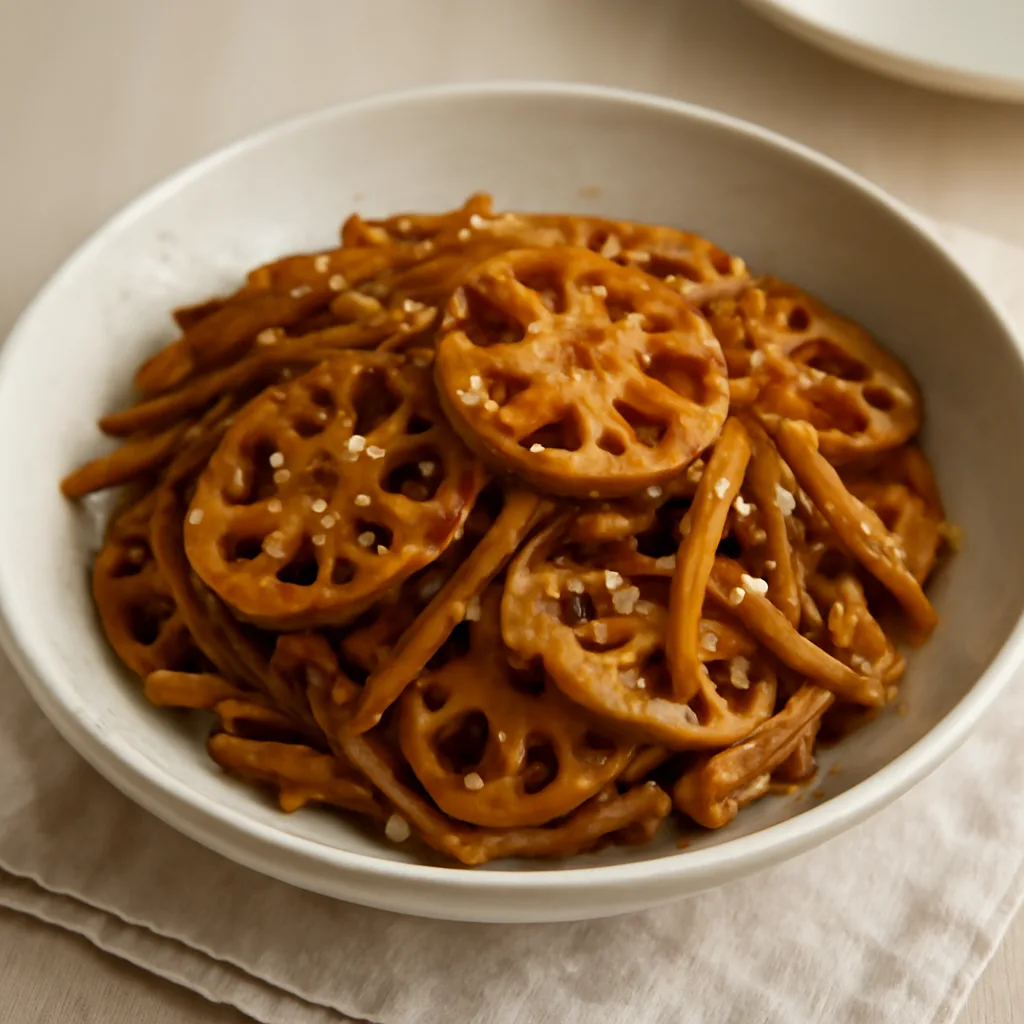
Neon-geun is the edible rhizome of the lotus plant; its cross-section features multiple holes. When thinly sliced, it keeps a crisp texture, and when cooked slowly it becomes soft and fluffy. It can play very different roles depending on the method: stir-frying, braising, frying, jeon (pancake), or salads. For soup dishes, slice a bit thicker to add bite; as a side dish, thin slices pair well with soy sauce or vinegar for flavor. If the surface of sliced lotus root browns quickly upon exposure to air, it often means it has touched air; if not cooking right away, soak in water before using. However, soaking too long can dilute its delicate flavor.
Taste and Texture
Lotus root has a gentle aroma with an earthy, mild sweetness and does not overpower on its own. It absorbs seasonings well and still keeps its own character, pairing nicely with bold ingredients like soy sauce, miso, vinegar, and sesame oil. Raw or lightly cooked lotus root is firm and crisp; when braised or steamed long enough, its texture becomes more tender. Even with the same lotus root, the thickness of the slices and the cooking time greatly influence the texture.
Main uses
- For soy braising, cut into even-thickness slices so the sweetness and saltiness mellow together; when the liquid remains glossy at the end, turn off the heat. If the liquid completely reduces, the surface seasoning can burn easily.
- Thinly sliced lotus root is blanched in lightly vinegared water or pickled for salads and side dishes. A tangy seasoning makes the lotus root’s mild flavor stand out, but too strong a vinegar taste can mask its delicate sweetness.
- Sliced lotus root can be added to pancake batter or fried to give a crispy texture. If the batter is too watery from the lotus root moisture, oil splatter or the fry may be soggy, so thoroughly pat dry any excess moisture.
- In soups, stews, or rice dishes, add thick half-moon or chunky pieces to preserve the bite. In long-simmered dishes, slices that are too thin can disappear, so ensure a sturdy thickness.
Preparation tips
- Rough dirt and skin can leave residues, so scrub under running water and, if needed, peel a thin layer. If you see discoloration or damaged areas near the skin, trim them generously.
- Trimmed lotus root into thin rounds, half-moons, or batons according to use. For crisp frying or salads, thin or slender slices; for braising or steaming, slightly thicker is advantageous.
- If browning occurs after slicing, soak briefly in water. For dishes like braises where the sauce should absorb strongly, it’s better to pat dry and cook right away rather than soak too long, to avoid excessive flavor dilution.
- If the surface feels slippery or the aroma is stronger than usual, check its condition before use. Hard, clean-cut surfaces are easier to slice into desired shapes.
Cooking characteristics
- When stir-fried quickly over high heat, moisture escapes before it fully loses crispness, preserving a bite. If the pan is wet, it will steam rather than fry, so split the ingredient or raise heat to evaporate moisture.
- In soy braising, start by boiling the seasoning to infuse the lotus root, then simmer on medium heat to fully flavor through. If the surface darkens too much while the interior remains pale, add a little water or stock to braise more softly.
- A soaking liquid with vinegar helps keep lotus root color relatively bright. But long soaking reduces crispness, so remove when the edge just turns translucent.
- In frying, thin pieces crisp quickly but can darken easily. After removing from oil, carryover heat can deepen the color, so remove when it is slightly lighter than your target color.
Good combinations
- Add soy sauce, sugar or corn syrup, sesame oil, and sesame seeds to create a savory-sweet lotus root braise. If you want less sweetness, use less corn syrup and instead incorporate savory liquids like kelp stock or mushroom stock.
- Acidic or pungent ingredients like vinegar, yuzu, or mustard provide a bright contrast to the mild lotus root. When serving with dishes that are already acidic like pickles or marinades, reduce the vinegar ratio.
- Stir-frying with beef, pork, mushrooms, or carrots emphasizes the lotus root’s crispness against softer ingredients. When adding to meat dishes, ensure you pat the meat dry first to reduce moisture that would prevent browning.
Points to consider when substituting
- In stir-fries or salads where crisp texture is essential, alternatives like cassava, burdock root, or sturdy radish can work, but their aroma and cross-section differ. Burdock has a stronger aroma and radish softens faster, so timings won't be the same.
- To replace the mild sweetness and bite in braises, choose firmer root vegetables like radish, chestnut, or taro instead of potatoes or pumpkin; they hold up better for long braises. Potatoes and pumpkin tend to break down more readily.
- For frying or jeon that needs crispy pieces, thinly sliced sweet potato or potato can be used. However, they have more starch and sweetness than lotus root, so reduce sweetness in batter and seasoning to maintain balance.
Ingredients commonly used together in actual dishes
Aggregated based on the co-occurrence count of representative ingredients in public dishes registered in CookPagoda.
Dishes that use this ingredient
Shows dishes where this ingredient is a representative ingredient, sorted by view count.