Ingredient Encyclopedia
Check the characteristics of the ingredients and how to use them in cooking.
Lettuce
1
2
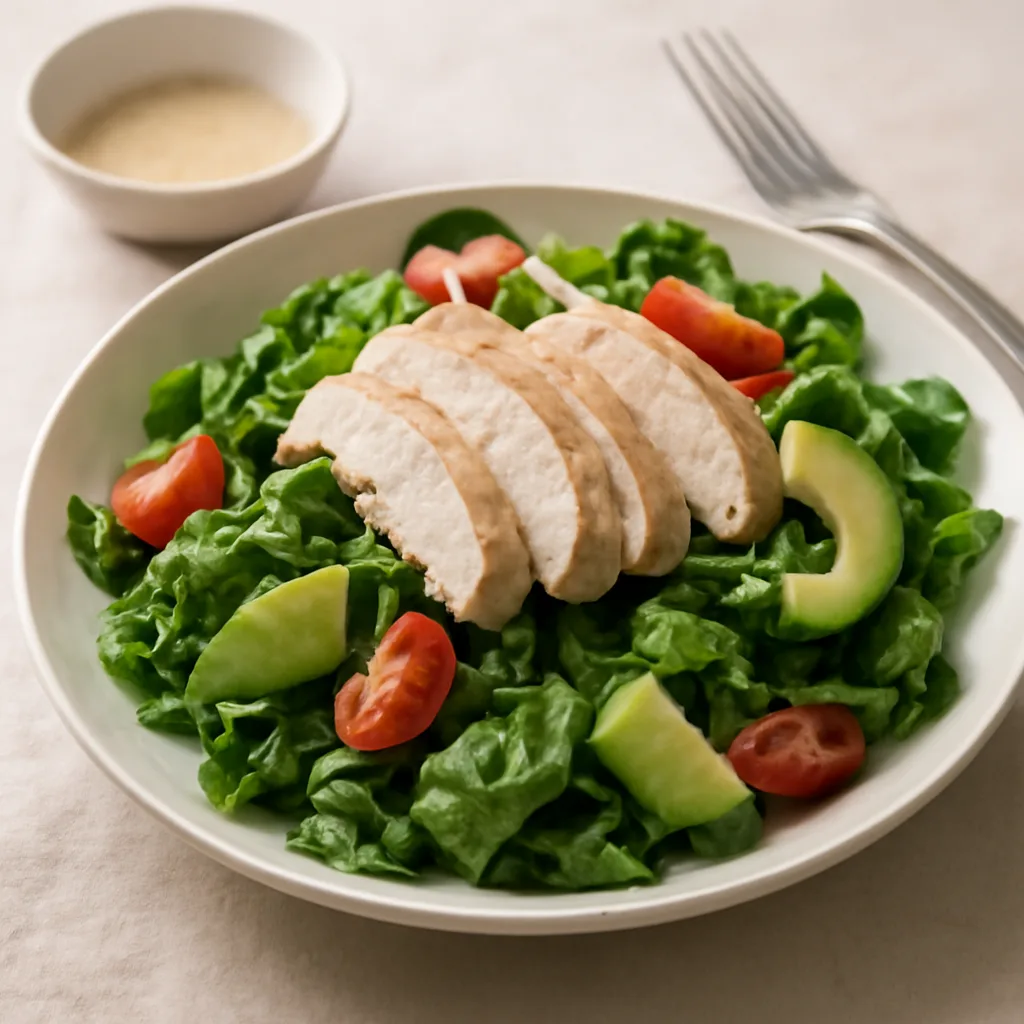
Lettuce is a vegetable used raw in leaves or cooked briefly, especially helpful to add fresh volume and crisp texture to salads. Its leaves are wide and watery, making it good for wrapping dressings, meat, and stir-fry ingredients. Most lettuce varieties have a mild, clean flavor rather than strong aroma, so they pair well with salty cheeses, grilled meat, and sharp sauces. However, since the leaves themselves aren’t very prominent, they’re not ideal as the main ingredient in soups or long-simmered dishes that require deep flavors. Remove any withered or spoiled outer leaves, and pick leaves that are firm with little browning on the cut surfaces for best texture when eaten raw. After washing, if moisture remains, the dressing may be runny and the stir-fry may release a lot of water, so dry thoroughly before using.
Taste and Texture
Lettuce has a gentle sweetness and fresh vegetable aroma, with a slight bitterness depending on the variety and freshness. It does not have a strong aroma, so it won’t overwhelm other flavors. Raw leaves are cold, crispy, and high in moisture. If heated for too long, cell tissue breaks down quickly and becomes soft and damp, so for a crisp texture it’s better to add at the end or enjoy raw.
Main uses
- Use as the base leafy vegetable in salads and toss lightly with oil-and-vinegar or creamy dressings. If you add dressing too early, the leaves will wilt quickly, so mix just before eating.
- Use as outer wrap for wraps or wraps to enclose grilled meat, cooked minced meat, or rice with sauce. If leaves are too small or torn, wrappers can burst with moisture from fillings, so using larger outer leaves is convenient.
- Add to sandwiches and burgers to create a crisp contrast between soft bread and meat. If placed on hot patties, it can wilt quickly, so add just before assembly.
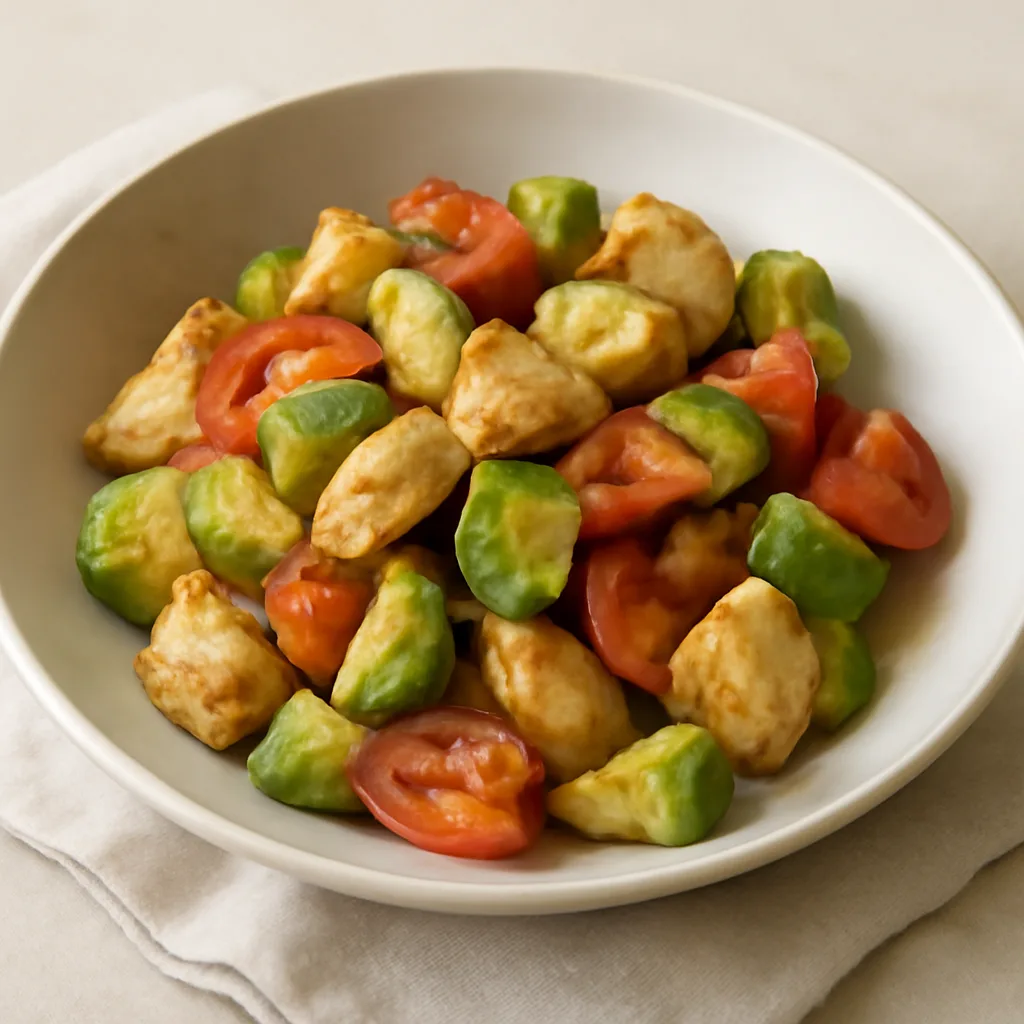
- Try adding toward the end of high-heat stir-fries or noodles to barely wilt it. Prolonged frying can cause lettuce moisture to release into the pan, thinning the stir-fry.
Preparation tips
- Rip leaves off one by one and rinse under running water, checking between leaves for soil or debris. Rinse quickly and dry thoroughly to keep leaf crisp. If chopped with a knife, cut surfaces increase and leaves may soften easily, so for salads tearing by hand is better. For sandwich-ready, cut with a knife into wide pieces and use immediately. Soak briefly in cold water and dry completely to restore some resilience of wilted leaves. If leaves are slimy or smell off, it’s better to discard than try to revive them.
- When stir-frying, don’t cut leaves too small; prepare larger pieces. Small bits lose presence quickly due to heat and moisture.
Cooking characteristics
- Lettuce releases moisture and decreases in volume as it cooks longer. If water pools on the pan, raise heat and finish by quickly tossing in lettuce at the end rather than cooking longer, to avoid sogginess.
- Searing over high heat briefly softens only the edges while the center retains a light texture. Conversely, covering or adding a large amount at once steams it, resulting in a softer texture rather than crunchiness.
- Salt can speed moisture release from leaves. For raw salads, add salt and sharp dressing just before eating; for stir-fry, season other ingredients first before adding lettuce.
- When added to hot broth, it softens quickly and can be used as a finishing vegetable for clear soups or noodle dishes. But long simmering dulls color and texture, so not suitable when a chewy bite is desired.
Good combinations
- Using fragrant oils like olive oil or sesame oil with acids such as vinegar or lemon juice helps highlight the lettuce’s mild flavor. If the dressing is very tangy, add it separately to avoid wilting the leaves too quickly.
- Pairing with roasted chicken, pork, or beef helps cut the meat’s fattiness. Since lettuce itself is mild, add texture or aroma with nuts, cheese, herbs, or spicy sauces to balance.
- Goes well with raw vegetables like cucumber, tomato, and onion, but mixing many watery ingredients at once can make the salad bottom watery. In that case, add tomatoes just before serving or keep them separate.
Points to consider when substituting
- In salads, you can substitute romaine, butterhead-type leaves, or the lighter leaves of cabbage, but texture and dressing absorption will differ. For crispness, choose romaine; for softer leaf feel, choose butterhead-type.
- For wraps, large cabbage leaves, romaine, or blanched perilla leaves can be used. Note perilla has a stronger aroma and cabbage has different moisture and thickness, so adjust fillings and sauce amounts accordingly.
- If lettuce isn’t available for stir-fries or soups, substitute with leafy greens like bok choy, napa cabbage, or spinach. Bok choy and cabbage hold shape longer when cooked, but spinach wilts quickly, so add later.
Ingredients commonly used together in actual dishes
Aggregated based on the co-occurrence count of representative ingredients in public dishes registered in CookPagoda.
Dishes that use this ingredient
Shows dishes where this ingredient is a representative ingredient, sorted by view count.