Ingredient Encyclopedia
Check the characteristics of the ingredients and how to use them in cooking.
Salmon
3
6
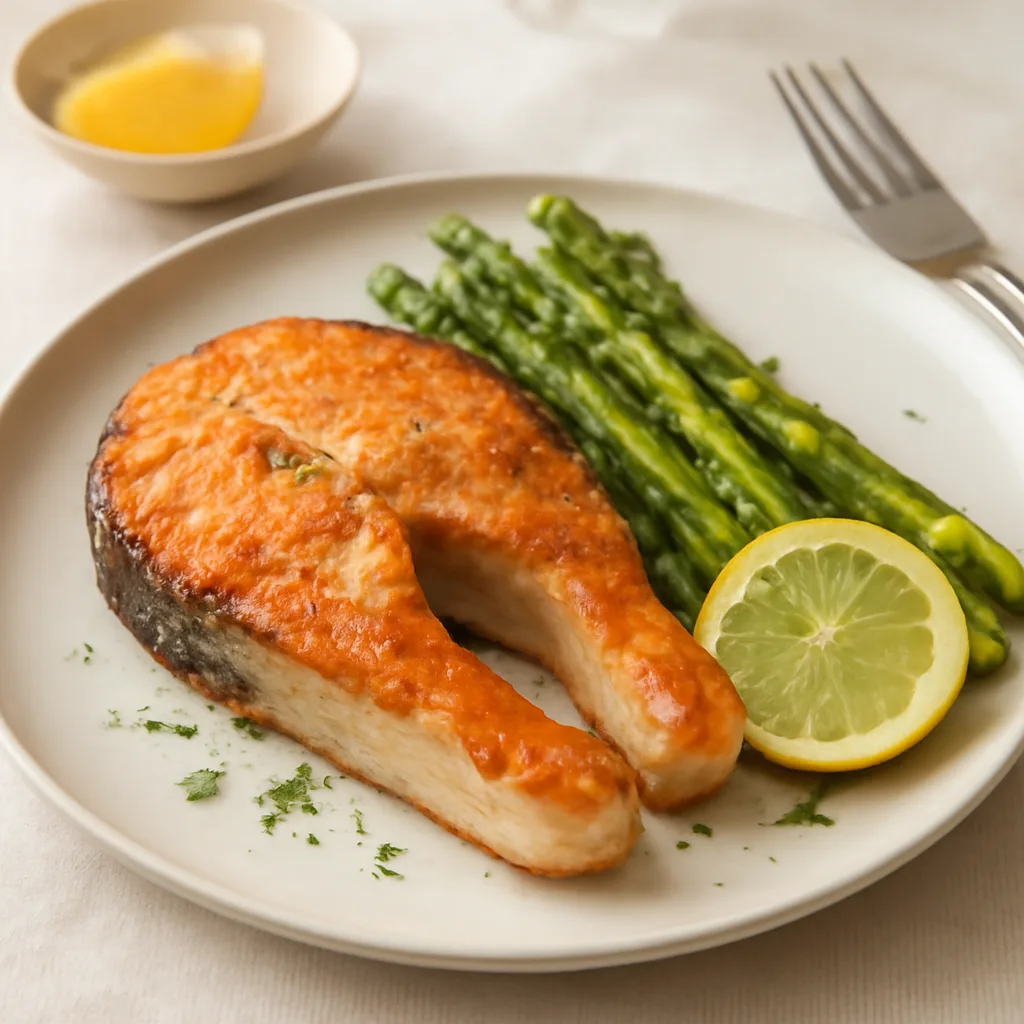
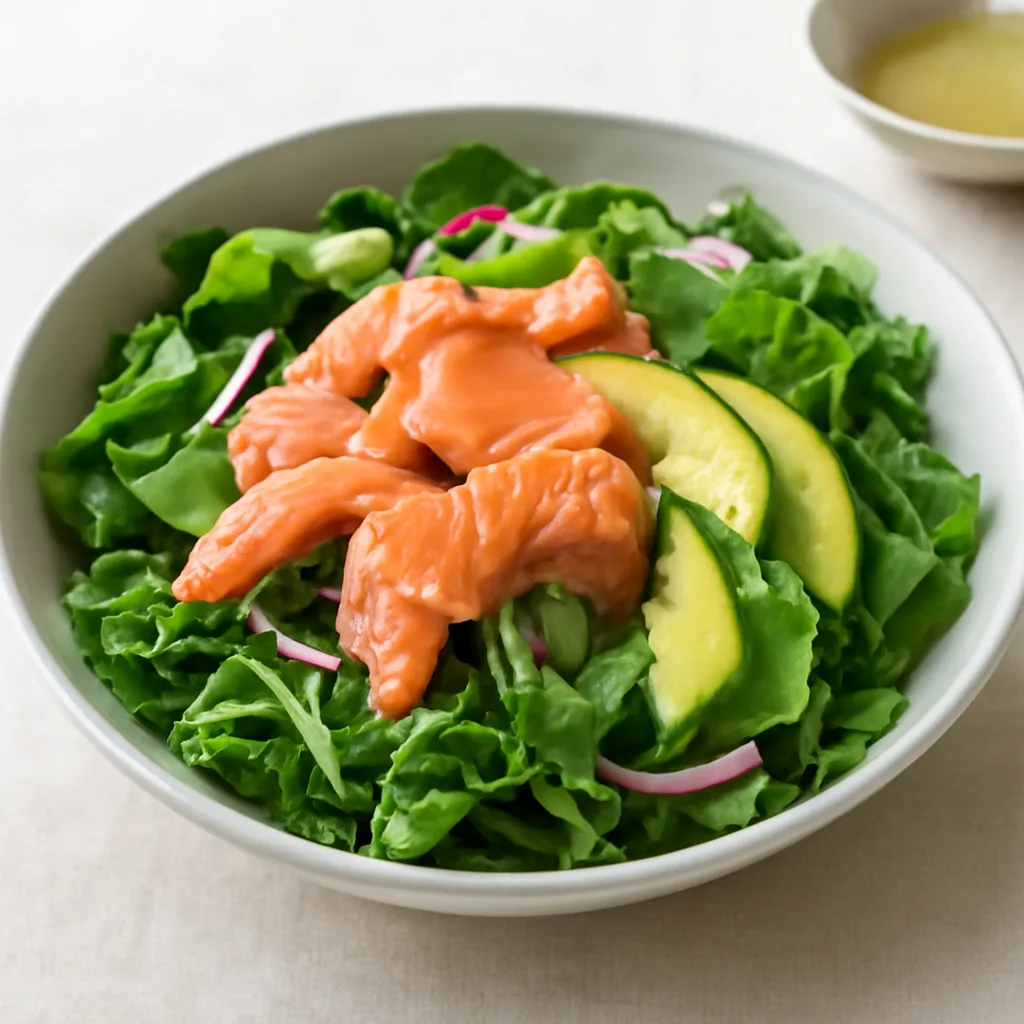
Salmon is a fish with pinkish flesh and relatively high fat, used broadly from grilling, pan-frying, steaming, and stewing to non-heat dishes like sashimi or poke. Because the flesh is fairly thick, cooking that keeps the center moist suits well, and pieces with skin can add a crispy texture. Flavor-wise, it can be simply seasoned with salt and acidity, or paired with flavorful sauces like soy sauce, miso, herbs, and spices. However, if strongly flavored sauces are applied for too long, the oil-rich aroma and soft texture of the salmon can get overwhelmed, so adjust marinade time according to whether the dish is light or heavily seasoned. Thickness and cut affect the cooking speed. The surface should color well while the inside stays from overheating, so it’s better to sear the outside first over high heat and then lower the heat or finish with residual heat to avoid drying out the salmon.
Taste and Texture
Salmon centers around a savory, fatty flavor, and when cooked the flesh fibers separate softly. Fatty portions stay moister and richer, while leaner cuts firm up faster for the same cooking time. When used raw, it has a smooth, soft texture; when heated, it becomes opaque pink and the grain becomes more defined. If overcooked, white proteins may appear on the surface and the meat can feel dry and tight.
Main uses
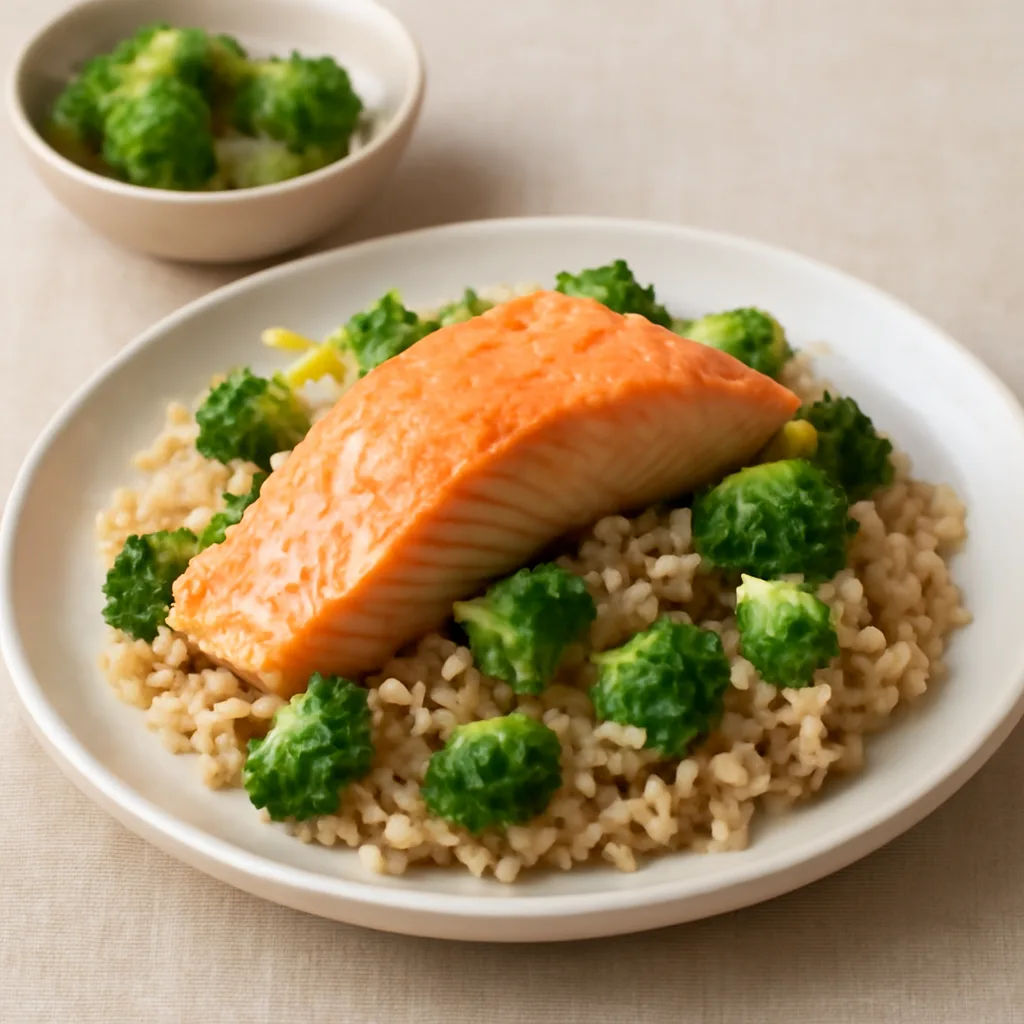
- Season with salt and pepper and grill in a pan or bake in the oven with rice, potatoes, or salads. If the fillet has skin, starting with the skin side down creates a crispy contrast.
- Cook with sauces that are salty or sweet like soy sauce, miso, gochujang, or maple syrup for braised or glazed dishes. Sweet sauces color quickly, so it’s best to apply them in the latter stage rather than thickly at the start.
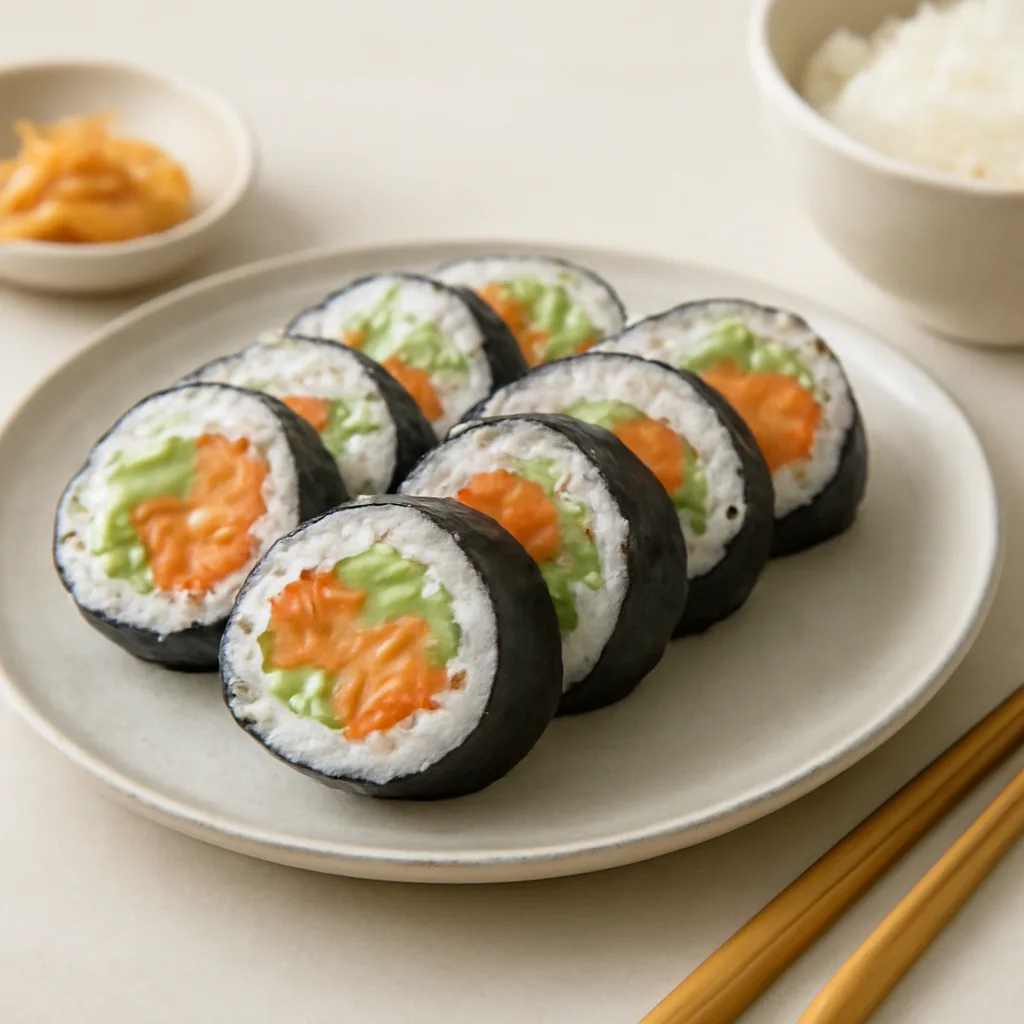
- Flake cooked salmon into pasta, fried rice, onigiri, or sandwich fillings. When reheating leftovers, cooking too long in a dry pan can dry it out; instead mix briefly with sauce or rice.
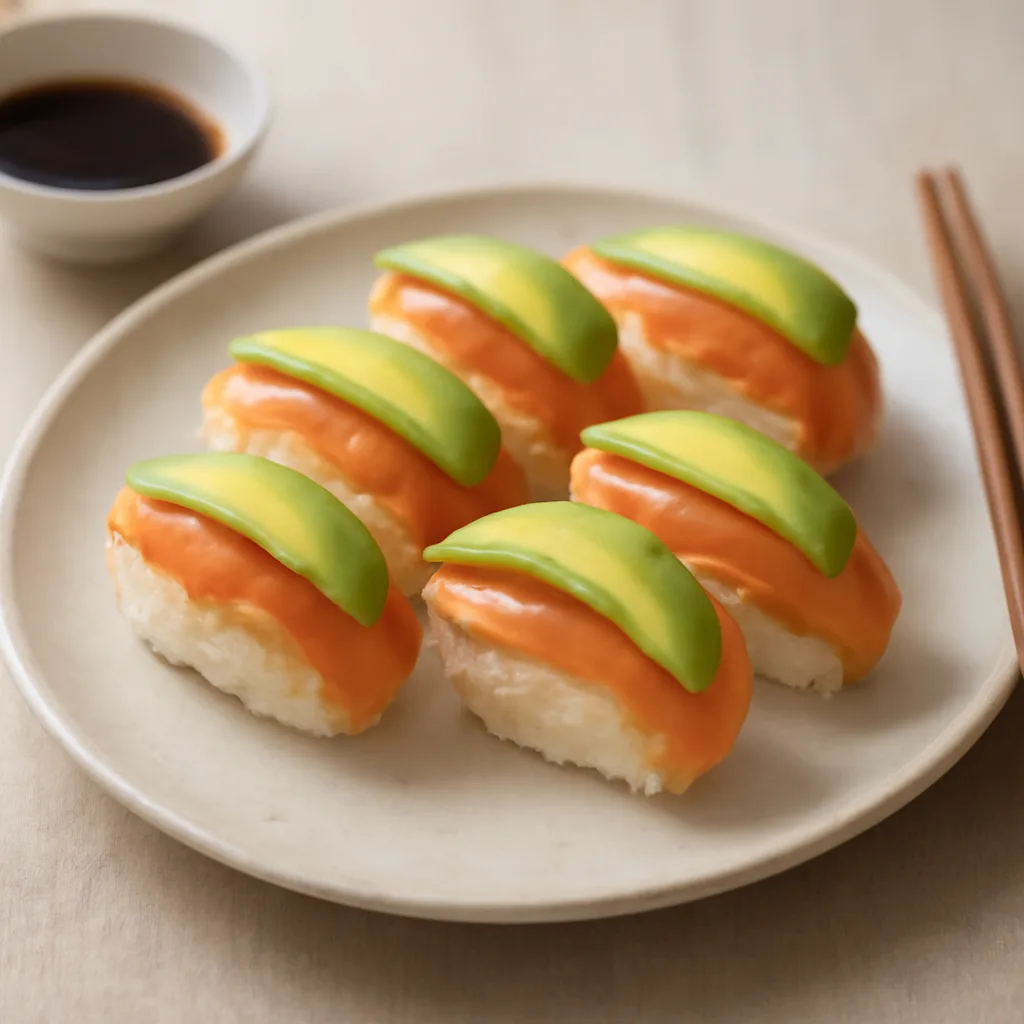
- Raw salmon is used for sashimi, sushi, poke, or carpaccio. This use differs from simply substituting culinary raw salmon, so check product usage and handling instructions before choosing.
Preparation tips
- Gently press the surface with a paper towel to remove moisture so oil splatters less and browning is even. If you want a crispy skin, ensure moisture on the skin side is thoroughly dried.
- Thick fillets should be judged for doneness based on the thickest part. When inserting a fork, if the grain begins to separate but the center still looks moist, remove from heat and finish with residual heat.
- Sprinkle salt just before cooking for quick surface seasoning. If it has sat with surface moisture, wipe again before roasting to reduce steaming.
- There may be bones, so feel along the meat and remove visible bones. For thin slices, removing bones can tear the flesh, so use tweezers to pull them out slowly in one direction.
Cooking characteristics
- In pan-frying, begin with a well-preheated pan rather than a cold one so the surface browns without sticking. After placing the salmon, wait until the bottom naturally releases before turning.
- Fat renders and keeps it moist, but prolonged high heat makes internal moisture escape. If the surface is already deeply browned and the center is undercooked, lower the heat, cover briefly, or transfer to the oven.
- In oven or air fryer, hot air can dry the surface quickly. Thinner pieces cook faster than thick fillets, and basing sauce on early vs late stages to avoid burning is advised.
- Braising absorbs the flavor of the broth, but long simmering makes the flesh fall apart. When the flesh is opaque and the edges start to separate, add briefly to maintain shape.
Good combinations
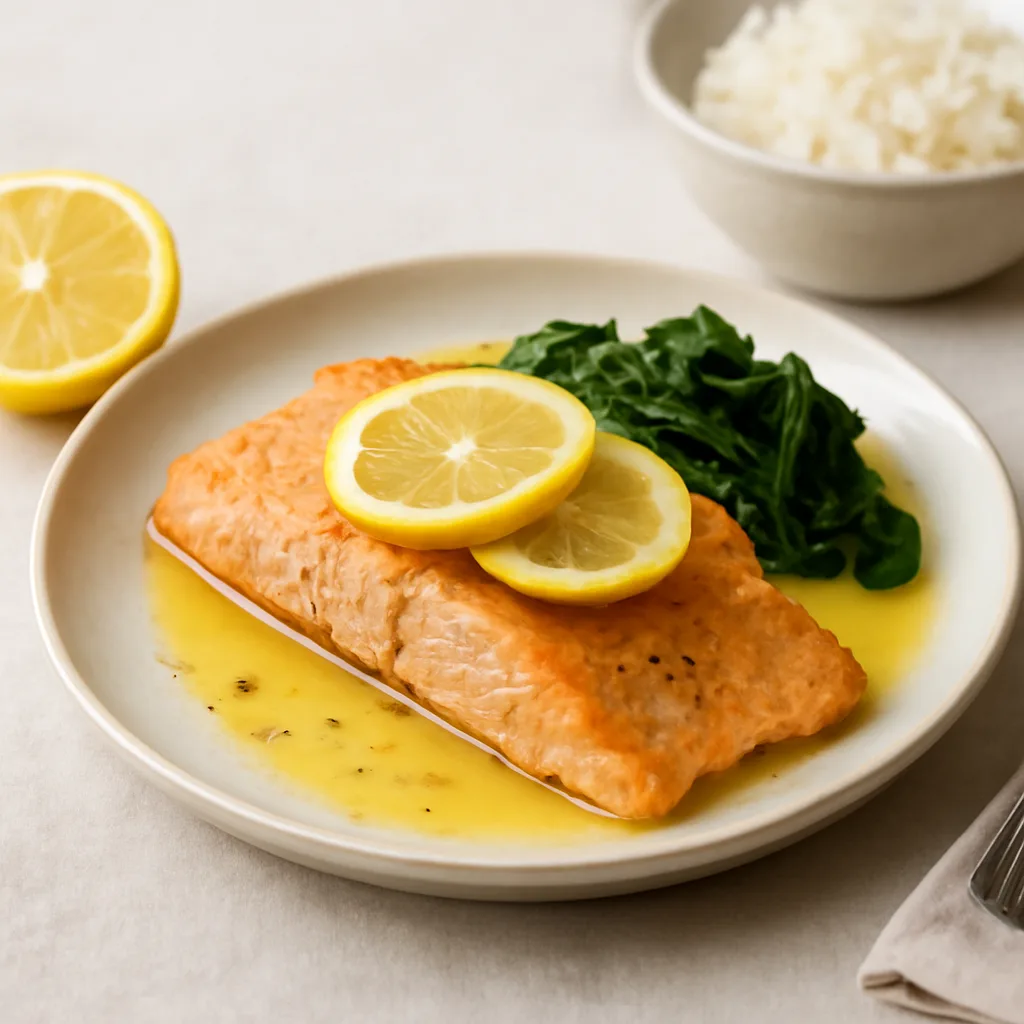
- Citrus like lemon or lime, vinegar, or pickles cuts through the rich oiliness of salmon. If a dish already uses a lot of cream or butter, add a touch more acidity to prevent heaviness.
- Herbs like dill, parsley, chives, and pepper enhance salmon without overpowering its flavor. When using smoky or spicy aromatics, avoid layering too many herbs to keep complexity.
- Soy sauce, miso, or sesame oil pair naturally with salmon when served with rice, and vegetables like asparagus, broccoli, or spinach provide moisture and texture contrast.
Points to consider when substituting
- If swapping salmon fillet for grilling or oven cooking, consider trout or other oily fish with similar fat content. However, thickness and fat content vary, so adjust by appearance of translucency and texture rather than time.
- Tuna or other firm-fleshed fish may not yield the same soft texture as salmon, so they are more suitable for quick high-heat cooking or raw-centric dishes. For dishes where salmon’s oily flavor is key, substituting with a milder white fish will require adjustments to butter, olive oil, or sauce consistency.
- Canned salmon is convenient for fried rice, patties, or pasta, but it’s not a substitute for fillet-style crisp skin and moist center in pan-seared dishes.
Ingredients commonly used together in actual dishes
Aggregated based on the co-occurrence count of representative ingredients in public dishes registered in CookPagoda.
Dishes that use this ingredient
Shows dishes where this ingredient is a representative ingredient, sorted by view count.