View recipes
Check the reference data for the selected food.
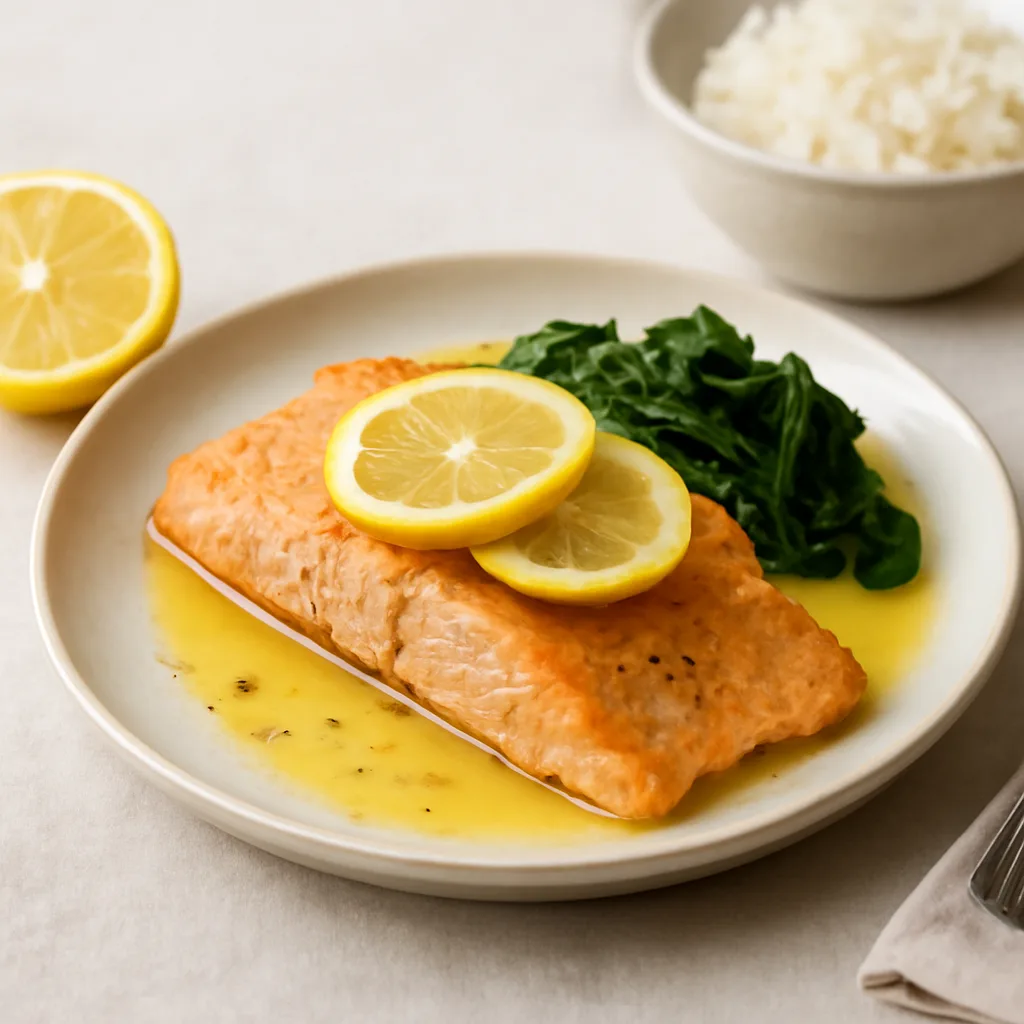
Lemon Butter Salmon Bake
Lemon butter salmon bake combines fresh lemon aroma with the rich flavor of butter. Roasted with asparagus for a healthy, high-protein meal. Simple to prepare, making it ideal for a home restaurant vibe.
Related Themes
9
View0
Like1
AI recommendations0
CreatedAbout this recipe
Lemon butter salmon bake is a main dish that adds the bright aroma of lemon to the fatty flavor of salmon and finishes with a round butteriness. Roasted asparagus alongside it soaks up the salmon’s flavor, making a single plated dish. Cooking time is listed as about 25 minutes, and using a pan and oven makes it easy to develop a roasted aroma on the surface while keeping the inside from drying out too much. However, cooking speed varies with the thickness of the salmon and the thickness of the asparagus, so it’s more stable to finish based on the meat’s condition and the color of the vegetables rather than the time. Using plenty of butter softens the sharp acidity of the lemon, but the salmon’s own flavor can become somewhat heavy. Conversely, if you want a stronger lemon punch, it’s better to add lemon at the end of cooking or after plating rather than simmering the butter excessively.
Taste and Texture
Well-cooked salmon should flake softly along the grain when pierced with a fork, while the center remains moist. Butter adds a nutty gloss, and lemon’s aroma and acidity lightly define the flavor. Asparagus should be a vivid green with a bit of firmness to contrast with the salmon’s tenderness. If roasted for too long, the stems can become wrinkled and bitter notes can become pronounced.
Key to making it delicious
- Dry the surface moisture of the salmon first so that moisture doesn’t steam off and create uneven browning; if moisture is released immediately after placing in the pan, don’t just raise the heat—check surface moisture and pan preheating first.
- If the thick asparagus stems are very tough, trim the hard parts and, for thicker pieces, add them to the pan or oven before the salmon to reduce cooking differences.
- Butter can brown and intensify flavor when heated at high heat, so if you want a bright, creamy butter flavor, add it near the end of cooking or after off the heat.
- Watch the thickest part of the salmon; remove from heat when the center becomes opaque and the fibers separate loosely with a fork. If the center is still translucent and firm, cook a bit longer; cooking too long will make it dry.
- Lemon can lose its aroma with prolonged heat, so to keep its fragrance clear, add it at the finishing stage or serve alongside on the plate.
Common mistakes
- If the salmon sticks to the pan and the flesh tears, the pan may not have been hot enough when placed, or it was flipped too early; wait until one side browns naturally and releases, then carefully flip.
- Butter that turns dark brown or develops a burnt smell means the heat was too high or cooking time was too long; use fresh butter, lower the heat, and add the lemon at the end to lift the aroma.
- If the salmon cross-section is pale and firm all through, it may be overcooked; next time check thinner slices first and finish with residual heat just before fully done.
- If the asparagus becomes soft and dull in color, the stems may have been too thin to cook on the same timeline as the salmon; put the thin ones in later or roast for a shorter time to keep the snap.
Application Ideas
- If you want a stronger lemon aroma, add a small amount of lemon juice after cooking, and if you want a nutty butter flavor to stand out, keep the lemon on the side so everyone can adjust.
- If asparagus isn’t available, you can pair with other vegetables that can withstand oven roasting, but since these vegetables are high in moisture, it’s better to cook them separately from the salmon to avoid excess water in the pan.
- Searing the surface in a pan first and finishing in the oven works well for thick salmon, but for thin slices they may overcook during transfer, so finishing with pan-cooking alone might be preferable.
Pairing ideas
- Plate the baked salmon and asparagus together and drizzle a small amount of the remaining lemon butter in the pan to add sheen and aroma to the surface.
- Pair with plain rice or roasted potatoes to soak up the lemon-butter sauce; if the butter flavor feels heavy, reduce the amount when serving.
- Align the asparagus stems to face the salmon and serve with lemon wedges so you can adjust the acidity right before eating.