Ingredient Encyclopedia
Check the characteristics of the ingredients and how to use them in cooking.
Asparagus
1
2
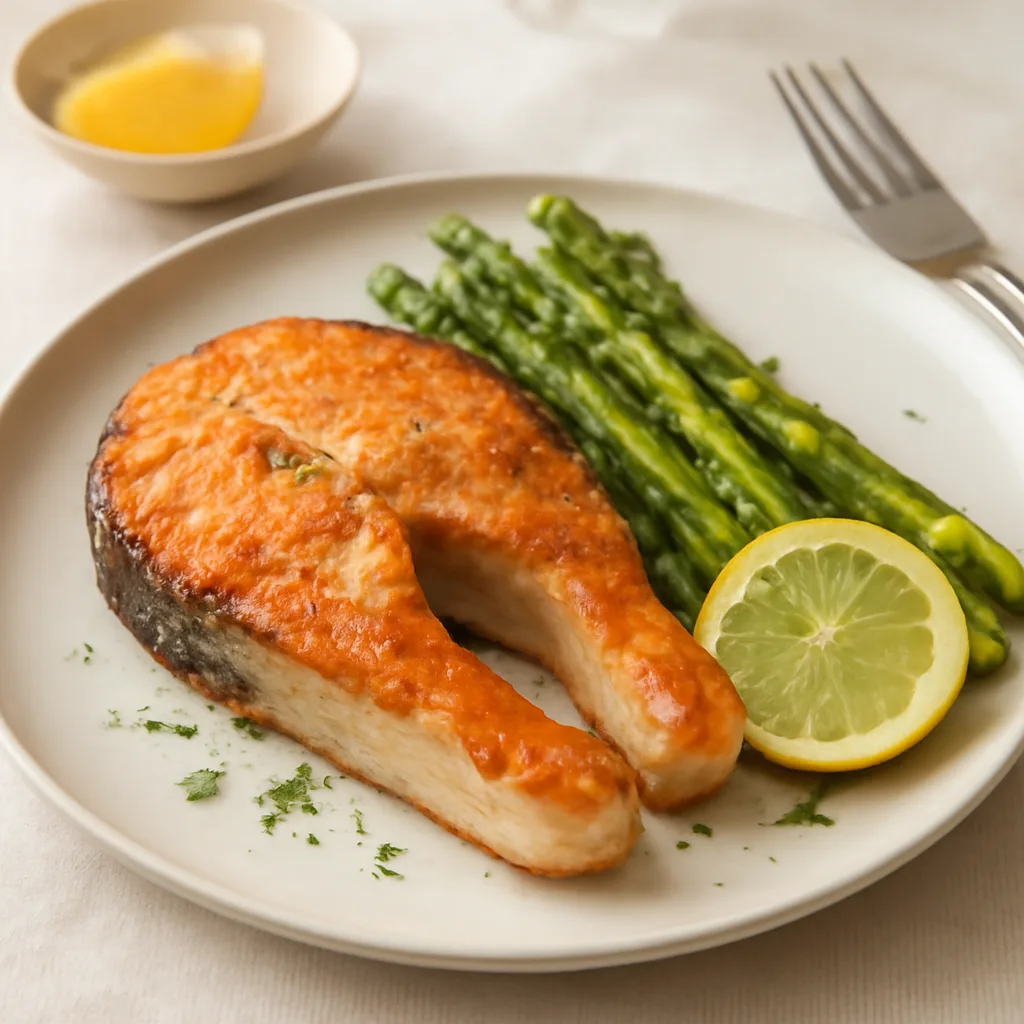
Asparagus is a vegetable with long, straight stalks and budding tips, especially suitable for quick cooking like stir-frying, grilling, steaming, and boiling. Thin stalks cook quickly and pair well with side dishes or salads, while thicker stalks have a substantial interior for grilling and oven cooking. The lower part of the stalk can be tougher and may feel fibrous. Trim by bending at the point where the stalk naturally breaks, or peel the thick stalk's outer skin a bit to make it easier to eat. However, trimming too much reduces usable portions, so trim just enough based on how firm it is. Simple olive oil and salt can enhance the flavor, but depending on the method, texture varies a lot. For a crisp and vivid green, cook over high heat briefly; for a soft texture, steam or parboil and finish with a sauce.
Taste and Texture
Asparagus carries a fresh plant aroma with a subtle sweetness and a slight bitter finish. The tips have a relatively strong aroma and tenderness, while the stalks provide a crisp chew. If cooked enough, the stalks become tender, but if heated too long they can soften and lose aroma. Thick stalks benefit from extra roasted flavor on the surface, but if not trimmed they can feel tough at the bottom.
Main uses
- Quickly sauté with olive oil and garlic in a pan as a side to meat or fish. When brown sear marks start to appear on the stalks, turn off the heat to retain crispness.
- Roast in the oven or on the grill and add lemon juice, cheese, and nuts. High heat creates roasted aroma on the surface, but crowding the pan may trap moisture and cause steaming rather than roasting.
- Lightly blanch and add to pasta, risotto, salads, or egg dishes. Even after blanching, residual heat can continue to cook it, so it’s best to remove it when it’s slightly firmer than desired.
- For soups or purées, use gently cooked asparagus. In this case, you don’t aim for crisp texture, so remove a bit more of the hard end of the stalk or reserve it for stock.
Preparation tips
- Rinse the florets and stalks under running water, then pat dry. If there is a lot of moisture, oil will splatter and the surface will bake less and steam more.
- Trim based on stalk thickness. Thin asparagus needs only minor trimming, but thick ones benefit from peeling the bottom few centimeters to make it evenly tender to the middle.
- Cook in similar lengths and thicknesses at once. If uneven, thin stalks may soften while thick ones stay firm, so add thick stalks first or cook separately.
- When sautéing or frying, avoid over-salting at first. Excess moisture will delay browning, so adjust seasoning after the surface has browned.
Cooking characteristics
- High-heat pan sautéing yields rapid surface browning while the inside of the stalk remains crisp. If moisture pools because the pan wasn’t hot enough, raise the heat a bit and spread the ingredients to vent moisture.
- Blanching brightens color and softens texture quickly. If the florets loosen easily or the stalks wilt, that’s a sign of overcooking; next time reduce blanching time and chill promptly.
- In oven roasting, the ends may dry first and the tips become crisp. If the ends brown too quickly, lower the temperature or choose thicker stalks; very thin ones may be better suited to pan sautéing.
- Finishing with cream or cheese softens the fresh aroma of asparagus. If you want to preserve delicate aroma, prefer light finishes like lemon or herbs over heavy sauces.
Good combinations
- Lemon, garlic, olive oil, and butter highlight the fresh aroma and sweetness of asparagus. Add acidity at the end of cooking to preserve color and texture.
- Pairs well with eggs, potatoes, mushrooms, peas, and pasta to create contrast between soft ingredients and crisp stalks.
- Hard cheeses like Parmigiano or nuts add savoriness and saltiness, but too much can mask asparagus’s delicate aroma.
- Pairs well with chicken, fish, or shrimp. When using strong-flavored marinades, consider serving roasted asparagus separately to maintain balance.
Points to consider when substituting
- If you want the crisp texture of asparagus side vegetables or stir-fry, broccoli rabe, green beans, or snap peas can be substitutes. Note green beans may require longer cooking, so add earlier or blanch briefly before use.
- For roasting where length and roasted aroma matter, use broccoli rabe or young zucchini. Zucchini has more moisture, so cut thicker or spread wider to prevent it from becoming mushy in the same cooking time.
- In soups or purées, broccoli stems, peas, or leeks can provide a mild vegetable flavor, but they won’t replicate asparagus’s fresh aroma and mild bitterness. If aroma is essential to the dish, adjust salt and acidity rather than strictly replacing quantity.
Ingredients commonly used together in actual dishes
Aggregated based on the co-occurrence count of representative ingredients in public dishes registered in CookPagoda.
Dishes that use this ingredient
Shows dishes where this ingredient is a representative ingredient, sorted by view count.