Ingredient Encyclopedia
Check the characteristics of the ingredients and how to use them in cooking.
Brown Rice
1
1
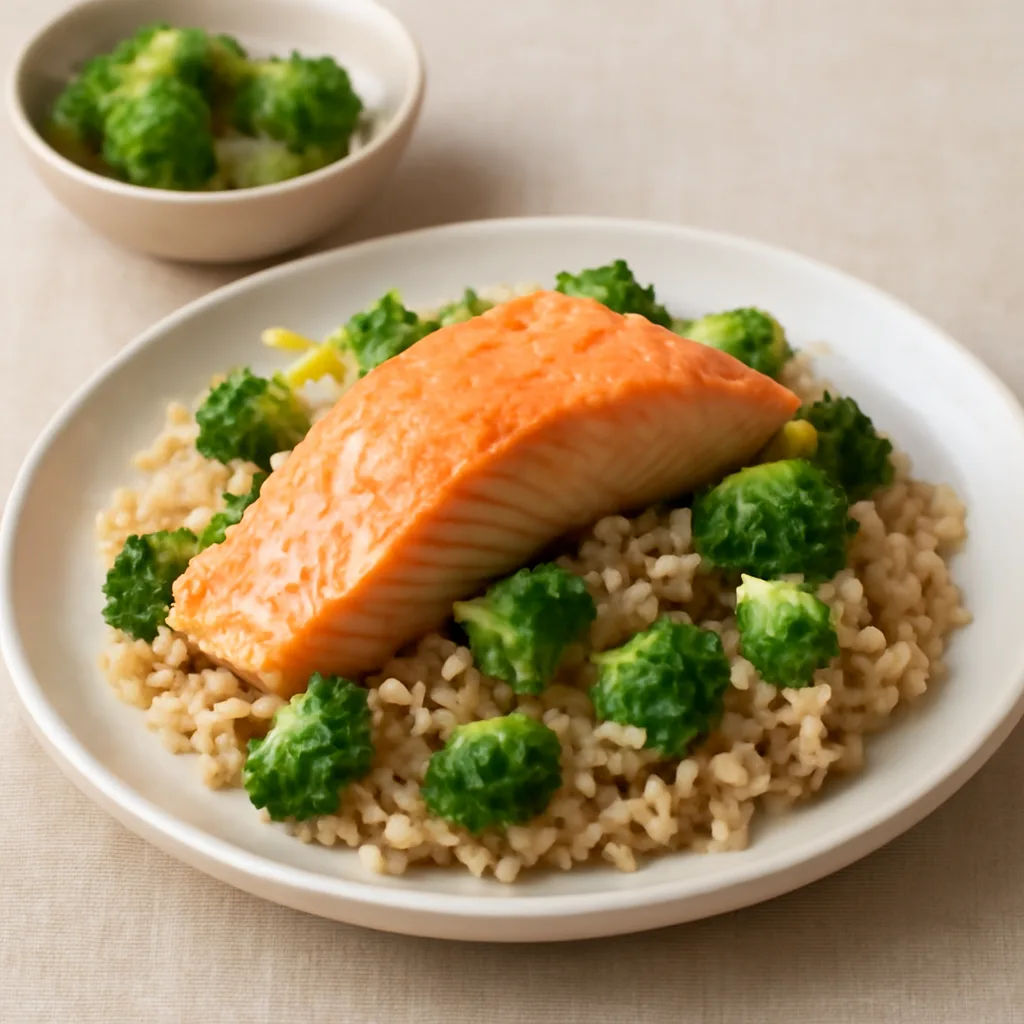
Brown rice is rice that retains the bran and embryo, with a noticeable chewy texture and nutty, grainy aroma compared to white rice. When cooked as rice, the grains tend to stay relatively firm, making it better suited for one-dish meals with a chewy texture rather than dishes that aim for soft and fluffy rice. Soaked brown rice can be used in rice, porridge, fried rice, grain salads, and onigiri. When mixed with white rice, the brown rice flavor remains but the overall texture becomes softer, so mixing rice is practical when first using it or when cooking time is short. Brown rice requires sufficient absorption of moisture and thorough cooking. If the center of the cooked grains feels white and hard, it likely means insufficient moisture or heat duration, so add a little more water to steam it further or increase the soaking time on the next cooking attempt.
Taste and Texture
A nutty, mellow grain flavor with a subtle nutlike aroma. It has a stronger aroma than white rice, so a simple seasoning of salt or sesame oil can still let it shine. When cooked, the outside is slightly resilient and the inside has a bite. If boiled for a long time, it becomes softer but the grain shape remains relatively intact, so for very smooth porridge or risotto-like textures, using it alone may not be ideal.
Main uses
- Cook soaked brown rice in a rice cooker or pot as a basic accompaniment to side dishes. When you add beans, mixed grains, or white rice together, it’s easy to control the taste and texture contrast.
- Cooked brown rice can be used as a base for grain salads or bowls with vegetables, roasted mushrooms, eggs, or tofu. When served cold, the grains can feel firm, so pairing with soft ingredients or moist dressings helps balance the texture.
- Leftover brown rice is great for fried rice. However, if you fry rice on high heat for a long time with too little moisture, it can become tougher, so sauté the ingredients first and mix the rice in at the end for a brief toss.
- Brown rice can be boiled with plenty of water to make porridge or gruel. For a smooth texture, after cooking, blend it, or mix with some white rice from the start to achieve a smoother texture.
Preparation tips
- Rinse several times lightly before cooking and soak to help the center cook through. If the grains look particularly hard or dry, it’s better to extend the soaking time. When cooking brown rice alone, use more water and let it steam thoroughly after cooking. If the center is coarse and chewy, it’s better to avoid starting with high heat; instead, add a small amount of water and steam on low heat to reduce sticking. When mixing with white rice, start with a low proportion of brown rice to find the desired level of chew. If the family or menu requires softer rice, a high proportion of brown rice may not be suitable. For porridge or blended dishes, first boil the soaked brown rice until very soft. If you blend before it’s fully cooked, the grains may remain coarse, so check that you can mash them with a finger before blending.
Cooking characteristics
- Brown rice’ outer layer slows moisture from penetrating inward, so even with the same cooking time, it tends to stay firmer than white rice. Soaking and thorough steam help compensate for this difference.
- Pressure cooking can tenderize brown rice relatively well, but if you want grains that are distinctly chewy, don’t cook it for too long. If the center is still hard, slightly increase the water or cooking time next time.
- During boiling, brown rice gradually absorbs moisture and expands. If starting with porridge that’s too thick, it tends to stick to the bottom, so leave room to add hot water partway through.
- Cooked brown rice won’t break apart easily when fried or roasted. However, already dry brown rice can become dry and tough if exposed to heat for too long, so in fried dishes use a small amount of sauce or broth to keep it moist.
Good combinations
- Sesame oil, perilla oil, soy sauce, and miso—savory or umami seasonings—pair well with brown rice’s nutty flavor. If the seasoning is salty or strong, the browns’ aroma may be less noticeable, so temper the seasoning to highlight the grain flavor.
- Mushrooms, root vegetables, legumes, tofu, and eggs naturally complement the chewy and modest flavor. If all ingredients are firm, adding a soft or moist element like steamed vegetables, a soft-boiled egg, or broth helps with eating ease.
- Spicy gochujang or curry sauces with strong aromas can also be used. However, in delicate clear soups, the brown rice aroma and texture can stand out more, so white rice or mixed rice may be more harmonious.
Points to consider when substituting
- Using white rice instead of brown rice yields softer, stickier results, but the nutty aroma and chewy texture are reduced. When replacing with white rice, don’t apply the soaking time and water amount from the brown rice exactly.
- Other grains like barley or oats used for mixed grain meals can add chewiness, but water absorption and cooking times differ, so it’s not easy to swap in the same proportions. If making a mixed meal, try substituting only part to test texture.
- In dishes where a very soft, porridge-like finish is important, replacing all or part with white rice is convenient. Conversely, for grain salads or fried rice that require distinct grain shapes, you can use other whole grains that cook firmer, though aroma and cooking times will differ.
Ingredients commonly used together in actual dishes
Aggregated based on the co-occurrence count of representative ingredients in public dishes registered in CookPagoda.
Dishes that use this ingredient
Shows dishes where this ingredient is a representative ingredient, sorted by view count.