Ingredient Encyclopedia
Check the characteristics of the ingredients and how to use them in cooking.
퀴노아
1
1
Quinoa is a small grain-like ingredient that is cooked and used alongside rice or added to salads, soups, or fillings. In its dry state it is hard, but when cooked in water or stock the grains swell, and a small ring-shaped embryo appears from the center, signaling doneness. Finished quinoa has a more distinct graininess than rice and pairs well with grain-based salads and one-dish meals. However, if boiled too long the grains can burst and become mushy, so for dishes that require a fluffy result like fried rice, it’s best to drain excess moisture before using. Rinsing before cooking is crucial for flavor. If surface bitterness remains, it usually means it wasn’t rinsed well enough or the rinsing water wasn’t drained properly, so rinse by rubbing gently in a fine sieve under running water, then squeeze out the moisture well before cooking.
Taste and Texture
Quinoa has a mild, nutty savor with a hint of earthy aroma and, depending on the variety and washing state, a subtle bitterness. It pairs well with strong spices or tangy dressings, but its distinctive aroma can stand out in delicate broth dishes. When cooked, the exterior becomes soft while a slight bite remains in the center. Using abundant water yields a fluffier, softer texture; using too little water or overcooking can lead to mushy, sticky texture.
Main uses
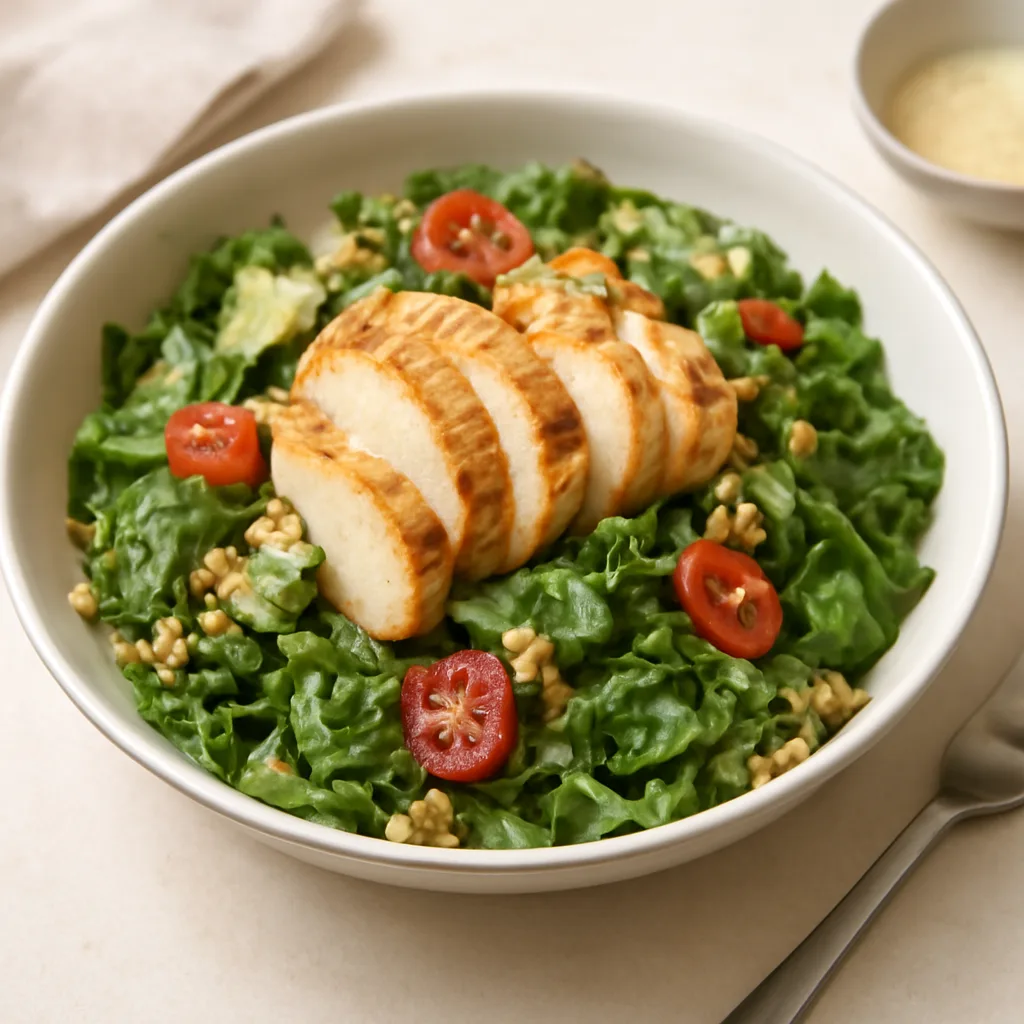
- Cooked quinoa is mixed with vegetables, herbs, and legumes to make cold or lukewarm grain salads. Dressings should be tossed just before serving to prevent the grains from becoming too plump.
- As a substitute for rice or served with rice, it can add texture to dishes with roasted vegetables, stews, or curries with sauce. If the sauce is very thin, quinoa will continue to absorb liquid, so serve separately or alongside.
- In soups or stews, add it partway through the cooking so it cooks with the broth. If the dish will be kept warm for a long time, don’t add it at the start; add near the end to maintain grain form.
- Chopped vegetables, beans, eggs or other binding ingredients can be mixed with it to make patties or fillings. If quinoa becomes too wet, let it cool and drain moisture before mixing.
Preparation tips
- Dry quinoa should be rinsed in a fine sieve under cold water several times. If a bitter aroma remains after rinsing, rub gently with your fingers and rinse once more, then thoroughly drain the grains.
- Boil in water or stock, then simmer on low heat until most of the liquid is absorbed, remove from heat and rest briefly. If there is moisture between the grains, open the lid slightly or fluff with a fork to vent steam.
- If you want to emphasize a toasty flavor, sauté rinsed and drained quinoa briefly in a pot before adding liquid. However, when adding to already soft porridge or creamy soups, the sautéing step isn’t strictly necessary.
- For salads, allow to cool completely and spread out to remove heat and moisture. When hot, adding a lot of dressing can cause rapid absorption and make it taste less seasoned than when cooled.
Cooking characteristics
- Quinoa expands in volume as it absorbs liquid during cooking, and a ring-like embryo becomes visible when cooked. If the ring is visible but the center is still very hard, add a small amount of hot water and cook briefly.
- Prolonged vigorous boiling can cause grains to crack and starch to spread, making it easy to stick to the bottom. Once it starts boiling, reduce heat and, when the bottom browns, turn off the heat and finish with residual heat.
- Cooked quinoa absorbs sauce, so keeping it marinating for a long time can reduce the initial fluffy texture. This property is beneficial for moist one-bowl dishes, but if you want a strong grain texture, mix with the sauce at the end or keep separate until serving.
- When stir-frying, first dry the surface moisture of already cooked quinoa; if the pan is too cold or you add too much at once it steams rather than fries, so cook in batches.
Good combinations
- Citrus acidity like lemon or vinegar, fresh herbs such as parsley, cilantro, or mint can brighten quinoa’s mildness and slight bitterness.
- Pairing with deep-flavored vegetables like roasted mushrooms, zucchini, eggplant, and root vegetables enhances the quinoa’s nutty taste naturally.
- Adding chickpeas, lentils, nuts, or seeds creates texture contrast. However, crunchy ingredients should be added just before serving as they can become soggy if mixed in early.
- Strong tomato sauces or spices-heavy curries suit quinoa well, but if you want to highlight quinoa’s own flavor, avoid overloading with spices from the start.
Points to consider when substituting
- If serving as a side like rice, alternatives include couscous, bulgur, millet, or brown rice, though cooking times, chewiness, and liquid absorption differ. Couscous is convenient for quick meals but won’t replicate quinoa’s grainy texture and nuttiness exactly.
- In salads, bulgur or barley can be similar in role, but barley is chewier and bulgur is softer with a wheat aroma. Adjust dressing amount based on how much the substitute absorbs.
- In soups or stews, small pasta, lentils, or rice can be used. Rice may cloud the broth, and small pasta can become mushy if kept long, so choose based on whether you will reheat later.
- For patties or fillings, quinoa can be replaced with cooked rice or finely ground oats. If the dough seems too loose, add more binding vegetables first or adjust the amount of binding ingredients.
Ingredients commonly used together in actual dishes
Aggregated based on the co-occurrence count of representative ingredients in public dishes registered in CookPagoda.
Dishes that use this ingredient
Shows dishes where this ingredient is a representative ingredient, sorted by view count.