Ingredient Encyclopedia
Check the characteristics of the ingredients and how to use them in cooking.
닭안심
1
1
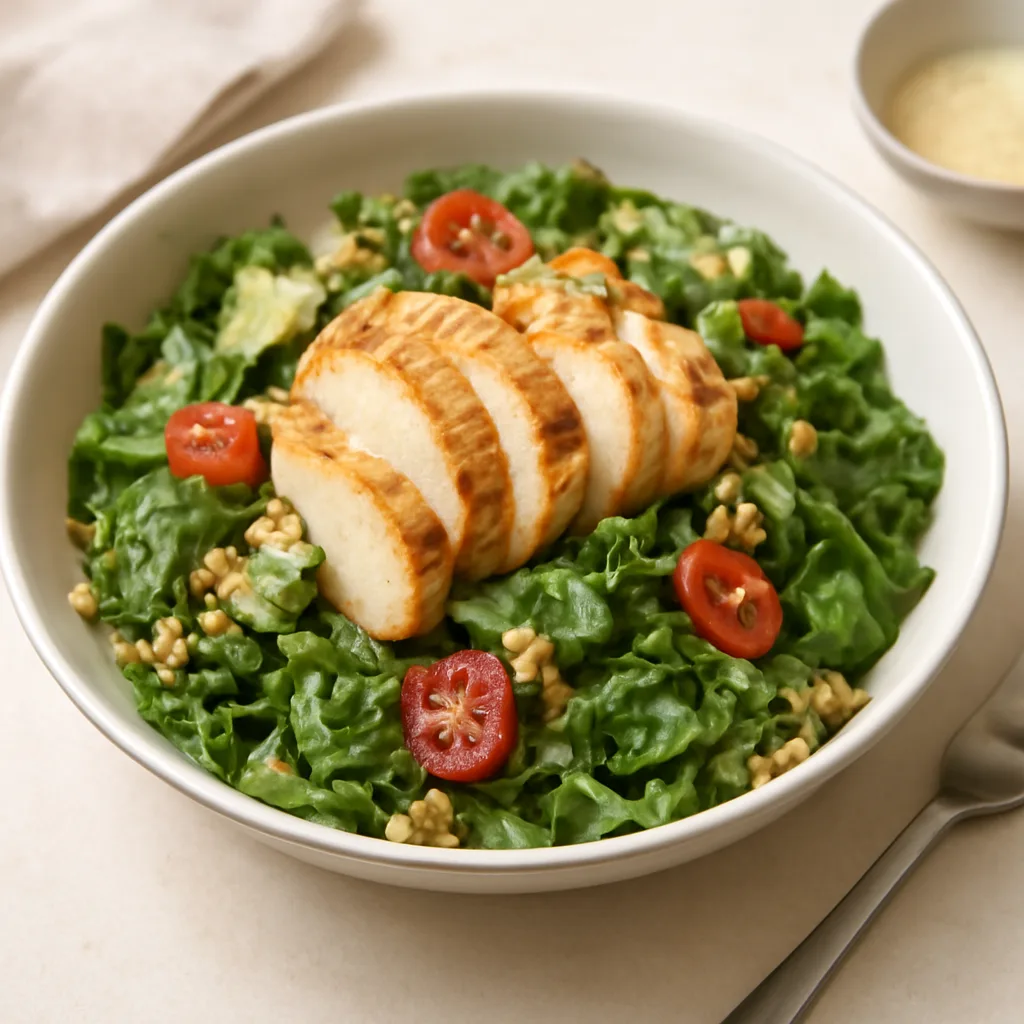
Chicken tenderloins are long, tender meat attached inside the chicken breast, with low fat and fine grain, making them good for quick cooking when fried briefly to keep them mild-flavored. Each piece is relatively uniform in size, convenient for dishes that require quick cooking such as grilling, stir-frying, skewers, and salad toppings. The flavor is mild with a subtle meat aroma, which readily absorbs the flavors of sauces and spices. However, because the fat is low, it tends to dry out if heated too long, so it is advantageous to reduce heat or remove from the heat when the surface is cooked and the center is still translucent, finishing with residual heat. For rich broths or long-simmered braises, maintaining moisture can be challenging, and chicken thigh meat may be more suitable at times.
Taste and Texture
Chicken tenderloin has a mild, clean taste, and when cooked properly becomes tender and shreds easily along the grain. If the thin membrane is not removed, you may feel a chewy line when biting. As it has little fat, it is limited for cooking that aims for crispy skin or rich juices. Instead, when served with light seasoning, refreshing dressings, and vegetables, it helps bring out the ingredients' flavors clearly.
Main uses
- Cut into bite-sized pieces and stir-fried with soy sauce, garlic, and ginger, or used as a topping for bowls with vegetables.
- Season with salt and pepper, briefly pan-sear, and pair with salads, sandwiches, or tortillas as a protein.
- Shred along the grain for cold salads, bibim guksu, congee, or light soups as a topping.
- Sliced thinly for skewers or tempura to cook quickly, but if the tempura batter is thick, the interior may dry out before the surface colors; adjust the temperature accordingly.
Preparation tips
- Pat dry the surface with a paper towel to reduce moisture when placed in the pan, which helps prevent boiling rather than searing.
- If you see white tendons or tough membranes near the tenderloin’s side, grab the edge and gently slide the meat to separate. You can eat it without removing, but it may become tougher as it cooks and contracts.
- If the thickness is uneven, lightly thump the thicker parts to even the height to speed up cooking. If made too thin, it can dry quickly with short heating, so trim to maintain a shape that won’t crumble.
- Season with salt just before or shortly before cooking, and wipe off excess liquid from surface before frying. If there is too much sauce, it tends to create moisture-rich stir-fry texture rather than browning.
Cooking characteristics
- When cooked briefly over medium-high heat, a roasted aroma forms on the surface, but crowding the pieces lowers the temperature and causes moisture to condense. Cook in batches with space in the pan to promote surface browning.
- If the meat turns opaque white during heating and isn’t overly firm when pressed, it is likely almost cooked. Resting briefly after cooking helps the interior moisture settle and reduces surface drying.
- Boiling or simmering for too long at a vigorous boil can cause surface proteins to tighten quickly, making it dry. Simmer gently and let it rest in the broth to shred moisture more easily.
Good combinations
- Aromatically distinct ingredients like garlic, ginger, pepper, scallions, and soy sauce pair well with mild chicken tenderloin to enhance flavor without overpowering it.
- Stir-frying with vegetables that cook in a similar time (broccoli, bell peppers, onions, mushrooms) or vegetables that can be pre-cooked makes it easy to finish in one pan.
- A sauce with a touch of lemon, yuzu, or vinegar boosts freshness, but if using a salty soy-based seasoning, start with a small amount of acidity and adjust.
- Fats-rich ingredients like sesame, nuts, and olive oil help compensate for the mild richness.
Points to consider when substituting
- Chicken breast is the closest substitute but pieces are usually thicker and tougher, so slice thinly or adjust thickness to reduce cooking time.
- For moist stir-fries, curries, or braises that require longer cooking, chicken thighs are more forgiving. However, their flavor and fat content can be richer, which may differ from lighter salad results.
- Turkey tenderloin or pork tenderloin can be used as similarly mild proteins, but fiber direction and thickness differ, so cooking times cannot be applied exactly.
- Shredded chicken tenderloin can be used in congee or cold salads, substituting with cooked chicken breast shredded along the grain, and adjust sauce saltiness and moisture at the end.
Ingredients commonly used together in actual dishes
Aggregated based on the co-occurrence count of representative ingredients in public dishes registered in CookPagoda.
Dishes that use this ingredient
Shows dishes where this ingredient is a representative ingredient, sorted by view count.