Ingredient Encyclopedia
Check the characteristics of the ingredients and how to use them in cooking.
Tortilla
1
1
Tortillas are thin, round flatbreads made from corn or wheat dough, great for wrapping fillings or serving as a side bread. Wheat tortillas are generally soft and flexible, suitable for rolling, while corn tortillas have a nutty aroma and a somewhat firmer texture, making them well-suited for fold-over dishes like tacos. When cold and dry, they can crack or break easily, so it is practical to briefly warm them just before use to make them pliable. If the filling is moist, tortillas can become soggy, so for warm fillings, drain moisture and assemble, serving as soon as possible after cooking. Depending on the form, choosing the right size and type—wraps, quesadillas, tacos, burritos, etc.—is important. If you need to tightly roll a lot of rice, beans, meat, and sauce, a large flour tortilla is convenient, but the same choice may not suit tacos where corn flavor is key and the dish is lighter.
Taste and Texture
Wheat tortillas are bland with a mild nutty note, and when warmed they become soft and pliable with a chewy texture. Corn tortillas have a stronger grain aroma and a somewhat coarse texture that pairs well with rich seasoned meats or beans. When dry-sautéed in a dry pan, they develop brown spots and roasted aromas, but overheating for too long can make the edges hard and cause cracking when folding. If a crisp texture is desired, they can be grilled or fried into chips or taco shells, but they are not suitable for soft folding dishes.
Main uses
- Tortillas form the base for tacos, where meat, beans, vegetables, cheese, and salsa are folded and eaten. Smaller tortillas can be filled with one or two ingredients for easy folding and to minimize spillage.
- Larger flour tortillas are ideal for burritos or wraps, holding rice, beans, sautéed vegetables, and proteins. If filled too full, the seams will open, so leave a margin around the edge and lay out the ingredients in a long shape.
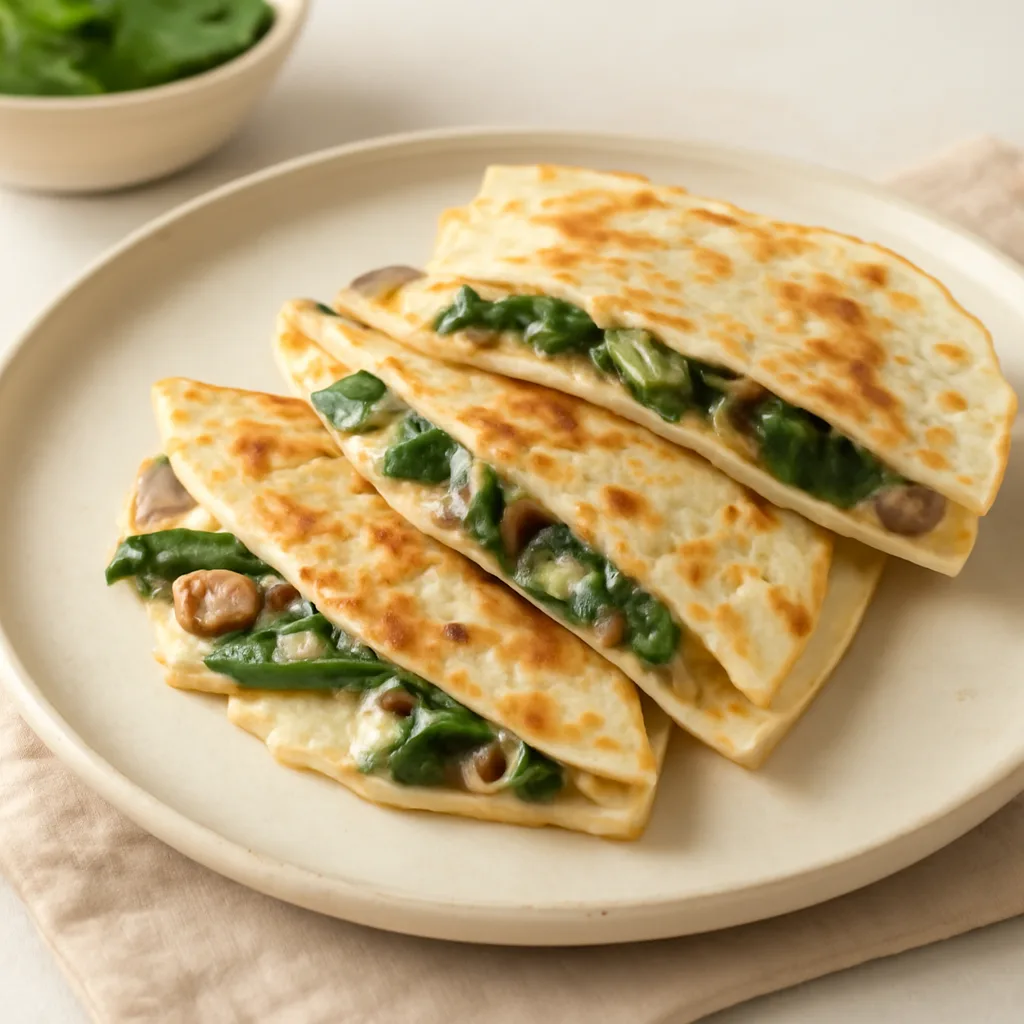
- They are also used in quesadillas, with cheese and fillings folded and grilled. Cheese melts and acts as a glue, so it is more stable to pair with less juicy salsas or raw vegetables than before grilling.
- If cut and fried or baked, they can become crispy pieces for dipping in dip. This use is different from preserving the pliability of soft wrap tortillas.
Preparation tips
- Just before use, briefly heat on a dry pan both sides, or stack several and cover to trap moist heat to make folding easier. If the outer edge becomes white and stiff, reduce heating time.
- Corn tortillas can crack easily, so instead of forcefully folding one by one, keep them warm under a cloth or cover to retain moisture and warmth. If still cracking, reduce fillings and layer two tortillas to use as a taco.
- When making wraps or burritos, don’t spread wet fillings across the center; spread relatively stable ingredients like rice, beans, or cheese first to moderate moisture. Use only a modest amount of sauce or serve it separately to prevent the bottom from tearing.
- Quesadillas are best cooked by preheating the pan to medium-low. On high heat the exterior darkens first, and if the cheese isn’t melted yet, lower the heat and cover briefly to heat through.
Cooking characteristics
- Tortillas become pliable and their aroma awakens when heated, but if heated for a long time with little moisture they harden quickly. To keep them soft for folding, remove from heat when tiny hot spots form and cover.
- When grilled with cheese, the melted cheese helps hold the fillings in place. If too many raw vegetables or salsas are added, steam can make the inside soggy and the crispiness on the outside disappear.
- Frying or pan-searing with oil yields a crisp texture as surface moisture escapes. However, very thin tortillas brown quickly after color appears, so remove promptly to prevent over-browning.
- Soaking in sauce for a long time softens tortillas, allowing layering or rolling dishes to be made. This method is not suitable for tacos that require a clearly defined shape.
Good combinations
- For meats or mushrooms with roasted aromas, add onion, lime for acidity, herbs, and a spicy salsa to keep the tortilla from feeling dull.
- Beans and cheese create a stable filling but can be heavy; add crunchy cabbage, radish, onion, or tangy sauces for textural contrast.
- Corn tortillas’ grain aroma pairs well with grilled corn, beans, and spicy meats, while the mildness of flour tortillas suits creamy cheeses, sautéed vegetables, and egg dishes. However, if you want to highlight delicate ingredients, a milder flour tortilla may be preferable to a strongly flavored corn tortilla.
Points to consider when substituting
- When flour tortillas are unavailable, you can use thin flatbreads or pita, though pita’s thickness and pocket structure may make burrito-style folding awkward. If folding, cut into smaller portions or reduce filling.
- For tacos requiring corn tortillas, you can substitute flour tortillas, but the corn-specific aroma and firmer bite will differ. If the grain flavor is key to the composition, it’s better to adjust to a different taco style rather than expect identical results.
- For quesadillas, you can use thin bread or roti instead of tortillas, but if thicker, cheese may brown too quickly on the surface. In this case lower the heat and cover or spread fillings thinner.
- If crispy chips are the goal, you can substitute with store-bought chips, but remember that these are not a substitute for tortillas that are meant to be rolled or folded. Decide first whether you want a crispy texture or a pliable base to wrap ingredients.
Ingredients commonly used together in actual dishes
Aggregated based on the co-occurrence count of representative ingredients in public dishes registered in CookPagoda.
Dishes that use this ingredient
Shows dishes where this ingredient is a representative ingredient, sorted by view count.