View recipes
Check the reference data for the selected food.
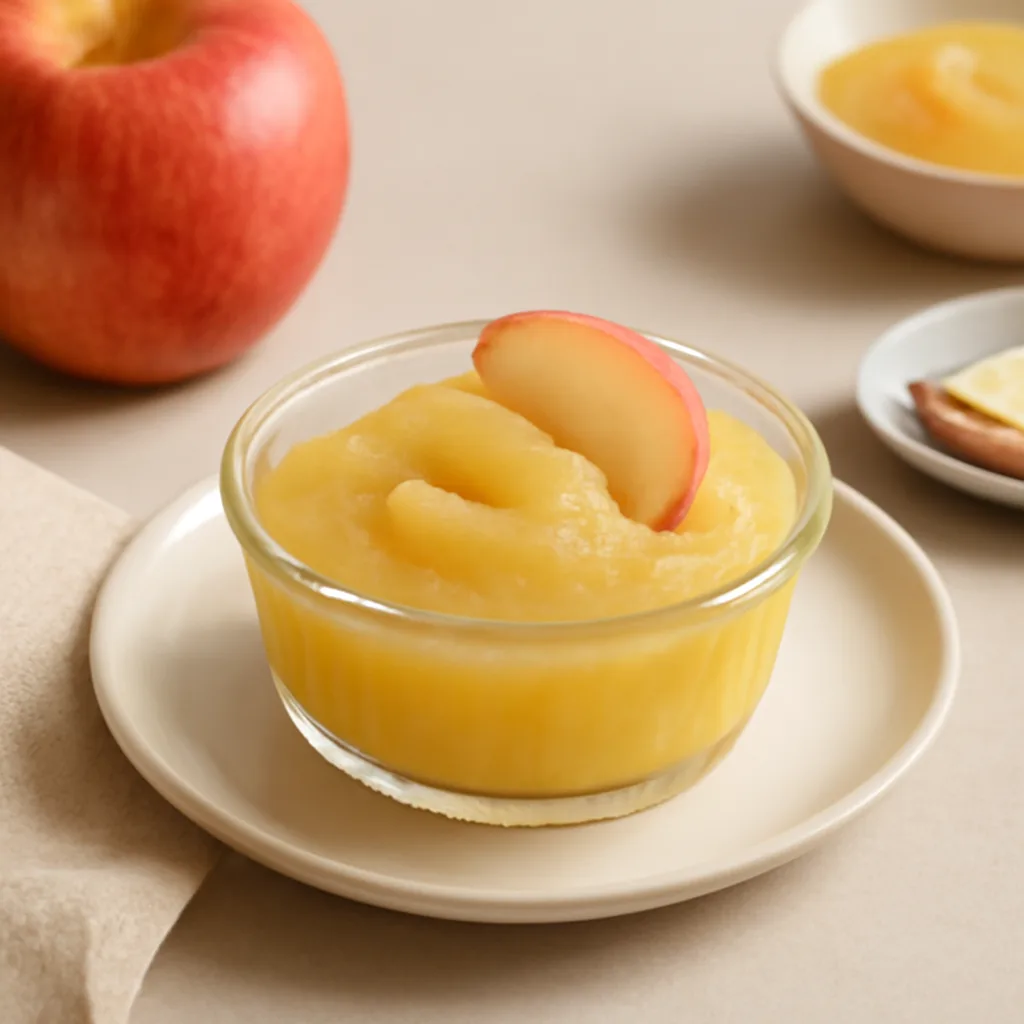
Apple Pudding
Apple pudding is a dessert with a soft, creamy texture that is appealing. The sweetness of apples and the savoriness of milk combine to create a rich flavor. It is especially delicious when served chilled.
Related Themes
11
View0
Like2
AI recommendations0
CreatedAbout this recipe
Apple pudding is an oven dessert centered on apples, eggs, milk, and butter, enjoyed for the subtle sweetness of fruit and the creamy richness of dairy. Because it’s a mid-level dish that requires about 45 minutes of cook time, the key to a good finish is ensuring the center cooks evenly in the oven rather than just mixing the ingredients.
Taste and Texture
Fully ripe apples break down smoothly or retain a slight bite, while the pudding layer made with eggs and milk is smooth and creamy. Butter adds a toasty, rounded note to the overall flavor. Chilling makes the pudding layer feel firmer and the apple sweetness more pronounced. On the other hand, if baked for too long or exposed to high heat, the outer edge can become firm and the egg aroma can become pronounced.
Key to making it delicious
- Slice the apples into as uniform a size as possible so they bake evenly. If pieces vary, small pieces may soften too much while large pieces remain firm, so prepare them with a fairly uniform size to preserve the fruit texture.
- When mixing eggs and milk, avoid excessive foaming, which can make the surface rough after baking. Mix until just smooth enough that the ingredients are combined, and if bubbles appear, let it sit briefly to settle before baking.
- If the surface browns early during baking but the center still wobbles like a liquid, it may still be undercooked. Use the wobble of the center and set of the edges as a guide, and adjust baking time depending on your oven’s heat distribution.
- Waiting to cut until the pudding has cooled slightly helps it set more firmly inside. If you prefer a warm texture, fully chilling may not be ideal.
Common mistakes
- Excess moisture from apples can make the pudding appear runny and the layers seem separated. If using very juicy apples, adjust the quantity or size of pieces and monitor the center as it bakes to see if a bit more time is needed.
- If the surface thickens too quickly and the edges become tough, the oven is too hot or top heat is too strong. Consider lowering the temperature or easing the heat once the surface color is well developed.
- If the egg aroma is strong and the texture is spongy, the mixture may have trapped too much air or been overbaked. Do not whisk too vigorously; monitor the center becoming fully firm before finishing the bake.
- If the center remains runny after cooling, it may indicate insufficient doneness rather than just cooling. After fully cooling, reassess and next time avoid oversized apple pieces or extend the baking time a little.
Application Ideas
- Chop the apples into small pieces so the flesh blends more naturally into the pudding layer for a softer impression; larger pieces create more contrast when chewed.
- If you want to emphasize butter flavor, it’s more stable to ensure the butter is evenly distributed rather than greatly changing the apple to pudding ingredient ratios.
- If you want the apple presence to stand out, don’t make the milky and eggy pale layer too thick; conversely, if the apples are tart or firm, cut them into smaller sizes to better complement the pudding.
Pairing ideas
- Chill and serve with visible apple pieces for a textural contrast between the fruit and the pudding.
- Pair with warm tea or coffee to create a contrast between the soft, cold pudding and the drink’s temperature.
- Divide into small bowls to ensure it’s fully cooled through in the center and easy to portion at once.