Theme guide
Check the selection criteria and cooking ideas for foods that match this theme.
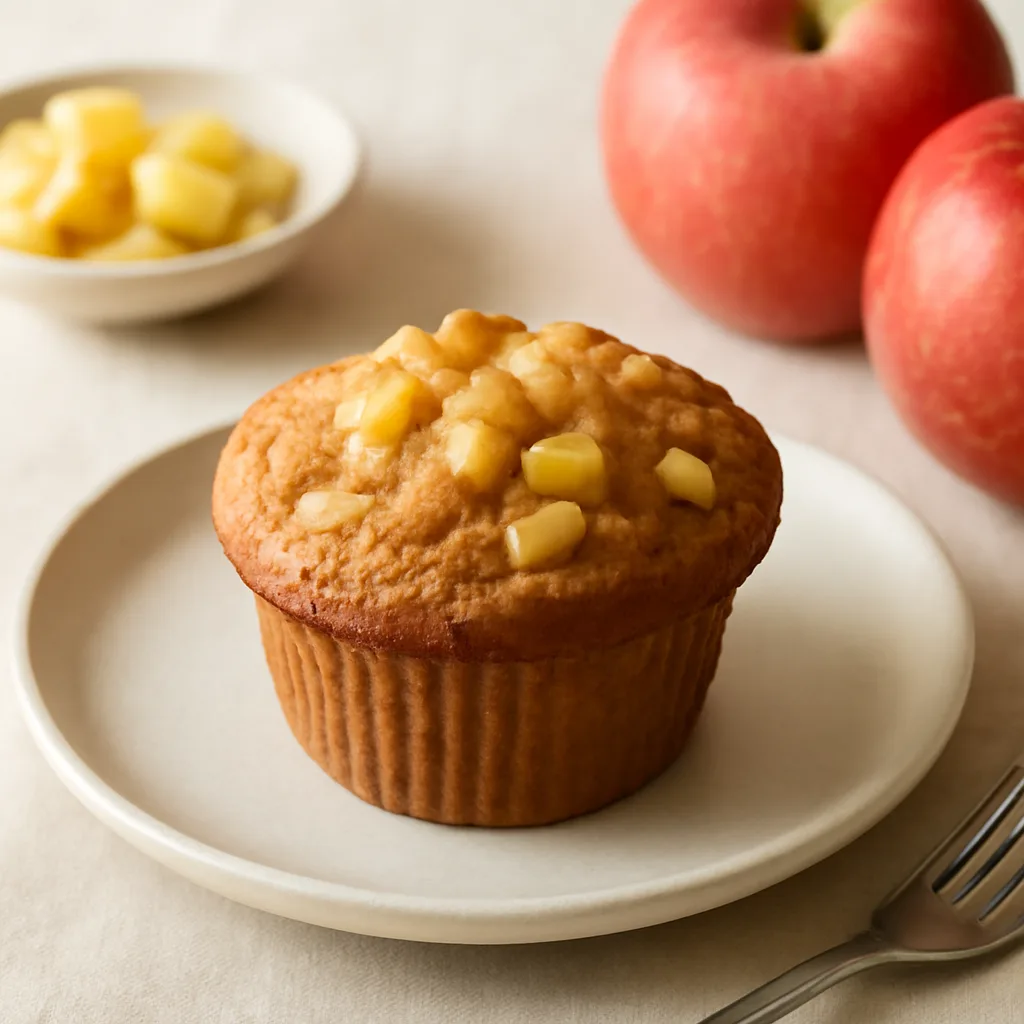
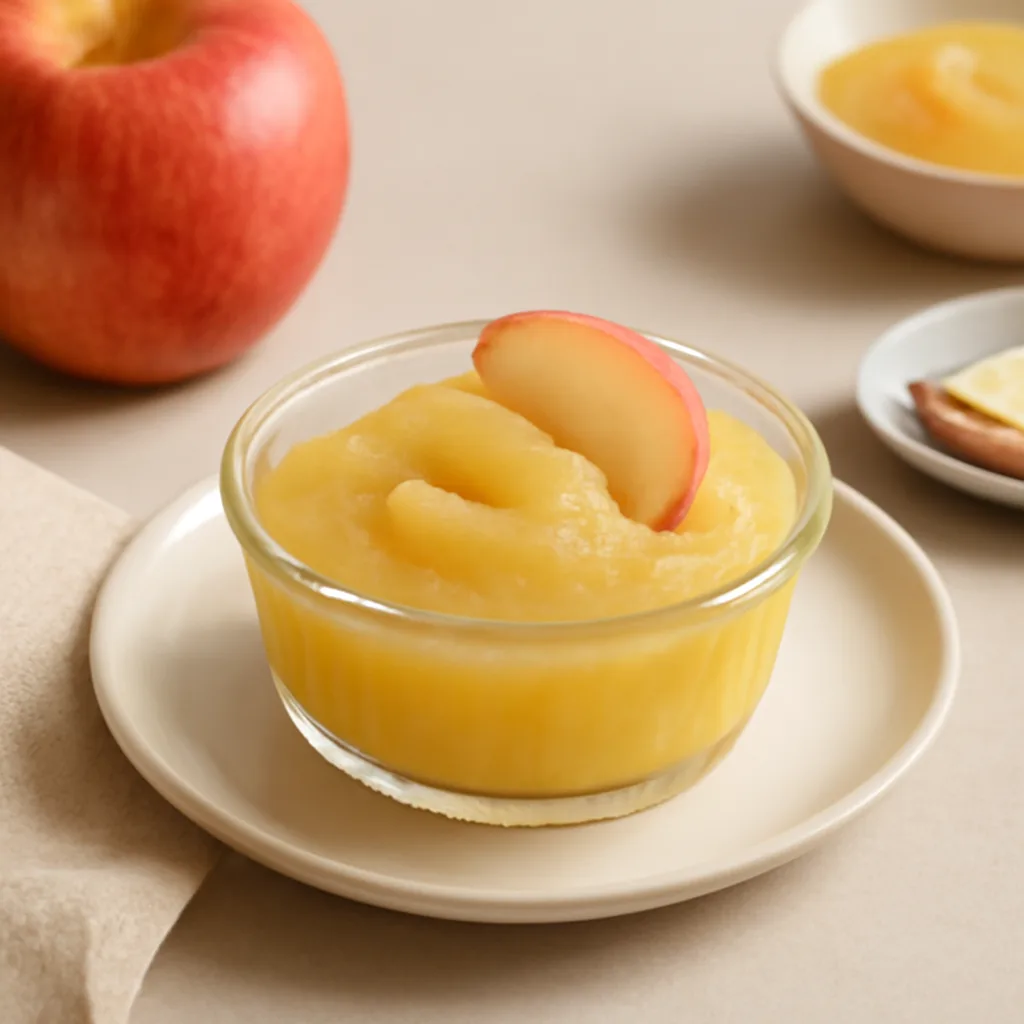
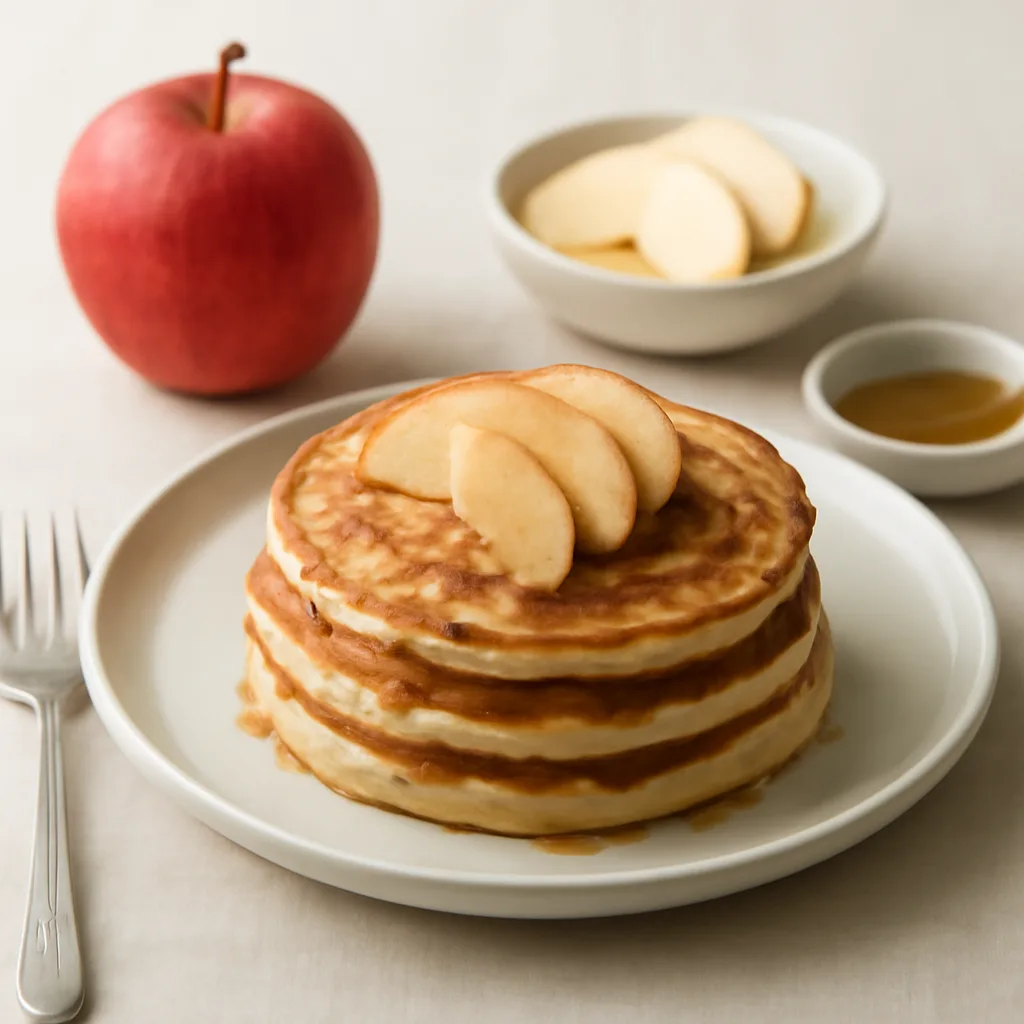
Dessert is a broad category of sweet foods and after-meal treats, good to enjoy with tea. From baked items like cakes and cookies to puddings, fruit desserts, and chilled desserts with varying textures and temperatures, it’s easy to pick a menu according to the mood and prep time you want. When choosing, first decide whether you want a “rich, filling finish” or a “light, refreshing finish.” If the previous course was fatty or large in portion, fruit or cold cream-based desserts with acidity or cold textures may suit better, and for a simple gathering, bite-sized baked goods are convenient for sharing. Note that not all desserts are sweet-heavy, so it’s good to adjust both sweetness level and portion size.
Well-suited for these people
- It’s suitable for people who want a small finishing touch after a meal or those looking for something to accompany tea for guests.
- If using an oven feels burdensome, choose desserts that set in the fridge/freezer or fruit-centered options to simplify preparation.
- For gatherings with many people, easily divisible cakes or individually packaged cookies are convenient, but they may be less suitable for immediate serve of cold desserts.
Food Selection Guide
- If serving after a meal, first consider the weight of the main dish. After heavy foods like fried items or cream sauces, lighter options such as fruit, jelly, or cold desserts that refresh the palate may be appropriate.
- If preparation time is short, prioritize desserts that can be set in advance or do not require multiple resting periods, such as fruit-based options.
- If you need to transport, fillings may shift or layers may slide due to movement, so choosing cup desserts or sturdy baked goods is preferable.
- Decide whether to serve warm or cold, as this quickly narrows the options. If you cannot serve immediately after the meal, consider desserts that hold their form at room temperature instead of those sensitive to temperature changes.
Frequently paired ingredients
- Flour, sugar, eggs, and butter are common in baked desserts like cakes and cookies, influencing structure, sweetness, binding, flavor, and texture. Changes in ingredient ratios can lead to big differences, so for first-time menus it’s best to minimize arbitrary substitutions.
- Dairy such as milk, fresh cream, yogurt, and cream cheese can create soft textures. If dairy flavor feels strong, choose combinations with fruits or acidic ingredients.
- Seasonal fruits, jams, chocolate, and nuts are good for adding flavor and texture. If fruits release a lot of water, the cream or crispy base may get soggy, so add them fresh or drain moisture lightly before use.
- Gelling agents like gelatin or agar can help shape cold desserts. Since different ingredients melt and set differently, follow the recipe’s instructions for safe use.
Compatible cooking methods
- Baking is suitable when you want fragrance, crispness, or a soft interior in cakes, cookies, tarts, etc. If the surface colors quickly but the center stays undercooked, adjust the pan position and bake time rather than overheating the oven.
- Chilling to set through refrigeration is useful for mousses, puddings, and cheese-based desserts that require a cold texture without an oven. Move to serve only after it has fully set to preserve shape.
- Bain-marie or gentle heat is suitable for custards containing eggs and dairy. If edges become grainy or separate, the heat may have been too high; lower heat and stir immediately.
- Combining fruits fresh is quick and good for light, refreshing desserts. However, delicate fruits can bruise easily, so add them just before serving rather than mixing in advance.
Tips for beginners
- Start with simple recipes with fewer ingredients and straightforward measurements. In particular, baking is sensitive to the ratio of dry to wet ingredients, so using a scale helps with reproducibility.
- For ingredients that change consistency with temperature like butter and eggs, ensure they are at the state the recipe requires. If cold ingredients bunch up and the dough isn’t smooth, consider letting them come to temperature briefly and then mixing again.
- If cookies or cakes turn out harder than expected, check whether too much flour was mixed in or overbaked. Next time mix just until flour is incorporated and check the doneness a bit earlier than the recommended time.
- Cream decorations can loosen if the dessert and tools are warm. If the cream thins, chill it briefly and resume, and on hot days favor cup desserts over elaborate decorations.
Menu Composition Tips
- When serving multiple desserts, don’t make them all rich and sweet; pair a baked good with fruit or a cold option to create contrast in temperature and texture.
- If the main course is substantial, serve smaller portions such as cups, bite-sized pieces, or thinly sliced pieces. Conversely, if dessert is the centerpiece of the snack spread, combine a large shareable cake or several small cookies.
- In planning the sequence, prioritize items that need cooling or setting first. For items that need to be crispy just before serving, reserve final assembly for the last step to avoid sogginess.
- Choose beverages based on the sweetness and temperature of the desserts. For very sweet, creamy options, pair with tea or coffee that won’t over-sweeten; for gatherings with children or to avoid caffeine, prepare alternative drinks.
Foods included in this theme
Here are the foods included in this theme, sorted by views from CookPagoda's public food.