Ingredient Encyclopedia
Check the characteristics of the ingredients and how to use them in cooking.
Scallop
1
1
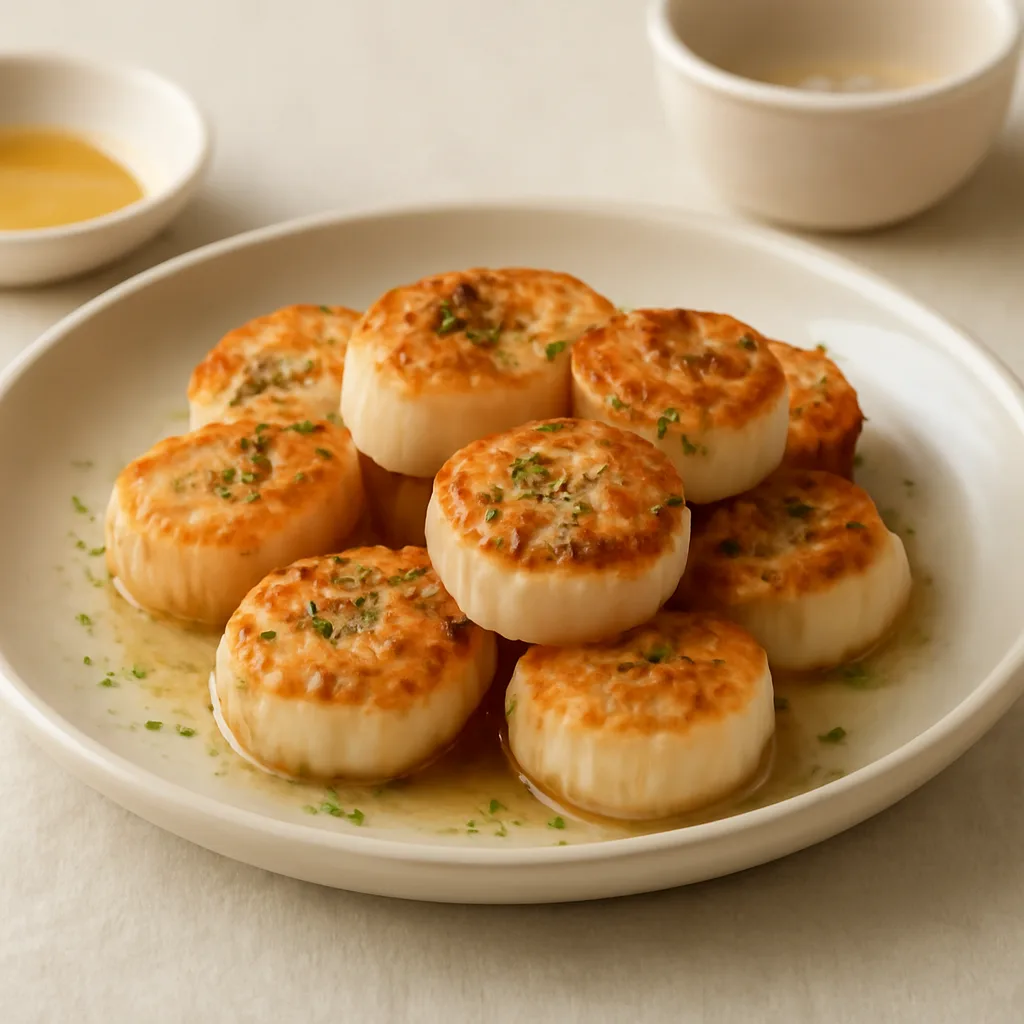
Scallops are a shellfish that eat the adductor muscle and surrounding flesh. The flesh is relatively tender and naturally sweet, making them suitable for quick cooking. Freshly prepared scallops can be used in pan-seared dishes, steamed, grilled, in pasta, porridge, and soups; cooking them with the shell on adds shellfish aroma and makes the presentation attractive. The key is moisture management and brief heating. If the surface is wet, the juices will come out in the pan instead of browning, so to achieve a golden color, pat dry the moisture and cook quickly over high heat. Conversely, for dishes where moisture is important like soups or stews, turn off the heat when the flesh just becomes opaque rather than achieving strong browning. Whether to use only the adductor or include the surrounding flesh and entrails depends on the dish. For dishes needing clean flavors like cream pasta or skewers, the adductor is convenient; for dishes needing shellfish aroma like stews or soups, using the shell and surrounding flesh is a good fit.
Taste and Texture
Scallops carry a subtle sweetness and a sea aroma. The adductor has a smooth texture and, when cooked until just moist, remains tender yet easy to chew. The surrounding flesh and entrails have a stronger aroma and can feel softer or chewier than the adductor. As cooking time increases, the texture becomes firmer and more contracted. Adding fat such as butter or olive oil softens the sweetness, but overly strong sauces can mask the delicate flavor of the scallop itself.
Main uses
- Grill in a pan and serve on salads, risotto, or pasta to impart a nutty flavor on the surface while keeping the interior moist.
- Cooking with the shell on for steaming or grilling allows the juices released from the flesh to gather inside the shell and serve as a simple sauce. However, cooking with the shell makes it harder to keep even heat on the adductor.
- Add scallops at the end to a clear broth, miso soup, or porridge to enhance the shellfish aroma. If boiled from the start for too long, the flesh becomes tough and the broth may float with cloudy proteins.
- Butter, garlic sauce, soy-based seasonings, and lemon pair well to highlight the scallops’ sweetness. When the seasoning is sweet, a quick reduction that lightly coats the surface is ideal.
Preparation tips
- Dry the surface of cleaned scallops lightly with a paper towel just before cooking to prevent moisture from lowering the pan temperature and hindering browning.
- If the tough muscle near the adductor remains, removing it reduces a chewy texture. If the dish uses surrounding flesh and entrails, don’t remove them too much; just check for foreign material and shell fragments.
- If pan-searing, cook items of similar size together. Placing small and large adductors at once makes it hard for the center of the larger piece to cook evenly before the smaller ones dry out.
- Lightly season with salt just before or after cooking. Pre-salting for a long time can draw moisture to the surface and hinder browning, but for broth dishes you can adjust seasoning gradually.
Cooking characteristics
- Heat a pan and add a thin layer of oil, then place the scallops. It’s best not to touch them at first. When the bottom browns and naturally releases, flip to reduce tearing of the surface.
- When the adductor edges become opaque and the center still looks moist, it’s a good time to avoid overcooking. Residual heat will continue cooking after turning off the heat, so remove when fully firm to prevent a chewy texture.
- For stews or soups, monitor as the shell opens or the flesh becomes opaque to determine doneness. Shells that are already open won’t get softer with longer cooking, so removing them in the order they open is advantageous.
- When cooking with acidic ingredients, add lemon juice or vinegar at the end to keep the aroma bright. Adding a lot at the start can make the acidity overpower the scallop’s sweetness and weaken the browning in pan-sear.
Good combinations
- Butter, olive oil, garlic, and shallots—gentle aromatics that don’t overwhelm the scallop’s sweetness—pair well.
- Lemon, yuzu, and white wine add acidity to cut richness, but start with small amounts and adjust to taste.
- Asparagus, peas, spinach, mushrooms, and corn—vegetables with natural sweetness or umami pair nicely.
- Fermented seasonings like miso, soy sauce, or dashi stock suit broths and stews, but avoid piling too many salty ingredients as they can mask the delicate scallop flavor.
Points to consider when substituting
- Substitute ingredients that preserve the adductor’s soft sweetness and quick cook time as appropriate to the dish. For pan-seared dishes, shrimp or white fish can be used, but cooking times and textures differ, so adjust heat accordingly.
- For broth or stew where shellfish aroma is the goal, other shellfish like clams or mussels can be alternatives, but may taste saltier or stronger, so adjust broth seasoning after adding the ingredient.
- For creamy pastas or risottos where the presence of soft seafood is desired, use shrimp, adding it near the end so it doesn’t overcook and become firm.
- If you shift to a vegetable-forward dish, thickly grilled mushrooms add a savory texture but won’t fully replicate the shellfish sweetness and sea aroma.
Ingredients commonly used together in actual dishes
Aggregated based on the co-occurrence count of representative ingredients in public dishes registered in CookPagoda.
Dishes that use this ingredient
Shows dishes where this ingredient is a representative ingredient, sorted by view count.