View recipes
Check the reference data for the selected food.
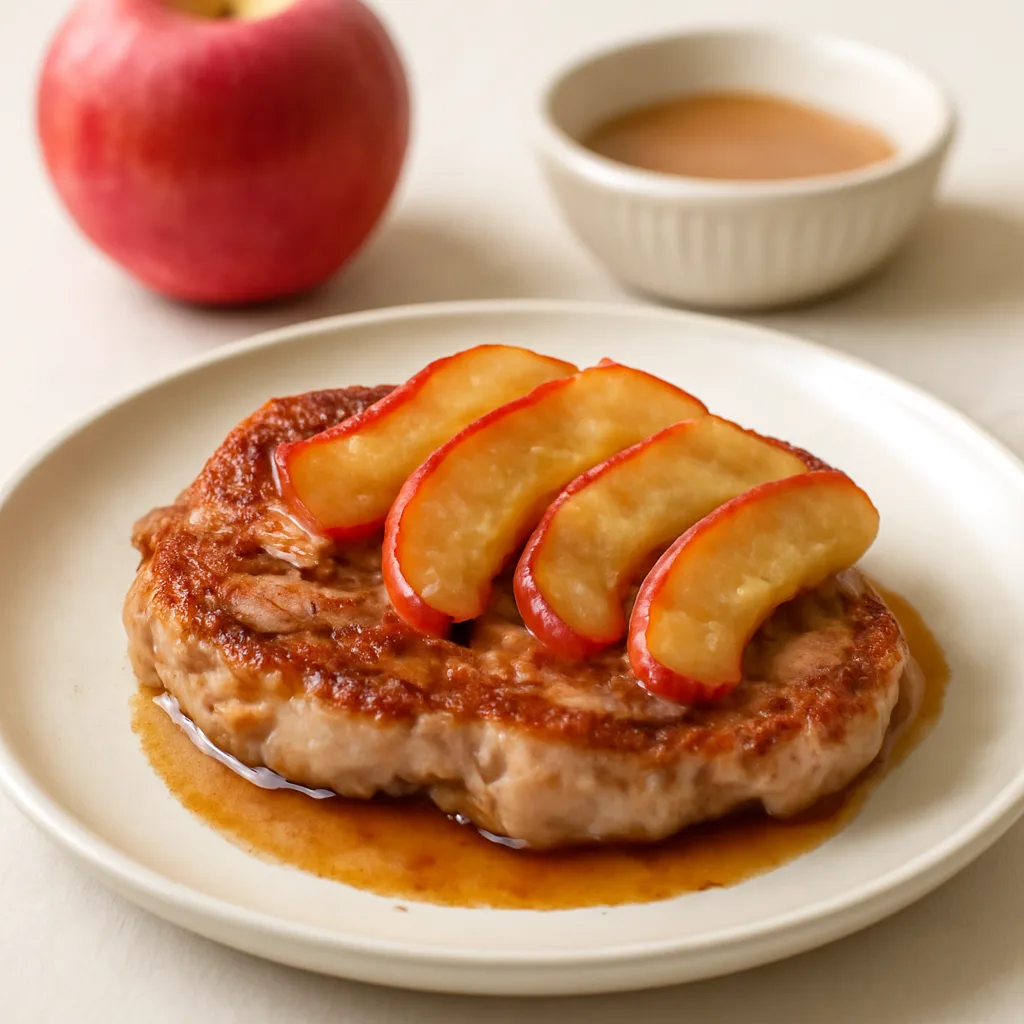
Apple Pork Steak
Apple pork steak is a dish where tender pork loin harmonizes with sweet apples. Onions and cabbage are sautéed together to add a crunchy texture and depth of flavor. This dish is suitable for a family dinner, offering a satisfying flavor with a hint of sweetness from the apples that isn’t dessert-like.
Related Themes
5
View0
Like1
AI recommendations0
CreatedAbout this recipe
Apple pork steak is a one-pan main dish centered on lean pork loin, with the sweetness from onions and cabbage sautéed, and the brightness of apples. Rather than fully cooking the apples from the start, add them at the end briefly to keep their shape and acidity, letting them act like a sauce between the meat and vegetables. The loin is lean, so its texture varies greatly with pan temperature and doneness. Preheat the pan to medium heat, sear the exterior evenly, and ensure the internal temperature at the thickest part reaches at least 63°C for safety. Cooking times vary with meat thickness and pan heat, so it’s better to monitor temperature and cross-section rather than rely solely on the suggested times. Sautéed onions and cabbage absorb the remaining flavors from the meat in the pan, creating deeper taste. If there are many burnt bits or the oil darkens too much, wipe them off or add a small amount of fresh oil instead of continuing to fry the vegetables, which helps reduce bitterness.
Taste and Texture
Well-seared pork loin centers on a roasted aroma and mild meat flavor, with softly cooked onions and slightly crunchy cabbage providing contrast. The apples add a gentle sweetness and light acidity, but the combination is not overwhelmingly sweet like dessert. If you sauté the apples for 1–2 minutes, the edges become warm and tender while retaining some crispness. Conversely, if sautéed too long, they soften and, with the moisture from the vegetables, can make the pan moist, so adding them at the end is ideal for a clear texture.
Key to making it delicious
- Dry the surface of the pork loin a bit before laying it in the pan to reduce water boiling first and help the exterior browning better. When you preheat to medium and hear a gentle sizzle after placing the meat, it’s likely at the right heat; if smoke becomes excessive, lower the heat so the interior cooks before the exterior burns. If the meat is thick or the surface only thickens quickly, lower the heat slightly and finish until the internal temperature reaches at least 63°C. Saute the onions until translucent, then add the cabbage to bring out the sweetness of the onions and the chew of the cabbage; if the cabbage browns too quickly, lower the heat or reduce the frying time. Slice the apples thinly and add at the end; turn off the heat when the edges are slightly soft to maintain balance of sweetness, acidity, and shape. If using thyme or rosemary, use only a small amount as the aroma can be strong; if you want to highlight the fresh apple aroma, you may omit them.
- commonMistakes:[
- If the surface of the loin looks gray and under-browned, the pan may not be fully preheated or the meat released a lot of moisture; in the next cook, dry the surface, heat the pan first, and don’t add too many ingredients at once.
- If the meat is tough and chewy, it may have been overcooked by following the time for thin loins, so reduce the time for thinner cuts and remove from heat based on internal temperature.
- If cabbage releases a lot of water and the stir-fry becomes soggy, the pan may be crowded or cooked on high heat for too long; use a wider pan or cook in smaller batches for a short time.
- If the apples become mushy and the pan turns dark, they may have been added too early; add them when the vegetables are nearly finished and heat for only 1–2 minutes.
- If there are bitter notes from blackened spots on the bottom of the pan, the heat may have been too high while cooking the meat; remove the burnt bits before adding vegetables and set to medium heat.
Application Ideas
- If you prefer a crisper contrast of apples, some apples can be added unseared just before finishing, and if the warm stir-fry and cool apples feel awkward, briefly cook all for uniform texture.
- Adding small amounts of rosemary or thyme will make the pork’s roasted aroma clearer, but since herbs can be strong, start with one herb.
- If you want the cabbage crisper, add it after the onions and lightly sauté; for a softer side, cut the cabbage into finer strips so it cooks a bit longer.
- If using varieties with stronger acidity, sauté the onions until fully translucent to draw out sweetness and balance the overall flavor.
Pairing ideas
- Slice the meat against the grain and pair with the sautéed onions, cabbage, and apples for a balanced bite in every mouthful.
- Drizzle the pan juices lightly over the meat to enjoy the apple and onion flavors without a separate sauce.
- For a family meal, plate the meat and vegetables together with a light herb sprinkle to make the ingredients visually clear.
Essential ingredients
Pork loin
Apple
Cabbage
Onion
Optional ingredients
Herbs
You can add aroma with thyme or rosemary.
Cooking order
Divide the pork loin into two portions for 2 servings and season with salt and pepper.
Slice the onion thinly and shred the cabbage.
Preheat the frying pan over medium heat, add oil, and sear the pork loin on both sides for 4–5 minutes each.
While the meat cooks, add the onions to the same pan and sauté until translucent.
Add the cabbage and season with salt and pepper, then sauté for another 2–3 minutes.
Thinly slice the apples and add to the pan at the end, sautéing together for 1–2 minutes.
When all ingredients are well mixed and the apples are just tender, turn off the heat and transfer to a plate.
If desired, sprinkle with herbs (e.g., thyme or rosemary) to finish.