Theme guide
Check the selection criteria and cooking ideas for foods that match this theme.
Western cuisine refers not to the cuisine of a single country but to a broadly used term describing diverse meal setups developed across Europe and the Americas. Think of dishes that pair carbohydrates like bread, pasta, potatoes, or rice with meat, fish, eggs, legumes, and vegetables, and flavor them with sauces or herbs. It spans from light salads and soups to oven dishes, pasta, and centered dishes like steaks. Therefore, when you see the term “Western-style,” don’t assume heavy butter or bold flavors; consider the preparation methods, sauce consistency, and accompaniments together to choose a suitable meal. A practical table setup is to serve one main dish with a carbohydrate side and vegetables. If you’re short on time, a one-pan pasta or a salad-centered arrangement is convenient, but for gatherings requiring multiple dishes, choosing a cooking method that is less labor-intensive, like oven dishes, is preferable.
Well-suited for these people
- It suits people who want to compose a one-dish meal by varying ingredient flavors, sauces, and herbs.
- It is suitable for choosing from menus with different preparation times and atmospheres, such as pasta, roasted meat or fish, soups, or salads, depending on the situation.
- It is handy for serving guests with a main and sides separately, but preparing several sauces and accompaniments can lengthen prep time.
- It is a good choice if you want to control flavors around warming aromas, acidity, and creamy textures rather than heat from spiciness.
Food Selection Guide
- If you need shorter prep time, choose pasta or salad where boiling pasta and sauce cooking overlap, and reserve oven-baked dishes for days with more time.
- If the plate’s centerpiece is meat or fish, keep sides simple with bland vegetables or potatoes to avoid flavor overlaps.
- If the sauce looks thick like cream or cheese, consider lighter accompaniments with acidic vegetables, tomatoes, or lemon to balance heaviness.
- If cooking for many people at once, divided portions of dishes like roasted chicken or lasagna that are easy to portion may be more convenient than steaks needing final cooking per order.
- If bread is planned, pair with soups or stews with sauces; if rice or pasta is the focus, avoid over-sauce-ing.
Frequently paired ingredients
- Olive oil, butter, cream, and cheese add aroma and texture, but you don’t need to use all of them in one dish; choose according to the desired flavor.
- Garlic, onion, celery, carrot, and tomato form the base for sauces, soups, and roasts, and slow-cooking vegetables helps soften sweetness and aroma.
- Herbs like basil, parsley, rosemary, and thyme enhance aroma. Dried herbs for long-simmered sauces, fresh herbs at finishing offer different notes.
- Pasta, bread, potatoes, polenta, and rice serve as accompaniments to support the sauce or juiciness of the main dish, so it’s good to decide on one main carbohydrate per meal.
- There are many protein options such as beef, pork, chicken, fish, shellfish, and legumes; choose cooking methods according to the thickness and moisture of the purchased ingredients.
Compatible cooking methods
- Pan-searing adds a brown savory aroma to meat, fish, and mushrooms. If the surface releases a lot of moisture, frying may result in a softer, boiled-like texture, so heat the pan well and avoid overcrowding.
- Oven roasting is convenient for poultry, root vegetables, and gratins in larger quantities. However, different thicknesses mean adjust timing or add ingredients at different times to ensure even cooking.
- Boiling and simmering suit tomato sauce, soups, and stews. If the mixture is too thin, uncover to reduce moisture; if too thick, add water or stock gradually to adjust.
- Boiling is the default method for pasta and potatoes. Check pasta according to package timing, and finish cooking with the sauce if planning to finish together.
- Emulsifying involves blending oil, cheese, and starch-containing liquids to create a smooth sauce, useful for pasta. If the sauce splits, lower the heat and add a small amount of pasta water or liquid and mix.
Tips for beginners
- Start with a simple structure: one main, one vegetable accompaniment, and one carbohydrate to keep prep orderly.
- Add only part of the sauce at first to coat ingredients and gauge thickness; if the plate is too watery, offer extra sauce separately or simmer a bit more.
- Garlic and herbs can become bitter if browned too much; cook garlic over gentle heat briefly, and add herbs at appropriate stages.
- After searing meat, rest briefly before carving to retain juices; timing and thickness matter to keep dishes warm.
Menu Composition Tips
- Pair rich mains with a bright salad or roasted vegetables, and balance milder fish or chicken with potatoes, bread, or grains as sides.
- When serving soup with bread, adjust soup thickness so bread can be dipped, but avoid overly heavy sides if the soup already has cheese or cream.
- For multiple courses, center oven-cooked dishes and prep salads and cold sauces beforehand to reduce overlapping stovetop time.
- If pasta is the main, avoid adding large extra potato dishes; instead choose vegetable and protein sides for balance.
- If plate colors are brown and beige, add elements with color and acidity such as tomatoes, leafy greens, herbs, and roasted seasonal vegetables to refresh the presentation.
Foods included in this theme
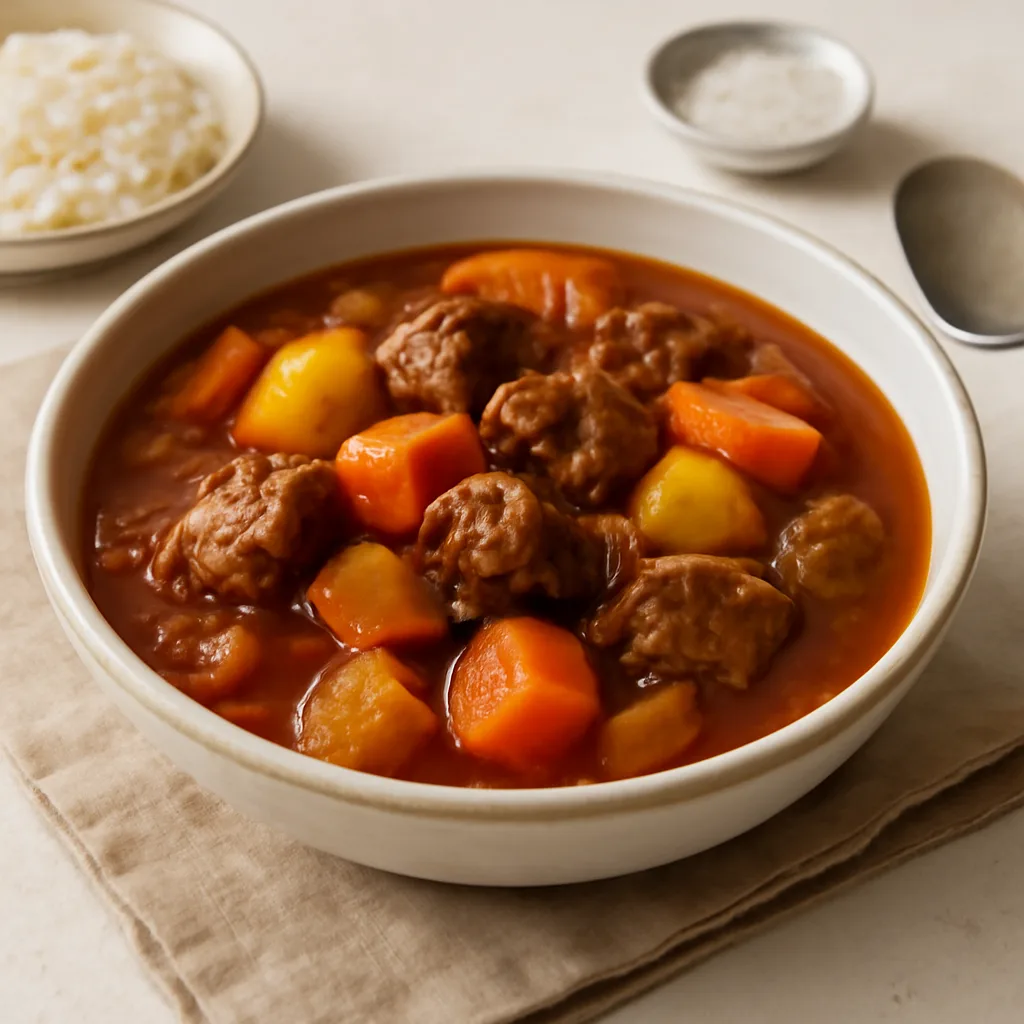
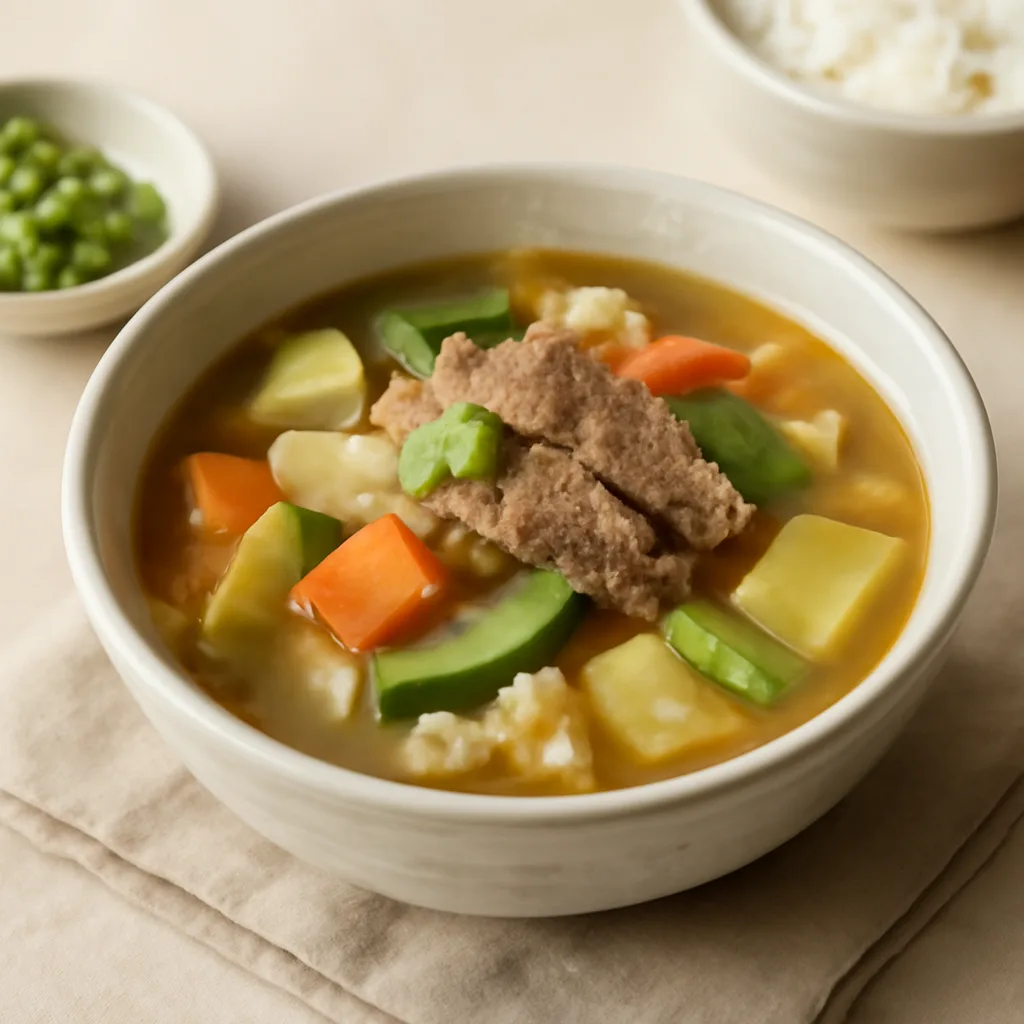
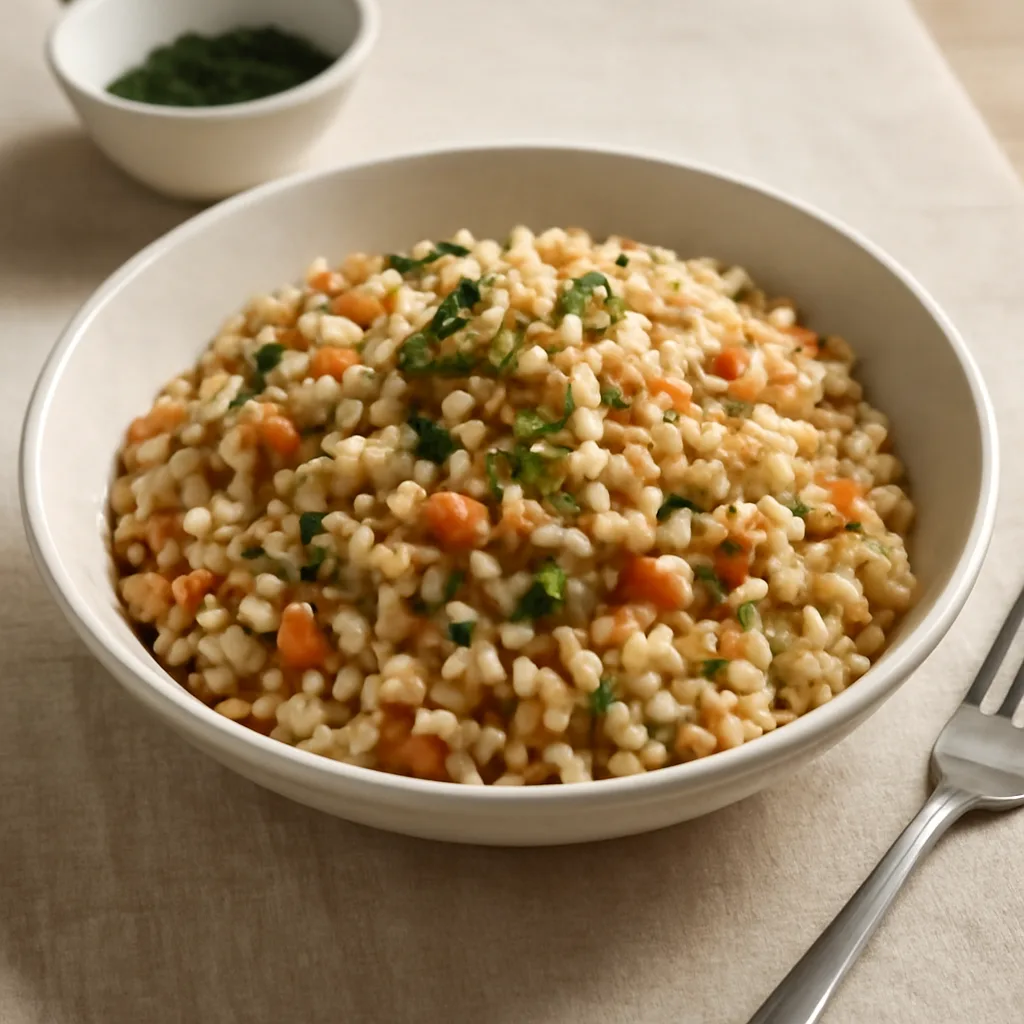
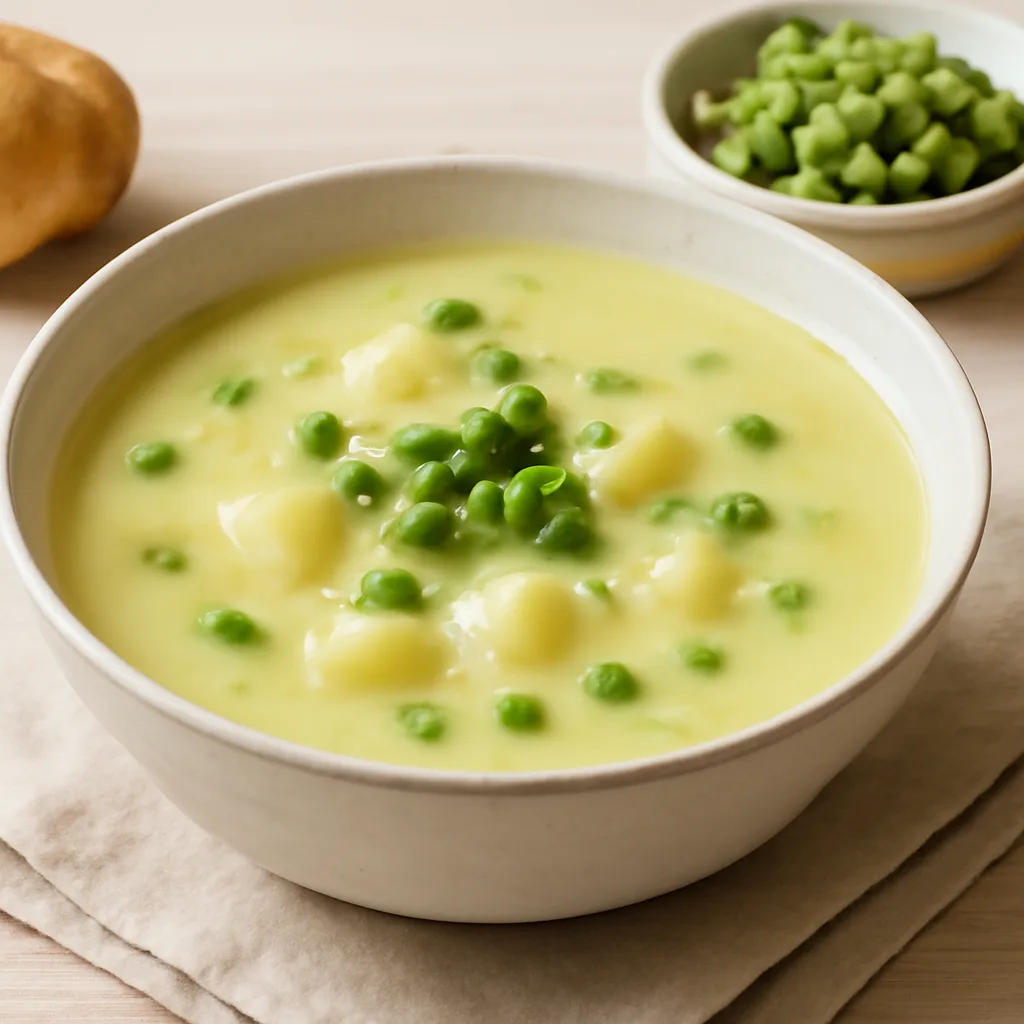
Here are the foods included in this theme, sorted by views from CookPagoda's public food.