Ingredient Encyclopedia
Check the characteristics of the ingredients and how to use them in cooking.
Pork loin
1
1
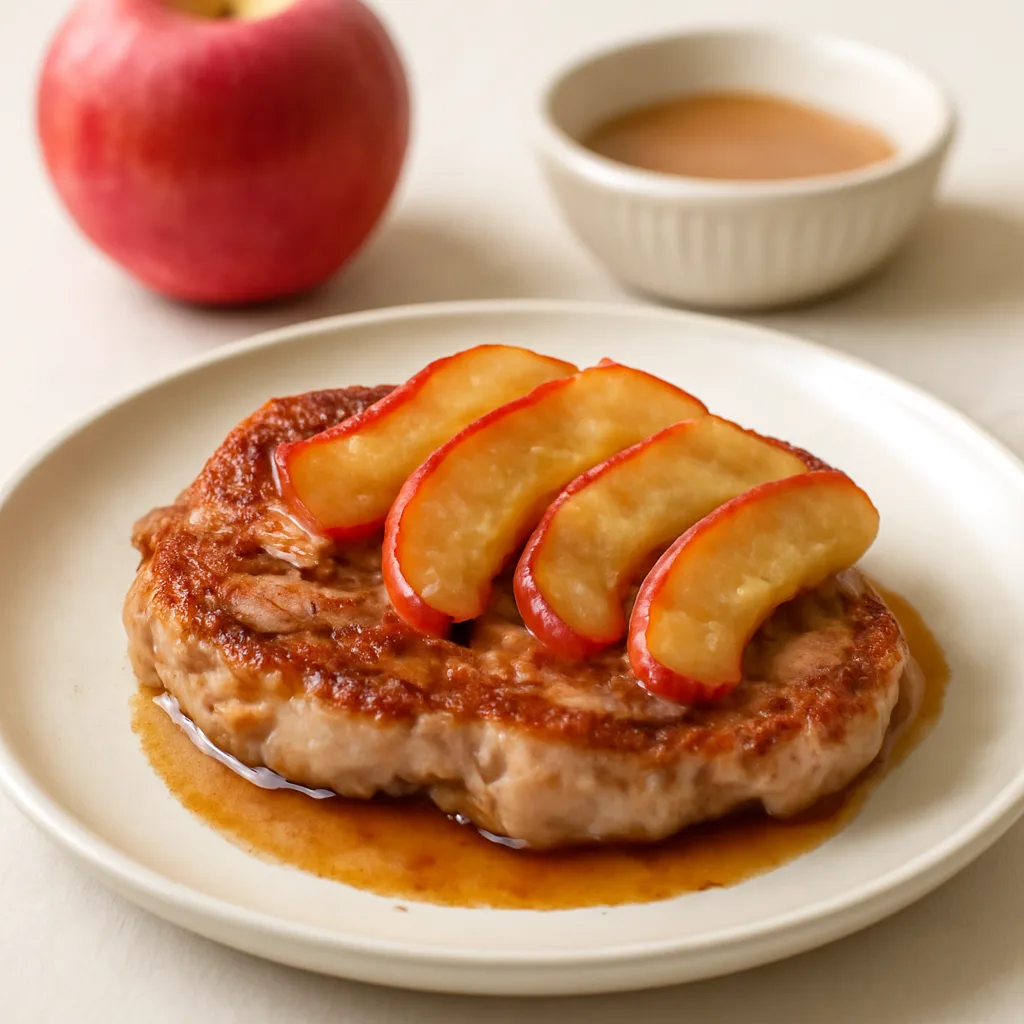
Pork tenderloin is relatively lean, with fine grain among pork cuts. If you adjust thickness and cooking time, you can achieve a mild yet tender texture. It’s good for thinly sliced stir-frying or grilling; if you cut thick pieces and cook them in a pan, letting them rest briefly helps retain juices. Because it is lean, overlong heating can make the meat tough and dry. A practical method is to sear the surface quickly to develop color and roasted aroma, then control the heat so the inside isn’t overcooked. For soups, briefly cook thin slices, or, if moisture is important in a dish, it may be better to choose a higher-fat part.
Taste and Texture
The flavor is relatively mild and clean, with the meat’s own savor taking center stage rather than a strong fat presence. Even with bold seasonings like garlic, soy sauce, black pepper, or doenjang, the meat’s taste remains distinguishable. The texture is relatively tender, but because it’s lean, overcooking makes it firmer and can feel drier the more you chew. When cooked properly, you get a neat, moist flesh that slices cleanly.
Main uses
- Use it for dishes like pork cutlet where you expand into a flat, uniform thickness and coat with batter. To prevent the meat from overcooking before the coating colors, trim pieces to even thickness.
- Thinly sliced tenderloin can be used for spicy pork stir-fry, soy sauce-based stir-fry, and stir-fries with vegetables. If you stir-fry over high heat for a short time and remove when the meat just starts to set, the vegetables’ moisture helps prevent overcooking.
- Thick cuts are great seasoned with salt and pepper for grilling, cutlets, or steak. After grilling, do not slice immediately; let rest a moment and then slice across the grain to retain juiciness.
- It can be grilled and sliced for sandwiches or bowls. For bowls with saucy toppings, if you slice the meat too thin, it can soak up too much sauce; serving right before eating with the toppings is also suitable.
Preparation tips
- Pat dry the surface with a paper towel, then season; it’s easier to brown rather than steam when moisture is high. If the pan sizzles and there’s a lot of moisture, either the pan is cold or you added too much meat at once, so cook in batches.
- For thick cuts, lightly trim the outer thin membrane or tendons at a few spots. If only the edges shrink during heating, the center won’t contact the pan evenly and the color will be uneven.
- Thin tenderloin should be marinated only as long as needed; mix quickly rather than marinating long. If the soy sauce or sugary sauce darkens quickly in the pan or starts to burn, remove meat first and finish cooking with the sauce and vegetables.
- If making cutlets, trim to even thickness, season with salt, then coat in flour, egg, and breadcrumbs in order. If the coating separates from the meat, re-dredge in flour and shake off excess, and ensure each step sticks evenly.
Cooking characteristics
- At high heat, the surface browns quickly and develops a roasted aroma, but if heat penetrates to the center for a long time, the lean meat can become firm. If the surface color is sufficient but the center takes long to cook, lower the heat or reduce thickness.
- In stir-frying, moisture released from the meat can cause it to cook more like boiling than frying. If there are no brown marks on the pan and the meat looks pale, reduce portion size and cook briefly over high heat.
- When deep-frying, even if the batter becomes crispy first, the center of thicker tenderloin may need more time to cook. Conversely, thin slices can burn the coating if oil is too hot, so adjust heat if color develops too quickly.
- Stewing or long simmering can tighten the texture rather than tenderize it. For soups, add thin slices of meat at the end for a brief cook to preserve a mild texture.
Good combinations
- Ingredients that add aroma and savor—salt, pepper, garlic, ginger, soy sauce, doenjang, gochujang—pair well with the lean tenderloin. Sweet sauces can burn the surface, so add toward the end or adjust with water/broth.
- Onions, cabbage, mushrooms, and bell peppers add moisture and sweetness to complement the tenderloin’s mildness. But don’t add too many vegetables at once, or it lowers pan temperature; cook the meat first, then set aside before finishing with vegetables.
- For crispy fried dishes like tonkatsu, shredded cabbage salad or tangy sauces work well. In contrast, heavy cream sauces can mask the clean taste of tenderloin, but can be suitable to add moisture.
Points to consider when substituting
- When thinly sliced for stir-frying or grilling, you can substitute pork tenderloin, but tenderloin is softer and more prone to overcooking; cook in smaller portions or remove earlier than other cuts.
- For tonkatsu or thick cutlets, pork hind leg can be used as a substitute; it has a more distinct grain and firmer texture, so slice thinly or trim to soften.
- For moist, fatty grilled aims, neck/belly cuts should not be substituted identically; these cuts have more fat and tolerate longer cooking, but applying the same amount of seasoning and cooking time can make them too fatty or surface burn easily.
- Chicken breast can be an alternative for mild stir-fries, but flavor and cooking speed differ; in soy-based stir-fries, chicken breast dries faster, so slice thin and cook briefly.
Ingredients commonly used together in actual dishes
Aggregated based on the co-occurrence count of representative ingredients in public dishes registered in CookPagoda.
Dishes that use this ingredient
Shows dishes where this ingredient is a representative ingredient, sorted by view count.