Ingredient Encyclopedia
Check the characteristics of the ingredients and how to use them in cooking.
Sweet potato
1
3
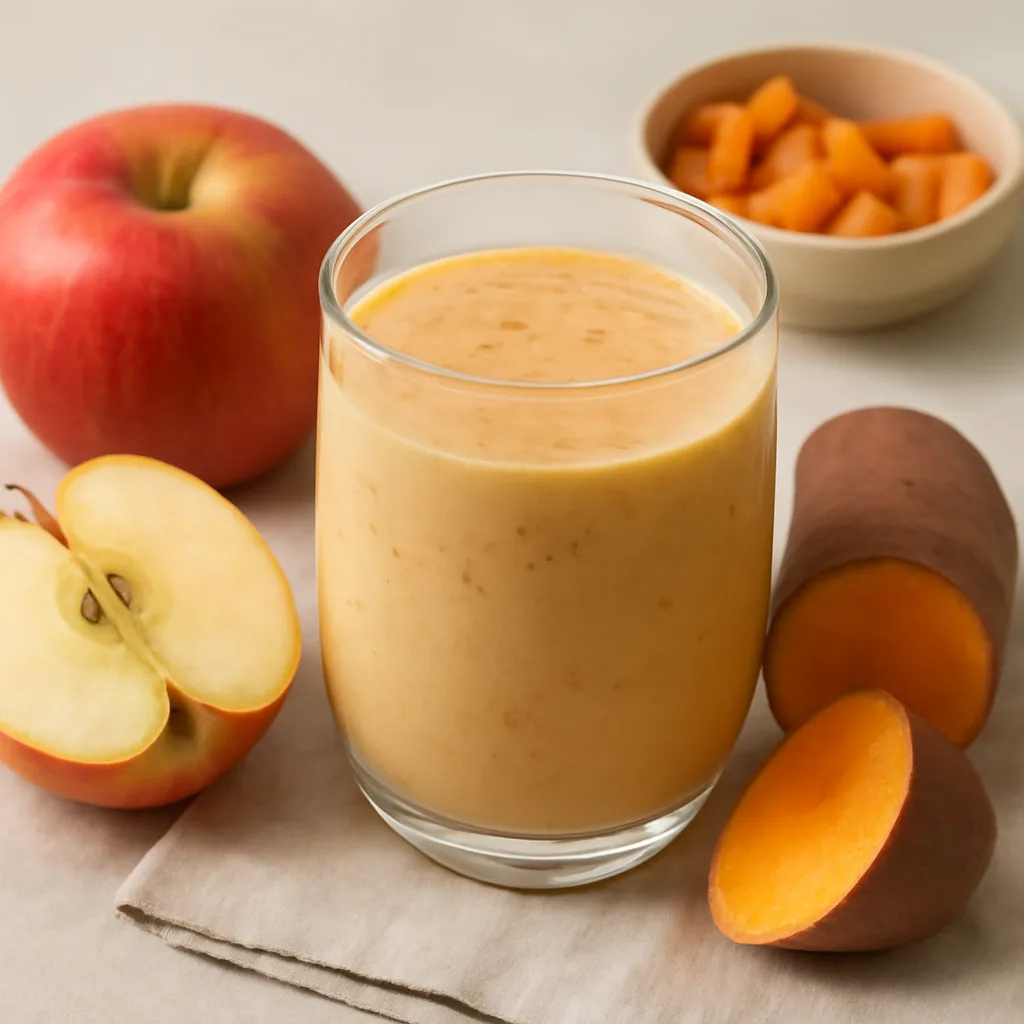
Sweet potatoes are a root vegetable with an earthy sweetness and fluffy or moist texture, versatile for roasting, steaming, boiling, frying, and various other preparations. Depending on the variety and condition, sweetness, moisture, and starchiness vary, so results can differ even with the same method. Choose firm skins with few blemishes or soft spots for easier trimming and cooking. Roasting whole highlights the sweetness inside, while steaming or boiling yields a relatively bland and soft flavor. They can be mashed into soups, purées, or dough, or cut into large chunks to accompany roasts or stews. However, varieties with high water content may not be ideal for crispy fried dishes or very rich purées, so adjust cooking methods and cut size according to the desired result.
Taste and Texture
Sweet potatoes carry a gentle earthy aroma, natural sweetness, and a satisfying starchy texture. Yellow or orange-fleshed varieties tend to feel moister and softer, while varieties with less moisture, like purple yam, feel fluffy and dense. As heat increases, the structure softens and sweetness becomes more pronounced. Slow-roasting or long cooking concentrates sweetness and yields a chewy edge, but overcooking at too dry a state can make the inside mealy.
Main uses
- Roasting whole as a snack or side dish best preserves the natural sweetness and aroma of sweet potatoes.
- Steamed or boiled sweet potatoes can be mashed into soups, purées, croquette fillings, or batters for bread or pancakes.
- Cut into sticks or wedges and roasted or air-fried to obtain a crusty exterior and soft interior.
- Diced small into curries, stews, or braises to add sweetness and a hearty texture.
- Thinly sliced and fried or roasted to make chips, but thin pieces brown quickly, so watch color and shorten cooking time accordingly.
Preparation tips
- Rinse under running water to scrub off surface dirt, trimming only the rough or damaged parts thinly. When cooking with the skin on, especially clean any crevices of soil.
- Cut pieces as evenly as possible so the cooking time is uniform. Mixing large and small pieces can cause small pieces to dry out and large pieces to be undercooked.
- For roasting, pat dry the pieces and toss lightly with oil and salt to achieve relatively even surface color. If moisture remains, steaming rather than roasting will be difficult to achieve crisp edges.
- When making purée, cook until completely tender and mash while hot to minimize lumps. If it becomes too stiff, gradually add milk, stock, or water to reach the desired consistency.
Cooking characteristics
- Sweet potatoes become softer and their sweetness intensifies as they are heated. Slow roasting at a low temperature brings out sweetness, but takes longer than faster cooking.
- Boiling makes them moist and bland by absorbing water, but boiling too long makes the edges mushy and easy to mash. For salads or chunks, it's better to remove when a knife tip can penetrate easily, then cool.
- During roasting, browning on the surface releases a nutty aroma. If color develops too early or the pan dries out and edges darken, lower the heat or flip the pieces.
- In frying, thin, even pieces cook quickly, while thicker pieces brown on the outside first and may be undercooked inside. Reducing thickness or pre-cooking at a lower temperature before finishing at a higher temperature helps.
Good combinations
- Fat-rich ingredients like butter, olive oil, or cream soften the fluffiness and round out the sweetness of sweet potatoes.
- Salty seasonings like salt, pepper, soy sauce, or miso create contrast with sweetness and suit side dishes or braises.
- Warm spices like cinnamon, ginger, or nutmeg suit roasted sweet potatoes or purées, but strong aromatics can overpower the natural flavor, so start with small amounts.
- Pairs with acidity from yogurt, citrus, or vinegar to balance sweetness when it feels heavy.
- Using beans, nuts, or leafy greens adds a chewy contrast to the soft sweet potato.
Points to consider when substituting
- Mashed dishes can substitute mashed sweet potatoes with pumpkin or potatoes, but pumpkin is sweeter and has different moisture, and potatoes have far less sweetness. If sweetness is crucial, add a bit of sweetness element to the substitute and taste.
- For curry or stews, large chunks can be replaced with potatoes, pumpkin, or carrots. Potatoes hold shape easily but cannot replicate the unique sweetness of sweet potatoes; pumpkin may cook faster, so add later.
- Replacing the roasted, concentrated sweetness of sweet potatoes with other ingredients is difficult. For side dishes, roasted pumpkin or potatoes can be used, but cooking time and moisture state must be adjusted separately.
Ingredients commonly used together in actual dishes
Aggregated based on the co-occurrence count of representative ingredients in public dishes registered in CookPagoda.
Dishes that use this ingredient
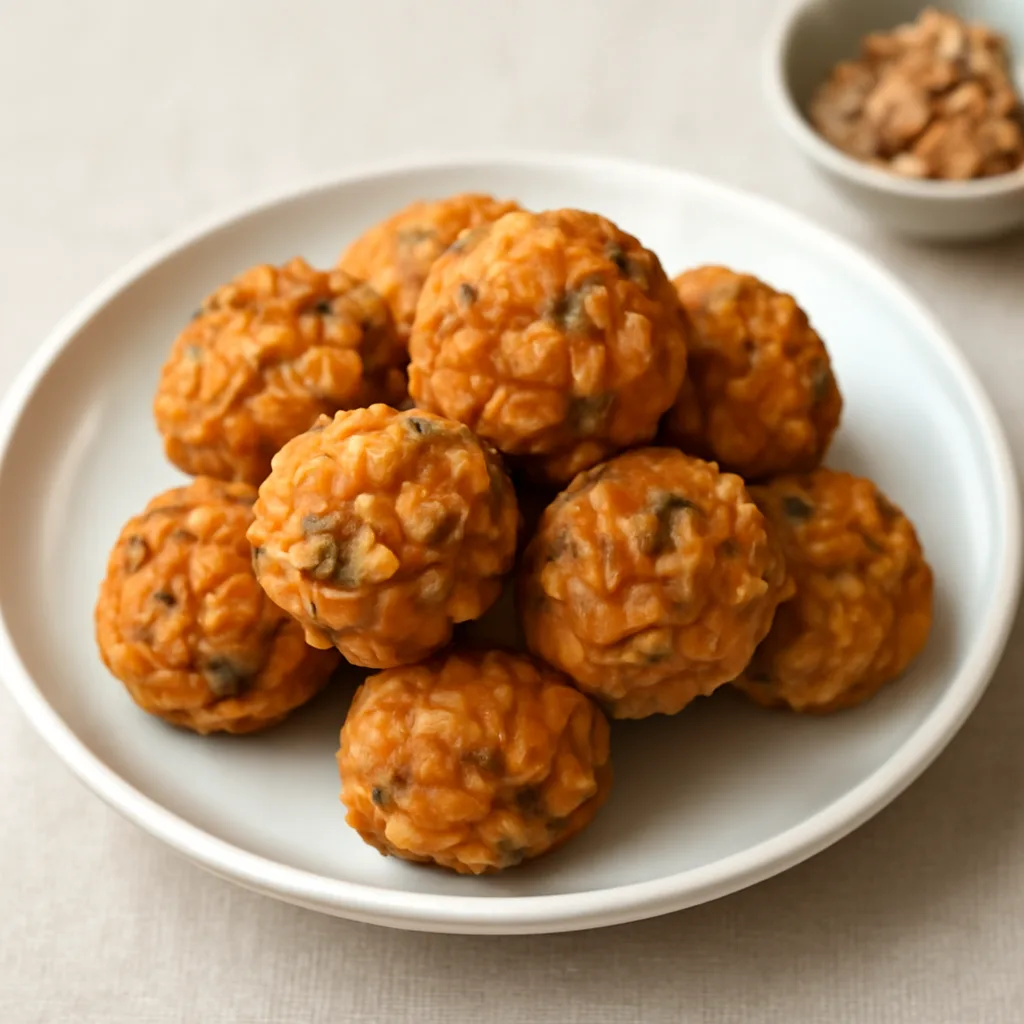
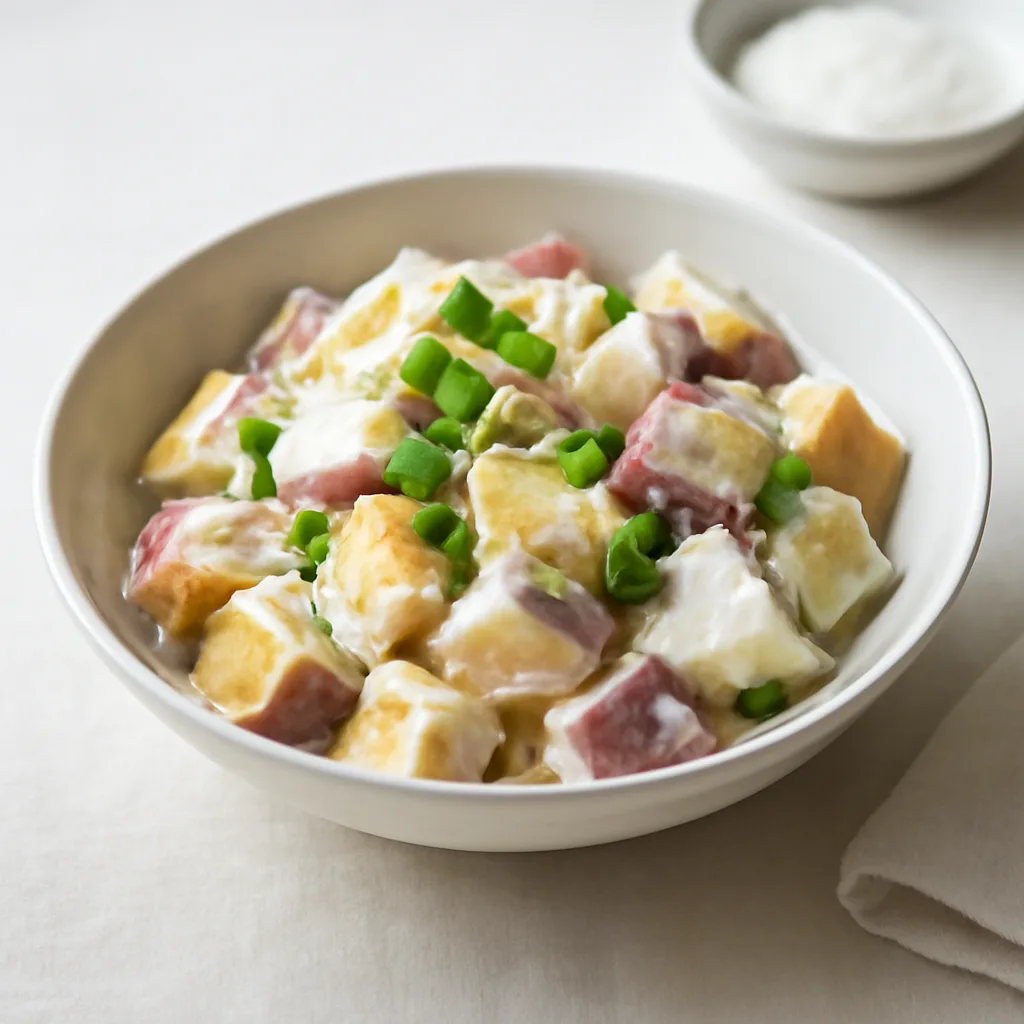
Shows dishes where this ingredient is a representative ingredient, sorted by view count.