Ingredient Encyclopedia
Check the characteristics of the ingredients and how to use them in cooking.
Banana
3
2
Bananas are fruits whose role changes significantly with ripeness. Yellow bananas are soft and sweet, great to eat as is or use in smoothies, oatmeal, and toast; when brown spots appear, the flesh is easier to mash and enhances sweetness and moisture in breads, pancakes, and muffins. In cooking, very ripe bananas can help reduce some sugar and fat, but not all pastry batters with the same ratio due to their moisture and aroma. Firm bananas hold their shape and are suitable for grilling and caramelization, while overly soft bananas are better for sauces or batters where the texture is blended. Bananas can be used frozen, blended, sautéed in a pan, or baked in an oven. However, in dishes that need a bright fruit flavor or a crisp texture, bananas' heavy sweetness and creamy texture may not be suitable.
Taste and Texture
Ripe bananas have a honey-like round, soft sweetness and a distinctive aroma. When underripe, they are less sweet and firm; when fully ripe, they mash easily with a spoon or fork. When heated, the flesh becomes softer and the surface sugars taste deeper. Griddled to a golden brown, the sweetness deepens, but if left on high heat too long, they can become mushy or char.
Main uses
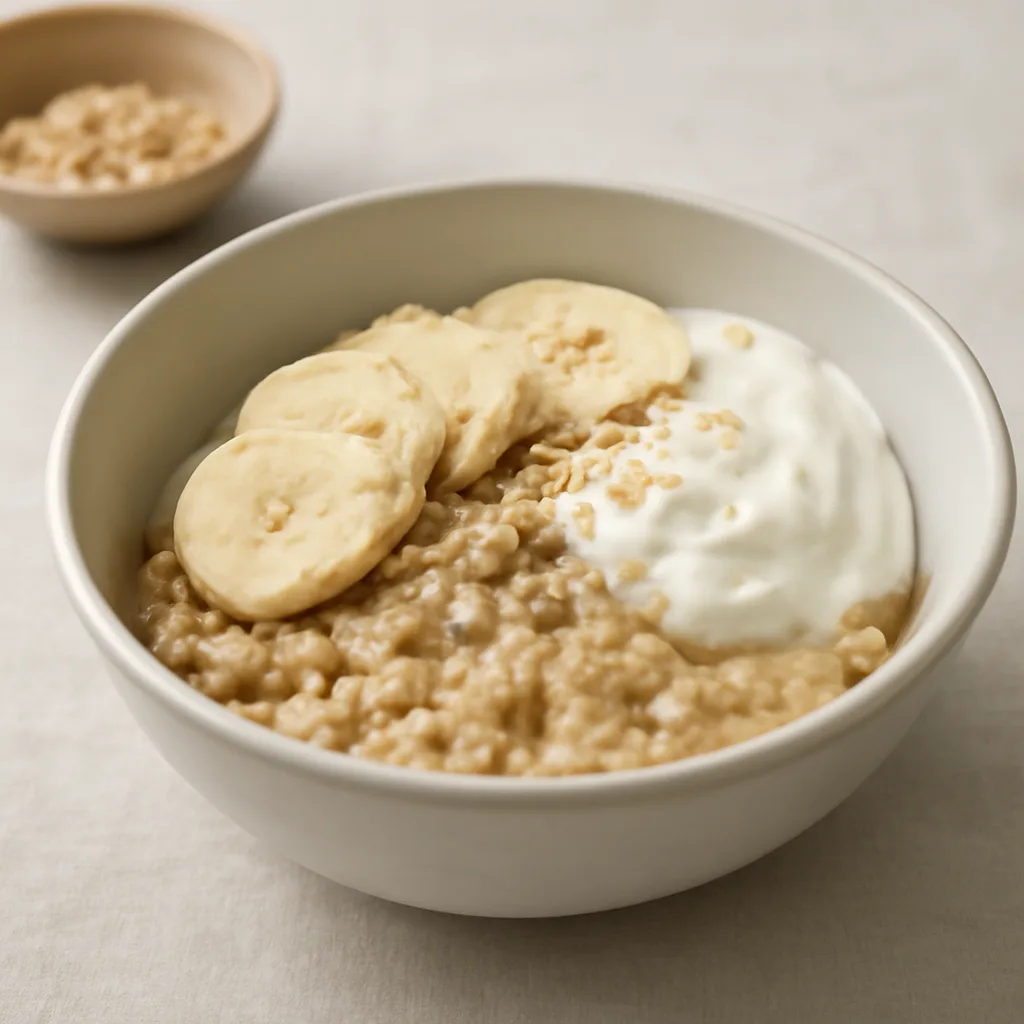
- Thinly sliced bananas add a simple sweetness and soft texture to cereals, yogurt, oatmeal, and toast.
- Mashed bananas are stirred into banana bread, muffins, pancakes, and waffle batters for moistness and natural sweetness.
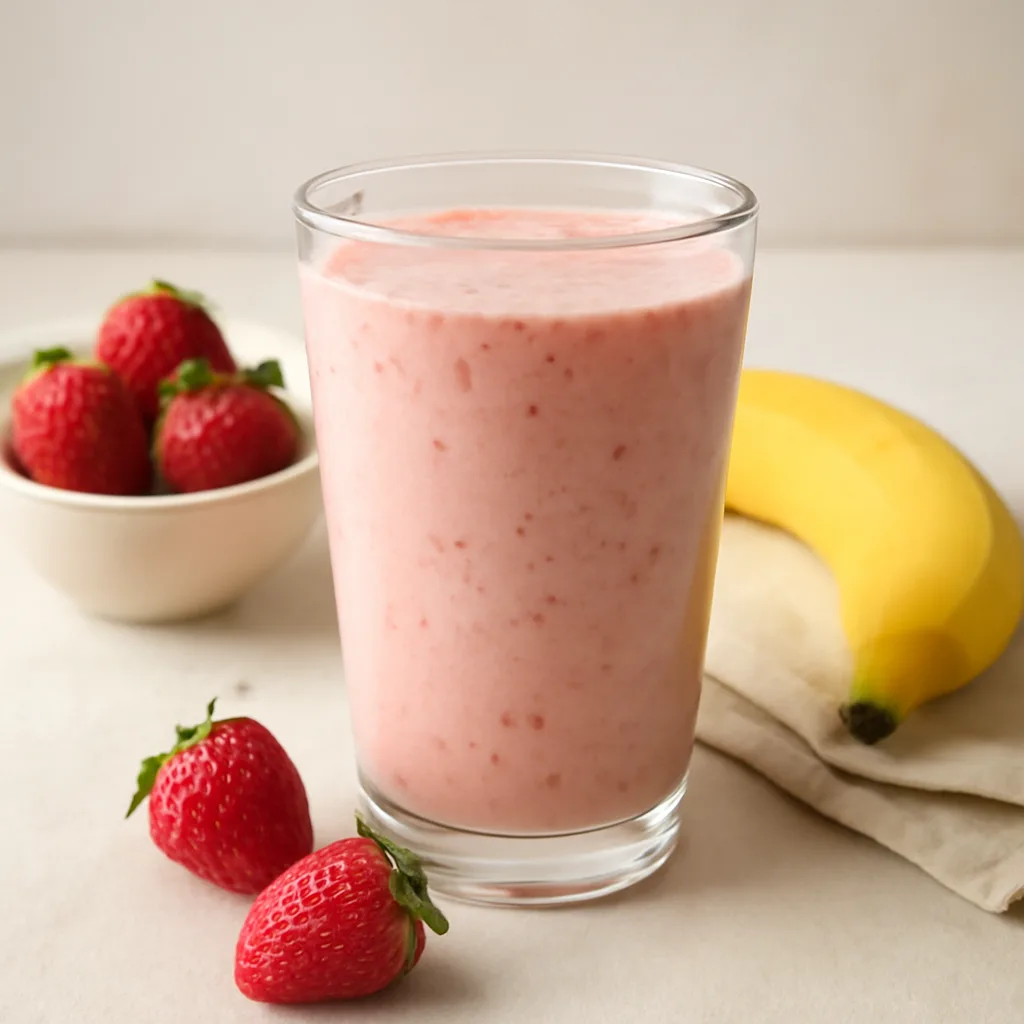
- Frozen bananas are great for thickening smoothies and blended desserts. If the blender struggles, add a little milk or plant-based drink gradually to adjust.
- Cooked bananas in a buttered or oiled pan can be served with ice cream, French toast, or porridge as a topping or side dish.
- Bananas can be added in small amounts to curries or spicy sauces to round out sweetness, but they may not suit dishes where the fruit aroma must come through.
Preparation tips
- Choose ripeness appropriate to the purpose. For slicing or grilling, look for some spots on the skin and firm flesh; for batters, use fruit with more browning and easy mashing.
- Mashed bananas can be pressed through a fork smoothly, or left chunkier after baking to have bits of fruit. If the batter is already loose, avoid over-mashing and adding too much banana.
- Sliced bananas darken quickly when exposed to air. If not using immediately, lightly brush with lemon or lime juice to minimize color change, but omit if the dish needs acidity.
- For freezing, peel and cut into pieces, then freeze without sticking together for easy portioning. If thawed bananas release moisture, use in smoothies, or reduce other liquid in the batter accordingly.
Cooking characteristics
- Bananas become soft quickly as the cell walls break down with heat. If you need shape like skewers or toppings, use firmer bananas and reduce turning.
- On medium-low heat, slowly cook the surface to golden edges and deepen sweetness. If the surface darkens too quickly, the pan is probably hot, so lower heat or add butter and sugar later.
- In baked goods, mashed bananas add moisture and viscosity to keep the interior moist. If the center remains too wet, reduce the banana amount or increase total batter moisture and adjust pan size rather than baking longer.
- Even with acidic ingredients, the soft texture of bananas remains, but strong acidity can mask their sweet aroma. If aiming for brightness, start with a small amount of citrus juice and taste.
Good combinations
- Rich, fatty ingredients like peanut butter, almond butter, walnuts, or pecans complement the banana’s sweetness.
- Cocoa, dark chocolate, and coffee contrast with the banana’s sweet aroma and suit desserts and drinks.
- Warm spices like cinnamon, vanilla, and cardamom pair well with baked bananas, but use small amounts to avoid overpowering banana aroma.
- Yogurt or citrus like lemon or lime lighten flavors, but in bread dough that shouldn’t be too tart, use sparingly.
Points to consider when substituting
- If you need both creamy texture and sweetness from banana in a smoothie or batter, ripe avocado with a touch of sweetness or mashed cooked sweet potato/pumpkin can be used, though these won’t replicate banana flavor and will alter moisture.
- Fresh bananas as toppings can be substituted with soft fruits like mango, pear, or peach, but acidity and chewiness differ, so choose to fit the overall pairing.
- For the caramel-like sweetness of baked bananas, hard pears or roasted pineapple can be used, but pineapple has more acidity and moisture, making it less suitable as a direct batter substitute in the same way.
- There is no perfect substitute when banana is the main flavor in banana bread. If using other purées, consider them as a separate variation that features the flavor of that fruit or vegetable, not banana.
Ingredients commonly used together in actual dishes
Aggregated based on the co-occurrence count of representative ingredients in public dishes registered in CookPagoda.
Dishes that use this ingredient
Shows dishes where this ingredient is a representative ingredient, sorted by view count.