Ingredient Encyclopedia
Check the characteristics of the ingredients and how to use them in cooking.
Chickpeas
2
1
Chickpeas are a bean used widely in salads, soups, curries, stews, and dips after cooking through boiling or canned preparation. If you keep the grain form, you get a chewy texture and a satisfying component; if you grind them finely, you get a thick, smooth base. Cooking direction varies with desired texture. Boiling hard beans for a long time thickens the broth and causes the beans to break easily, but for salads or stir-fries, it's better not to overcook them. Canned chickpeas are convenient, but draining well and rinsing before use helps control the seasoning flavor more distinctly.
Taste and Texture
The flavor is relatively mild and nutty, with a subtle earthy and nutty aroma. They blend well with strong spices, acidity, and herbs. Cooked whole seeds have a firm yet soft interior that breaks apart. When ground, they become a smooth paste, but if moisture is lacking they can feel dry and rough, so gradually adding olive oil, lemon juice, and cooking water to adjust thickness is useful.
Main uses
- In salads, mix drained chickpeas with vegetables, herbs, and lemon- or vinegar-based dressing. If the bean surface is wet, the dressing can become runny, so for bright salads dry them well before tossing.
- For curries, tomato-based stews, and vegetable stews, add near the end of cooking to impart flavor. If simmered from the start for a long time, the broth naturally thickens, but it may not keep the grain shape well.
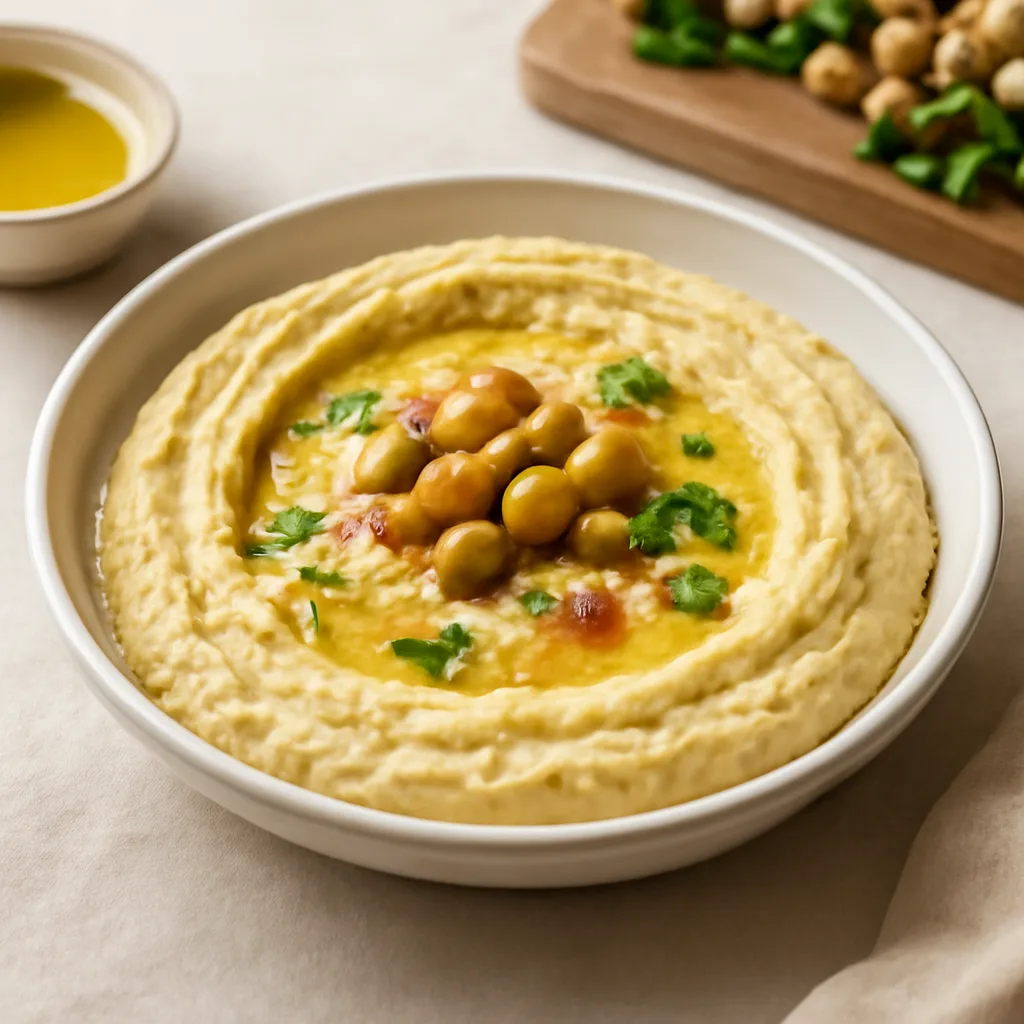
- Chickpea-based dips pair well with bread, raw vegetables, or roasted vegetables. Adding ingredients like garlic, lemon, and tahini paste gives aroma and acidity to the mild chickpea flavor.
- If you dry the drained chickpeas in the oven or on a pan, you can use them as toppings for salads and soups. For crispness, spread them out widely rather than layering them in a pile so moisture can escape.
Preparation tips
- Soak dried chickpeas thoroughly, then boil in fresh water before use. If pressing in with fingers easily reaches the center, they are suitable for dips or stews; if still firm, they may be better for salads and need more cooking.
- Rinse canned products in a sieve and drain. If the canned liquid flavor or viscosity is not needed for the dish, rinsing makes it easier to predict the seasoning concentration.
- Dips or mashed dishes blend better when chickpeas are warm. If the blender stalls and the texture is sandy, add liquid gradually while scraping down.
- If using for roasting, pat the surface dry with kitchen towels and lightly coat with oil and seasonings. Wet beans will not roast crisply if coated thickly.
Cooking characteristics
- Chickpeas absorb moisture as they cook, and the interior softens the longer they are heated. If you want a thicker stew, mashing some of it is convenient, but for a clear broth with distinct grains, avoid over-stirring.
- Dry-heat on a pan or in an oven enhances the nutty aroma as surface moisture evaporates. However, high heat alone makes the inside not crispy; if the color darkens quickly, lower the temperature or shake halfway through.
- Dishes with acidic ingredients may make chickpeas feel softer more slowly. When cooking dried beans, ensure they are fully softened before adding tomato or lemon acidity to adjust the doneness.
- Salt and spices absorb well even after cooking, but when simmered briefly, flavor may stay mainly on the surface. For deeper flavor, simmer in the seasoned sauce a bit longer or marinate beforehand.
Good combinations
- Acidic ingredients like lemon, vinegar, or tomato brighten the chickpeas’ mildness, while olive oil or sesame paste emphasize a nutty character.
- Garlic, onion, cumin, paprika, pepper, and cilantro leaves are good to add toward a directional note in a mild taste. If you overlap too many strong ingredients, the chickpeas’ nuttiness can get buried, so in dips it’s better to choose a single prominent aroma.
- Roasted vegetables, leafy greens, grains, and eggs provide textural contrast on a single plate. However, combining with potato or creamy sauces can feel heavy and filling, so adding more acidity or moisture-rich vegetables is advisable.
Points to consider when substituting
- If the grain texture is the goal in salads or stews, you can substitute white beans, kidney beans, or lentils, but sizes, cooking times, and degree of breakage differ, so adjust cooking time.
- For dips where chickpeas form the base, white beans can be a relatively soft substitute. However, the characteristic nutty and slightly firm texture of chickpeas will be different, so adjust lemon, garlic, and oil to taste.
- For a crispy topping, use cooked lentils, nuts, or seeds. They are smaller or oilier than chickpeas, so roasting at the same time and temperature can burn or change texture.
- If you omit chickpeas in curries or stews, instead of replacing with the same amount of other beans, adjust the sauce thickness and chunky ratio by adding more vegetables or protein to fit the dish.
Ingredients commonly used together in actual dishes
Aggregated based on the co-occurrence count of representative ingredients in public dishes registered in CookPagoda.
Dishes that use this ingredient
Shows dishes where this ingredient is a representative ingredient, sorted by view count.